Running Shoes
ASICS Glide Ride 3 vs Glide Ride 2: What Changed in the Rocker Trainer
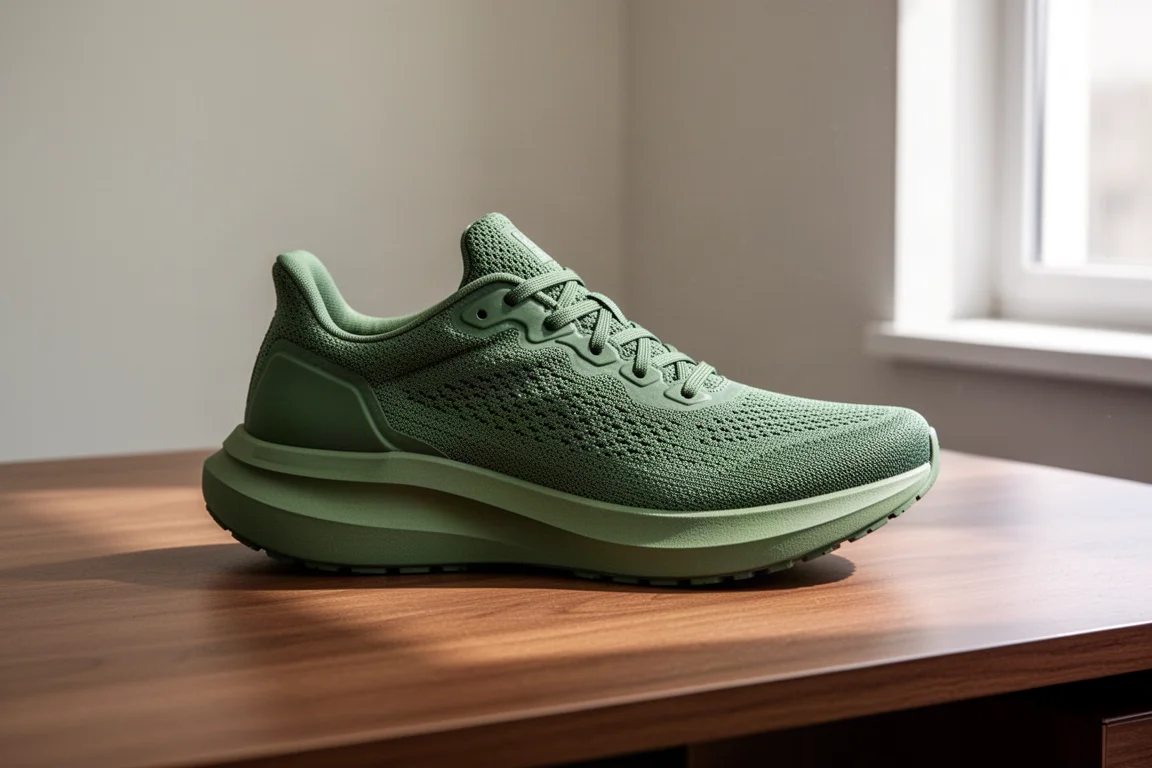
The Glide Ride 3 adds a softer top layer of Flight Foam Blast Plus and trims nearly an ounce, transforming how the aggressive forefoot rocker feels on foot.
Introduction
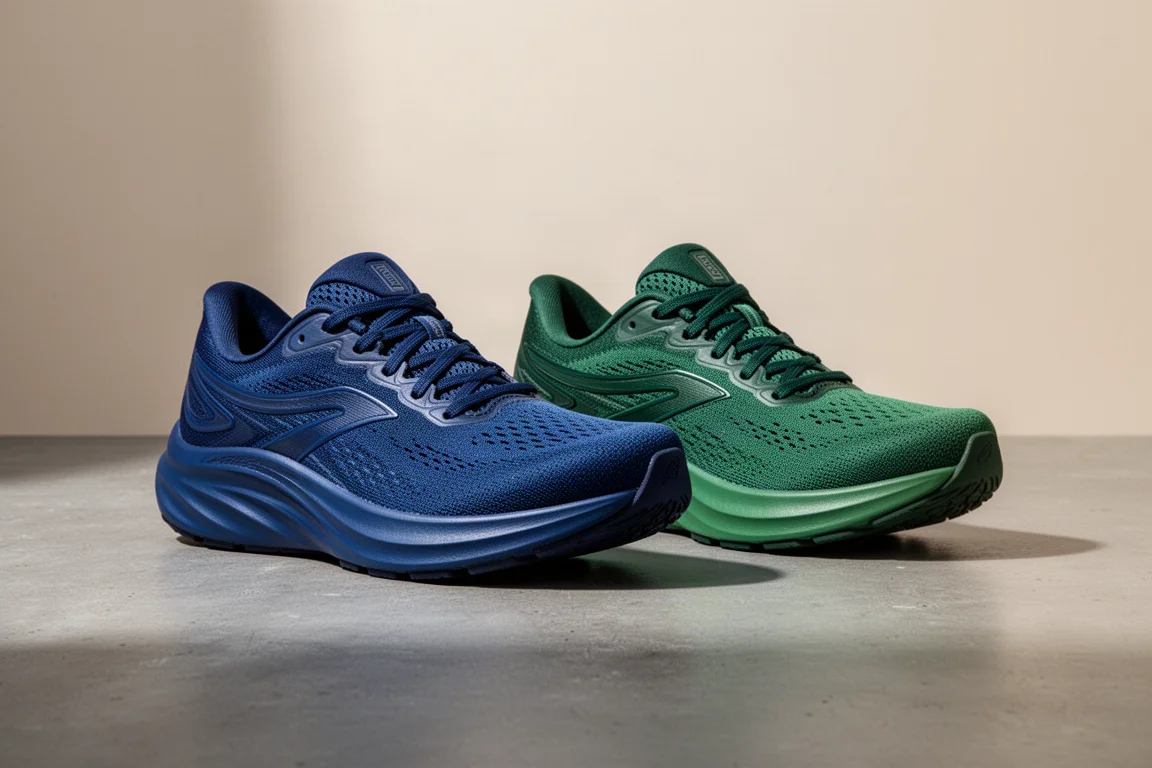
The ASICS Glide Ride line has always leaned on one idea: a very aggressive forefoot rocker and toe spring combined with a stiff platform, marketed around saving energy by reducing calf loading. The Glide Ride 3 keeps that formula but changes one key ingredient, and that single change alters the whole character of the shoe. Here is how the 3 compares with the Glide Ride 2 after a few weeks of testing.
Weight and Specs
The headline change is weight. In a men’s size 9, the Glide Ride 3 comes in at 9.4 ounces, and a women’s size 7 weighs 8.1 ounces. Tested side by side, a men’s 9.5 dropped from 10.54 ounces on the Glide Ride 2 to 9.72 ounces on the 3, roughly an 0.8 ounce reduction. That matters, because anything north of 10 ounces starts reading as a heavy trainer, and this new weight puts the shoe in a different category.
The drop changed from 5 millimeters on the older versions to 6 millimeters on the 3, which suggests the stack heights were also tweaked. The midsole is now dual-density: a top layer of Flight Foam Blast Plus sits above the original firm Flight Foam. The plastic plate under the forefoot remains, and it is present but not super rigid.
Fit and Upper
The Glide Ride 3 fits more snugly than the 2. The upper was streamlined into something more one-piece and fluid, with less overlay and more engineered mesh, and it hugs the foot noticeably better. The trade-off is reduced volume: the second version had extra room through the distal midfoot and forefoot that required lacing down, while the 3 removes that. Runners with normal to narrow feet will likely appreciate the change; those with voluminous feet may find the forefoot a touch snug, though it is not an out-and-out narrow fit.
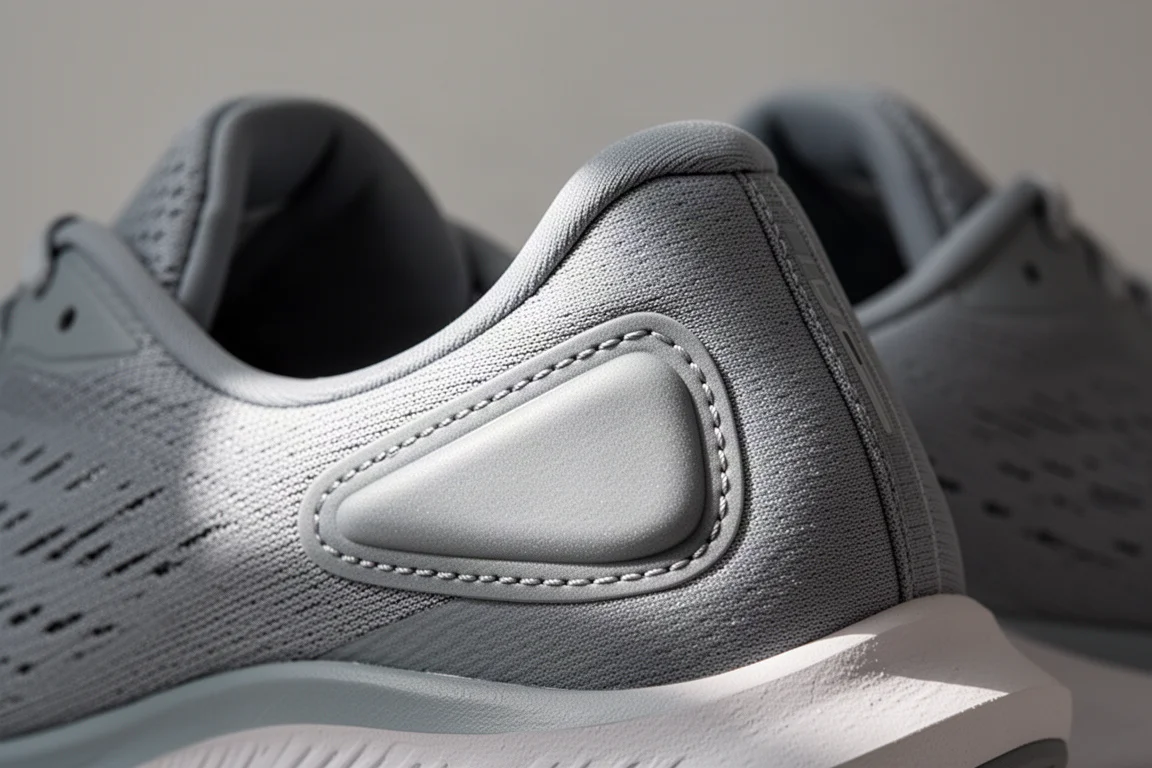
The heel counter stays very rigid but is well padded, dialed in better than the heavily padded first version. No Achilles irritation showed up in testing, and there is a little give in the counter so it does not press directly against the bone. A gusseted tongue and flat laces round out a clean, foot-locking upper.
Ride Feel: The Softer Topsole Changes Everything
This is the story of the shoe. The Glide Ride 2 had a full-length, relatively firm Flight Foam EVA midsole paired with a sharp toe spring and the plate. The result felt abrupt: you loaded the heel, transitioned through the midfoot, and then felt like you were falling forward off the front of the shoe. It was hard to run slowly in, because you always had to keep your legs turning over just to stay on top of the platform.
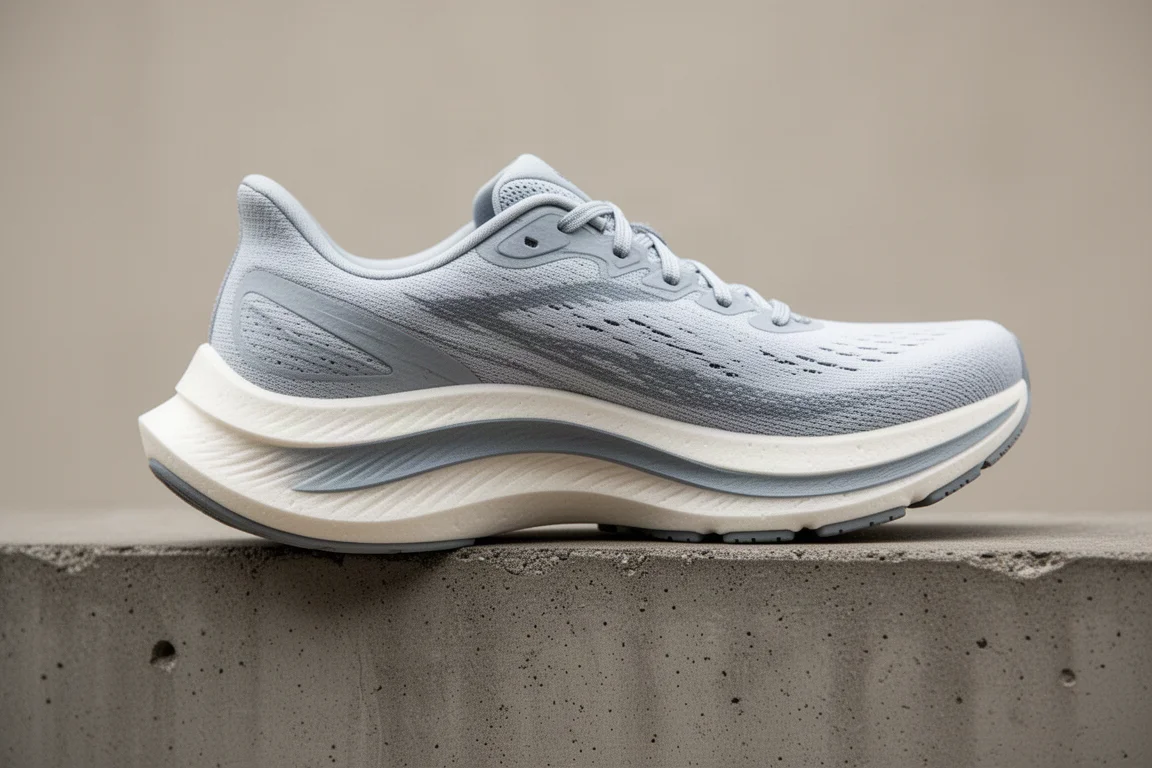
The softer top layer of Flight Foam Blast Plus smooths that transition out. You now compress into the foam instead of rolling onto a rigid rocker, so the forward roll feels more cyclical and natural rather than a landing followed by a tumble. It is still a sharp rocker, and you still feel the calves unloaded while some of that load shifts to the hips and knees, but the shoe feels far more balanced on foot and genuinely usable at slower paces.
That softer feel also separates the 3 from its partner in the line, the EVORIDE, which keeps a firmer, more flexible ride. The Glide Ride 3 now stands as the genuinely softer, aggressive-rocker option. In terms of comparison shoes, the Saucony Endorphin Shift is the closest in spirit, though it is smoother and less aggressive with less toe spring. The New Balance 1080 has a similarly extreme-looking toe spring profile but runs completely differently, since its forefoot flattens out under load and flexes through the toes, while the Glide Ride 3 barely flexes at all.
Outsole, Grip, and Stability
The outsole has modest tread: fairly flat rubber with a couple of small shallow ridges. Wet-road traction proved good in testing, but that is where the grip ends. This is a road shoe only. On trails, snow, or icy surfaces the outsole offers essentially no traction, so runners in snowy climates will need a different year-round option. A heavier footed tester saw visible wear after only 15 miles, but nothing was chewed through yet.
Stability is decent for what it is. Any high-stack rockered shoe carries some inherent instability, and the softer topsole takes away a bit of the sidewall support the original had. Still, the sidewalls are reasonably integrated, the crash pad rides through the forefoot, and the plate keeps things rigid where needed. Transitions feel balanced and linear. It is not a stability shoe, and runners who truly need guidance should look elsewhere, but there is just enough natural forward guidance for neutral runners.
Things to Consider Before Choosing It
The extreme toe spring and forefoot rocker are not for everyone. Runners with severely limited toe mobility will struggle, because the toes are held in extension with little flex available, and you need a certain amount of motion just to get your foot into the shoe. People with hallux rigidus should be cautious: the sharp toe spring mechanically forces the big toe into extension, which can overload the plantar fascia and the windlass mechanism underneath the foot.
Uphill running changes the picture too. On climbs, testers found their calves working surprisingly hard, almost having to dig in and push off a longer lever arm because the shoe rolls you onto the top of the toe with no flex to store energy. The rocker works best on flat ground at steady paces.
Who Each Version Suits
The Glide Ride 3 is best for runners trying to take load away from the ankle and calf on flat runs, and for those with toe flexor weakness who cannot handle the eccentric load of rolling over the forefoot normally. The weight reduction also makes it lively enough for steady, moderately quick paces, and it could work as a long-run or half-marathon option around goal-pace efforts.
The Glide Ride 2 remains viable if you find it cheaper, but it is heavier, firmer, has more forefoot volume, and its abrupt transition is hardest to live with at slow paces. Most runners upgrading will feel the difference immediately.
Buying Advice: Full Body Evaluation First
One broader point worth taking from extended time in this line: a shoe is only a small piece of the running puzzle. Because this shoe shifts load from the calves toward the hips and knees, it highlights why a full body evaluation matters when you are injured or in pain. Look at the whole person, from head to toe, from behind, front, and side, ideally filmed in slow motion at 120 frames per second on a treadmill at your normal pace after warming up. Pair that video with strength and flexibility testing, since common weak spots in runners include the calves (many runners struggle with even 25 single-leg calf raises), hip abductors and rotators, and trunk endurance rather than raw core power.
Also remember that limited mobility is not always a flexibility problem. Sometimes the restriction is at the joint itself, from bone or capsule, and no amount of stretching fixes that. If you are dealing with persistent pain, a trained professional can test which of these applies to you rather than guessing.
View more details for ASICS Glide Ride 3
Conclusion
The Glide Ride 3 is a clear step forward for the line. The softer Flight Foam Blast Plus topsole fixes the 2’s abrupt transition, the weight drop moves it into lighter trainer territory, and the streamlined upper fits better for most feet. Keep its limits in mind: it is a road-only shoe, and its extreme rocker is a poor match for limited toe mobility or weak hip extension. If those limits do not apply to you and you want a protective, rockered trainer that finally works at more than one pace, the 3 is the version to buy.
Further reading
Related Reviews
Running Shoes
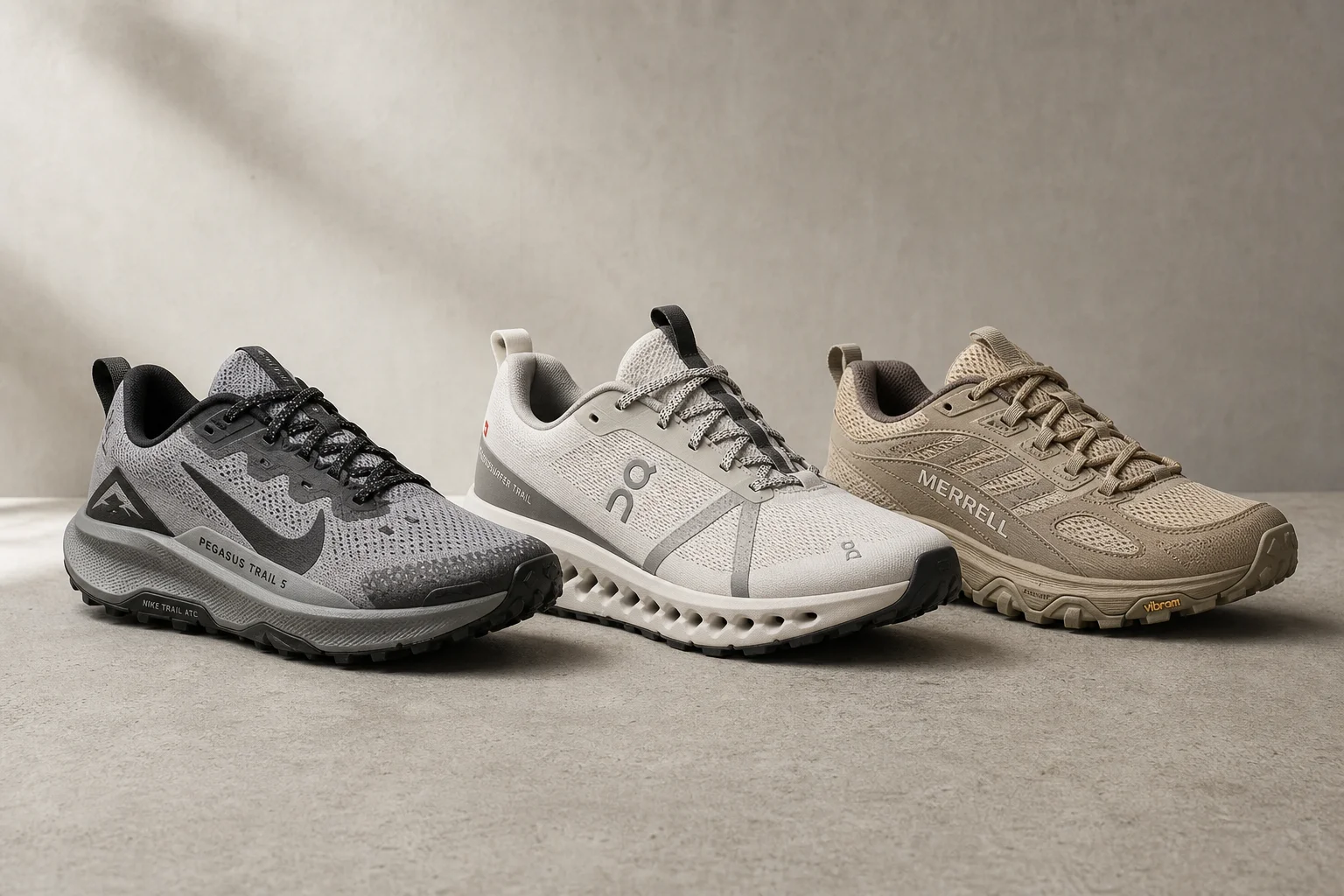
Best Road-to-Trail Running Shoes: Three Versatile Options for Mixed Terrain
A practical guide to three road-to-trail running shoes that handle both pavement and mild trails, with clear strengths and trade-offs for different runner types.
Running Shoes
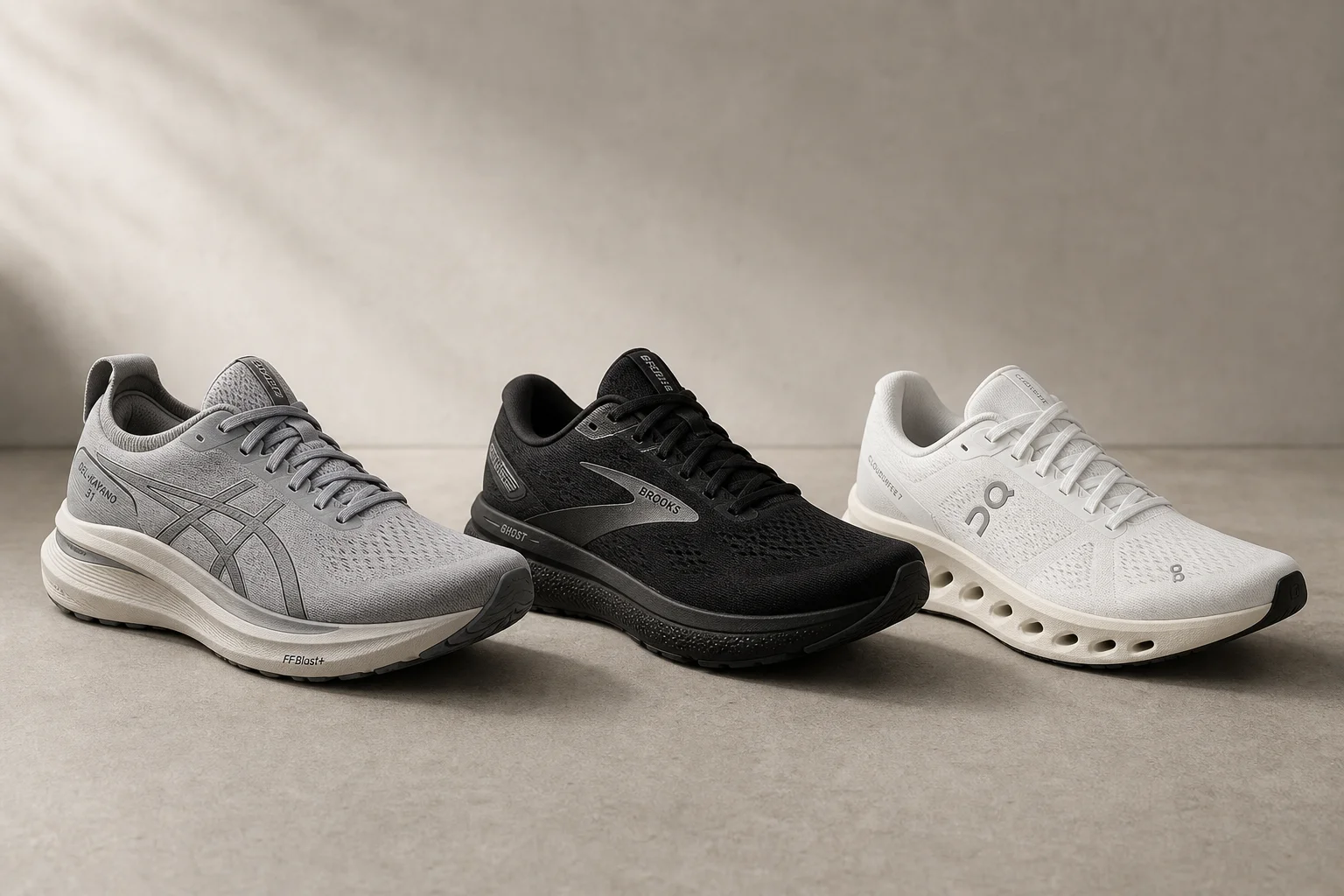
Best Running Shoes for Achilles Tendonitis: Three Options Explained
Three running shoes with different heel drops and support features designed to help reduce Achilles tendon pain during walking and running.
Running Shoes
Best Running Shoes for Women: Five Top Choices Ranked
A ranked guide to five women's running shoes, from versatile daily trainers to high-performance racing options, with real strengths and trade-offs for each.