Running Shoes
ASICS Glide Ride 3 After 100 Miles: The Underrated Easy-Day Cruiser
After 100 miles, the ASICS Glide Ride 3 proves itself as a squishy, stable daily trainer that rolls smoothly through easy, long, and recovery runs.
Introduction
Every year a handful of very good shoes simply never catch on, and after 100 miles, the ASICS Glide Ride 3 is clearly one of them. It is both very good and underrated: a comfortable, squishy trainer that rolls smoothly through the miles without feeling like a big chunky shoe on your foot. This review covers how it performs, how it holds up over high mileage, and whether it deserves a place in your rotation.
Who This Shoe Is For
The Glide Ride 3 quickly settles into a very specific use case: easy runs, easy long runs, and recovery runs. It feels nice and squishy underfoot and stays comfortable when your legs are tired, which tends to matter most deep into a marathon training block. If your priority is protecting tired legs on the easy days, this shoe makes a strong case for itself.
{{image:1}}
It also has enough polish to work as a do-it-all shoe. The upper is stretchy, breathable, and roomy in the toe box, and with the right colorway it would look just as good for travel and errands as it does for logging high mileage.
Main Strengths
The cushioning is built like a three-layer cake. The top layer is FF Blast Plus, ASICS’ premier daily training foam. It is very squishy, very lightweight, and resilient, so you do not get stuck in a squishy mess: you land, feel the softness, and get brought right back out of it.
{{image:2}}
The bottom layer is ASICS flight foam, which is a little firmer, so it does not deflect as much as the top layer. Between them sits a hardened EVA plate-like layer with lines cut into it, visible through a window in the midsole, which helps the plate flex more easily. Together, the bottom two layers create a system that lets you roll through every step while adding stability. Even if you land slightly to the side or your ankles want to cave in, the firmer flight foam layer prevents your foot from rolling too far in or out.
Durability After 100 Miles
This shoe has been holding up fantastically. It is hard to tell it has 100 miles on it. The outsole rubber looks barely touched, with hardly any wear marks, even though there was not a ton of rubber to begin with. The only hints of mileage are light scuffing on the exposed areas of flight foam that you run directly on, and even there it is not chewed up despite time on rockier roads and dirt paths.
{{image:3}}
The upper still feels comfortable throughout: the mesh remains stretchy and breathable, and nothing seems close to giving out. The one odd spot is the well-padded heel cup, which developed a strange crease in its large foam pad. It still feels comfortable, it just looks slightly unusual, and that is the only visual sign of wear.
Things to Consider Before Buying
There are a couple of trade-offs to weigh. The heel cup probably has more padding than the shoe strictly needs, though generous heel padding is genuinely comfortable for many runners and accommodates a wide range of heel shapes. And if you want a shoe for faster workouts, this is not that shoe; it is built for rolling through easy miles.
Within the ASICS lineup, the Glide Ride 3 sits right between the Nimbus 25 and the Novablast 3. The Novablast 3 is even squishier and speedier. The Nimbus 25, which uses FF Blast Plus Eco, is more about shock-dampening, absorbing impact rather than delivering a squishy, bouncy feel. If you like your shoe to travel a bit more in the up-and-down direction, the Glide Ride 3 fits; if you purely want to absorb the impact of the road, the Nimbus 25 is the better pick.
Buying Advice
At $150, the Glide Ride 3 is not cheap, but with running shoe prices creeping up across the board, it no longer seems so crazy compared to what else is on the market. It has been out for a while without discounts appearing, so expect to pay full price, though new color options were expected to roll out over the summer, which could bring discount opportunities later.
{{image:4}}
If you are building a rotation, two pairings stand out. For faster workout days within the family, the ASICS Metaspeed Edge Plus shares the same reliance on geometry and rolling motion, and its plate position and forefoot shaping make it notably stable. If you want a racer with a similar squish, the New Balance SC Elite v3 is among the most forgiving carbon-plated options, with added foam in this update and a slightly snappier, more aggressive feel. Outside alternatives worth considering: the Saucony Triumph 20, a similarly tall shoe with PWRRUN+ foam that is a bit denser but bouncier and handles a wider range of paces.
Conclusion
After 100 miles, the ASICS Glide Ride 3 has earned its place as a go-to for easy runs, long runs, and recovery days. It is squishy yet controlled, rolls exceptionally well, and shows remarkably little wear. If you want a comfortable, stable cruiser for the bulk of your training miles, this underrated shoe is well worth the full price.
Product link
View more details for ASICS Glide Ride 3
This product is mentioned in the review. Check the specifications, options, and compatibility before buying.
View more details for ASICS Glide Ride 3Further reading
Related Reviews
Running Shoes
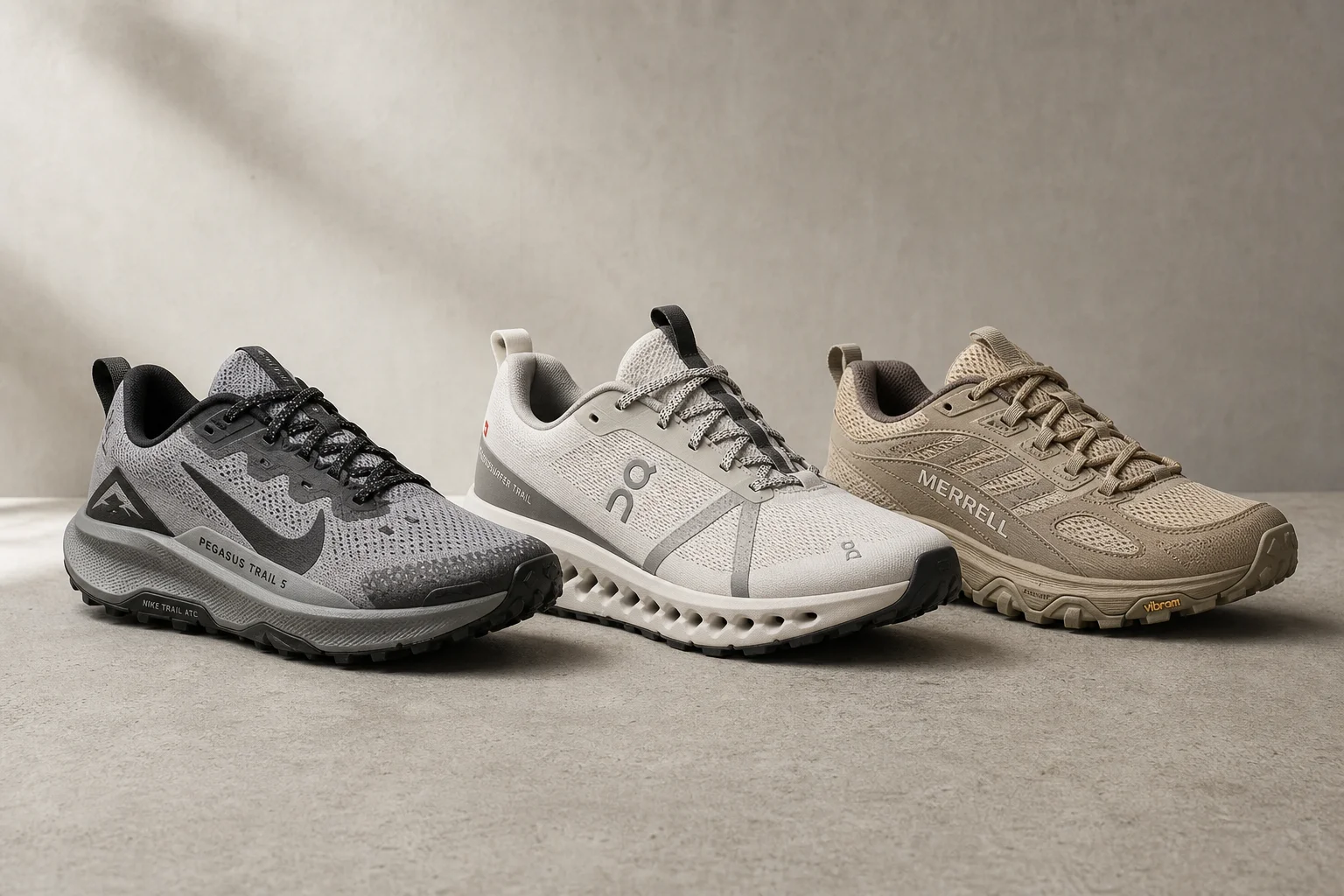
Best Road-to-Trail Running Shoes: Three Versatile Options for Mixed Terrain
A practical guide to three road-to-trail running shoes that handle both pavement and mild trails, with clear strengths and trade-offs for different runner types.
Running Shoes
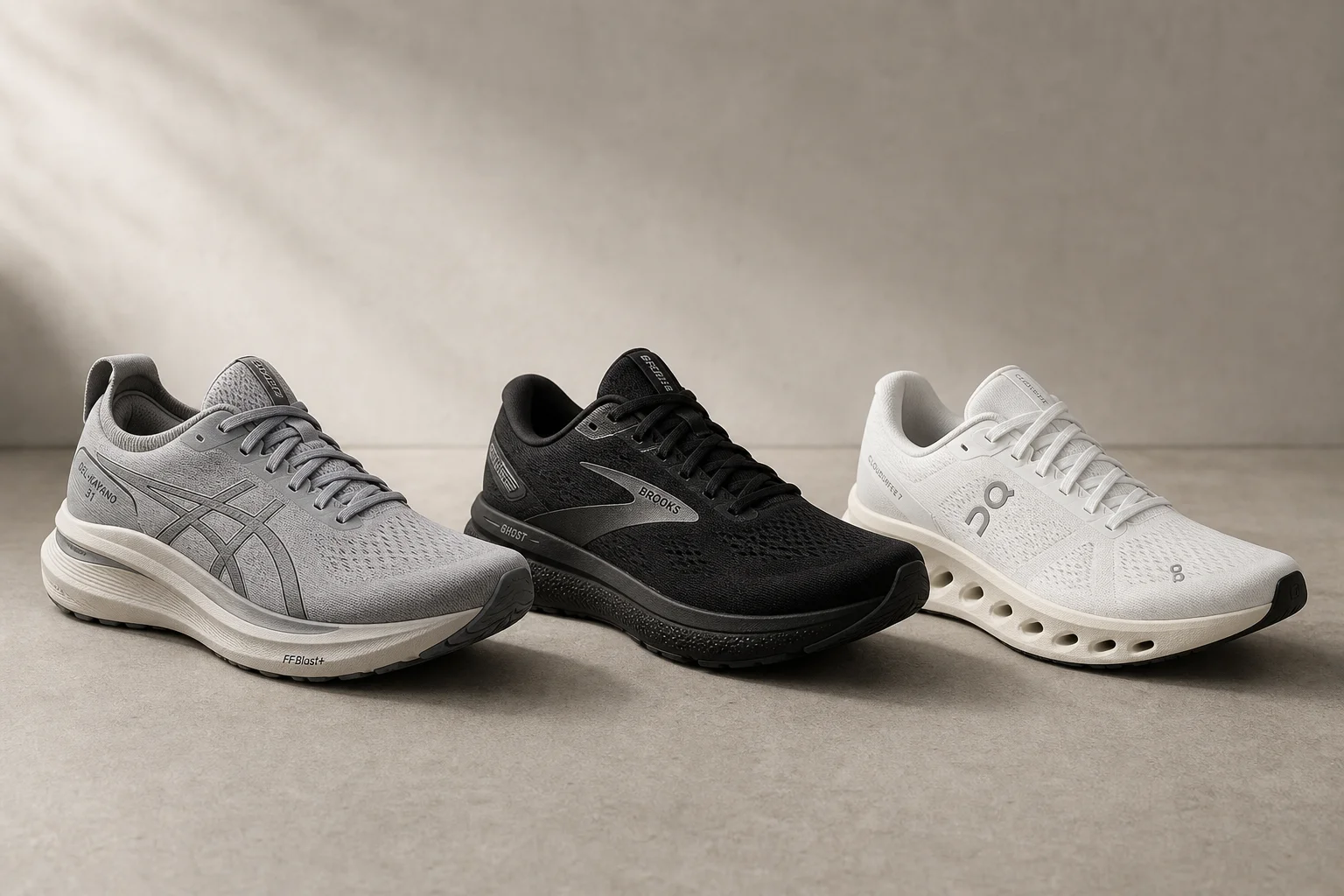
Best Running Shoes for Achilles Tendonitis: Three Options Explained
Three running shoes with different heel drops and support features designed to help reduce Achilles tendon pain during walking and running.
Running Shoes
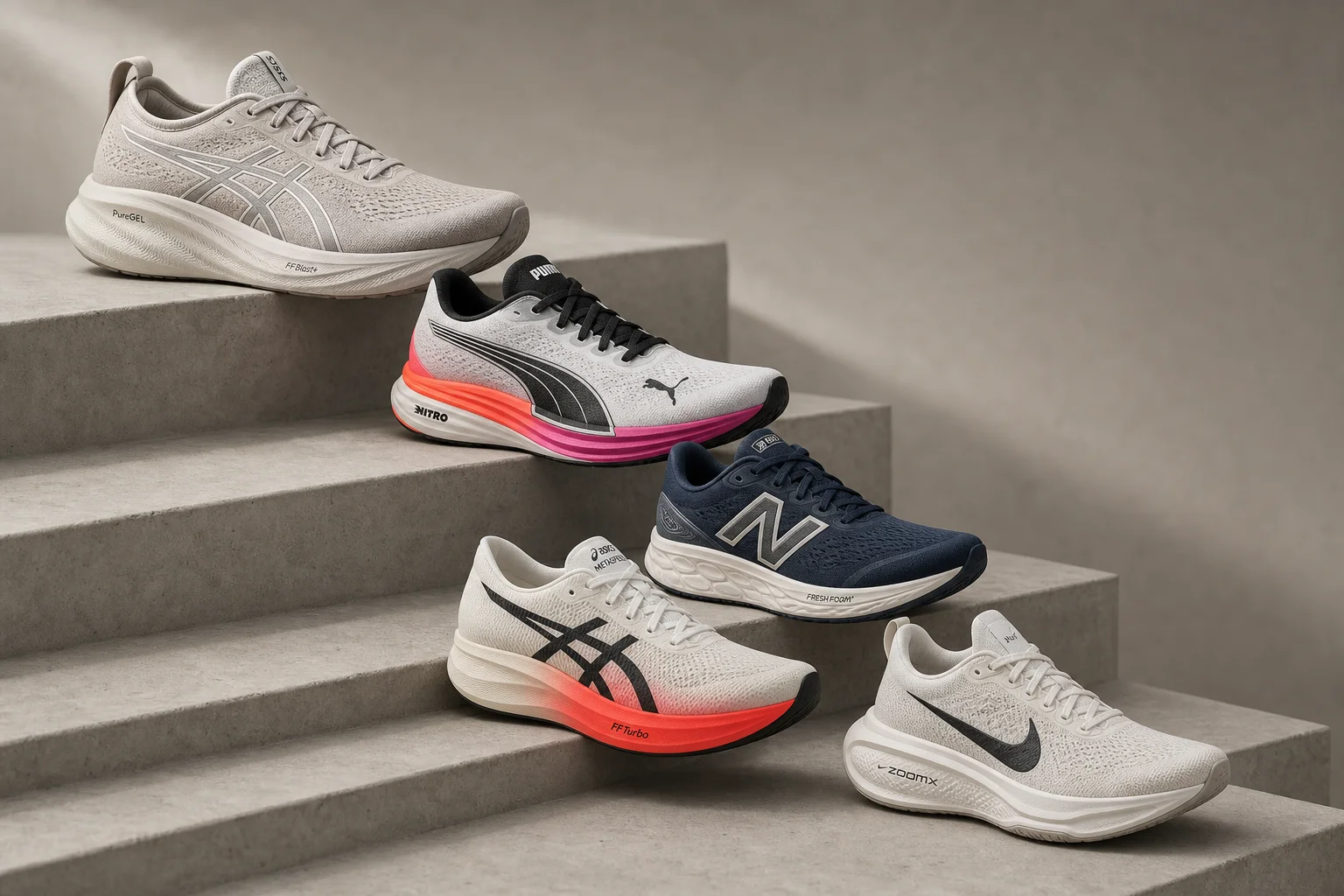
Best Running Shoes for Women: Five Top Choices Ranked
A ranked guide to five women's running shoes, from versatile daily trainers to high-performance racing options, with real strengths and trade-offs for each.