Running Shoes
ASICS Gel-Nimbus 27 vs Gel-Kayano 32: Which Flagship Cushion Shoe Should You Buy?
Two ASICS flagship trainers at the same price with a lot in common. We break down where they differ so you can pick the right one for your running.
Introduction
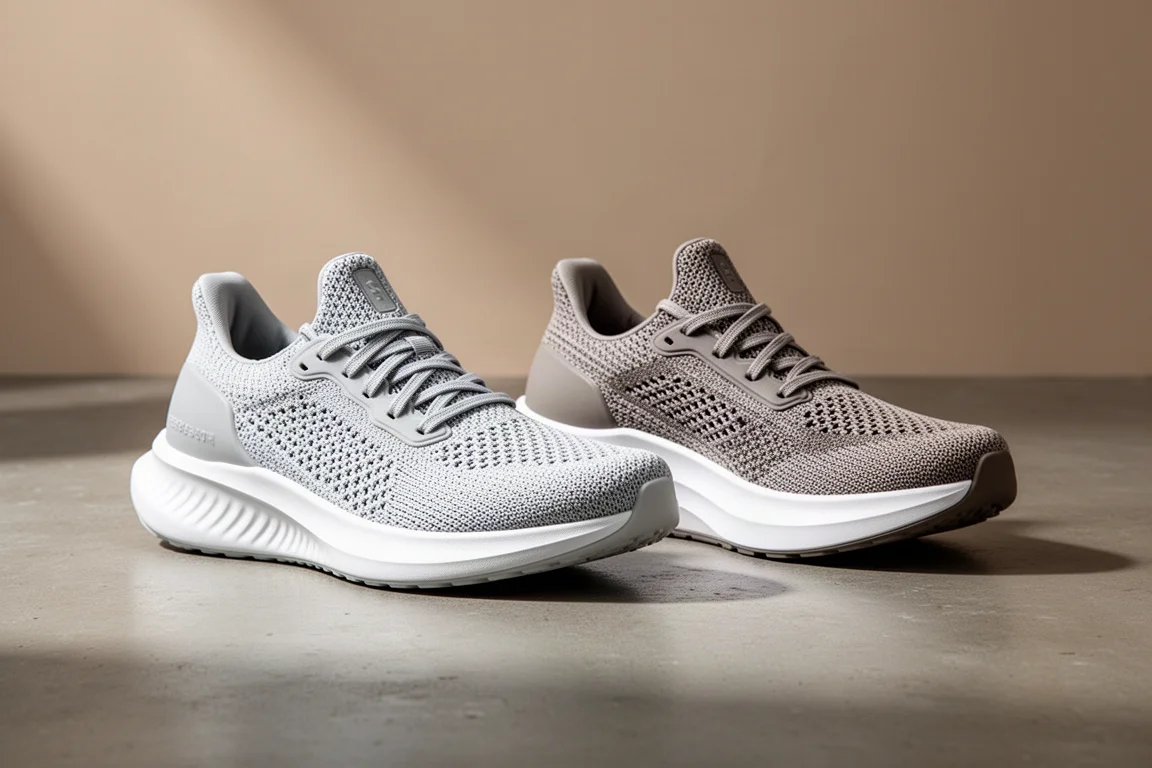
The ASICS Gel-Nimbus 27 and Gel-Kayano 32 are two long-running flagship lines from ASICS. The Nimbus is the brand’s top neutral cushion shoe, while the Kayano is its top stability shoe. Both sit at the same price, £180 in the UK and $165 in the US, and they share far more in common than their labels suggest. This comparison breaks down where they match up and where the real differences lie, so you can pick the right one for your running.
Specs at a Glance
Both shoes are heavy trainers with an 8mm drop, and their weights are nearly identical in a UK size 9. The Nimbus comes in at 314g (11 oz), the Kayano at 311g (10.9 oz). The main dimensional difference is stack height: the Nimbus runs 43.5mm at the heel and 35.5mm at the forefoot, while the Kayano sits lower at 40mm and 32mm respectively.
Both shoes use the same FF Blast Plus foam midsole with a Pure Gel insert under the heel, a wide base with foam side walls, and a hybrid outsole mixing ASICS Grip and AHAR Plus rubber. If the raw numbers look close, that is because they are.
Design and Midsole: Subtle Differences That Matter
The Gel-Nimbus 27 features a jacquard mesh upper with generous padding around the back of the shoe, a very stiff internal heel counter for structure, and a tongue with relatively little padding to keep things breathable. The Gel-Kayano 32 uses an engineered mesh upper with similar plush heel padding and the same stiff internal heel counter.
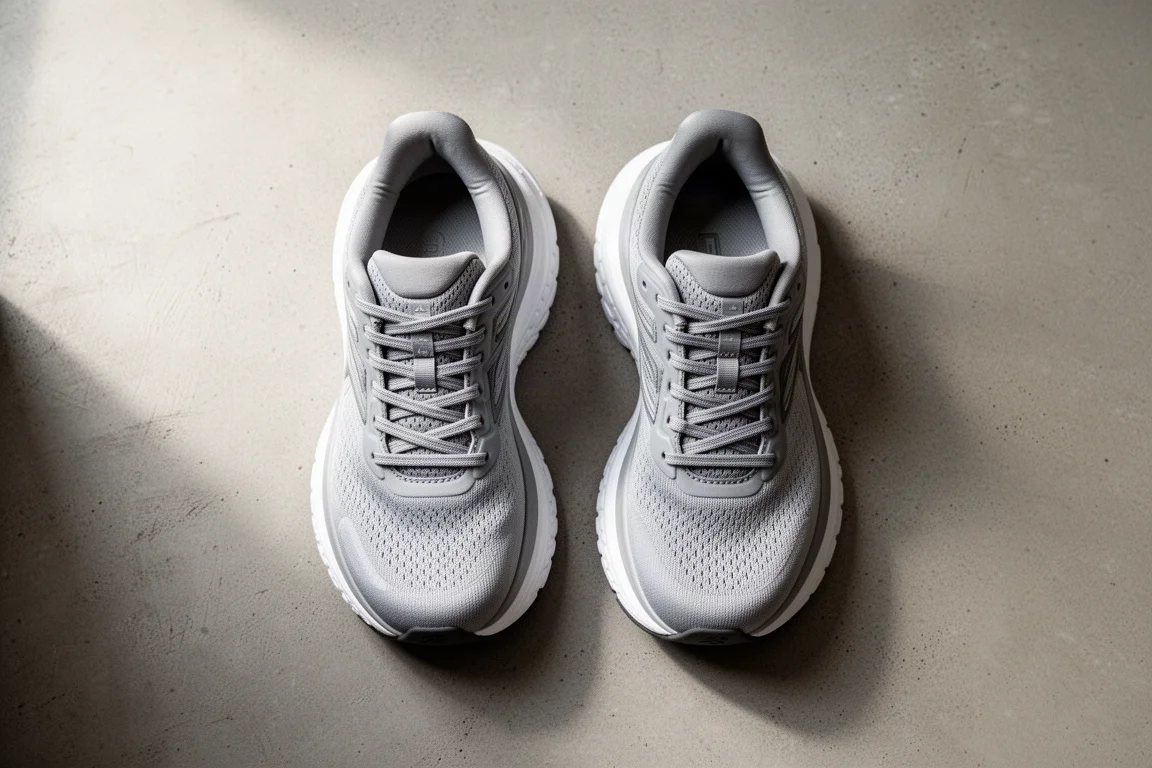
The biggest design difference is in the Kayano’s midsole: a 4D Guidance System chunk of foam on the medial side. Rather than traditional stability methods like medial posting, this foam is a bit more responsive, and the idea is that as you overpronate onto it, you get bounce back into a neutral position. It becomes more prominent the more you roll onto it, so the stability only really kicks in when you need it.
Fit and Sizing
Both shoes deliver a roomy, comfortable fit, but they are not identical. The Nimbus 27 feels noticeably more generous, with extra space in the forefoot and around the toe box. If you dislike having more than a thumb’s width of space in front of your big toe, you might want to go down half a size in the Nimbus.
The Kayano 32 has slightly thicker uppers that feel a bit closer across the top of the toes, while still leaving ample wiggle room at the end of the toe box. One tester described the fit in their normal UK size as the most perfect fit of almost any shoe, with plenty of forefoot space, good midfoot lockdown, and a little give once the laces are tied.
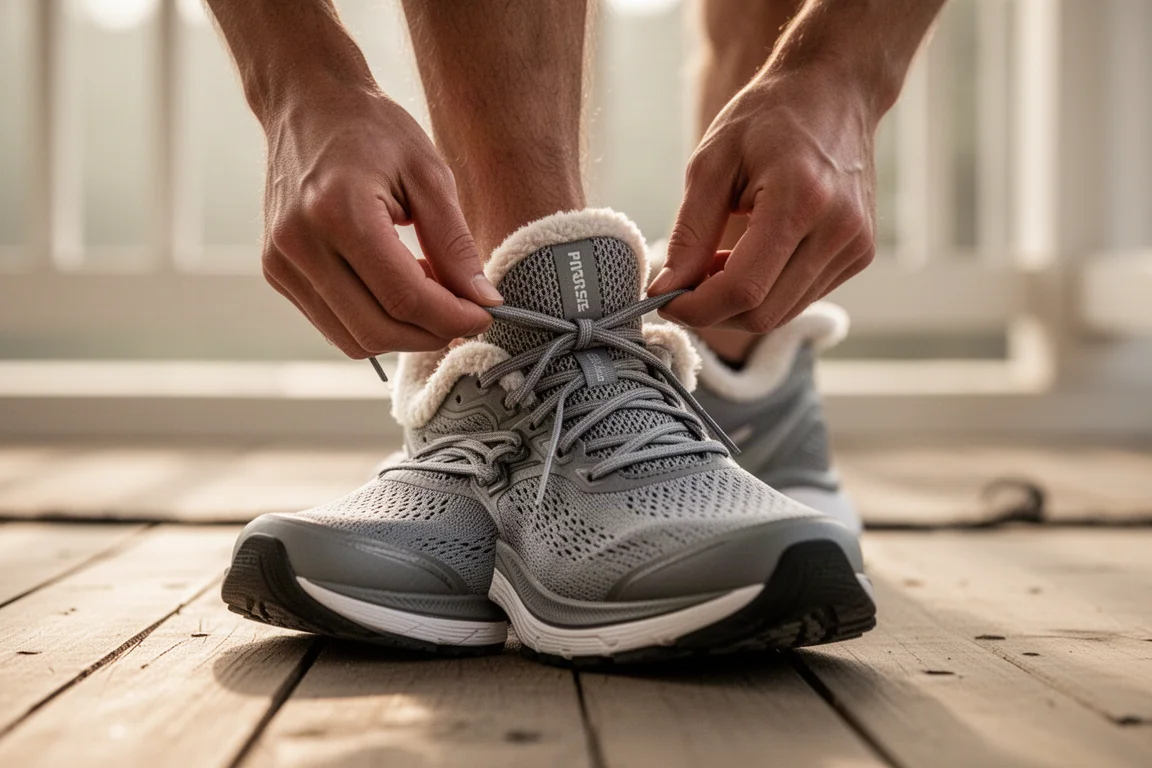
Midfoot lockdown is equally good in both, and the tongues do a decent job of taking the lace pinch, slightly better on the Nimbus thanks to its knitted tongue with a bit of extra thickness. The heel collars are large, plush and padded in both shoes, with nothing sitting too high, and both hold securely. Neither shoe caused Achilles irritation despite the stiff internal heel counters, though the padding can get a little sweaty in hot conditions. The recommendation for both: go true to size.
Ride Feel: Softness vs Control
This is where the two shoes genuinely split. Both are built to soak up easy mileage rather than provide a fast, responsive ride, and neither offers much spring off the toes. But the feel underfoot is clearly different.
The Nimbus 27 is notably more cushioned and soft, with a bit more movement underfoot and a little extra energy coming back from the midsole. That extra softness is most obvious when you land further back on your heels, where the foam compresses much more. It is also a fairly stable shoe for a neutral option thanks to its wide base, foam side walls and structure around the heel.
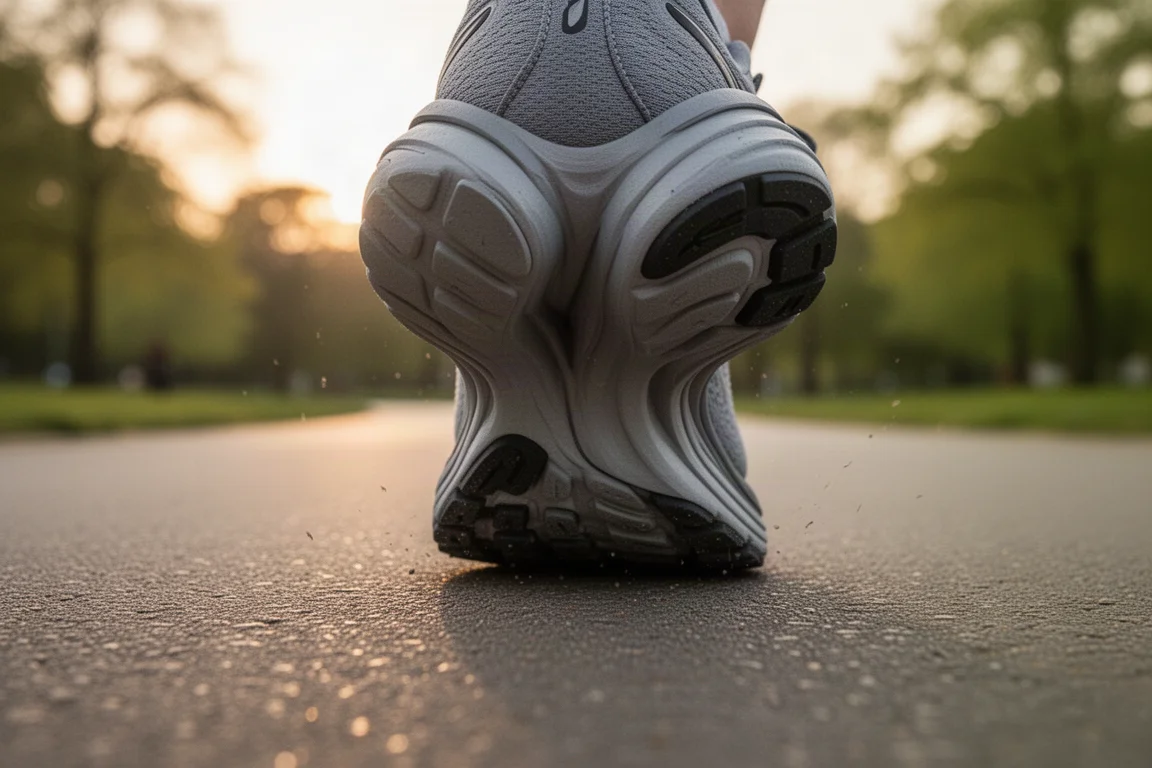
The Kayano 32 still has a big wedge of cushioning, but it feels firmer and flatter, with landings that are more controlled and a touch more uniform as you roll through. That blockiness exists to provide reliability and stability, and the guidance is there without feeling overdone. Notably, the Kayano’s heel-to-toe transition and rolling action came out ahead in testing, which is surprising for a stability shoe, and neither shoe is versatile: both are hard to pick up the pace in, and both fit best at the easy end of a rotation.
Durability and Outsoles
Both shoes offer solid outsoles. The Kayano 32’s is the standout, with a really good, thick layer of rubber and nice tread. The Nimbus 27 is not quite at that level but still carries a good, thick rubber layer with a decent tread pattern. Neither is a weak point here.
Which One Should You Buy?
If you have genuine stability needs, the Kayano 32 is the clear pick. There is no real reason to choose the Nimbus over it, and even as a neutral runner you may not notice the stability elements, which only intervene when you overpronate. If you want a firmer, more controlled ride with that extra guidance, the Kayano is the shoe.

If you want something a bit softer with a bit more spring and energy return, the Nimbus 27 is the better choice. It has good stability for a neutral shoe, more protection in the heel for runners who land further back, and a bit more life that makes it arguably more versatile. As a neutral runner, the extra forefoot cushioning in the Nimbus adds comfort over long runs without a weight penalty.
A value tip worth considering: the changes from the previous models are minimal. The Gel-Nimbus 26 is nearly identical, and the Kayano 31 has a higher 10mm drop but felt similar on the run. If you can find a good deal on the last generation or two of either line, you will likely get more value without losing the characteristics that make these shoes appealing.
As alternatives, the Saucony Guide 18 and Brooks Adrenaline GTS 23 suit stability runners, while the Brooks Ghost Max, Saucony Ride 18 and New Balance 1080 v14 are worth a look for soft cushioning with a touch more uptempo ability. The ASICS Novablast 5 and Cumulus 27 offer big cushion and more energy in a lighter ASICS shoe.
Conclusion
These are two very similar shoes at the same price, and for many runners the choice comes down to one question: do you need more stability and control, or do you prefer a softer, slightly springier ride? Stability runners should get the Kayano 32 for its 4D Guidance System. Neutral runners will likely be happy with either, but the Nimbus 27’s extra cushioning, especially under the forefoot, gives it a slight edge for long-run comfort. Both are comfortable, well-built easy-run shoes that will soak up plenty of miles at the gentler end of your rotation.
Product link
View more details for ASICS Gel-Nimbus 27
This product is mentioned in the review. Check the specifications, options, and compatibility before buying.
View more details for ASICS Gel-Nimbus 27Further reading
Related Reviews

Running Shoes
Best Road-to-Trail Running Shoes: Three Versatile Options for Mixed Terrain
A practical guide to three road-to-trail running shoes that handle both pavement and mild trails, with clear strengths and trade-offs for different runner types.

Running Shoes
Best Running Shoes for Achilles Tendonitis: Three Options Explained
Three running shoes with different heel drops and support features designed to help reduce Achilles tendon pain during walking and running.

Running Shoes
Best Running Shoes for Women: Five Top Choices Ranked
A ranked guide to five women's running shoes, from versatile daily trainers to high-performance racing options, with real strengths and trade-offs for each.