Running Shoes
ASICS Gel Nimbus 27 vs Gel Nimbus 28: Which One Should You Buy?
Two premium neutral daily trainers with very different personalities: the soft, smooth Nimbus 27 or the lighter, snappier Nimbus 28. Here is how to choose.
Introduction
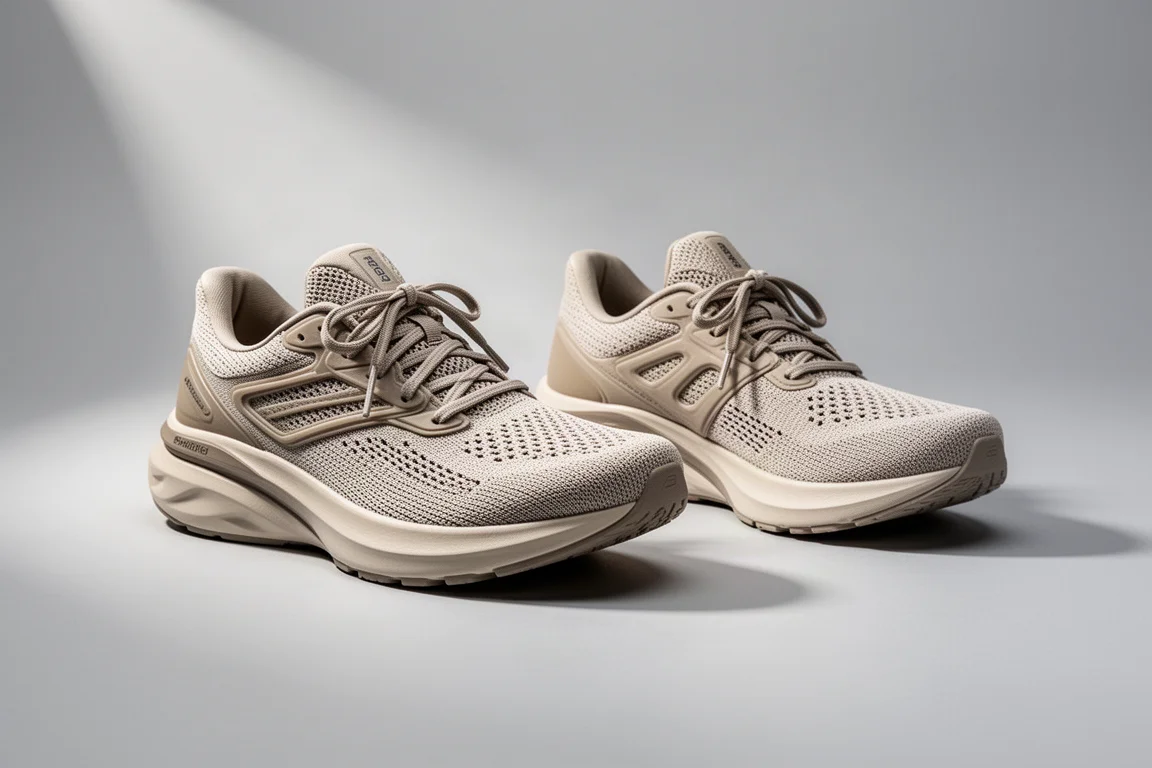
The ASICS Gel Nimbus line is one of the longest-running premium neutral daily trainers on the market, and it has built a loyal following thanks to its plush, cushioned ride. The Nimbus 27 and Nimbus 28 are the two most recent versions, and while they share the same stack height on paper, they are surprisingly different shoes under foot.
This comparison is aimed at two groups: runners deciding between the two for the first time, and Nimbus 27 owners wondering whether to grab another pair on sale or upgrade to version 28. The short answer: they suit different runners, and the difference is bigger than a typical yearly update.
Two Very Different Shoes
On paper, the Nimbus 28 was supposed to be primarily an upper update with an outsole change. In practice, it feels like a complete redo and a completely different shoe. The Nimbus 27 is soft, smooth and comfort-focused. The Nimbus 28 is lighter, firmer and snappier, with a much more versatile feel at faster paces.
If you loved the classic Nimbus personality, that matters. If you want more pace versatility from your daily trainer, that matters even more.
Stack Heights and Specs
In men’s size 10, both shoes claim identical stack heights: 43.5 mm in the heel and 35.5 mm in the forefoot for men, or 42.5 mm and 34.5 mm for women. The weight is where things change dramatically.
The Nimbus 27 weighs 311 g (about 11 oz) in men’s size 10. The Nimbus 28 comes in at 284 g (about 10 oz), a substantial saving that shapes the entire character of the shoe. Some runners found the 27 heavy; the softer, bouncier midsole helped offset that on easy runs, but the weight was noticeable.
Measured drop is another story. The Nimbus 27 is spec’d at an 8 mm drop, though it feels more like 8 to 10 mm in use. Independent teardown measurements of the Nimbus 28 found an actual drop of around 5 mm, which matches how it feels. Runners who are sensitive to drop, particularly through the calves and Achilles, should take note.
Midsole and Ride: Soft Versus Firm
The Nimbus 27 uses FF Blast Plus foam with a Pure Gel heel insert, producing a soft, bouncy and genuinely comfortable ride from heel to toe. It shines for long runs, easy runs and recovery runs. You can push the pace a little, but the weight holds it back from true uptempo work, and that is not what it is designed for. There is a great heel bevel and an early forefoot rocker that makes transitions smooth, though a bit of posterior flare made it feel slightly clunky before breaking in.
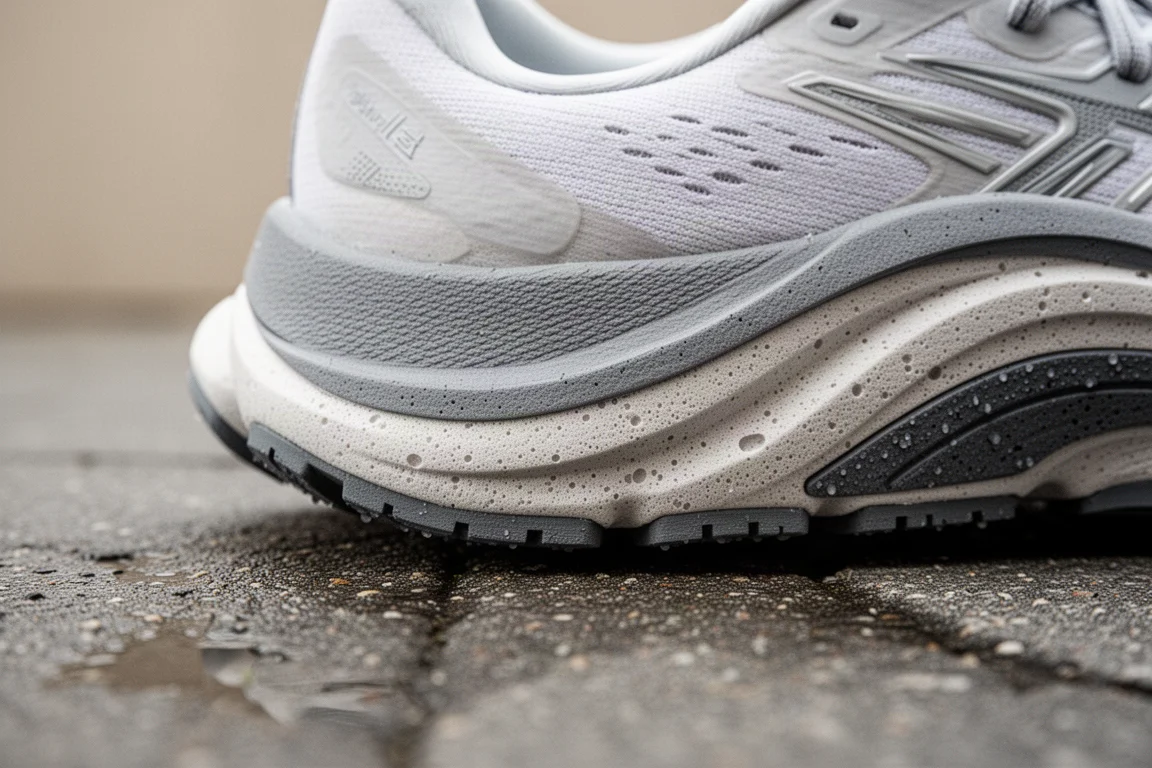
The Nimbus 28 is a different animal. Despite having less outsole material, which usually means a softer ride, the midsole is noticeably firmer. The forefoot rocker sits later than in the 27, which stiffens the ride further, and the whole shoe feels snappier and more responsive. Around half of the testing miles in the 28 came from workouts, and it handled them well. It is not a full race shoe, but runners who do not get along with super foams may find it works as a marathon shoe. For most people, it is simply a more versatile daily trainer that trades away some of the premium plushness.
The firmer feel and later rocker have one medical caveat. If you have toe mobility issues such as hallux rigidus or arthritic changes in the big toe joint, an early, longer forefoot rocker like the Nimbus 27’s can replace the 60 to 90 degrees of toe extension needed for normal gait, giving a smoother transition. A later rocker, like the 28’s, can increase load on the forefoot if the stiffness does not match your mechanics. Some forefoot soreness was noticed in the 28. If you do well with earlier rockers, the 27 is likely the better choice; if you tolerate extra forefoot stiffness, the 28 can work.
Stability: Both Are Quietly Stable
Both shoes are very stable for neutral trainers. They have wide bases, completely filled-in midfoots that add stiffness, and large sidewalls on both the lateral and medial sides. Long runs are easy in either shoe thanks to that inherent stability.
The Nimbus 28 is slightly more stable because firmer shoes reduce lateral translation and torsional flexibility. If you want a stable neutral shoe but are not interested in a Kayano, GT-2000 or similar support models, both versions perform well here, with the 28 holding a small edge.
Upper and Fit
The uppers share a similar overall fit but behave differently over time. The Nimbus 27 uses a double jacquard mesh that is firmer and holds its structure very consistently. The Nimbus 28 uses a recycled knit upper that feels more snug initially but stretches out over the first miles, opening up the forefoot. However, a toe guard keeps the toe box tapered on the 28, so runners with bunions or hallux valgus may find it less accommodating, while those who simply need forefoot width might actually prefer it.
Both shoes have thin tongues, but the 28’s is thinner. Combined with a slightly wider midfoot, locking the laces down in the 28 can cause lace bite, a pressure irritation on the top of the foot that typically settles within 24 to 48 hours once lacing is loosened. The 27 has extra tongue padding and avoids this. The 27 also has generous heel collar padding for a snug, secure feel, while the 28 has less padding there plus extra rearfoot padding. Both have very stiff heel counters, but the padding means most runners, including those with haglund’s deformity, should be fine unless they are highly sensitive.
Durability and Long-Term Impressions
The Nimbus 27 is a tank. The full-length outsole coverage stays put and handles wear well, and the midsole maintains its softness with minimal breakdown over 140 miles of testing.
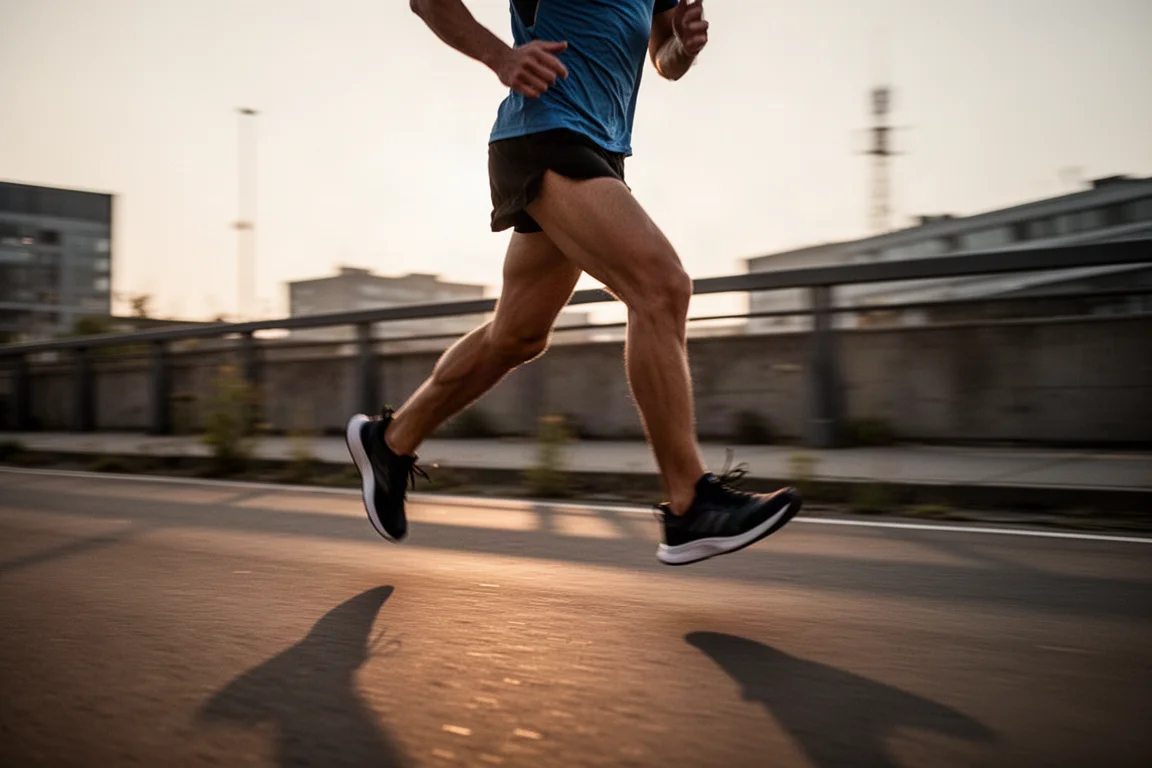
The Nimbus 28 is still being broken in at 50 miles, and it is holding up well so far with no tears and only modest wear on the exposed outsole. There is a concern about the reduced outsole material and the exposed midsole sections, so a longer-term verdict is still pending. Based on what is visible so far, the Nimbus 27 is likely to last longer.
Which One Should You Buy?
Choose the Nimbus 27 if you want a smooth, soft, comfortable daily trainer for easy runs, long runs and recovery days, prefer an earlier, smoother forefoot transition, value a consistent structured upper and generous padding, and care most about proven durability.
Choose the Nimbus 28 if you want a lighter, snappier trainer with more pace versatility, need extra forefoot width and do not mind a tapered toe box, tolerate a firmer ride and a lower effective drop, or own the 27 and want something genuinely different rather than a repeat pair.
Conclusion
These are two good shoes built for different runners. The Nimbus 27 remains the plush, smooth comfort choice with excellent durability, while the Nimbus 28 trades softness for lightness, snap and versatility. Matching the shoe’s character to your own mechanics, paces and fit preferences is the surest way to pick the right one.
Product link
View more details for ASICS Gel-Nimbus 27
This product is mentioned in the review. Check the specifications, options, and compatibility before buying.
View more details for ASICS Gel-Nimbus 27Further reading
Related Reviews

Running Shoes
Best Road-to-Trail Running Shoes: Three Versatile Options for Mixed Terrain
A practical guide to three road-to-trail running shoes that handle both pavement and mild trails, with clear strengths and trade-offs for different runner types.

Running Shoes
Best Running Shoes for Achilles Tendonitis: Three Options Explained
Three running shoes with different heel drops and support features designed to help reduce Achilles tendon pain during walking and running.

Running Shoes
Best Running Shoes for Women: Five Top Choices Ranked
A ranked guide to five women's running shoes, from versatile daily trainers to high-performance racing options, with real strengths and trade-offs for each.