Running Shoes
ASICS GEL Nimbus 26 vs GEL Kayano 30: Which Max-Cushion Trainer Should You Buy?
ASICS' two most expensive daily trainers have converged in design, so the choice now comes down to stability. Here is how the GEL Nimbus 26 and GEL Kayano 30 compare.
Introduction
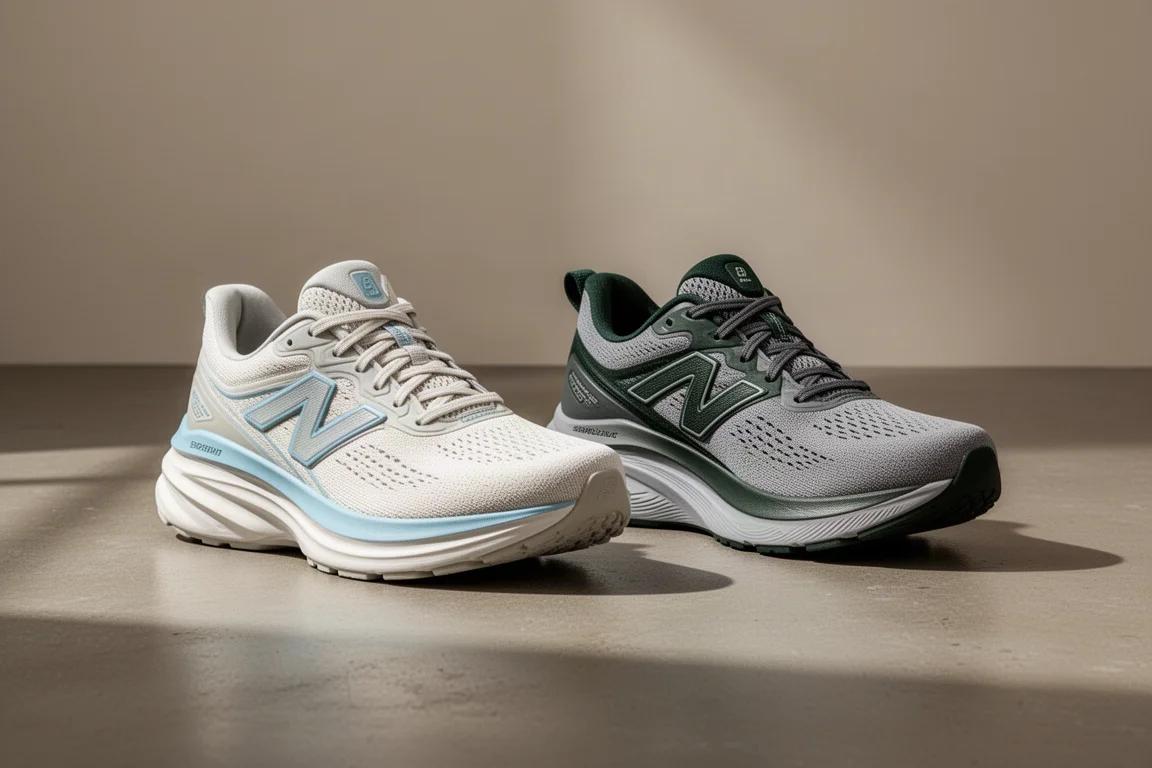
The ASICS GEL Nimbus 26 and GEL Kayano 30 sit at the top of the ASICS training shoe range: the Nimbus is the flagship cushioned neutral shoe, while the Kayano is the flagship cushioned stability shoe. Historically these two were quite different animals, but over the last couple of generations they have moved closer together in design, and that makes choosing between them genuinely interesting.
After putting serious mileage into both, including a side-by-side mile with one shoe on each foot, the headline finding is simple: the differences are minimal, and the decision largely comes down to whether you need stability support or not.
Price, Weight and Spec Comparison
On paper these shoes are almost identical. Both cost £180 in the UK and $160 in the US, which is a brutal conversion if you are buying in the UK. Weight is nearly the same too: the Kayano 30 comes in at 315g (11.1oz) in a UK 9, while the Nimbus 26 is 318g (11.2oz).
There are small geometry differences. The Kayano 30 has a 10mm drop with a 40mm heel stack and 30mm at the forefoot. The Nimbus 26 has a slightly lower 8mm drop but a higher overall stack of 42mm at the heel and 34mm at the forefoot.
Midsole and Stability Features
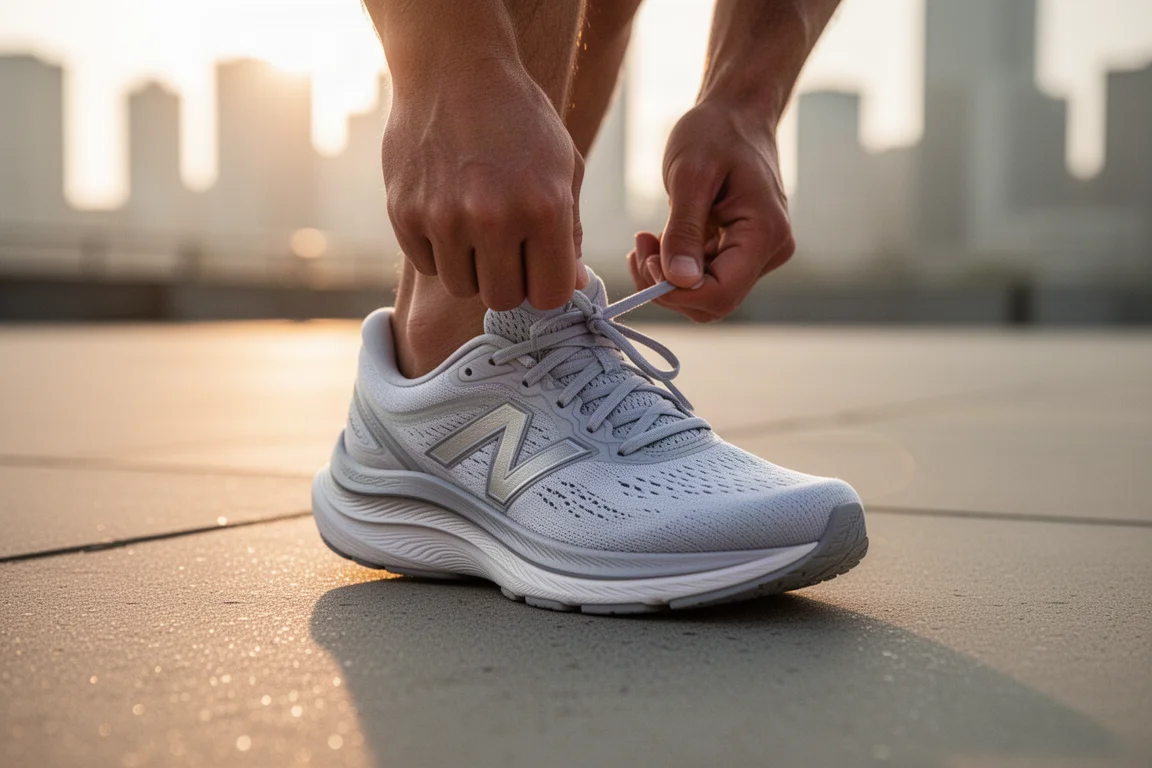
Both shoes share a lot of midsole DNA. Each uses a big stack of ASICS’ FF Blast Plus Eco cushioning with a touch of PureGEL under the heel, plus foam sidewalls and a wide base for inherent stability.
The Kayano 30 adds slightly more stability features aimed at runners who overpronate. Instead of a traditional firm medial post, it uses the 4D Guidance System: a combination of a wider base, sidewalls, a prominent heel bevel to guide landings, and a patch of livelier foam on the medial side that springs the foot back into a neutral position rather than blocking it. The result is a stable shoe that is not obtrusively stable, making it better than older-style stability shoes for neutral runners too.
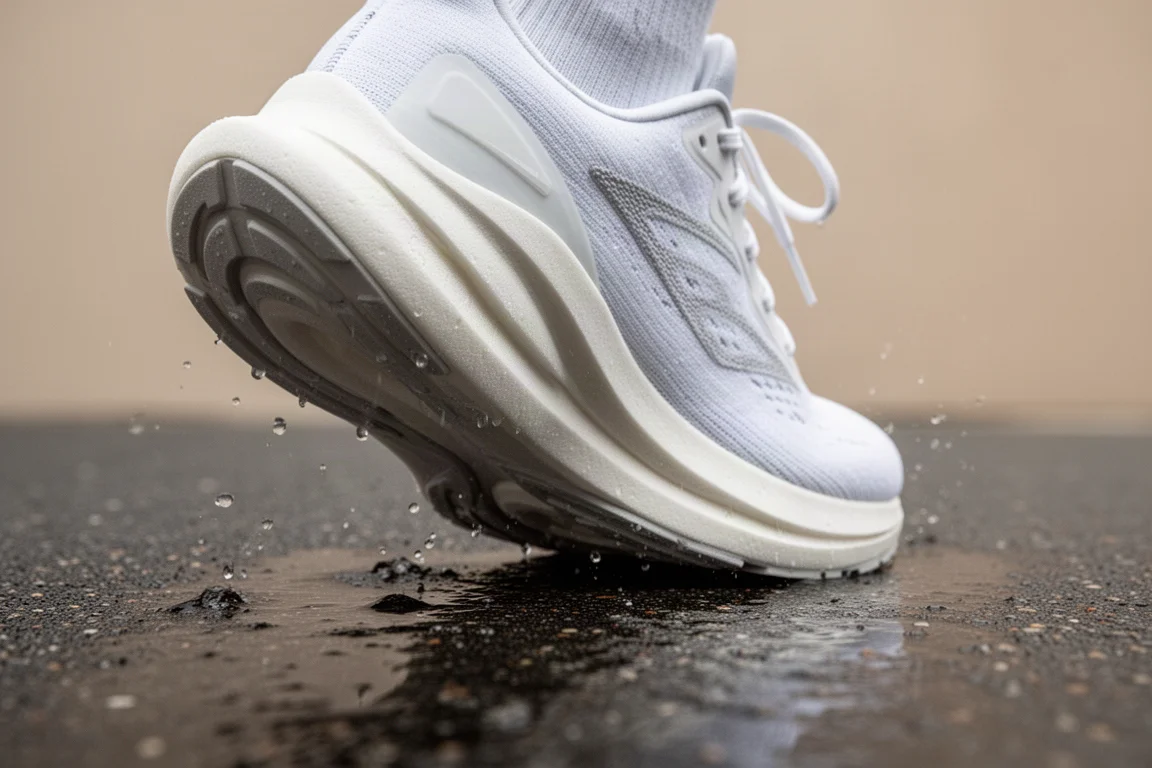
Up top, both shoes get knit tongues and knit uppers, heavy padding around the tongue and collar, and firm internal heel counters. The outsoles differ: the Nimbus 26 gets a new mix of ASICS Grip and AHAR Plus rubber intended to improve on the grip of the AHAR-only outsole of the Nimbus 25, which some found slippery on greasy pavements. The Kayano keeps a firmer AHAR Plus rubber at the back and a softer compound further forward. In real-world testing, the grip difference was not dramatic.
Fit and Sizing
Both shoes run true to size and offer a snug, hugging fit with a very secure heel collar hold, no slipping across the top of the foot, and good midfoot lockdown without lace pinch. The toe box is just about roomy enough in a good way, with enough space for toes to avoid cramping on long runs. The fit is almost like for like between the two, so you can confidently order your regular running shoe size in either.
On-the-Run Performance
Testing covered more than 35 miles in each shoe, mostly easy, low and slow running, with some faster efforts and light off-road park paths and river trails mixed in. Both shoes shine as comfort-focused cruisers, best suited to easy runs, long run comfort and recovery miles. Their size and weight mean neither is the best choice if you want to up the pace, and neither offers the responsive, snappy ride of premium super daily trainers.
In the side-by-side mile, the uppers, heel hold, lockdown and overall foot feel were pretty much identical. The Kayano felt a tiny bit softer underfoot, possibly from its footbed. The one real difference is that the Nimbus 26 is a noticeably slappy shoe: it audibly slaps the ground and feels slightly disconnected, which can be interruptive on the run. The Kayano 30 does not have that issue.

The Nimbus 26’s new outsole does come with a trade-off: the ride is slightly slappier and less comfortable under the forefoot on long runs or faster paces than both the Kayano 30 and the older Nimbus 25, and grip improvements were marginal. Both shoes can feel a little squirrely on greasy pavements in the first couple of runs until the outsole roughs up, after which grip is perfectly fine.
Buying Advice
If you need stability, the Kayano 30 is the obvious pick, and its support is now subtle and unobtrusive enough that even neutral runners enjoy it, especially at the end of long runs. If you are a neutral runner, the Nimbus 26 is the better option and arguably the better shoe overall, with a somewhat smoother ride, a touch more responsiveness and slightly more agility despite the slappy outsole.
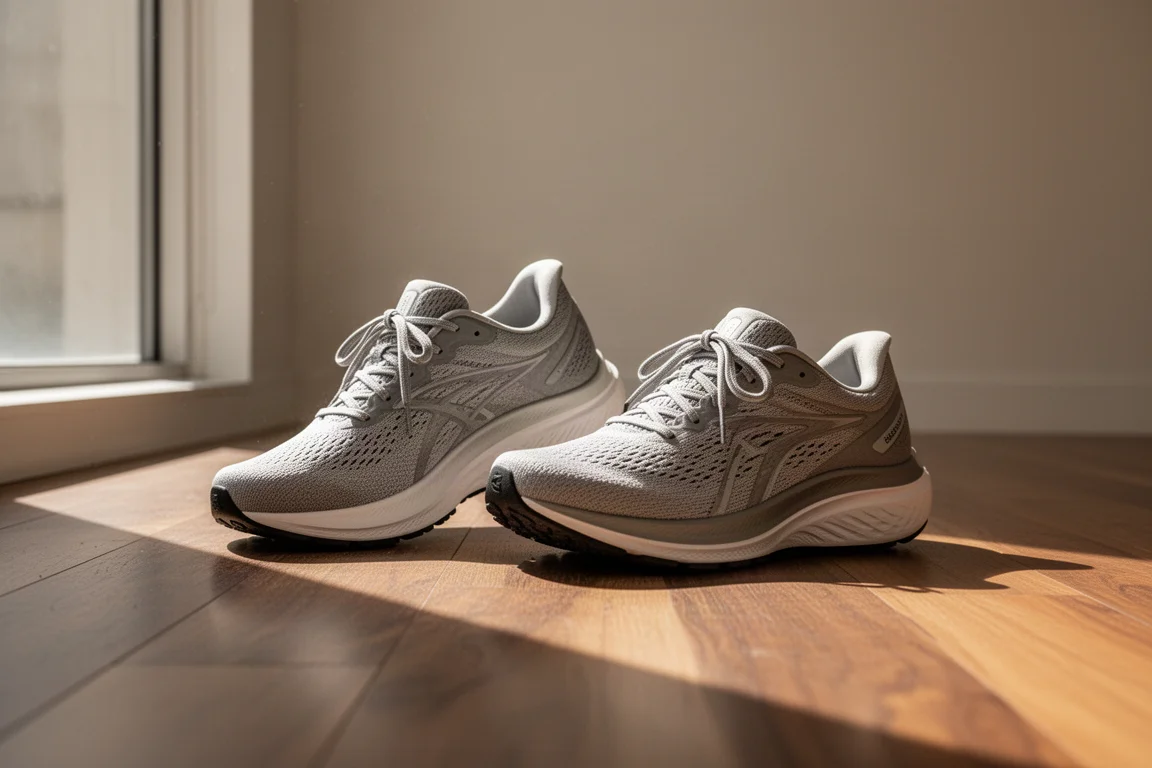
Neither is particularly unstable, so neutral runners should not be put off by the Kayano’s stability badge or the Nimbus’ high stack. If you are racking up marathon training miles at slow paces, the extra support of the Kayano is no bad thing. Alternatives worth considering include the Saucony Tempus and Brooks Adrenaline GTS (as stability-leaning options), the Nike Invincible 3, the Brooks Glycerin as a soft nimble neutral option, and the Saucony Ride 17 for more versatility. Notably, the older GEL Nimbus 25 may rate best of the trio for a pure big-cushion easy-run shoe, so it is worth shopping on price.
Conclusion
The GEL Nimbus 26 and GEL Kayano 30 both deliver cushioned, protective rides geared towards slower daily miles, long runs and recovery days. With the design gap between them now nearly closed, the choice comes down to stability: get the Kayano 30 if you need or want the support, and the Nimbus 26 if you run neutral and want the slightly smoother, softer ride. If choosing between them purely on value at full price, either is a safe bet, and the outgoing Nimbus 25 is also well worth a look.
Product link
View more details for Asics GEL Nimbus 26
This product is mentioned in the review. Check the specifications, options, and compatibility before buying.
View more details for Asics GEL Nimbus 26Further reading
Related Reviews

Running Shoes
Best Road-to-Trail Running Shoes: Three Versatile Options for Mixed Terrain
A practical guide to three road-to-trail running shoes that handle both pavement and mild trails, with clear strengths and trade-offs for different runner types.

Running Shoes
Best Running Shoes for Achilles Tendonitis: Three Options Explained
Three running shoes with different heel drops and support features designed to help reduce Achilles tendon pain during walking and running.

Running Shoes
Best Running Shoes for Women: Five Top Choices Ranked
A ranked guide to five women's running shoes, from versatile daily trainers to high-performance racing options, with real strengths and trade-offs for each.