Running Shoes
ASICS GEL-Nimbus 26 vs GEL-Cumulus 26: Which Neutral Daily Trainer Fits Your Running?
Two neutral daily trainers from the same lineup with noticeably different rides. Here is how the softer Nimbus 26 and the snappier Cumulus 26 compare for easy runs, workouts, fit, and durability.
Introduction
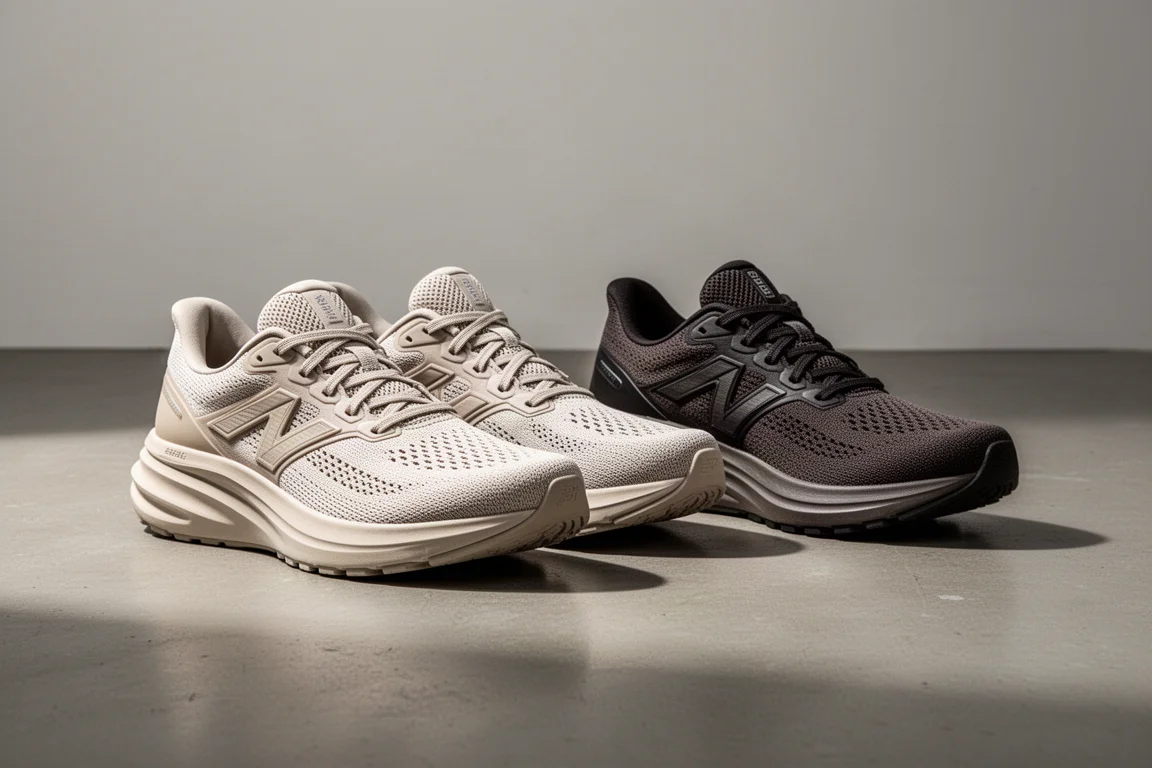
The ASICS GEL-Nimbus 26 and GEL-Cumulus 26 sit side by side as the brand’s standard neutral daily training shoes. One is the premium cushioning option, the other the more conventional trainer, with the Nimbus costing about $20 more. Both are solid updates in their own right, but they feel surprisingly different on foot, so choosing between them comes down to how you actually run.
Specs at a Glance
The Nimbus 26 weighs 10.7 oz for men in size 9 and 9.3 oz for women in size 8. The Cumulus 26 is lighter at 9.0 oz for men size 9 and 7.8 oz for women size 8. Stack height is 41.5 mm in the heel and 33.5 mm in the forefoot for the Nimbus, while the Cumulus comes in at 38 mm heel and 30 mm forefoot. Both use an 8 mm drop, so the main difference here is simply more foam underfoot in the Nimbus.
Ride and Cushioning
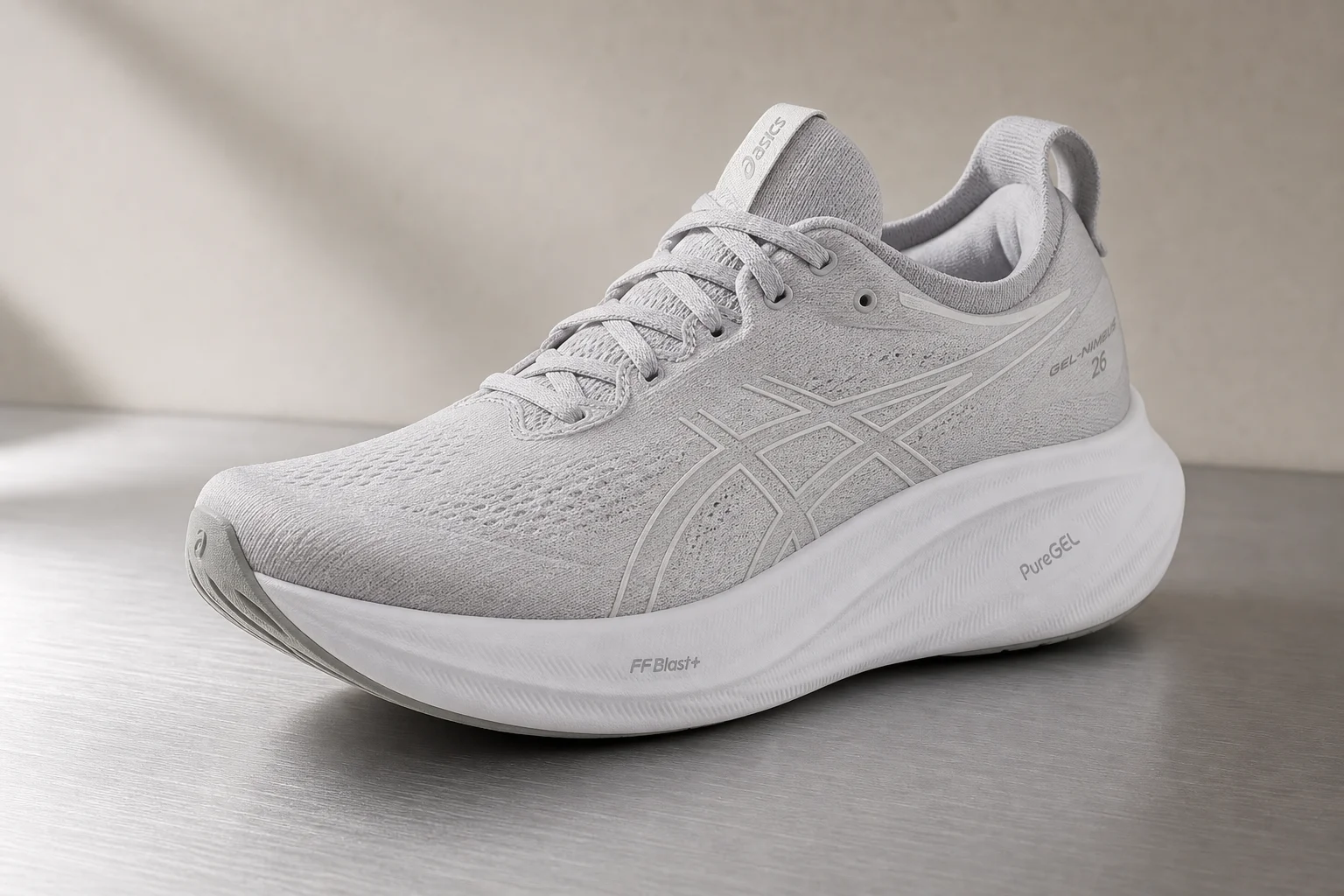
The midsole foam is the same in both shoes: FF Blast with some PureGel in the heel. Yet the rides could not feel more different. The Nimbus feels like the premium cushion shoe it is, noticeably softer and more compliant from the first step, which immediately signals it is built for easier efforts and longer runs.
The Cumulus, despite lacking an outsole layer that should theoretically make it softer, is slightly firmer and clearly snappier. It works fine for daily miles but also handles uptempo days and faster workouts well thanks to its lower weight and aggressive geometry.
Geometry and Stability
Both shoes use rocker geometry, but the details differ. The Nimbus heel feels slightly clunky at first due to a bigger posterior flare, though this breaks in, and the forefoot is smooth with a touch of stiffness that could actually help runners with toe mobility issues.
The Cumulus has the smoother rearfoot transition with a nicely shaped heel bevel, rolling into a more flexible forefoot with substantial toe spring and a large forefoot rocker. It rolls off the forefoot aggressively, which is why faster running feels so good in it. It is not a true racing shoe, but it is a genuine daily trainer that can pick up the pace.
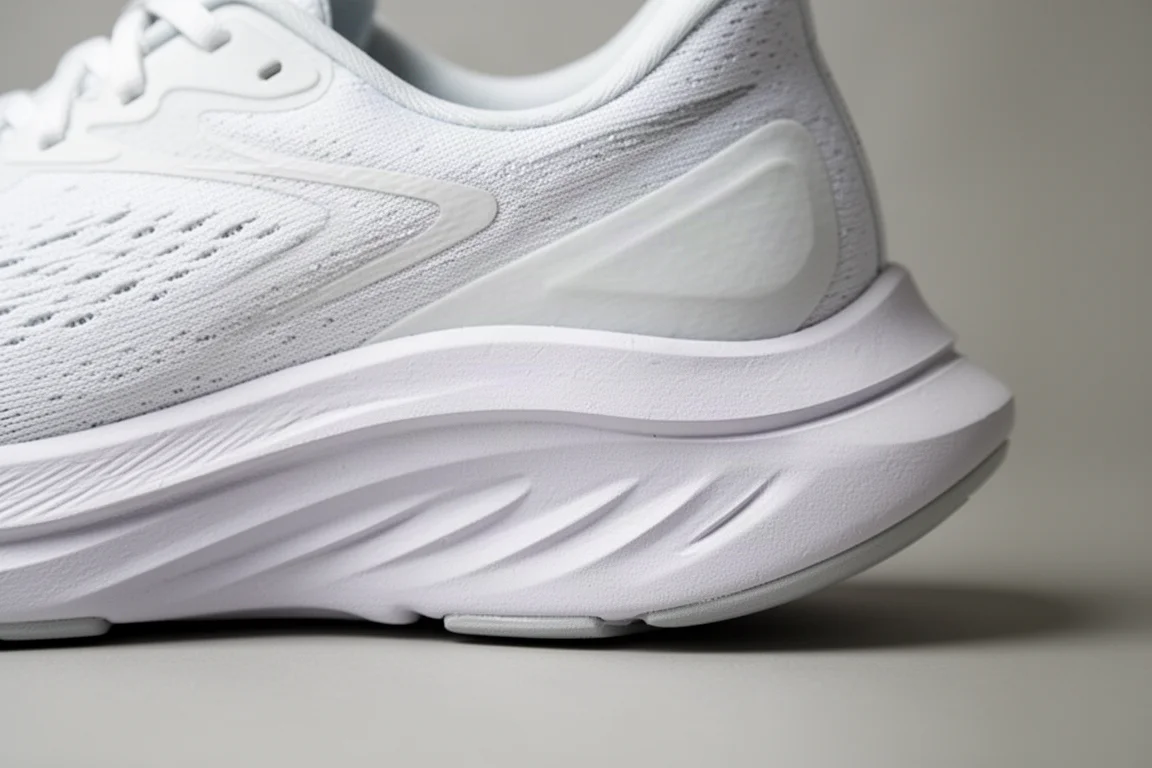
On stability, the Nimbus is a very neutral ride with only mild sidewalls and a wider sole. The Cumulus has significant sidewalls in the heel, so if you want some heel guidance it delivers a really centered ride, while the forefoot stays fairly neutral. If you dislike sidewalls, the Nimbus is the safer pick.
Fit and Comfort
The Nimbus fits very true to size with a stretchy mesh upper that offers extra volume and height over the midfoot. The Cumulus actually has a bit more width but a more tapered toe box, and its aggressive toe spring shortens the feel, making it run about a half size small for some testers. It also needed roughly 30 miles for the upper to break in, so trying it on before buying is a good idea.
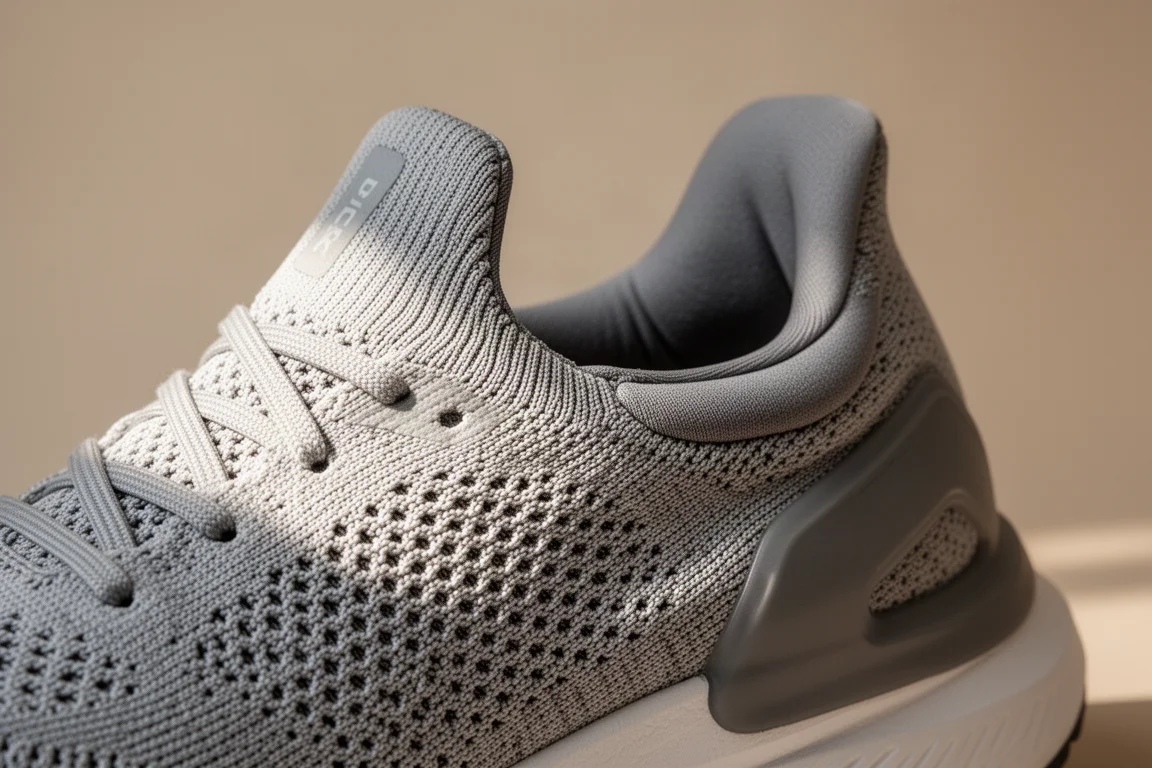
Both have padded heels and stiff heel counters, with no slippage issues. The Nimbus offers more heel cushioning, making it the better choice for sensitive heels, and neither is ideal for Haglund’s deformity, though the Nimbus again edges ahead with extra padding.
Durability
This is where the two shoes diverge most. At around 50 miles, the Nimbus outsole shows barely any wear and looks likely to hold up for a very long time, making it the shoe that will deliver better long-term value.
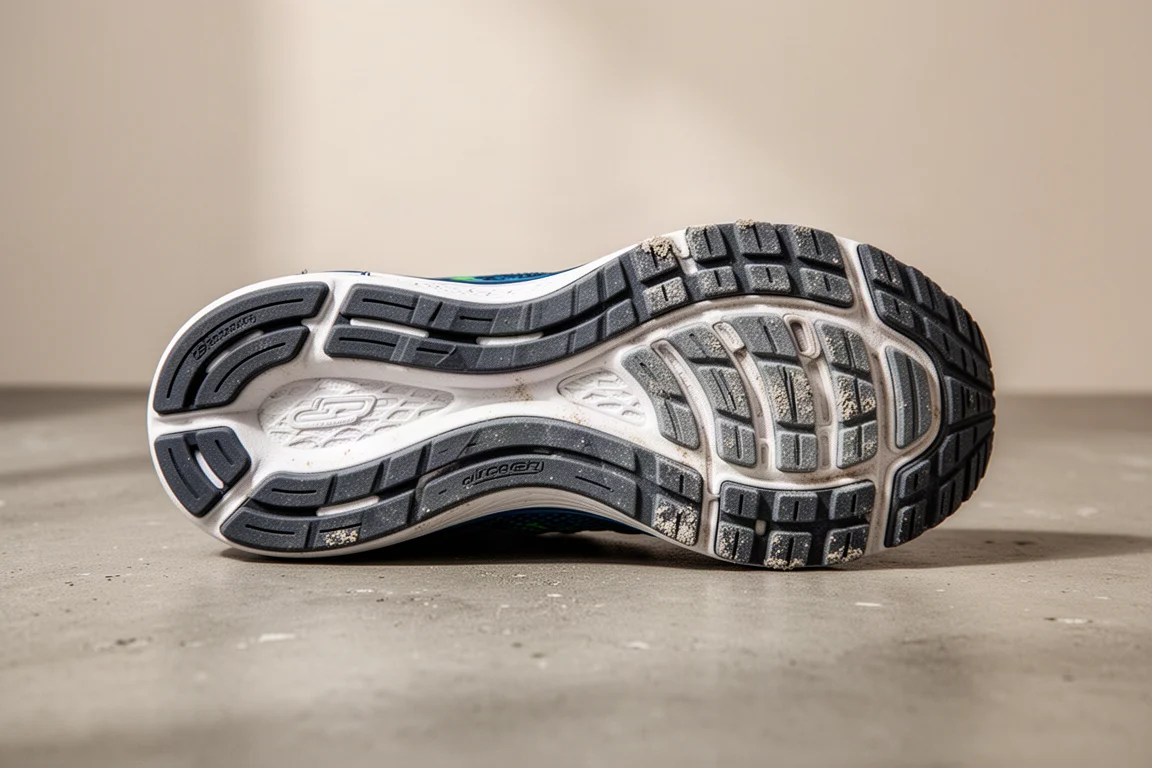
The Cumulus, by contrast, has exposed outsole areas wearing fairly quickly, so its durability lands closer to average, especially for runners who grind through outsoles.
Buying Advice
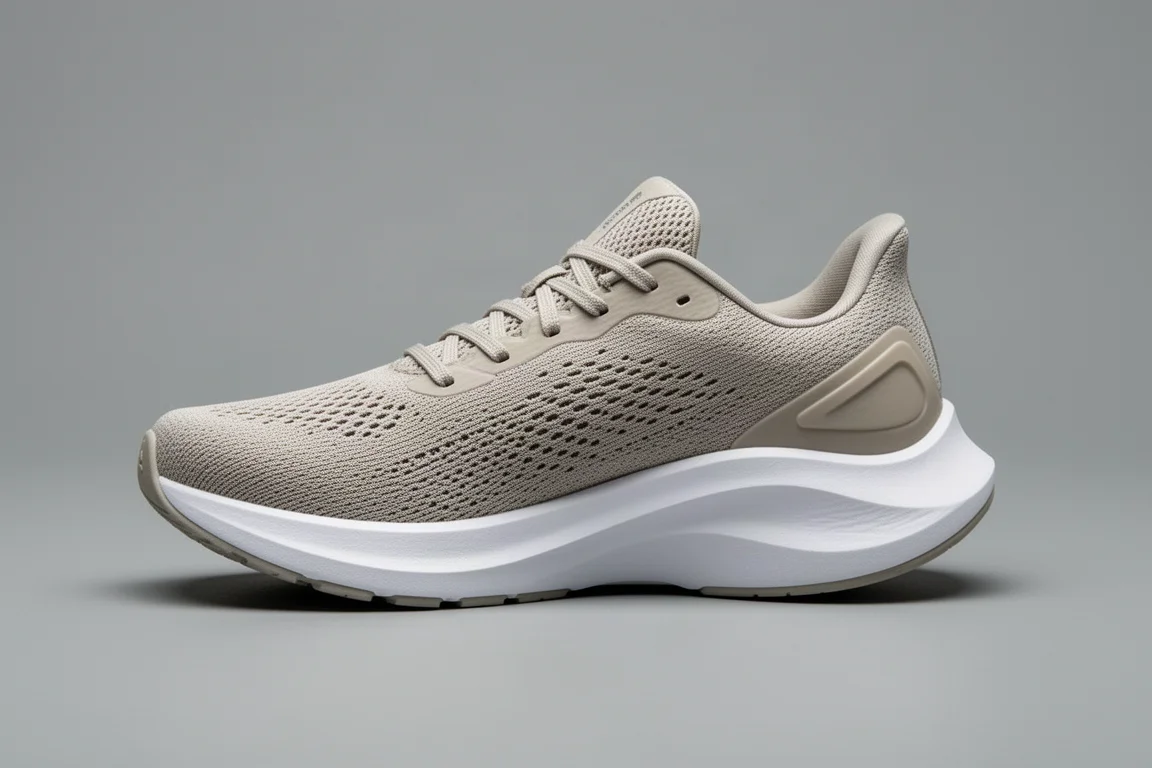
Pick the Nimbus 26 if your running is built around easy miles and longer runs, and if you value durability and a roomier upper. Choose the Cumulus 26 if you want a lighter, snappier trainer that can also handle faster workouts, and if you appreciate a smoother heel or need a touch of heel guidance.
Conclusion
Both shoes are excellent updates, but they serve different runners. The Cumulus is the versatile option for daily training with pace work, while the Nimbus rewards runners who want maximum cushioning, better durability, and a shoe tuned for longer, easier running.
Further reading
Related Reviews

Running Shoes
Best Road-to-Trail Running Shoes: Three Versatile Options for Mixed Terrain
A practical guide to three road-to-trail running shoes that handle both pavement and mild trails, with clear strengths and trade-offs for different runner types.

Running Shoes
Best Running Shoes for Achilles Tendonitis: Three Options Explained
Three running shoes with different heel drops and support features designed to help reduce Achilles tendon pain during walking and running.

Running Shoes
Best Running Shoes for Women: Five Top Choices Ranked
A ranked guide to five women's running shoes, from versatile daily trainers to high-performance racing options, with real strengths and trade-offs for each.