Running Shoes
Asics Gel Nimbus 25 vs Novablast 3: Which One Deserves a Spot in Your Rotation?
Two Asics cushioned trainers with very different personalities. We break down fit, ride, grip and value so you can pick the right one.
Introduction
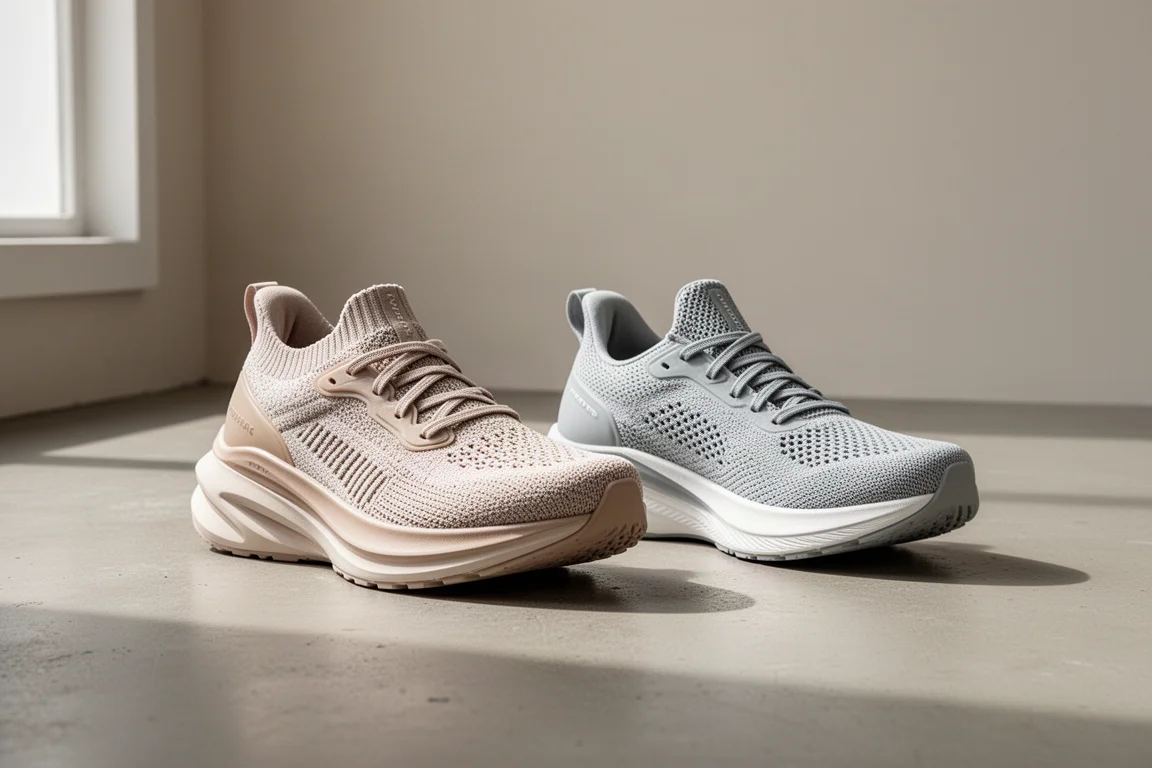
The Asics Gel Nimbus 25 and the Asics Novablast 3 look like close cousins on paper, but they serve noticeably different purposes. The Nimbus 25 is a max cushion shoe built with comfort in mind, while the Novablast 3 is positioned as a daily trainer with a slightly lighter, more responsive feel. Both share an 8mm heel-to-toe drop and an Asics AHAR outsole, yet testers came away with quite different impressions of each. This comparison walks through the key differences, the kinds of runs each shoe does best, and which one makes more sense depending on your rotation.
Key Differences at a Glance
The Novablast 3 comes in cheaper than the Nimbus 25 in both the UK and the US, so value naturally favours the lighter shoe. Weight also goes to the Novablast 3, which weighs in lighter in both the men’s and women’s versions.
In the midsole department, Asics uses FF Plus Ecobloss on the Nimbus 25 and FF Blast Plus on the Novablast 3, which directly influences the types of runs these shoes excel at. Up top, the Nimbus 25 gets a knit upper while the Novablast 3 uses Jacqard mesh. Both feature an AHAR outsole for strong grip on dry and wet roads and pavements.
Fit and Sizing
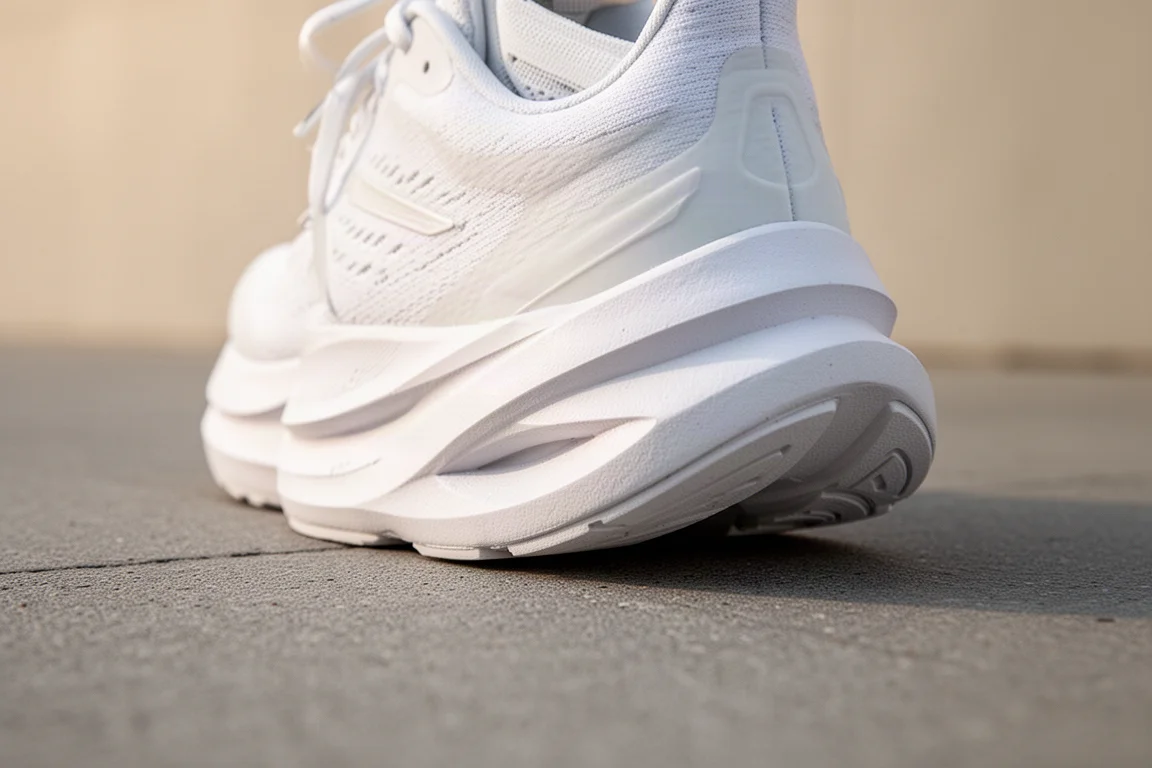
Both shoes run quite roomy, but in different ways. On the Nimbus 25, the roominess feels about right for a big cushion shoe used for easy runs, and the recommendation is to go true to size. Testers found good space up front in the toes, solid hold around the midfoot and heel, and a knitted upper that hugs the feet in the right places. The sock line adds to the plush feel.
The Novablast 3 is perhaps a tad too roomy, with a toe box that runs a little long. Going half a size down could give you a slightly better fit. The mesh upper sits a little differently on the foot compared to the Nimbus 25 and feels a bit more supportive and structured. There were no complaints about midfoot or heel hold on either shoe.
Asics Gel Nimbus 25: Comfort First
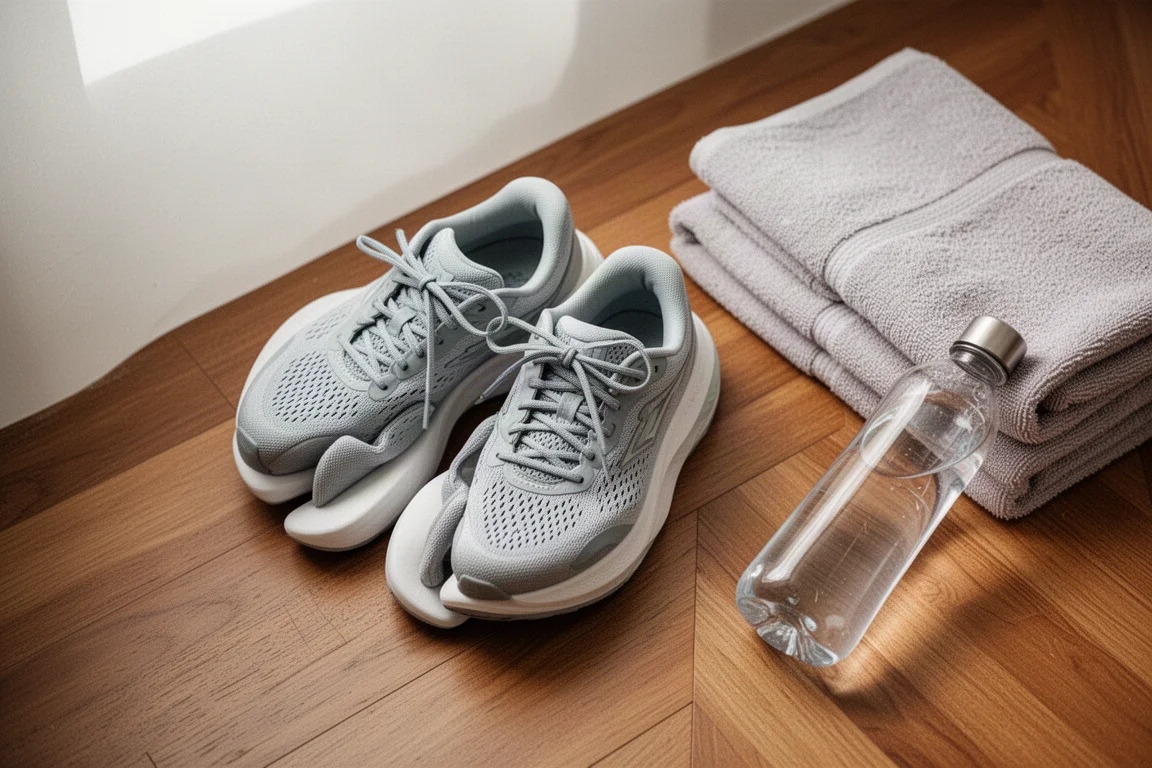
The Gel Nimbus 25 is built with comfort in mind and does not pretend to be a versatile do-it-all trainer. It shines on easy and long runs where the priority is a smooth, plush ride. The cushioning underfoot caters clearly to going easy, and the knit upper plus the sock line make slipping it on and cruising along a genuinely pleasant experience.
What it gives up is pace flexibility. Testers found it a bit of a struggle to run quicker in the Nimbus 25, and the ride felt a little flat when picking the pace up. Impressions of the shoe warmed over time too: the first run felt a bit boring and dull, but it grew into a favourite for long easy runs on tired legs at the end of the week. It is fairly soft without being overly squishy or unstable, has a little bit of sink-in but not a huge amount, and protects the body well on long runs while staying out of the way. Within the max cushion category, it stands among the best available, going up against shoes like the New Balance More v4 and the Nike Invincible 3.

View more details for Asics Gel Nimbus 25
Asics Novablast 3: The More Versatile Pick
The Novablast 3 brings a bit more energetic bounce and a livelier ride. It is definitely lighter than the Nimbus 25 and more stable than the Novablast 2, which makes it a better shoe for picking the pace up. Testers had no qualms running tempo-style sessions in it, and it handles easy miles smoothly as well.
That said, enthusiasm cooled a little over time. After the first run it felt like a very enjoyable, bouncy, versatile shoe, but the ride dulled for some testers who found it not that enjoyable for faster running. It is not heavy, but it actually runs a bit heavier than it is, feeling a bit big and blocky, while the Nimbus feels lighter than it looks. It is more versatile than the Nimbus, though not by a huge margin, and other daily trainers such as the New Balance Rebel v3, Hoka Mach 5, and Puma Velocity Nitro 2 offer more bounce and more fun at faster paces.
Grip and Outsole Durability
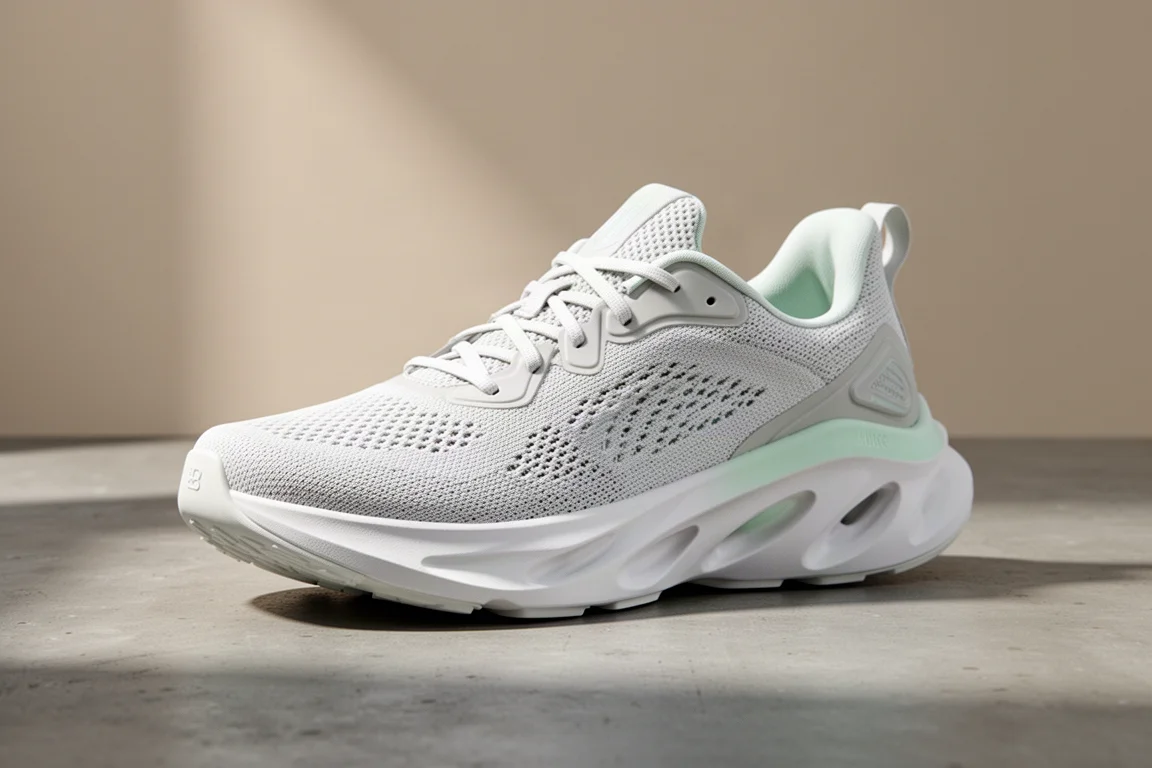
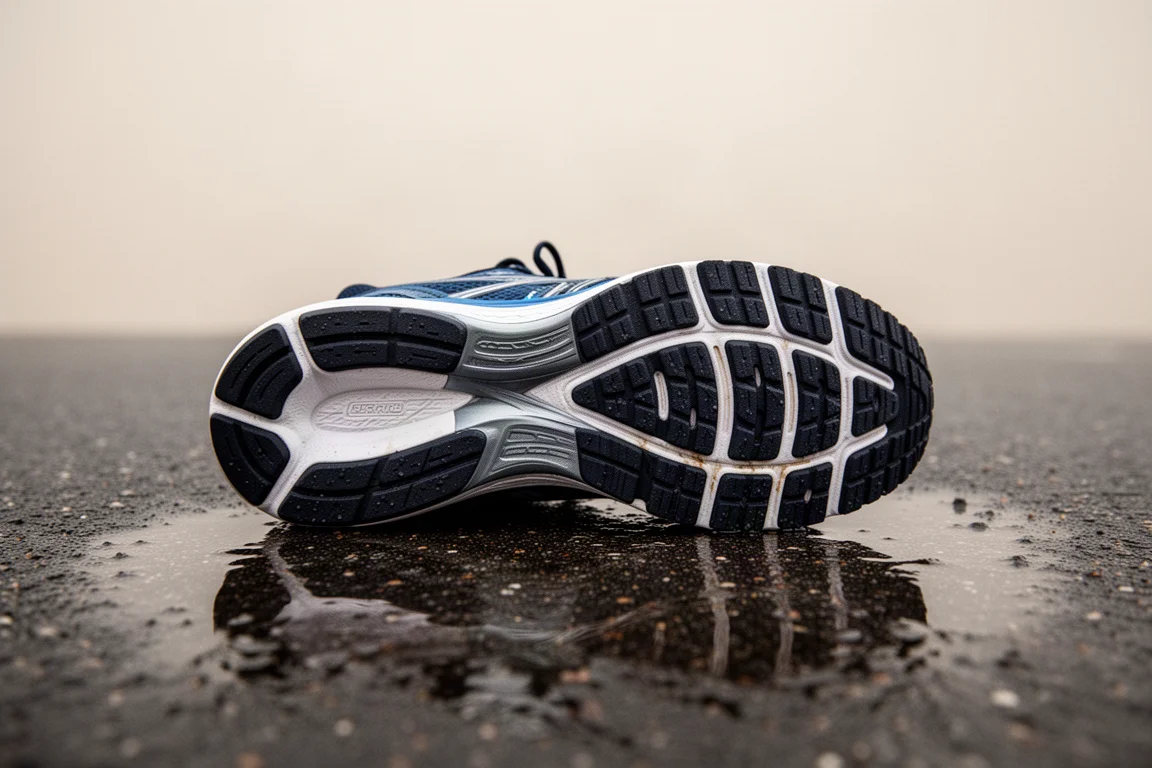
Both shoes use an AHAR outsole and delivered fine grip in dry and wet conditions, though neither is outstanding in that department. One notable quirk: both were very slick on the first run, and the Novablast in particular has drawn criticism for this. The good news is that the outsoles rough up after the first couple of runs, after which there were no problems on pavements and roads, even on wet days.
The Novablast 3’s outsole may offer a little more durability, and its grip felt similar to the Nimbus 25 overall. If you occasionally stray onto lighter trails, the Novablast feels more at home there, while the Nimbus 25 is better kept to road surfaces. The outsoles are similar Asics compounds with different tread patterns, so grip is not a big selling point for either, but it is not a serious negative either once you get past the slick first impression.
Which One Should You Buy?
Here is the interesting part: there is a lot of overlap between these two shoes, and having both in one rotation does not really work. Both lean towards being cushioned shoes for easy runs rather than truly versatile daily trainers.
If you want a cushion cruiser for easy, no-pressure miles, the Nimbus 25 does that job tremendously well and is the pick of the two. If you want a single shoe to cover all your runs, the Novablast 3 is the more versatile choice: it is cushioned enough for easy runs, lighter and more responsive than the Nimbus, and better value at its lower price.
However, if your goal is a well-rounded rotation, the smarter move is to take the Nimbus 25 from this pair and add a genuinely versatile daily trainer from elsewhere. Within Asics’ own range, the Magic Speed 2 pairs nicely with the Nimbus: it fits a bit more narrowly, but offers enough cushioning to run easy in while still feeling nice at quicker paces and even racing.
One more angle: if you do not love max cushion shoes, the Novablast 3 offers a very cushioned but slightly firmer ride that may appeal more than the Nimbus’ massive stack. And if you are purely chasing value, the cheaper Novablast 3 is the better deal.
Conclusion
The Gel Nimbus 25 is a superb max cushion shoe for easy and long runs, and it is the shoe most testers would reach for most often. The Novablast 3 is the lighter, cheaper, more versatile of the two, but it does not stack up strongly against the best daily trainers on the market. Choose the Nimbus for comfort-first cruising, the Novablast if one shoe has to cover everything, and ideally pair the Nimbus with a proper tempo shoe to complete your rotation.
Further reading
Related Reviews

Running Shoes
Best Road-to-Trail Running Shoes: Three Versatile Options for Mixed Terrain
A practical guide to three road-to-trail running shoes that handle both pavement and mild trails, with clear strengths and trade-offs for different runner types.

Running Shoes
Best Running Shoes for Achilles Tendonitis: Three Options Explained
Three running shoes with different heel drops and support features designed to help reduce Achilles tendon pain during walking and running.

Running Shoes
Best Running Shoes for Women: Five Top Choices Ranked
A ranked guide to five women's running shoes, from versatile daily trainers to high-performance racing options, with real strengths and trade-offs for each.