Running Shoes
ASICS Gel Nimbus 25 After 300 Miles: Long-Term Review
Ten months and nearly 300 miles later, this soft recovery trainer has changed character. Here is what held up, what did not, and who should still buy it.
Introduction
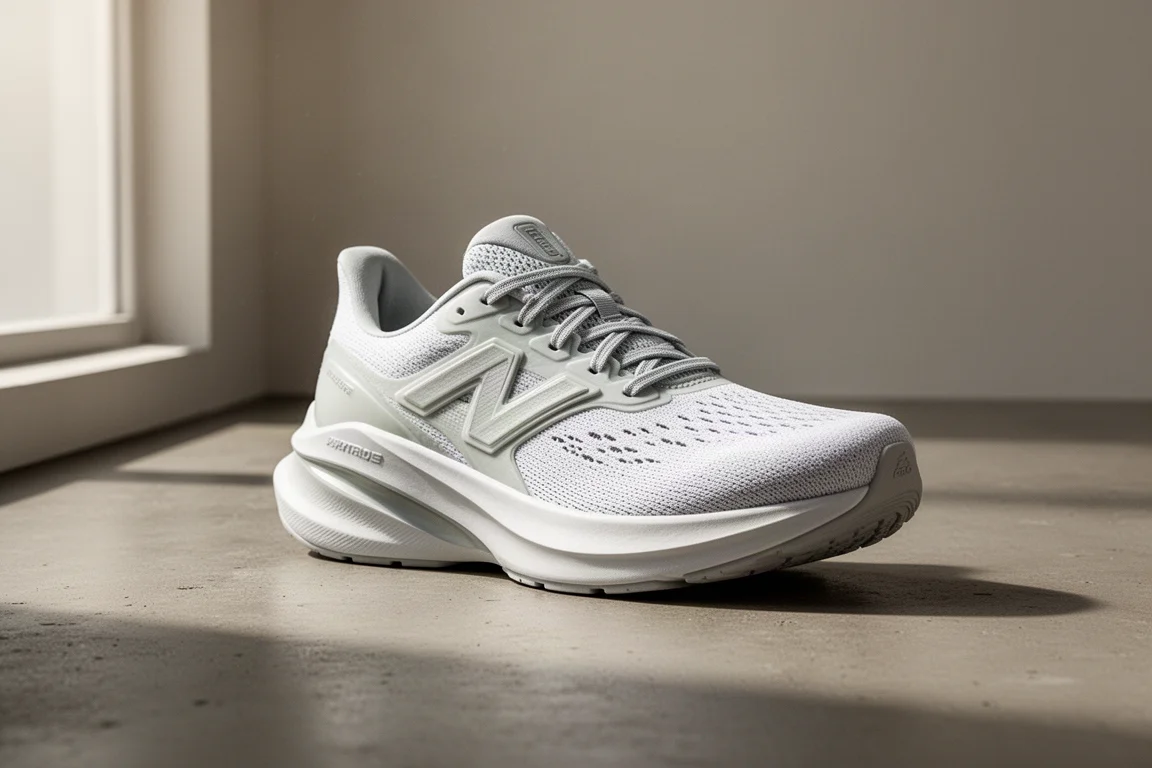
The ASICS Gel Nimbus 25 has now been in regular rotation for ten months, and it has reached the 250 to 300 mile range where many modern running shoes start to lose their edge. This long-term look covers how the shoe has aged, where its performance has dropped off, and whether it still deserves a place in a rotation. The short version: for its first 250 miles it was an excellent recovery running shoe, and now it is transitioning into a different role.
How It Has Been Used
This has been the go-to recovery running shoe throughout a demanding training block, with weekly mileage peaking around 100 miles before tapering to the 80 to 90 mile range. It was worn on the days that mattered most for comfort: morning easy runs of about ten miles and short four to six mile second runs on days when the legs felt completely drained. That is exactly the job a max-cushion recovery shoe is designed for, and for most of its life the Gel Nimbus 25 did it well.
Right out of the box the ride was extremely soft but also responsive, with a rocker shape that made tired legs feel like they were rolling forward rather than sinking in. That combination is what made it such a reliable pick for the hardest days of a training block.
Durability and Construction After 300 Miles
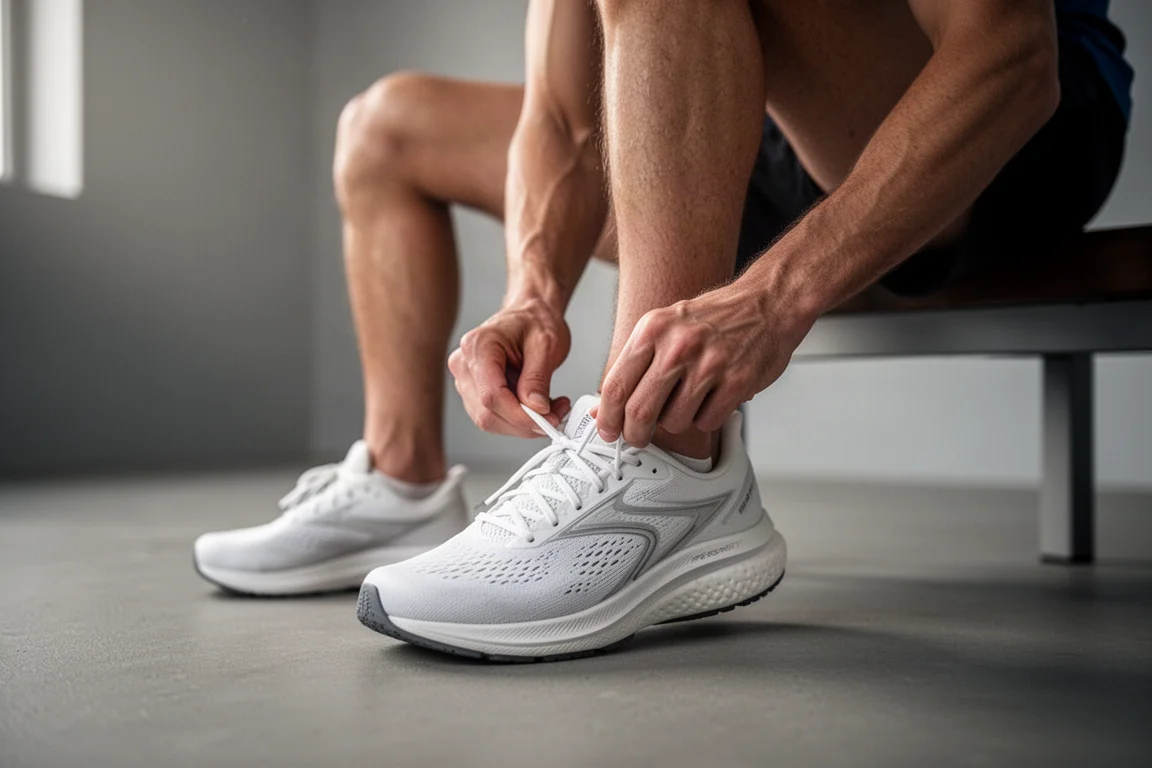
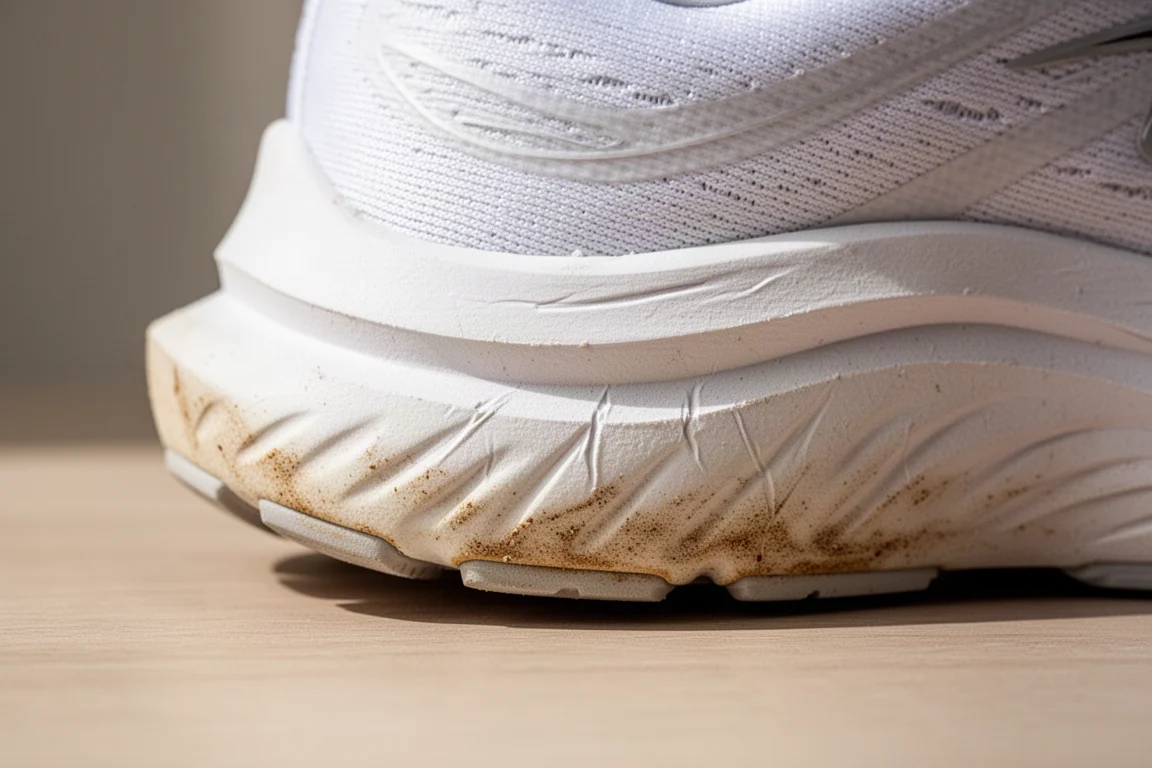
The upper has held up remarkably well. After 250 to 300 miles it still looks nearly new, and the insole has kept its shape better than most shoes at this mileage, where the forefoot sock liner often compresses and loses its structure. The outsole pattern in the forefoot is still fully intact. The main wear is concentrated in the typical high-abrasion zone at the outer rear heel, where the rubber has worn flat and the exposed foam underneath is starting to go as well, with some early crinkling and cracking in the exposed center foam.
The bigger story is the midsole. The high stack of modern foam still feels soft, but it has lost a noticeable amount of its responsiveness and energy return. At roughly 10.1 oz it was already on the heavier end of the recovery and soft daily trainer spectrum, so as the foam has deadened, the ride has developed a quicksand quality where legs feel like they are crumbling into the ground. On the tired days this shoe was built for, that now makes running feel harder than it should.
Breathability is the other weakness. During hot summer mileage in a warm climate, this upper ran noticeably hot. Heading into the cooler months that becomes a non-issue, and the denser upper may even keep feet a touch warmer than a more breathable trainer.
What Comes Next for the Shoe
With about ten good runs left, roughly another 100 miles, the plan is to shift it out of the recovery slot. A shoe that has lost its energy return should not be the pick for fatigued days, since tired legs need the assist. Instead, it can become a serviceable heavier daily trainer on days when energy is high, forcing the muscles to work a bit more, and it still has plenty of casual and walking miles left in it as well.
Should You Buy It?
If you are looking for a very soft, very protective recovery running shoe, the Gel Nimbus 25 is still a good option at $160. Compared directly, it ranks slightly below the Saucony Triumph, which offers a bit more versatility in the same role. There is also no rush to buy a second pair; one run-through of this shoe is enough, and the next recovery slot will likely go to a firmer option such as the Topo Athos or the New Balance 1080 v13.

Buying Advice
The trade-off at the heart of this shoe is common to modern max-stack foams: airy, light cushioning simply does not hold its structure as long as traditional midsoles. At the $160 price, expecting the full experience to last beyond 350 to 400 miles is reasonable, and this shoe falls just short of that mark. Buy it for the first 250 miles of exceptionally pampering, easy running, and plan for it to move into casual or trainer duty afterward.
Conclusion
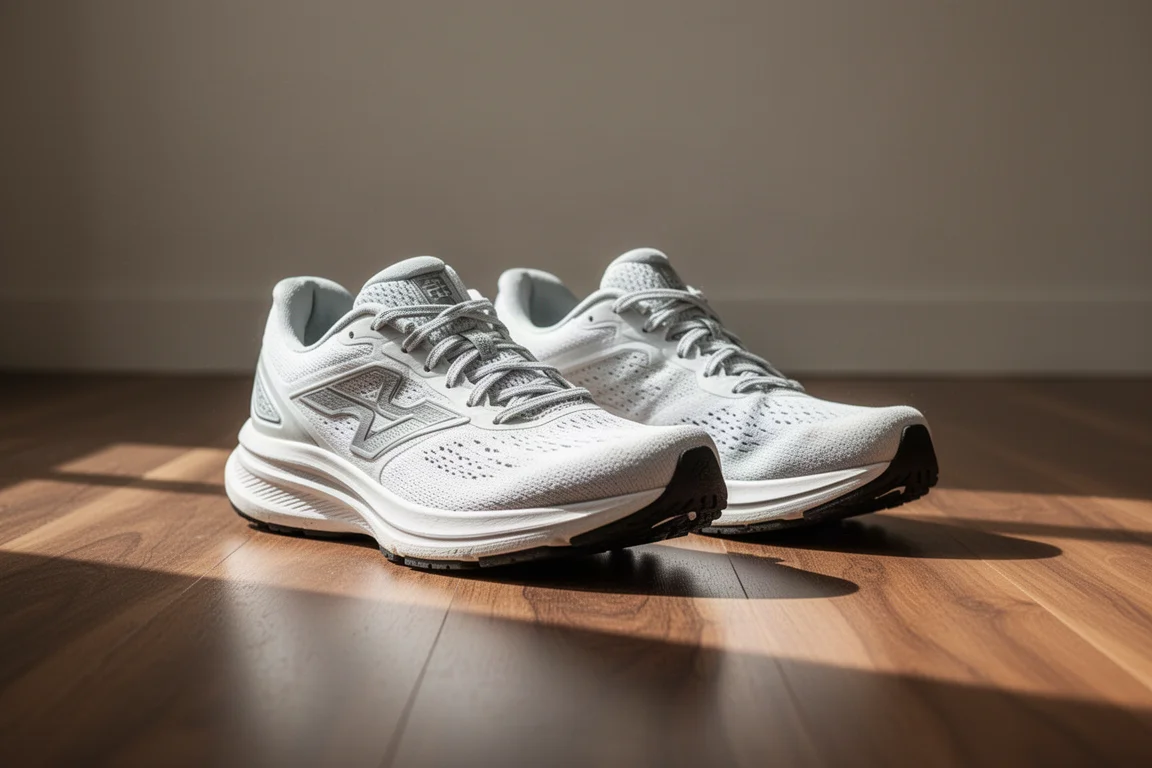
The ASICS Gel Nimbus 25 remains a high-quality, well-constructed shoe with excellent upper durability and a genuinely soft, protective ride. Its weakness is longevity of that signature feel: past 250 miles the foam loses responsiveness just when fatigued runners need it most. As a first-round recovery shoe it earned its keep, and the honest verdict is a would-buy-it-again yes, paired with an actual plan to try something new next.
Product link
View more details for ASICS GEL Nimbus 25
This product is mentioned in the review. Check the specifications, options, and compatibility before buying.
View more details for ASICS GEL Nimbus 25Further reading
Related Reviews

Running Shoes
Best Road-to-Trail Running Shoes: Three Versatile Options for Mixed Terrain
A practical guide to three road-to-trail running shoes that handle both pavement and mild trails, with clear strengths and trade-offs for different runner types.

Running Shoes
Best Running Shoes for Achilles Tendonitis: Three Options Explained
Three running shoes with different heel drops and support features designed to help reduce Achilles tendon pain during walking and running.

Running Shoes
Best Running Shoes for Women: Five Top Choices Ranked
A ranked guide to five women's running shoes, from versatile daily trainers to high-performance racing options, with real strengths and trade-offs for each.