Running Shoes
ASICS Gel Nimbus 25 After 100 Miles: Long-Term Review
How the ASICS Nimbus 25 holds up after 100 miles of easy runs, recovery days, and daily wear, plus how it compares to the Saucony Triumph 20 and New Balance Fresh Foam More v4.
Introduction
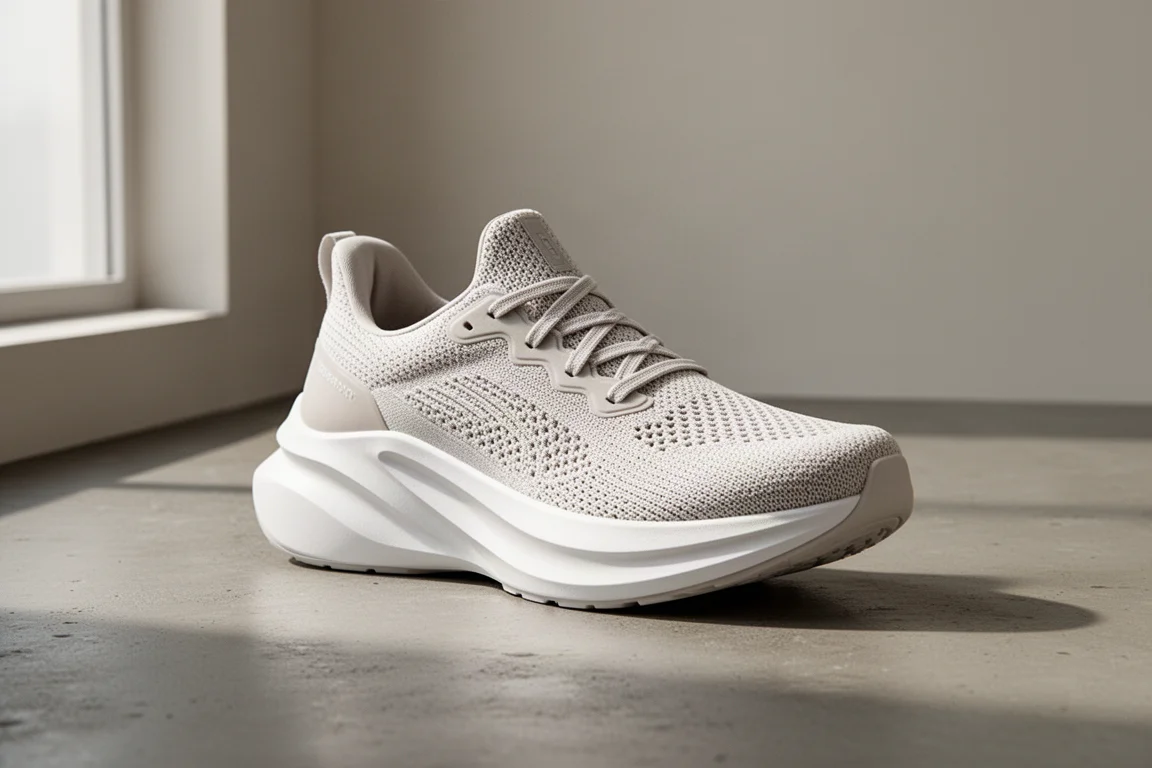
Some shoes grow on you over the first few weeks and then quietly fade from rotation. The ASICS Nimbus 25 has done the opposite. Early impressions were genuinely positive, and several months and 100 miles later, the shoe is still one of the most enjoyable daily options in the rotation. This long-term look focuses less on first-run impressions and more on how the shoe has been used, how it has held up, and whether it still makes sense at full retail price.
How It Performs After 100 Miles
The Nimbus 25 has been used primarily as an easy run and recovery day shoe, and that is exactly where it shines. It is the kind of shoe you happily reach for on days when you want to be pampered. The comfort extends beyond the midsole too: the upper materials are plush all around, nothing presses or scrunches the foot, and that makes it a surprisingly good casual and travel shoe as well. On a long flight, when feet tend to swell with pressure changes, it stays comfortable, and it looks good enough to double as a walking-around-town shoe. One shoe for the run and the tourist duties can even save a little suitcase space.
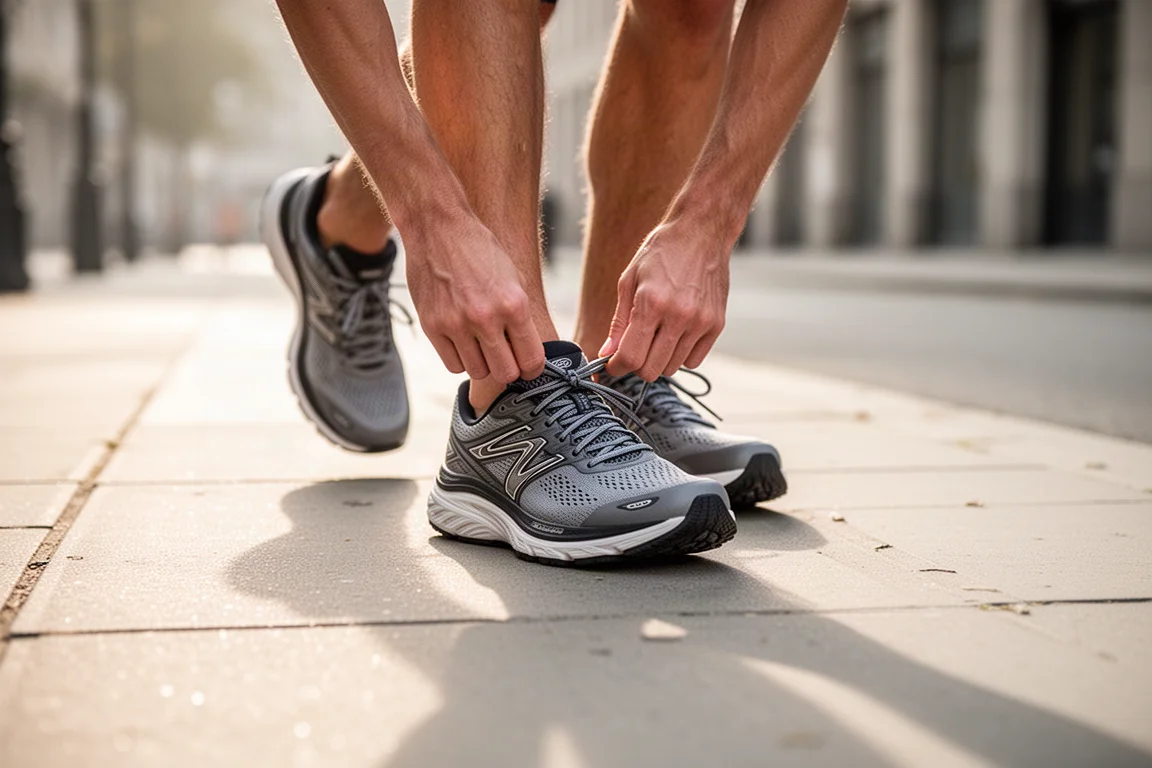
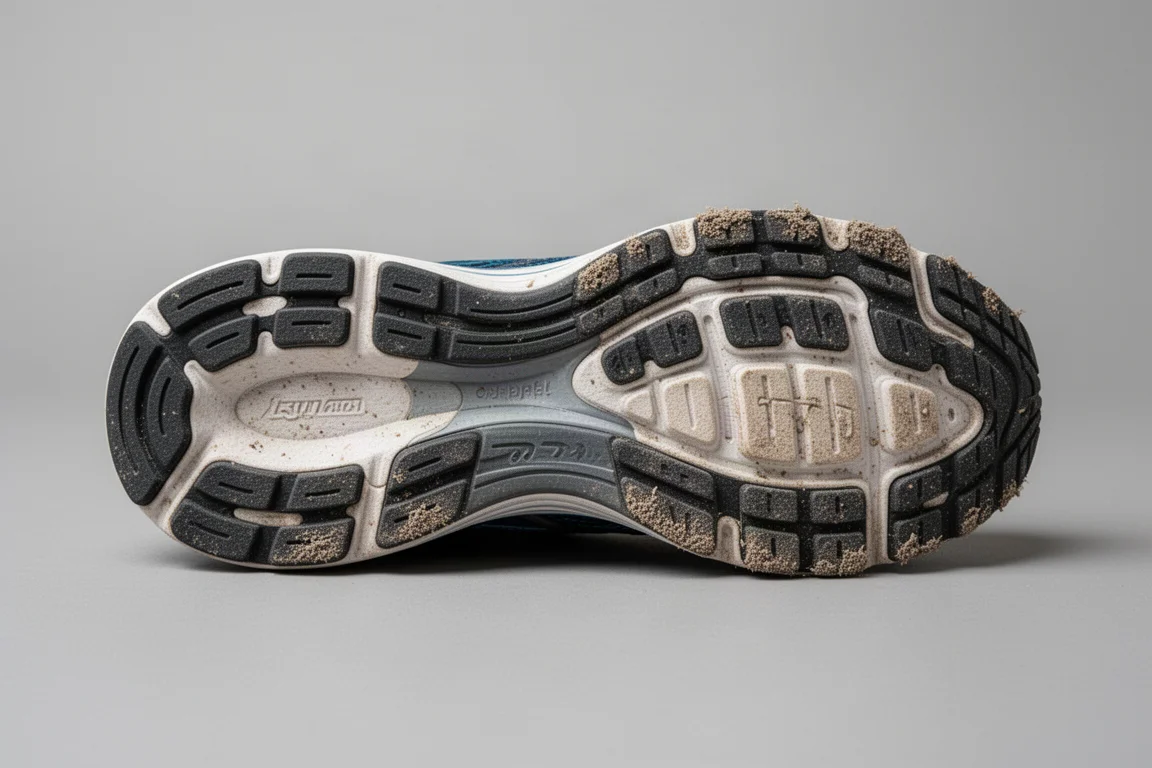
From a durability standpoint, the shoe has held up really well, which is consistent with what is usually expected from ASICS. The outsole is still grippy with very few signs of wear, limited to slight thinning at the edges and under the forefoot pads. The exposed foam areas are dirty from road miles but show only light scuffing, far less chewed up than expected at the 100-mile mark.
The Midsole: FF Blast Plus Eco
The key to the comfort here is the FF Blast Plus Eco midsole foam, the eco-friendly version of FF Blast Plus. The eco variant contains roughly 20% bio-based renewable material, making it a little easier on the environment than the standard formula. Eco foams often come with trade-offs, typically a firmer ride, and there is a hint of that here compared with something like the Novablast 3. Even so, this is one of the more successful partially eco midsoles around: very cushioned and comfortable, but with a bit of spring left in its step.
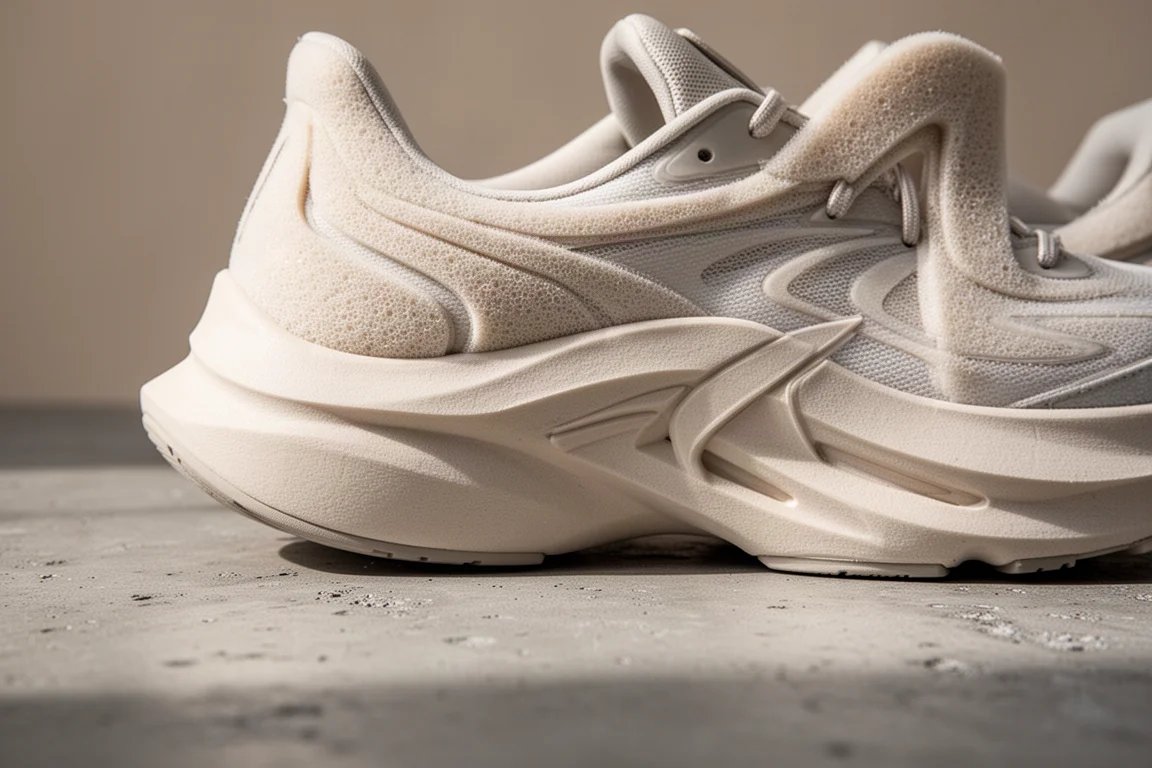
The one place it falls short is sustained faster running. The extra squish makes it hard to hold quicker paces for long periods, though it is fine for strides. That is not really a drawback for this category: this is a max cushion shoe built for relaxed, comfortable miles, not a tempo-day weapon.
Durability and Outsole Wear
Visually, the midsole shows some creasing at 100 miles, but less than expected. Performance-wise, it may not be quite as peppy as it was fresh out of the box, but it has arguably become more comfortable, with an added level of squish on landing. There appears to be plenty of mileage left, and it reads as a high-durability shoe.
The upper is still comfortable and shows no meaningful wear apart from slight fraying and dirt around the side of the rear pull tab. It looks a little less presentable than the rest of the shoe, but there is no sign it will fail. For people who spend long days standing on hard concrete, this is a particularly strong option: many big cushioned shoes have aggressive forefoot rockers that help running but feel fatiguing when standing around, and the Nimbus 25 avoids that awkward geometry.
Competitors and Buying Advice
The Nimbus 25 is best for runners seeking a very comfortable, relaxed easy run or recovery shoe, or anyone who wants one shoe that covers both daily training and casual wear. The two closest competitors remain the Saucony Triumph 20 and the New Balance Fresh Foam More v4, and nothing newer in this genre has changed that picture in the past six months.
The Nimbus 25 initially retailed for $160 and still sits at that price in the United States, though European pricing may differ. It is a lot of money, but you are getting a lot of shoe. If you want a complement rather than a competitor, the ASICS Superblast works well as the workout partner to the Nimbus 25’s easy days, and recent price reductions make it more compelling. The ASICS Trabuco Max 2 is another natural sibling: a tall, comfortable trail option sharing similar padding and foot shape for all-day adventures off the road.
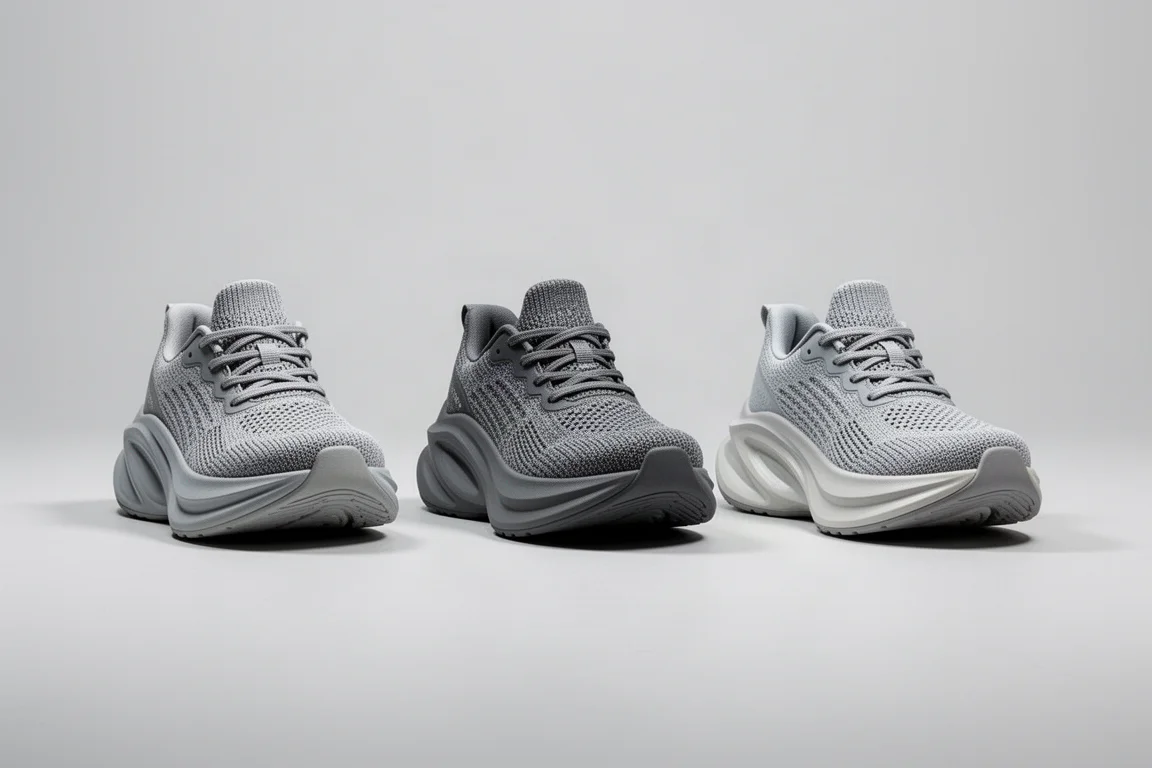
On price, the picture gets interesting. The Triumph 20 launched at $160 but can now be found for around $120, a meaningful gap that could tip the scales depending on your budget. The Fresh Foam More v4 originally retailed at $150 and now sells for as low as $130 at outlets such as Joe’s New Balance Outlet. At $130 versus $160, the More v4 becomes a much more interesting option, though the Nimbus 25 remains a favorite in the max cushion category and a strong contender for top max cushion shoe of the year.
Conclusion
After 100 miles, the ASICS Nimbus 25 is still an exciting shoe. It is plush, well-built, and genuinely versatile across easy runs, recovery days, travel, and long hours on your feet. If the $160 price is comfortable for you, it delivers plenty of shoe for the money. If you are shopping on value, the Triumph 20 and Fresh Foam More v4 both offer compelling alternatives at lower current prices.
Product link
View more details for Asics Nimbus 25
This product is mentioned in the review. Check the specifications, options, and compatibility before buying.
View more details for Asics Nimbus 25Further reading
Related Reviews

Running Shoes
Best Road-to-Trail Running Shoes: Three Versatile Options for Mixed Terrain
A practical guide to three road-to-trail running shoes that handle both pavement and mild trails, with clear strengths and trade-offs for different runner types.

Running Shoes
Best Running Shoes for Achilles Tendonitis: Three Options Explained
Three running shoes with different heel drops and support features designed to help reduce Achilles tendon pain during walking and running.

Running Shoes
Best Running Shoes for Women: Five Top Choices Ranked
A ranked guide to five women's running shoes, from versatile daily trainers to high-performance racing options, with real strengths and trade-offs for each.