Running Shoes
ASICS GEL-Kayano 33 vs Brooks Adrenaline GTS 25: Two Stability Icons, Two Very Different Approaches
A side-by-side look at two of the most popular stability shoes, covering ride, stability systems, fit, and which type of wearer each one suits best.
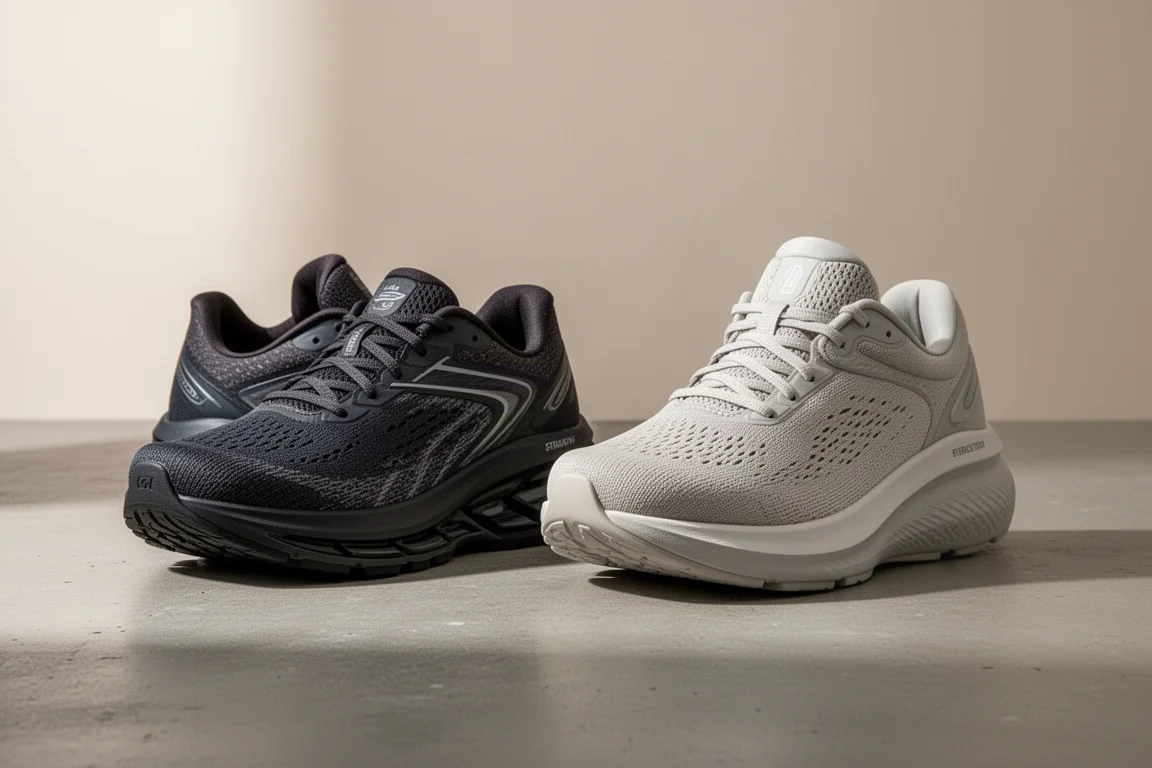
Introduction
Few stability shoes are as recognizable as the ASICS GEL-Kayano 33 and the Brooks Adrenaline GTS 25. Both lines have been around for many years, and it would not be unusual to spot either model at the mall, on a walking path, or at the office. They are not the flashiest shoes on the market: no super foams, no aggressive geometries, just consistent, comfortable trainers built for walking, running, and long hours on your feet.
That said, both have seen significant changes in their most recent versions, and they now approach stability in genuinely different ways. This comparison breaks down those differences so you can figure out which one better matches your needs.
Specs and First Impressions
In a men’s size 10, the GEL-Kayano 33 weighs 11.2 oz (about 318 g), while the Adrenaline GTS 25 comes in slightly lighter at 10.8 oz (306 g). The Kayano carries a taller stack: 41 mm in the heel and 33 mm in the forefoot for an 8 mm drop. The Adrenaline sits at 39 mm heel and 29 mm forefoot, with a new 10 mm drop, down from its previous 12 mm.
Both are fairly wide throughout, which adds inherent stability but also some resistance to forward transition. Neither is trying to be a fast shoe; both are aimed at easier miles and everyday use.

Ride and Underfoot Feel
Underfoot, these two feel very different. The Adrenaline uses full-length DNA Loft v3, a consistent foam from heel to forefoot that delivers a mild, even softness. It is not bouncy, but the ride stays predictable and slightly softer overall.
The Kayano layers FF Blast Max on top with a firmer foam underneath. At lower pressure, you get a mild softness from the top layer, but once you load the shoe harder, especially while running, the firmer bottom layer becomes apparent and the ride feels firmer than advertised. Fast, heavy landings compress right through the top layer, while slower loading, such as walking, lets that softness show up more.
Heel transitions also differ. Brooks has improved its heel bevels, keeping posterior flare minimal for a fairly smooth heel transition. The Kayano moves in the opposite direction, with more posterior flare and a less effective bevel, producing a clunkier heel transition and early initial contact. If you are a heel striker, and most runners are, the Adrenaline is noticeably smoother at the back of the shoe.
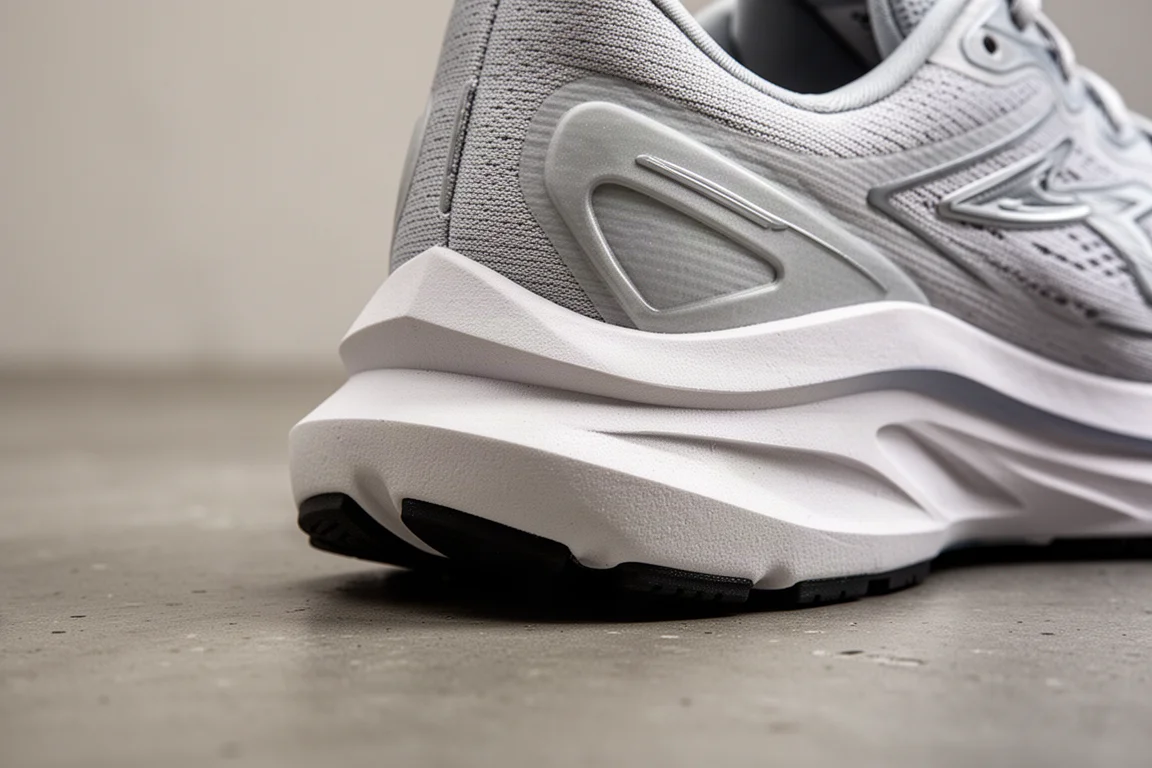
The drop difference is noticeable too. The Adrenaline’s 10 mm drop offloads the Achilles a bit more, while the Kayano’s 8 mm, combined with the softer FF Blast Max, sits a touch lower. In the midfoot, the Adrenaline’s medial post and guide rails add stiffness, while the Kayano is smoother through that area thanks to less material on the medial side. At the forefoot, the Kayano is slightly stiffer with a larger rocker, while the Adrenaline is more flexible up front.
One caveat: neither shoe offers enough stiffness for serious toe mobility problems such as hallux rigidus. Both work best when you still have at least some forefoot flexibility. The Kayano is also the better candidate for a custom orthotic, since its support is less aggressive; adding arch supports to the Adrenaline is not recommended because it already has a very prominent integrated medial post.
Stability: Two Very Different Philosophies
This is where the shoes diverge most. The Adrenaline remains a moderate stability shoe in the traditional sense. Its guide rails run on both sides but are most prevalent in the heel and midfoot, and the medial post creates a clear arch-support pressure you feel as soon as you put the shoe on.
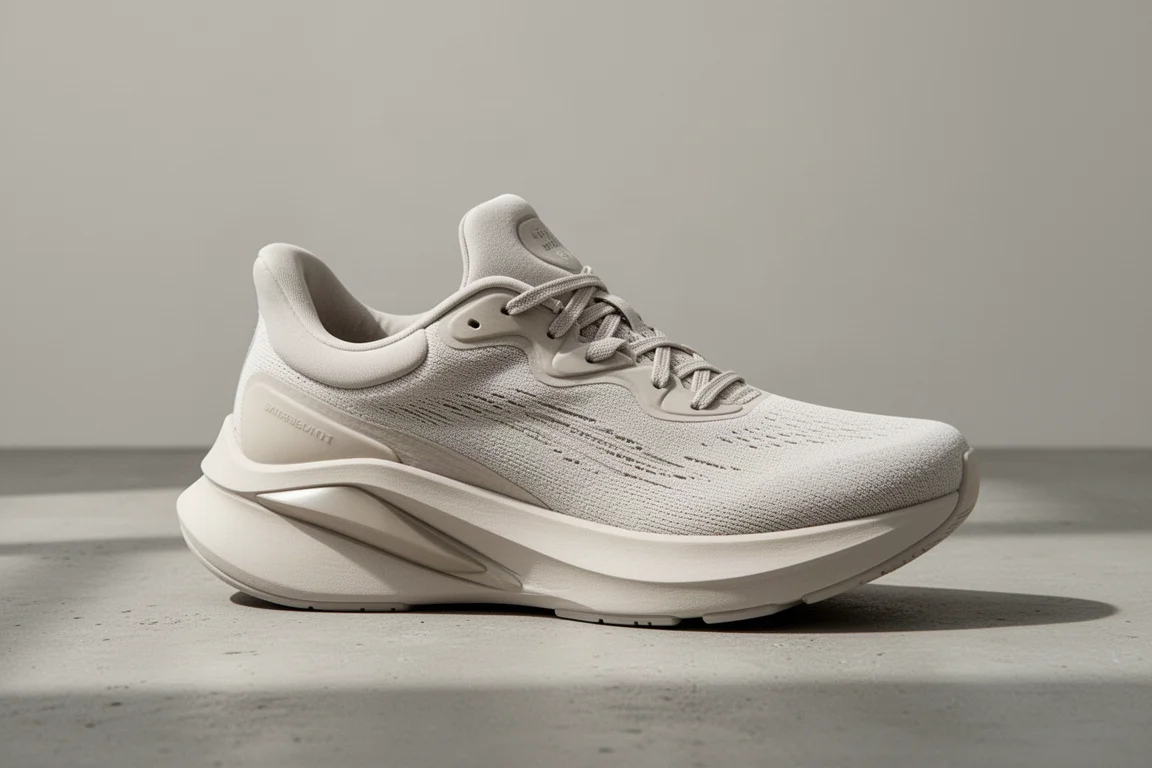
The Kayano takes a different route. The older 4D Guidance System is gone, and the new Fluid Ride support actually places less material in the medial midfoot than on the lateral side. The result is a shoe that feels more like a stable neutral trainer than a full stability shoe, with its most prominent medial support in the heel and forefoot rather than the arch. If you dislike medial posts, the Kayano is the better pick; if you want that arch pressure, the Adrenaline wins.

What the Kayano does better is forefoot stability. Its support system extends into the forefoot with prongs on both the medial and lateral sides, creating mild resistance that keeps you centered. The Adrenaline stays fairly neutral in the forefoot, concentrating its stability in the heel and midfoot instead.
Fit and Comfort
The Adrenaline has historically run slightly wider, and that remains true. Its volume stays more rounded and consistent side to side, with a bit more room in the heel, even though its tongue is thicker. For those needing more height and volume, it is the safer choice.
The Kayano improved over its previous version, which was snug and narrow. The lateral forefoot has opened up, but the midfoot and heel remain snugger due to more padding, and the tongue is thinner. Overall, the Kayano offers a lower-volume, slightly more secure fit, while the Adrenaline offers more room and a touch less padding while still being very comfortable.
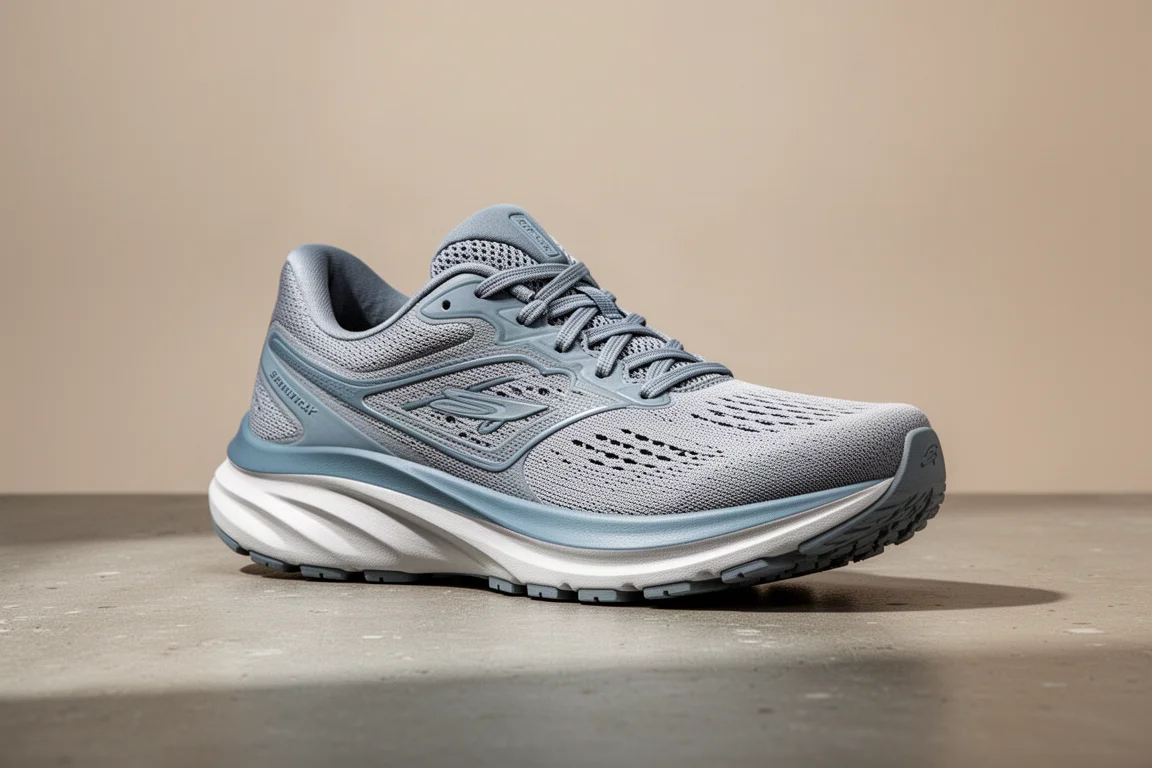
For walking and everyday use, both work extremely well. For long days on your feet, the Adrenaline has the edge thanks to that arch support as fatigue sets in. For shorter sessions, the Kayano’s stable neutral feel is often more comfortable, since it does not push up into the arch.
Durability and Long-Term Use
The Adrenaline has about 100 miles on it, the Kayano roughly 50 to 60. There is some early outsole wear on the Kayano, but nothing concerning. Both midsoles have stayed consistent, with no meaningful break-in or change in feel over the miles covered so far. Both should hold up as dependable daily trainers.
It is worth noting that the stability category is becoming more aggressive, with bouncy foams and super foam options appearing in stability shoes. Neither of these is that. They are traditional-feeling, consistent trainers with distinctly different stability mechanisms.
Which One Should You Buy
Choose the Adrenaline GTS 25 if you want a traditional, moderate stability shoe with a real medial post and arch-support feel, a smoother heel transition, a slightly higher 10 mm drop, and a roomier fit. It is also the better pick for long days of walking and standing.
Choose the GEL-Kayano 33 if you prefer a stable neutral feel without arch pressure, want mild forefoot stability, plan to use an orthotic, or like a snugger, lower-volume fit. Just be prepared for a clunkier heel transition if you are a heel striker.
Neither is meant for fast running or performance work. Both are built for easy miles, walking, and everyday comfort, and both do that job consistently well.
Conclusion
The GEL-Kayano 33 and Adrenaline GTS 25 are not interchangeable, despite occupying the same category. The Adrenaline delivers a softer, more consistent ride with classic medial-post stability and a refined heel, while the Kayano leans toward a stable neutral feel with unique forefoot support and a firmer, dual-layer ride. Matching the stability philosophy and fit to your own feet is what matters most, and on that front, each shoe gives a very clear answer.
Further reading
Related Reviews

Running Shoes
Best Road-to-Trail Running Shoes: Three Versatile Options for Mixed Terrain
A practical guide to three road-to-trail running shoes that handle both pavement and mild trails, with clear strengths and trade-offs for different runner types.

Running Shoes
Best Running Shoes for Achilles Tendonitis: Three Options Explained
Three running shoes with different heel drops and support features designed to help reduce Achilles tendon pain during walking and running.

Running Shoes
Best Running Shoes for Women: Five Top Choices Ranked
A ranked guide to five women's running shoes, from versatile daily trainers to high-performance racing options, with real strengths and trade-offs for each.