Running Shoes
Asics Gel-Kayano 33 Review: A Softer, More Natural Take on a Stability Classic
The Gel-Kayano 33 introduces a dual-foam midsole and a new Fluid Support System, moving the classic stability shoe slightly closer to a comfortable daily trainer.
Introduction
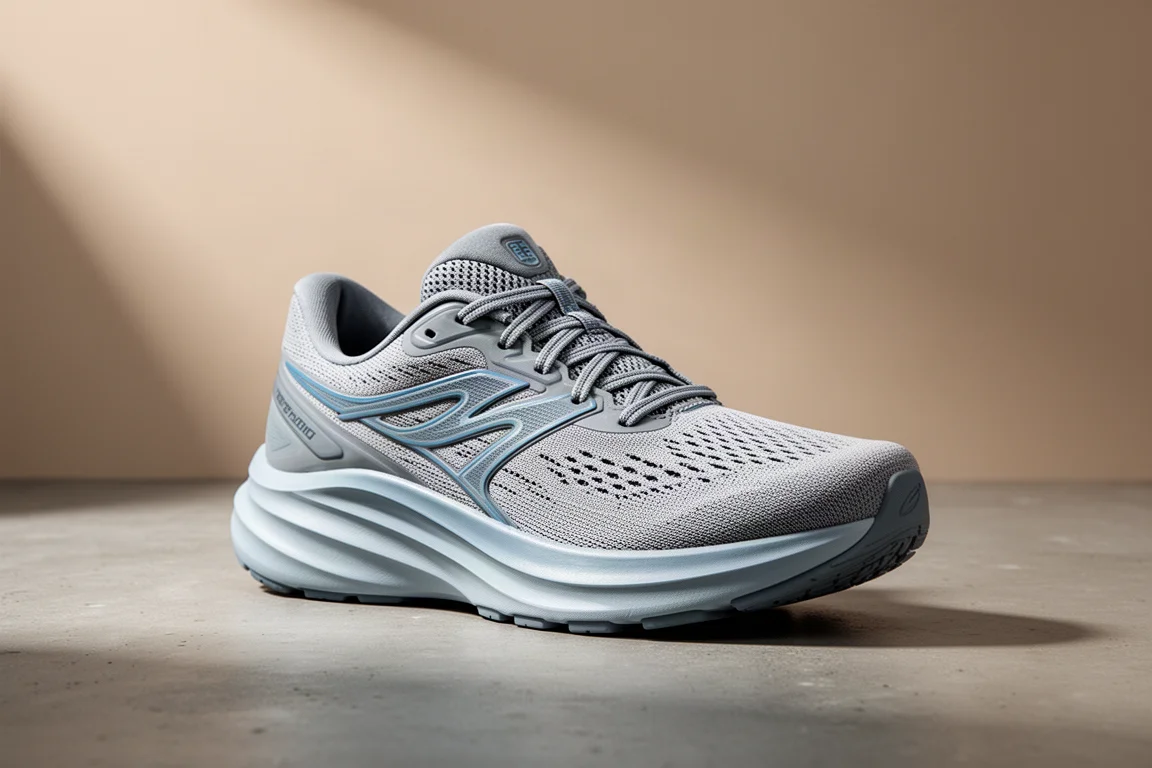
Asics has made some meaningful changes to its long-standing stability option with the Gel-Kayano 33. The headline updates are a new dual-layer, dual-foam midsole and a fresh stability system designed to guide the foot more naturally. After putting in test miles, the shoe stands up as a reliable workhorse for easy miles, with a slightly more dynamic ride than its predecessor, though it remains firmly an easy-day shoe rather than a versatile daily trainer.
Quick details first: there is no official stack height listed, but it appears to match the Kayano 32 with 40mm in the heel and 32mm in the forefoot for an 8mm drop. Weight comes in at 10.7 oz (304g) in a tested UK 8.5 / US 9.5 sample, almost exactly the same as the Kayano 32. Pricing is £180 in the UK and $170 in the US, up five dollars stateside.
Who the Gel-Kayano 33 Is For
This is a shoe built for easy miles, recovery runs, and base-building plods, where cushioned comfort and dependable support matter more than pace versatility. If you liked the Kayano 32, you will likely continue to like the 33, since it is not a big departure from the line.

Main Strengths
The biggest changes sit in the midsole. On top there is a layer of FF Blast Max, similar to the foam used in the Novablast 5 and Sonic Blast, there for softness, response, and comfort. Beneath it sits FF Blast Plus, the foam from the previous Kayano, cradling the foot and providing the enhanced stability. Asics has also replaced the 4D Guidance System with its new Fluid Support System, which uses the geometry of the shoe rather than stiffer inserts to deliver forward guidance from heel strike to toe off. The idea is a smoother, plusher, more natural experience that still offers good stability.
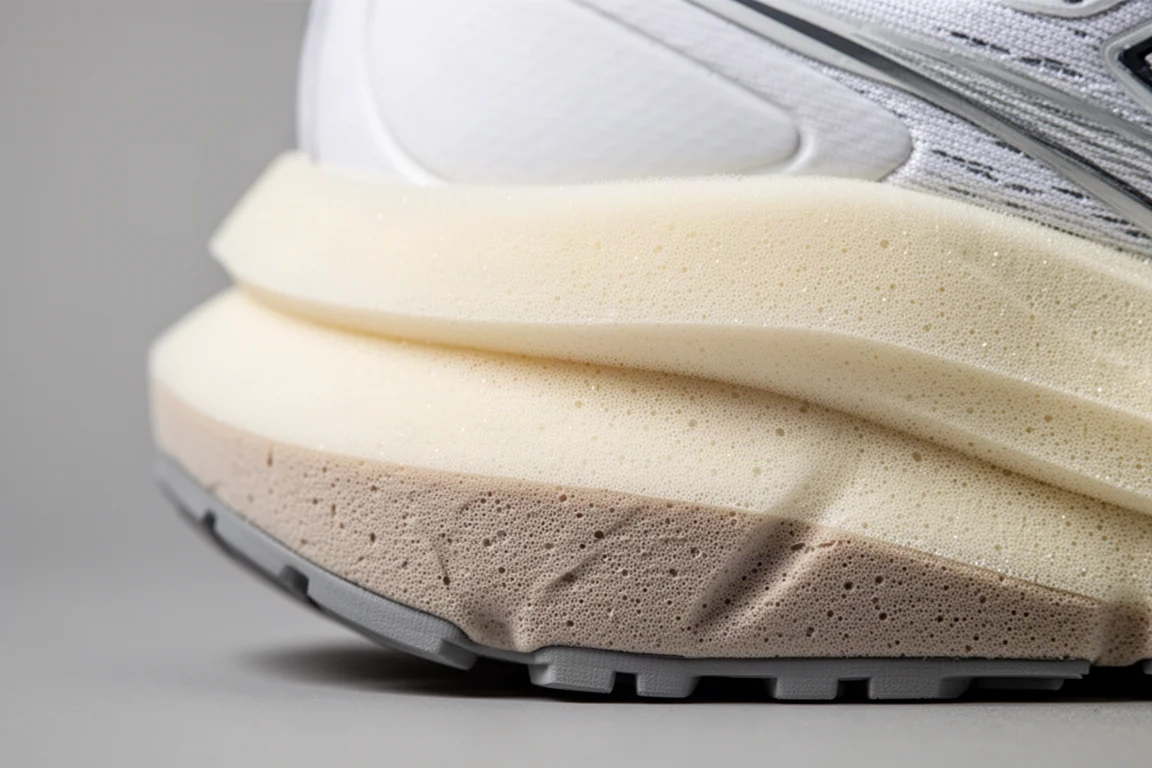
Familiar elements remain, including Pure Gel heel inserts for improved shock absorption at the back of the shoe. The engineered mesh upper has been redesigned slightly for better breathability, a more secure adaptive fit, and a lighter overall feel. Big padded heel collars, gusseted tongues, and the usual lacing setup carry over, while the outsole combines Asics Grip and AHAR Plus for grip and durability, with a little more exposed foam in the midfoot.
On the run, the dual-foam setup feels smoother and softer with a bit more spring back than before. It is not a super soft or super energetic shoe, but cushioning is ample for easy and heavier landing miles. The stability has shifted toward more natural guidance rather than heavy-handed structure, and the shoe has shuffled a little closer to the energy of a regular daily trainer while still remaining reliably stable under foot.
Fit and Feel
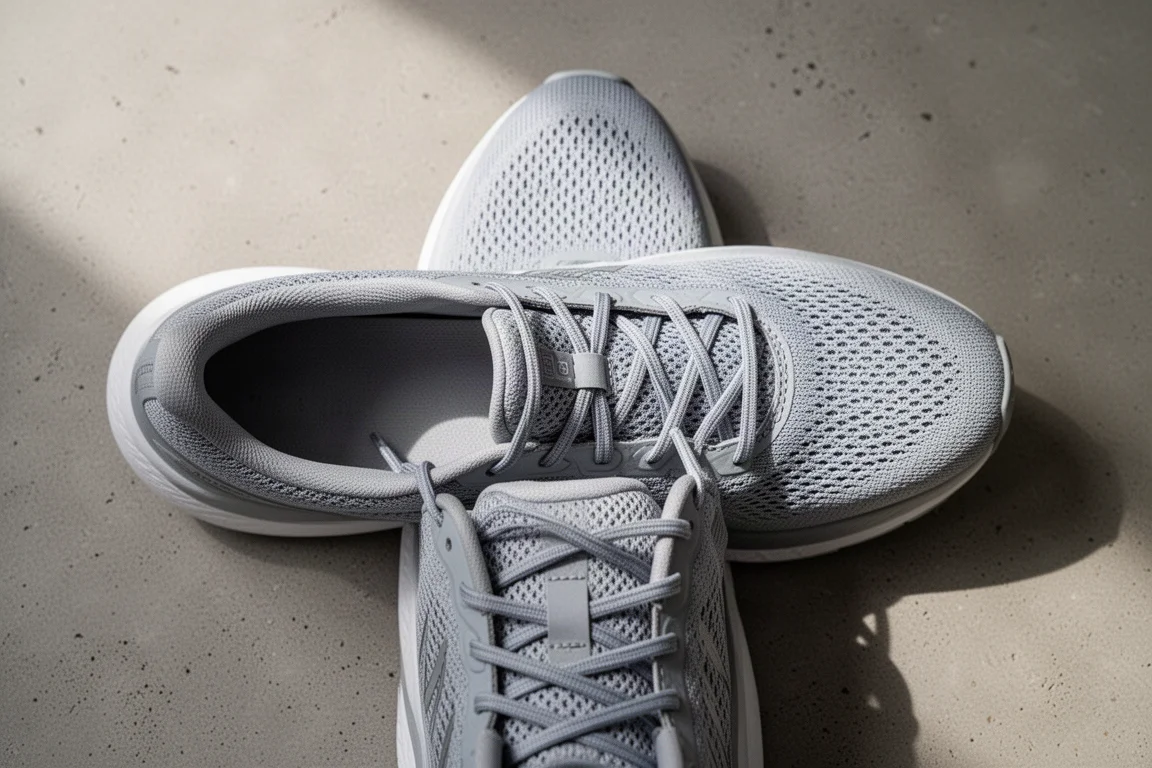
The fit is true to size across testers, who used their usual Asics sizing with no concerns. The toe box is airy and roomy with plenty of clearance and forefoot flex, which suits longer time on feet. Midfoot lockdown is solid from the unchanged lacing setup, with thin tongues that avoid lace pinch, and the plush padded heel collar delivers the secure heel hold and long-run comfort you expect from the Kayano line.
Things to Consider Before Buying
This is still a heavy, slightly blocky shoe. It feels firm and clunky when you push the pace, so it is best suited to easy miles and recovery runs rather than faster training. There is not a lot of punch back from the forefoot foam, as the midsole is more about absorbing impact than returning energy.
Runners who preferred the firmer, more structured guidance of earlier Kayano models may find this version slightly less controlled, though it retains plenty of inherent stability. It is also worth noting the ride felt very similar to the Kayano 32 in testing, so the midsole overhaul did not dramatically change the feel. Given the limited versatility, the premium price can look steep, but the shoe is built to withstand high mileage, so there is long-run value in its durability.
Buying Advice
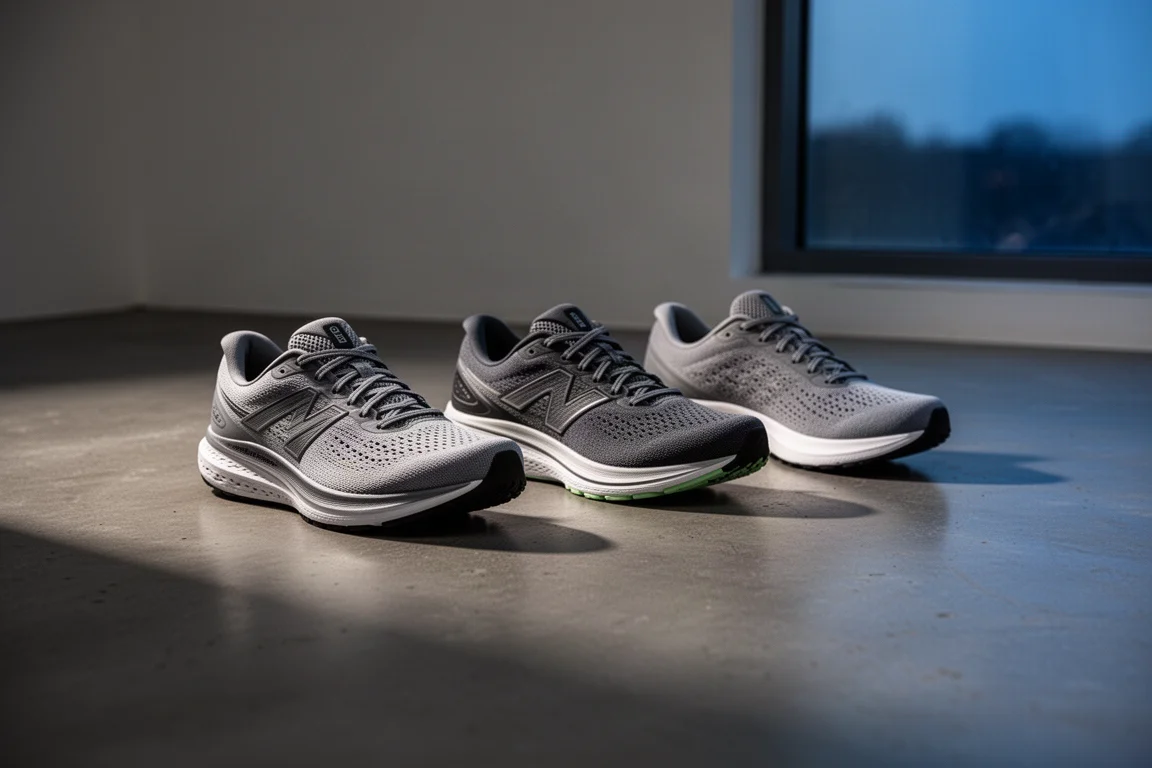
If you want subtle stability, the Saucony Guide 19 has a lower stack and feels a bit more agile. The Hoka Arahi 8 is more subtle still, well balanced, controlled, and lighter. It is not as cushioned, but it offers a wider pace range than many guided shoes, and it is cheaper, making it a strong look if moderate stability works for you.
The Puma ForeverRun Nitro 2 is another better-value option that is not quite as stable but still does the job. The Nike Structure Plus and Saucony Hurricane 25 perform at a similar level to the Kayano 33, with slightly more exciting PEBAX-based foams, though on the road all three behave as mostly cushioned, comfortable, easy-pace shoes without much versatility. Since the Kayano tends to drop in price once newer models land, checking deals on the Kayano 32 or these alternatives may get you better value.
Conclusion
The Gel-Kayano 33 still fits the bill as a good, reliable stability shoe geared toward the easier miles. It delivers soft-but-not-wobbly cushioning, protects the legs well, and provides support that does not intrude even for neutral runners. It has taken a small step toward being a more natural, comfortable guided trainer, which makes the low and slow miles more enjoyable, even if it remains heavy and not particularly punchy. For stability runners, it is a very good option. For neutral runners or anyone seeking a fun, versatile trainer, there are more exciting choices out there.
Product link
View more details for Asics Gel-Kayano 33
This product is mentioned in the review. Check the specifications, options, and compatibility before buying.
View more details for Asics Gel-Kayano 33Further reading
Related Reviews

Running Shoes
Best Road-to-Trail Running Shoes: Three Versatile Options for Mixed Terrain
A practical guide to three road-to-trail running shoes that handle both pavement and mild trails, with clear strengths and trade-offs for different runner types.

Running Shoes
Best Running Shoes for Achilles Tendonitis: Three Options Explained
Three running shoes with different heel drops and support features designed to help reduce Achilles tendon pain during walking and running.

Running Shoes
Best Running Shoes for Women: Five Top Choices Ranked
A ranked guide to five women's running shoes, from versatile daily trainers to high-performance racing options, with real strengths and trade-offs for each.