Running Shoes
ASICS Gel Kayano 32 vs GT-4000 4: Two Stability Shoes, Two Very Different Rides
A side-by-side look at ASICS' flagship stability trainer and one of the few remaining medial-posted high-stability shoes on the market.
Introduction
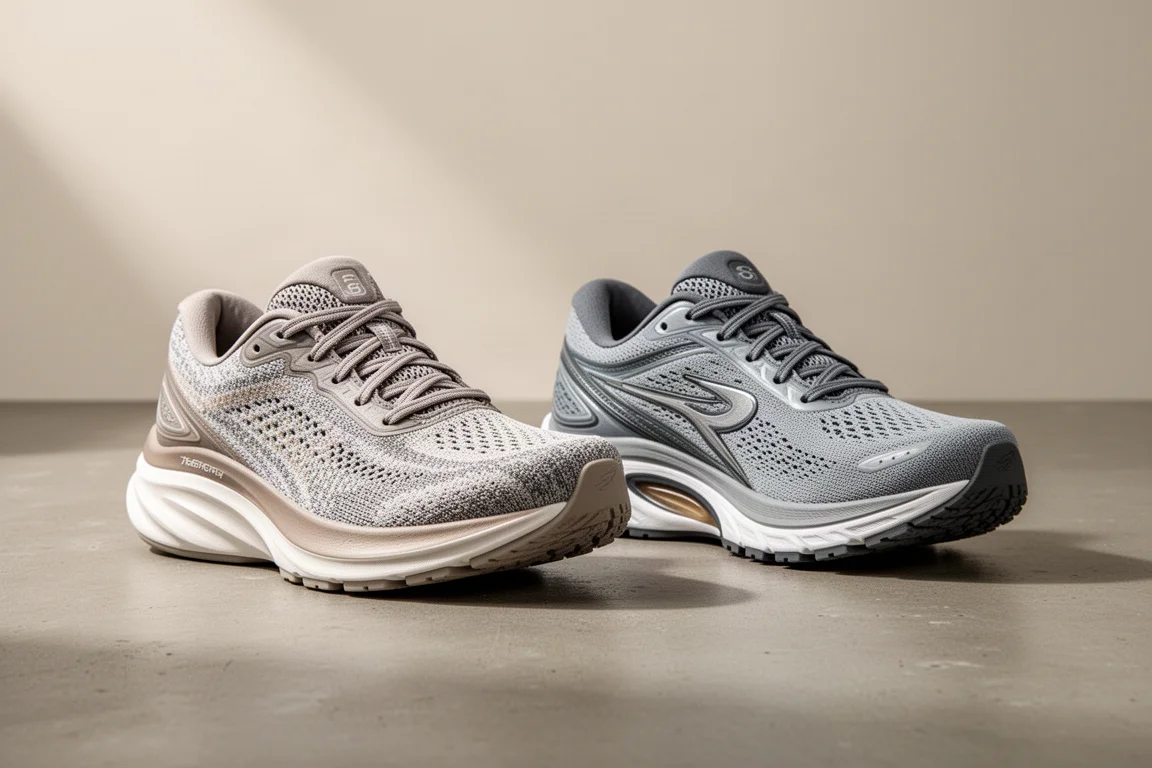
ASICS currently offers two very different answers to the stability category: the Gel Kayano 32, the brand’s plush, guidance-based flagship, and the GT-4000 4, one of the few remaining high-stability shoes with a true medial post. They look similar on a spec sheet, but they ride noticeably differently and suit genuinely different runners.
If you like the Kayano but find it is not quite stable enough, or you specifically want a posted shoe, the GT-4000 4 is a rare option worth understanding. This comparison breaks down where they differ and who each one fits best.
Specs at a Glance
In a men’s size 10, the Gel Kayano 32 comes in lighter at 10.8 oz (about 306 g), while the GT-4000 4 weighs 324 g (11.4 oz). The extra weight on the GT-4000 makes sense given its large medial post and more extensive outsole rubber coverage.
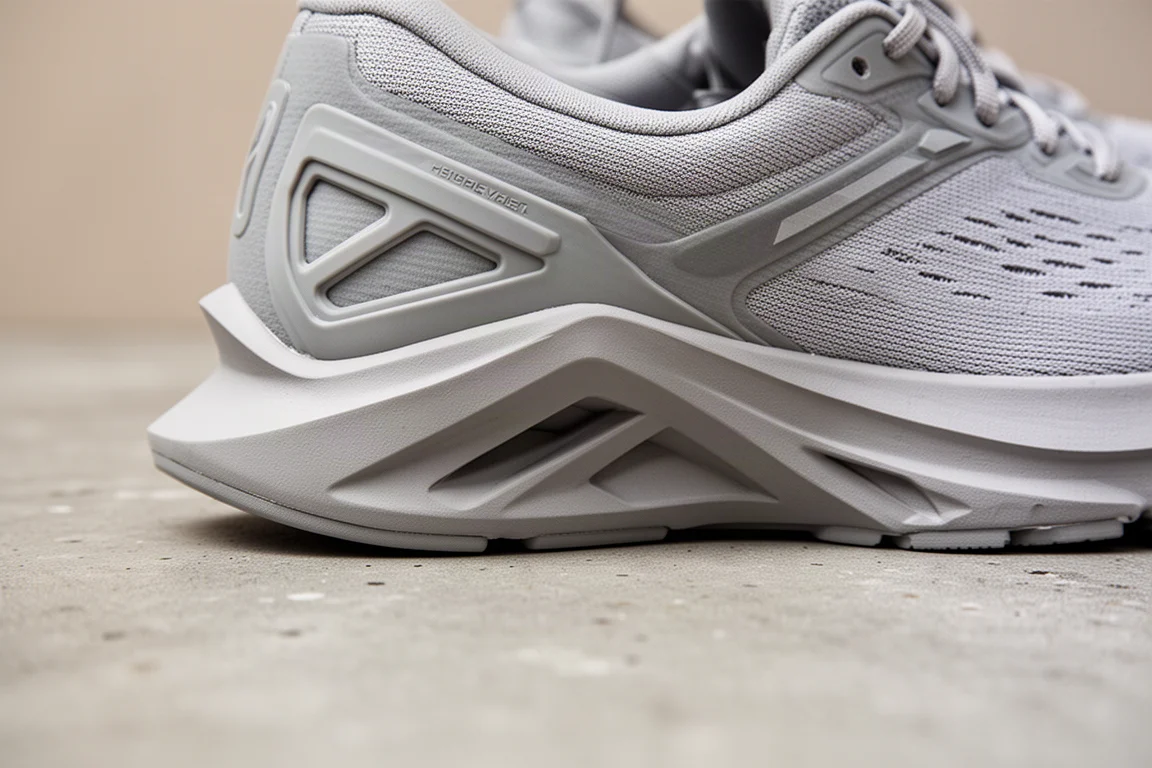
Stack heights are close. The Kayano sits at 40 mm in the heel and 32 mm in the forefoot for an 8 mm drop; the GT-4000 4 is just slightly lower at 39/31 mm with the same 8 mm drop. Both have similar heel bevels with nice geometric cutouts that help compress smoothly on landing.
Ride and Stability Feel
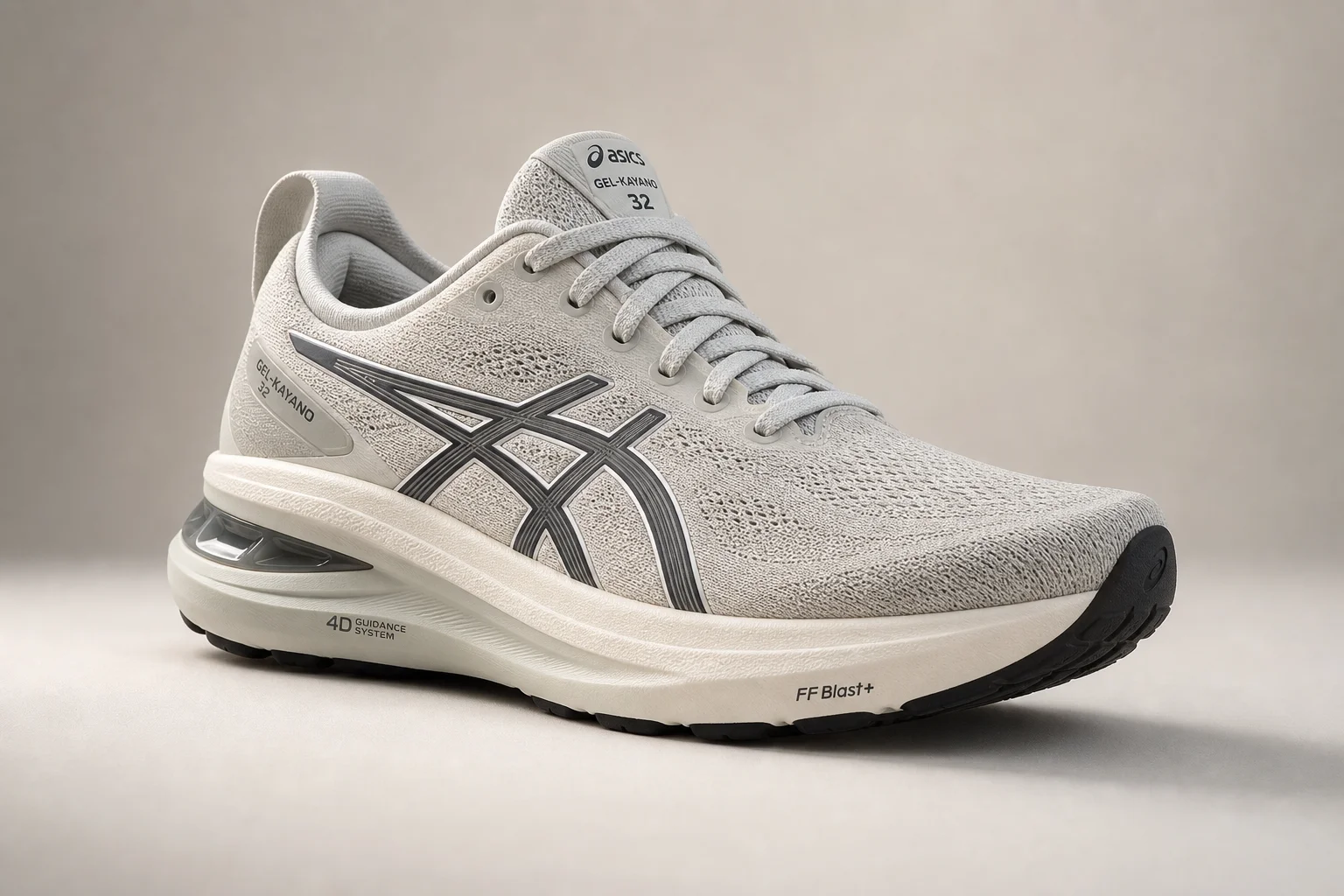
The midsole is where these two genuinely diverge. The Kayano uses FF Blast Plus, which makes the ride a little softer underfoot and gives it more bounce and snappiness. It feels smooth and responsive despite its weight, which is a big part of why it stands out in this category.
The GT-4000 4 uses FF Blast plus a Light TruSS system: a large medial post that also extends into the midfoot and onto the lateral side, pairing with a small lateral post. That firms the ride up slightly and makes it feel more grounded. The rearfoot starts a touch stiff but breaks in after roughly 10 miles, and the midfoot stays fairly stiff, while the forefoot transitions nicely.
Neither shoe is built for fast pace work. The Kayano is the more versatile of the two thanks to its lighter weight and more responsive midsole. The GT-4000 4 is better suited to easy runs and long runs, and it excels as a walking and standing shoe, with the nod over the Kayano for long hours on your feet because of the arch pressure from the post.
Stability character differs too. The Kayano feels like new-age guided stability: very wide, plenty of sole flare, and large sidewalls throughout, especially in the rearfoot. The GT-4000 4 feels more centered thanks to the lateral post, and its medial post is clearly noticeable when standing, but it is not the aggressive, clunky motion-control shoe of years past. It is far more runnable than old-school motion-control designs.

Who the Medial Post Matters For
The GT-4000 4’s medial post extends far enough forward that you can actually feel it in the forefoot, which is genuinely rare. Most posted shoes stop at the heel and midfoot. That matters for a small subset of runners who need forefoot stability, particularly those with a forefoot varus, where the first ray sits elevated and the forefoot collapses during push-off.
Runners with that profile often deal with posterior tibialis, peroneus longus, or plantar fasciitis issues tied to forefoot pronation, and shoes with forefoot-level support help slow that collapse. The GT-4000 4 is one of very few shoes on the market addressing this, alongside a handful of niche options. It is not for everyone, and testing for forefoot varus requires a medical professional, but if you have always felt more stable in posted shoes, this explains a lot.
Upper Fit and Durability
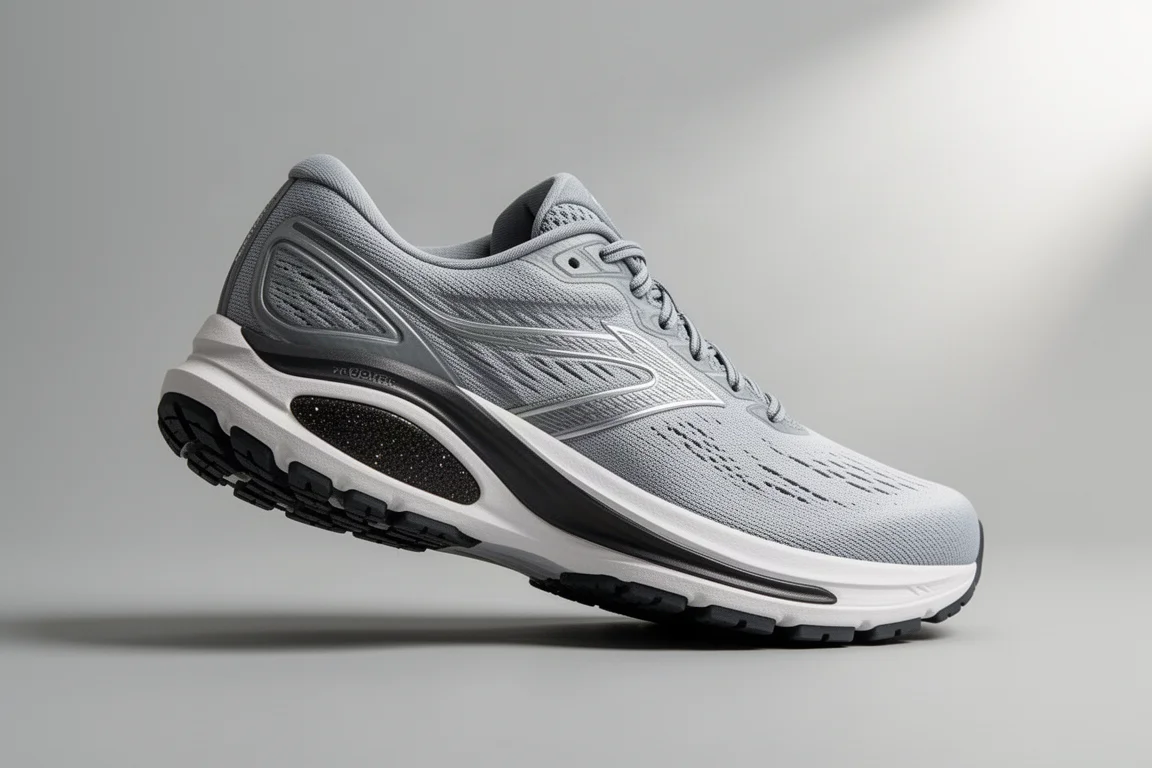
Despite roughly a $30 price difference, the uppers are surprisingly similar: plush, with stiffer heel counters and enough padding to sit comfortably even if you have heel sensitivities. The Kayano’s upper is slightly thicker, especially in the rearfoot, and its tongue is better padded. Both have well-gusseted, secure tongues.
The real difference is volume. The GT-4000 4 has a bit more room in the forefoot and overall volume on initial try-on, while the Kayano runs slightly snugger and lower volume, though neither is an extreme fit. Both come in wide sizes.
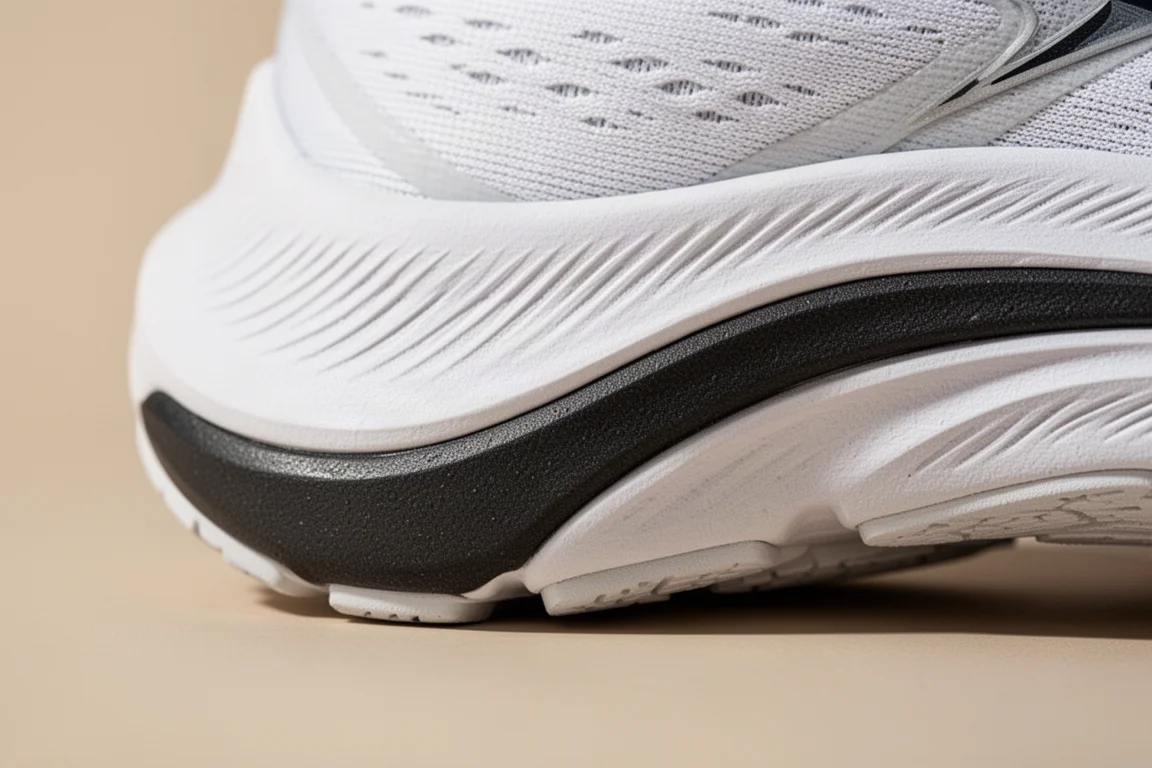
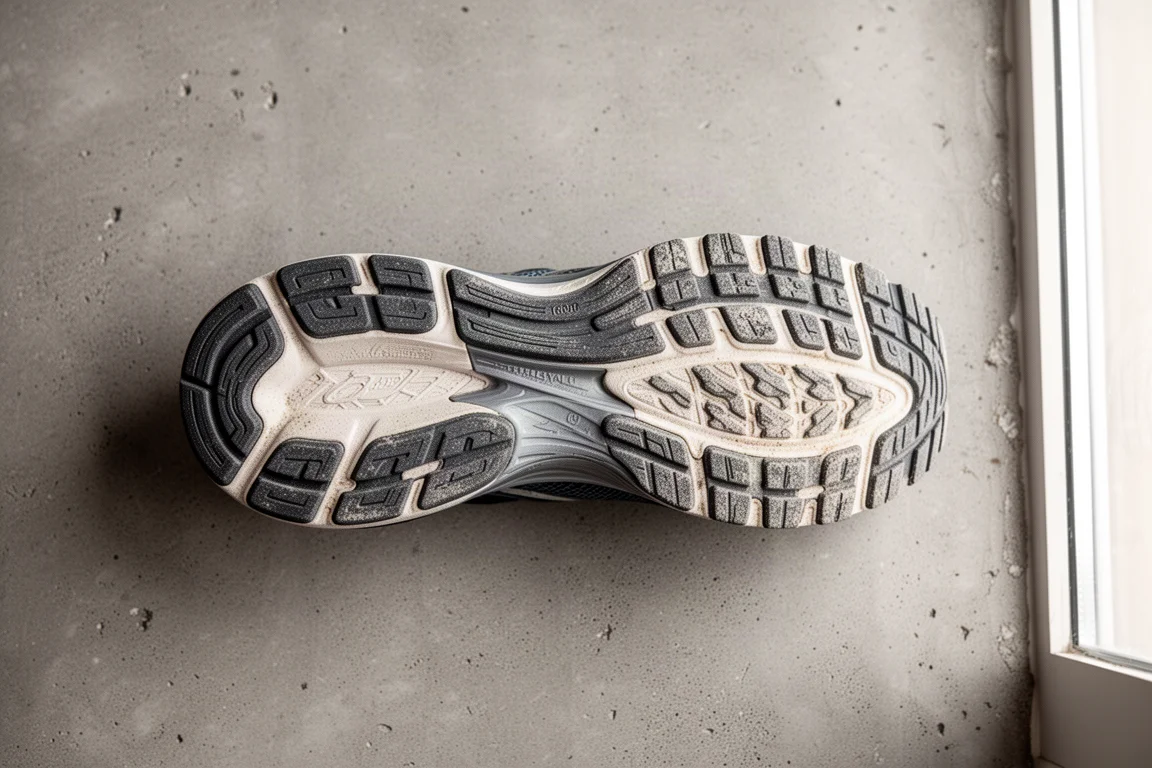
On durability, the Kayano holds up well: it reached 200 miles before showing meaningful outsole wear, which is impressive even for a harder-wearing foot strike. The GT-4000 4, though, is built like a tank. At 50 miles it shows essentially no wear, with thicker outsole material, better coverage, and a firmer midsole with less to break down. Expect more total mileage from the GT-4000 4.
Which One Should You Buy?
If you are sensitive to medial posts or just prefer guided, sidewall-based stability with a softer, bouncier ride, the Kayano 32 is the better pick. It is lighter, more versatile, and handles a wider range of paces. If you want the firmer, posted feel that pushes into your arch, more forefoot stability, a roomier fit, and maximum durability, the GT-4000 4 is the clear choice. Some runners, particularly those managing forefoot stability needs, may even benefit from having one of each for variety.
Conclusion
Both shoes represent the strong state of ASICS’ stability lineup, and both are genuinely enjoyable in their own way. The Kayano 32 is the softer, snappier, new-age guided stability option, while the GT-4000 4 is the tank-like posted shoe that has become increasingly rare. Choosing between them comes down to how much structure you want under your arch and how much bounce you want underfoot.
Further reading
Related Reviews

Running Shoes
Best Road-to-Trail Running Shoes: Three Versatile Options for Mixed Terrain
A practical guide to three road-to-trail running shoes that handle both pavement and mild trails, with clear strengths and trade-offs for different runner types.

Running Shoes
Best Running Shoes for Achilles Tendonitis: Three Options Explained
Three running shoes with different heel drops and support features designed to help reduce Achilles tendon pain during walking and running.

Running Shoes
Best Running Shoes for Women: Five Top Choices Ranked
A ranked guide to five women's running shoes, from versatile daily trainers to high-performance racing options, with real strengths and trade-offs for each.