Running Shoes
ASICS Gel-Kayano 32 vs Gel-Cumulus 27: Which Cushioned Daily Trainer Fits Your Running?
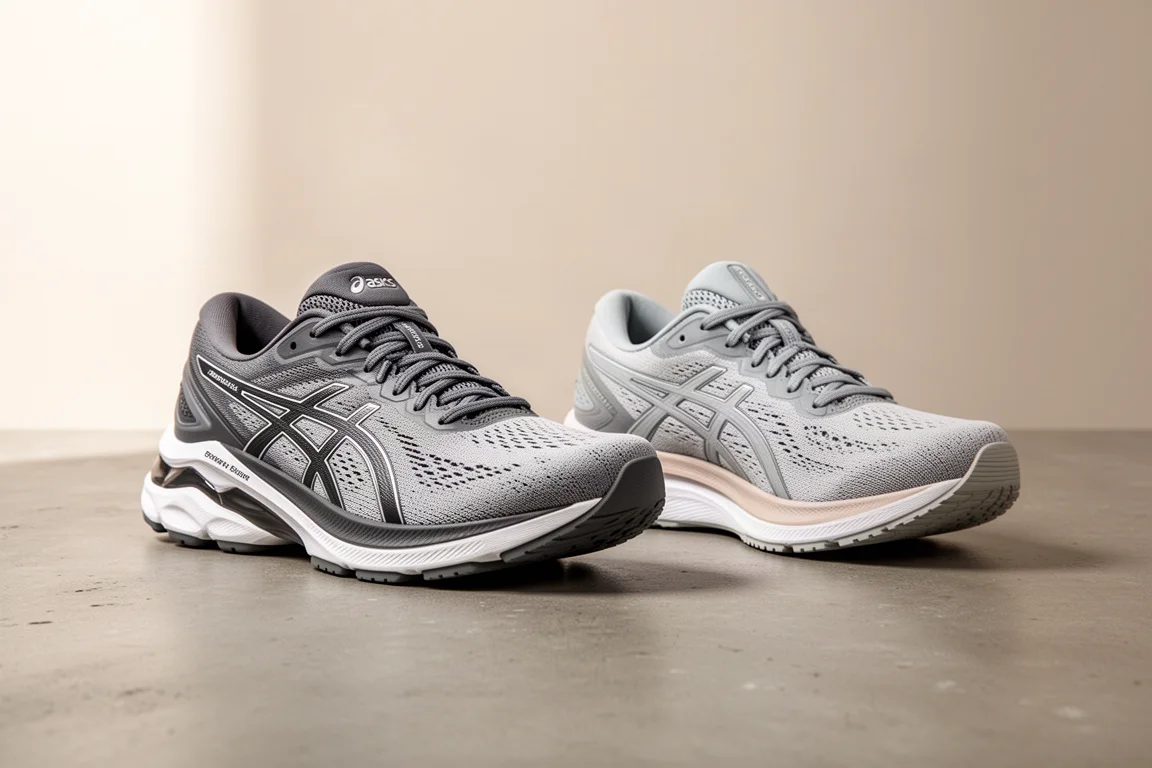
Two plush ASICS daily trainers go head to head: the stability-ready Gel-Kayano 32 against the lighter, sprightlier Gel-Cumulus 27.
Introduction
ASICS has two of the most established names in the cushioned daily trainer category going head to head here: the longtime stability stalwart, the Gel-Kayano 32, versus the lighter and more sprightly Gel-Cumulus 27. Both are daily mileage shoes that prioritize cruising comfort over all-out speed. The question is which one suits your running best.
Key Specs at a Glance
The Gel-Kayano 32 carries the same 40mm heel stack as the previous generation, but adds an extra 2mm at the forefoot for a 32mm stack there. That brings the drop down from 10mm to 8mm, now matching the Cumulus 27. The Cumulus 27 has a lower stack, but still a substantial wedge of midsole: 38.5mm in the heel and 30.5mm in the forefoot.

On weight, in a UK 8.5 test size, the Kayano tips the scales at 10.8 ounces (304g), while the Cumulus 27 comes in considerably lighter at 9.5 ounces (270g). On price, the Kayano 32 is £180 in the UK and $165 in the US. The Cumulus is cheaper at £140 and $140.
Design and Midsole: Cushion, Comfort, and Guidance
The Gel-Kayano 32 is a high-volume, plush, premium daily shoe built for comfort, cushion protection, and reliability underfoot. The Gel-Cumulus 27 is a slightly less cushioned daily trainer designed for comfort but with a bit more versatility. Both feature midsoles made from FF Blast Plus foam, with the Kayano 32 carrying about 1.5mm more stack across the shoe.
Beyond the stack, the biggest design difference is the Kayano 32’s ASICS 4D Guidance System, a suite of elements designed to adapt and support the foot each time it lands. That includes a smaller heel bevel, a sculpted midsole, and additional medial foam to guide the foot on landing. Both shoes carry Pure Gel heel inserts to soften landings if you strike further back in the shoe.
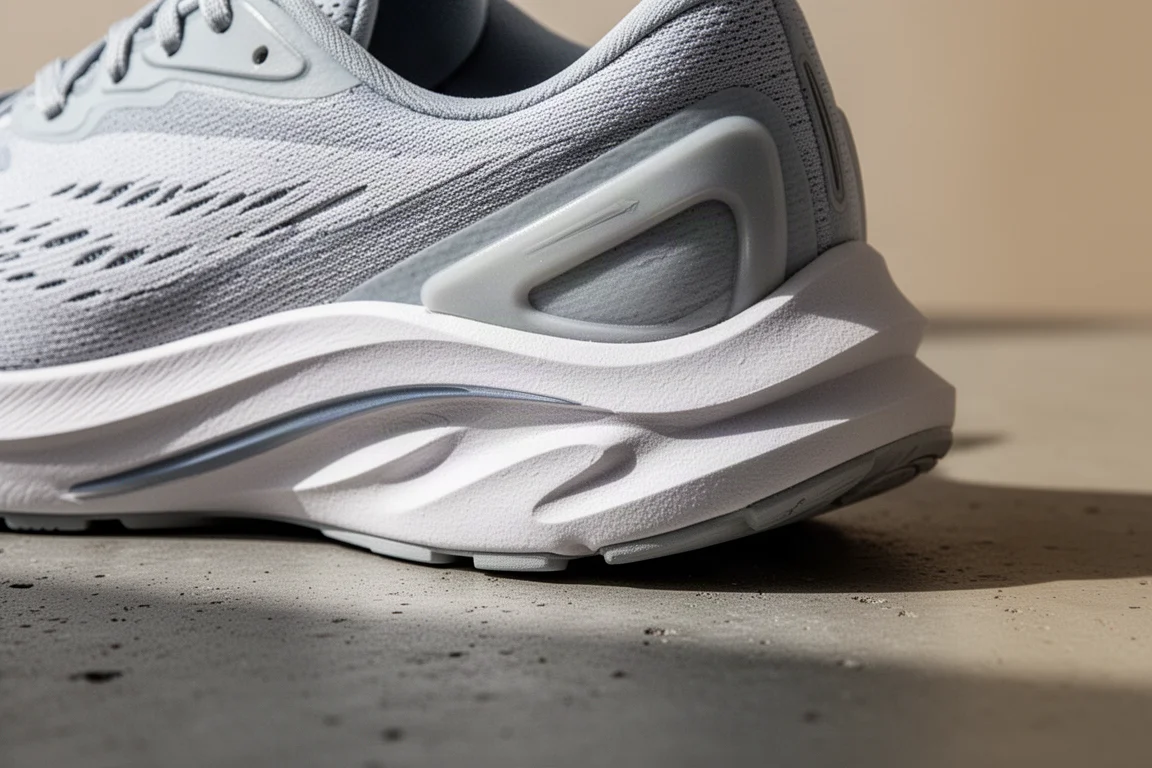
Up top, the Kayano 32 gets a new single-layer engineered mesh upper, while the Cumulus 27 uses a jacquard engineered mesh. Both feel premium: thick but soft and flexible, with the Kayano’s mesh more perforated for breathability. Both have ample, plush padded heel collars, with the Cumulus heels slightly narrower. The gusseted tongues follow the ASICS Novablast 5 design with a thinner, flat wrapping style that saves weight, and the Kayano’s tongue adds internal wrapping on the medial side for extra support.
Underfoot, the Kayano 32 sticks with the same hybrid ASICS Grip outsole as the previous model, with a liberal rubber covering. The Cumulus 27 takes a different approach with what ASICS calls Fluidride outsole, a thick layer of rubberized EVA covering almost the entire sole, with plenty of flex grooves cut in to improve flexibility.
Fit and Sizing
Across testers, both shoes ran true to size for most, with a couple of caveats. In regular sizing, the Cumulus 27 offered a comfortable, disappearing fit with good lockdown across the midfoot, plenty of length in the toe box, and flexible uppers that don’t press on the toes. One tester found the Cumulus roomy enough in their usual size to suggest sizing down half a size, as there was extra space in both the toe box and across the midfoot.
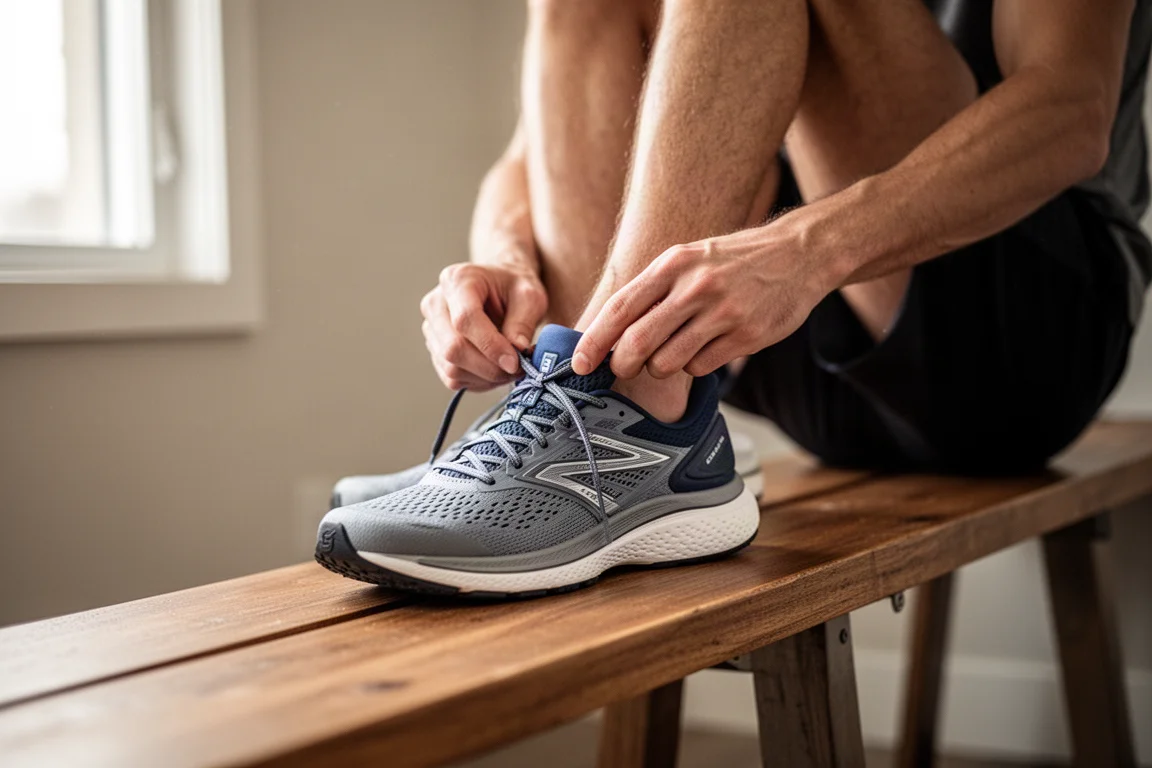
The Kayano 32 fit spot on for most testers, with just enough room in the toe box, breathable mesh uppers offering a flexible but secure hold, and a well-padded heel collar providing an excellent no-slip hold. Both shoes delivered strong midfoot lockdown and secure, comfortable heel holds. Overall, going true to size is a safe bet for most runners, though if you find the Cumulus loose, a half size down is worth considering.
Ride and Performance
In testing, the Kayano 32 logged 30-plus miles and the Cumulus 27 north of 25, mostly at easier, low-and-slow paces, with some faster efforts and 90-minute runs mixed in. Both deliver excellent, plush, cocooned comfort with a premium edge from the padding and uppers.
The big difference is the softness and energy coming up from the midsole. The Kayano 32’s firmer, slightly blockier edge brings a flatness and control, with solid reliability, while the Cumulus 27 offers a softer, sprightlier, more energetic ride. The Cumulus isn’t unstable, but the extra guidance of the Kayano is noticeable, particularly in the heel where there’s less compression. The weight difference is also real: the Cumulus runs much lighter and is better suited to moving at faster paces, while the Kayano is firmly built for easy days and comfortable, consistent long runs.
Notably, the Kayano’s stability elements are subtle. If you don’t need them, the shoe feels like a comfortable neutral daily trainer; if you start to overpronate, the guidance kicks in noticeably. The midsole isn’t firm and clunky like older stability shoes; it has softness and a nice, rolling, smooth ride, though it is firmer and less flexible than the Cumulus. The Cumulus, without stability elements, feels more flexible, more natural, and slightly softer.
On the outsole, the Cumulus’s rubberized EVA creates a slightly smoother feel than the Kayano’s rubber, which can feel a bit slappy and hard out of the box before settling in. It may not prove as durable over the long haul, but testers hadn’t seen problems in testing. Both shoes showed little sign of wear, and the Kayano’s thicker outsole rubber, particularly in the heel impact zone, may afford extra protection.
Choosing Between the Two
These two sit among ASICS’s big-stack cushion comfort cruisers, catering for similar kinds of running: better at easy mileage than anything fast and furious. Both do that job well, and everything feels plush, premium, and well-built.
The Cumulus 27 offers a good, unfussy, smooth ride. It’s not overly energetic compared to some newer shoes, and its lighter weight and ample cushion will cater better to non-stability runners wanting longer time on feet than the heavier Kayano. For runners mostly heading out for 5k and 10k runs, the extra cushioning of the Kayano may not be necessary; it comes into play more for longer weekend efforts like marathon training blocks of 20 to 30k.

The Kayano 32 is excellent at what it does, offering subtle stability and security with a big wedge of road protection. It’s just not very lively, and its weight gives it an upper limit on long runs. If you’re a stability runner, the Kayano is the clear pick. If you don’t need stability and want a shoe that can do a little more across the pace range, the Cumulus 27 is undoubtedly the way to go, and it’s a strong candidate if you want just one shoe to do everything. If you’re looking beyond these two, the ASICS Novablast offers a similar setup to the Cumulus in a lighter, faster package, and the Saucony Guide 18 is an excellent lighter-stability alternative to the Kayano.
Conclusion
Both shoes deliver the comfort-first, easy-mileage experience they promise, and the choice really comes down to stability needs and budget. Need the extra guidance and maximum plush comfort for long hauls? The Gel-Kayano 32 justifies its higher price. Want a lighter, more versatile daily trainer at a friendlier price? The Gel-Cumulus 27 serves that purpose very well.
Product link
View more details for Asics Gel Kayano 32
This product is mentioned in the review. Check the specifications, options, and compatibility before buying.
View more details for Asics Gel Kayano 32Further reading
Related Reviews

Running Shoes
Best Road-to-Trail Running Shoes: Three Versatile Options for Mixed Terrain
A practical guide to three road-to-trail running shoes that handle both pavement and mild trails, with clear strengths and trade-offs for different runner types.

Running Shoes
Best Running Shoes for Achilles Tendonitis: Three Options Explained
Three running shoes with different heel drops and support features designed to help reduce Achilles tendon pain during walking and running.

Running Shoes
Best Running Shoes for Women: Five Top Choices Ranked
A ranked guide to five women's running shoes, from versatile daily trainers to high-performance racing options, with real strengths and trade-offs for each.