Running Shoes
ASICS Gel-Kayano 30 vs Saucony Tempus: Which Stability Shoe Fits Your Running?
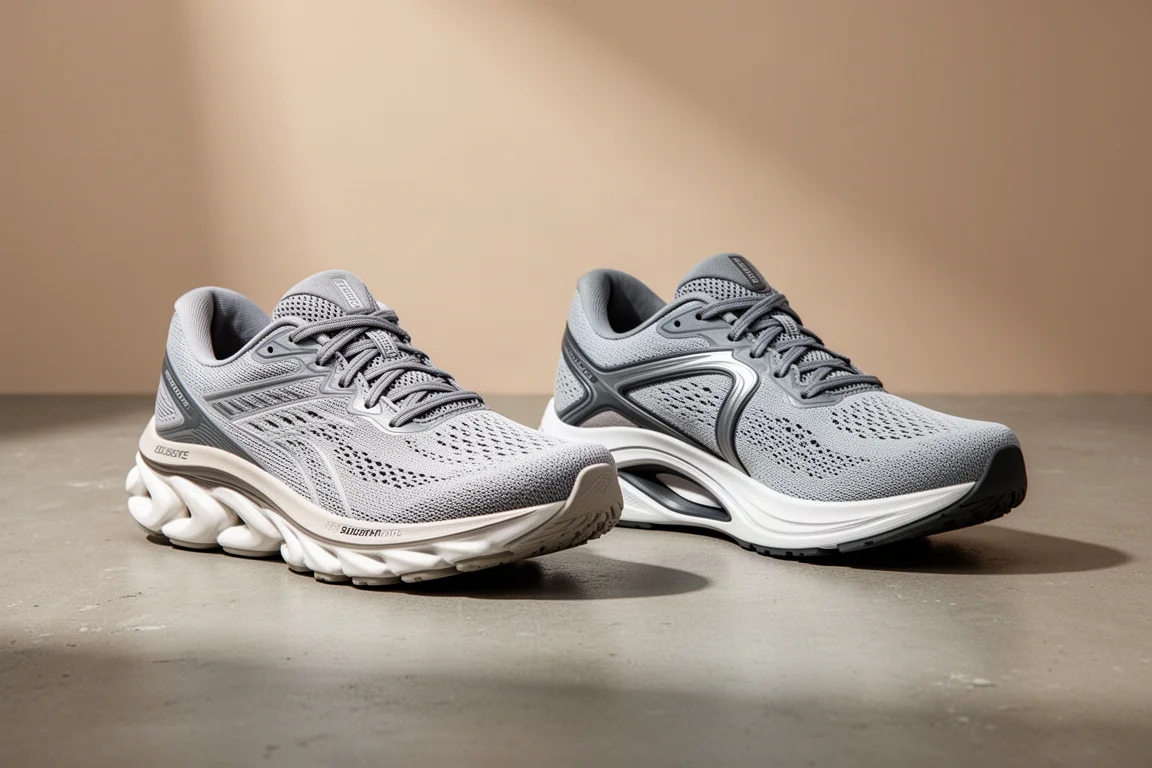
Two modern stability shoes with very different philosophies: the plush, comfort-first Gel-Kayano 30 and the versatile, nimble Saucony Tempus.
Introduction
Stability shoes have changed. The old formula of bulky, rigid support platforms has given way to a spectrum of designs, from shoes with just a touch of guidance to full-on support models. Two of the most interesting examples right now are the ASICS Gel-Kayano 30 and the Saucony Tempus. Both have been thoroughly tested across easy runs, long runs and faster sessions, and while both are very good, they sit at opposite ends of that stability spectrum. Here is how they compare.
Specs at a Glance
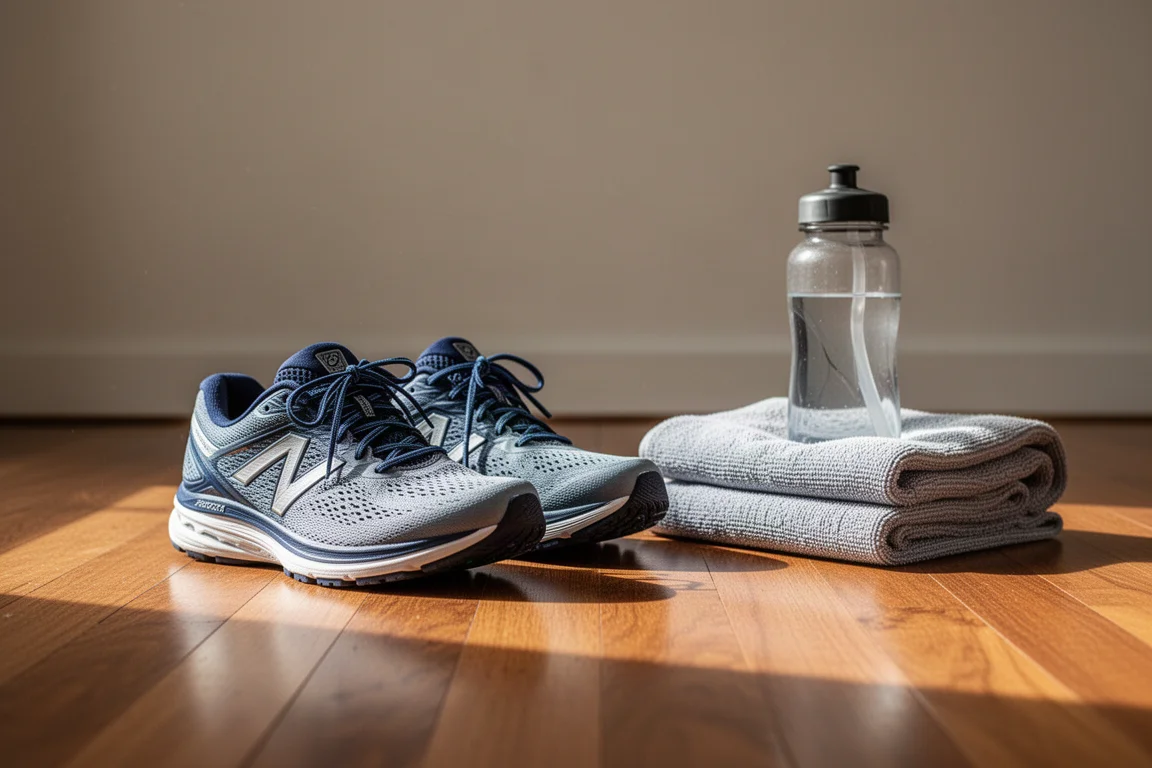
The Saucony Tempus costs £170 or $160, weighs 263g (9.3oz) for men in a size 8, and has an 8mm drop. The ASICS Gel-Kayano 30 costs £180 or $160, weighs 300g (10.6oz) in the same size, and has a 10mm drop. Both shoes fit true to size, though the Kayano 30 is the roomier option with generous forefoot space and plenty of padding, while the Tempus runs slightly narrower and more restrictive without causing any real fit issues.
ASICS Gel-Kayano 30: A Modern Take on Stability
The Gel-Kayano line has long been synonymous with all-out stability, but older versions felt chunky and rigid, with little of the performance experience found in comparable neutral shoes. The Gel-Kayano 30 is one of the biggest revamps the line has seen in a long time, and it genuinely changes the experience.
It features increased cushioning, a new FF Blast Plus Eco foam, and a 4D Guidance System designed to provide a more natural level of stability rather than forcing the foot into a corrective motion. Pure Gel technology under the heel adds comfort and minimizes impact, while a stretchy engineered mesh upper improves fit and breathability. The outsole carries a generous layer of rubber with sections of AHAR Plus on the heel.
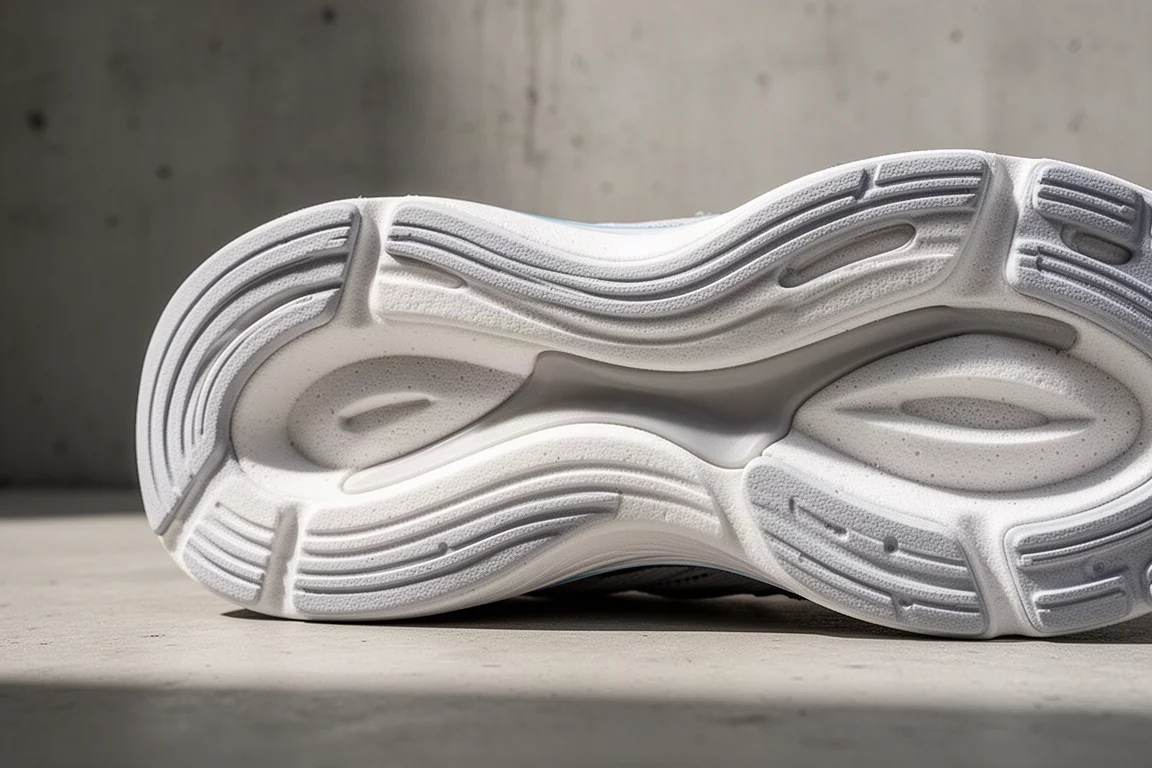
On the run, the Kayano 30 feels softer than expected, with a nice fluid motion. It is still a slow-day shoe rather than a pace-day shoe: the sweet spot sits around 5:20 per kilometre for easy and long runs, and it struggles to pick up the pace much beyond roughly 4:50 per kilometre. With around 60k of testing logged, it slots comfortably into the daily cushioned trainer category, delivering support without the hulking feel of previous Kayanos.
Saucony Tempus: Stability With a Sprinkling of Support
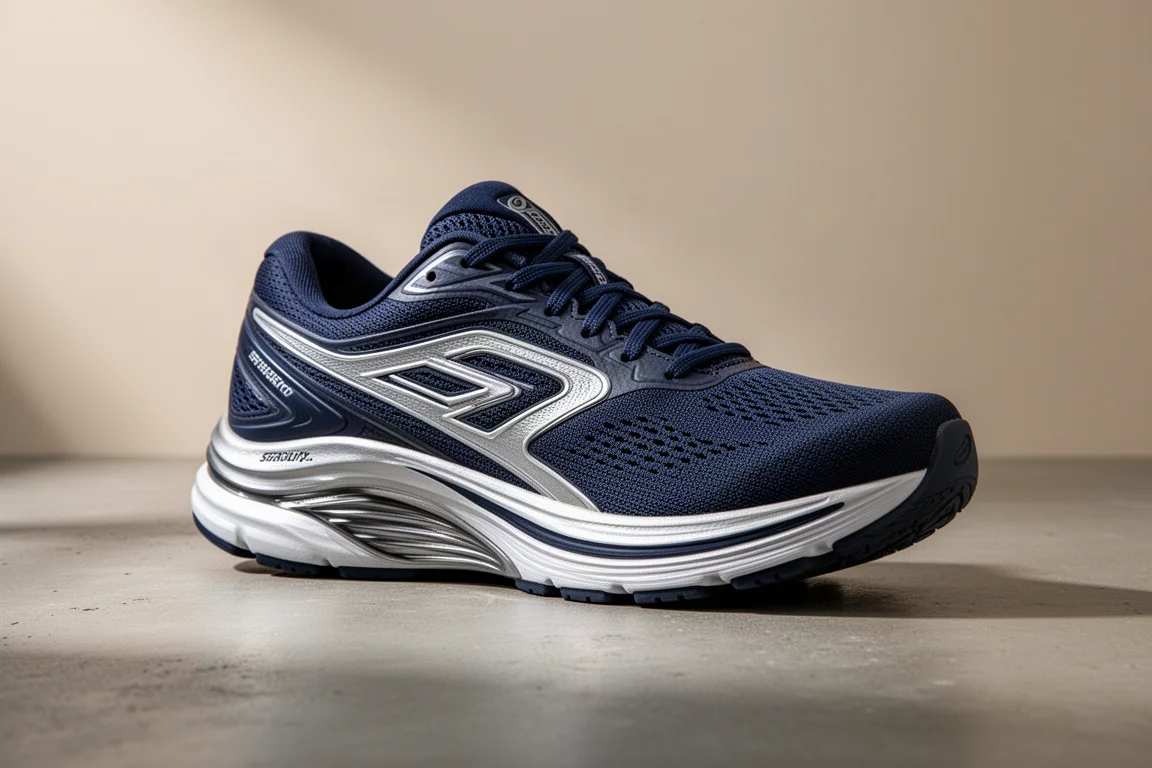
The Tempus sits at the other end of the spectrum: a stability shoe that balances performance features with supportive elements. Support comes from a contoured PWRRUN PB midsole frame combined with a deeper midsole design that holds the foot in place, delivering a soft, bouncy and responsive ride without sacrificing control. Other highlights include an XT-900 outsole for grip and durability, a breathable mesh upper, an adaptive lacing design and a FormFit upper for a personalized fit.
Unlike the Kayano 30, the Tempus does not feel like a stability shoe at all. It feels like a versatile daily trainer, nimble enough for interval and fartlek sessions while still holding the foot securely in place. It is not rigid, it flexes naturally, and it shares some design DNA with the Saucony Endorphin Speed 3, though it lacks the plate. The transition feels fluid and quick, and the outsole offers excellent grip across different road surfaces, arguably better than the Kayano 30’s.
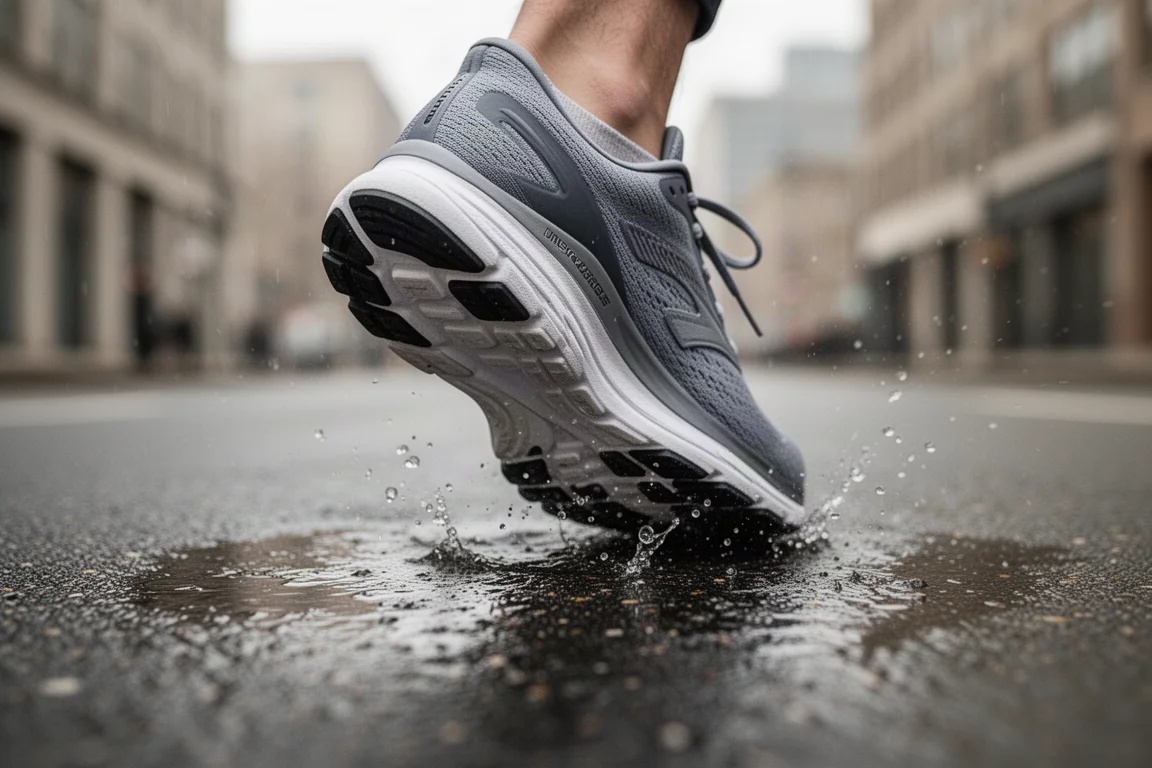
For runners who want a bit of stability but still want a shoe that can pick up the pace, the Tempus is a genuinely impressive option and arguably the best stability shoe in Saucony’s current line.
Which One Should You Buy?
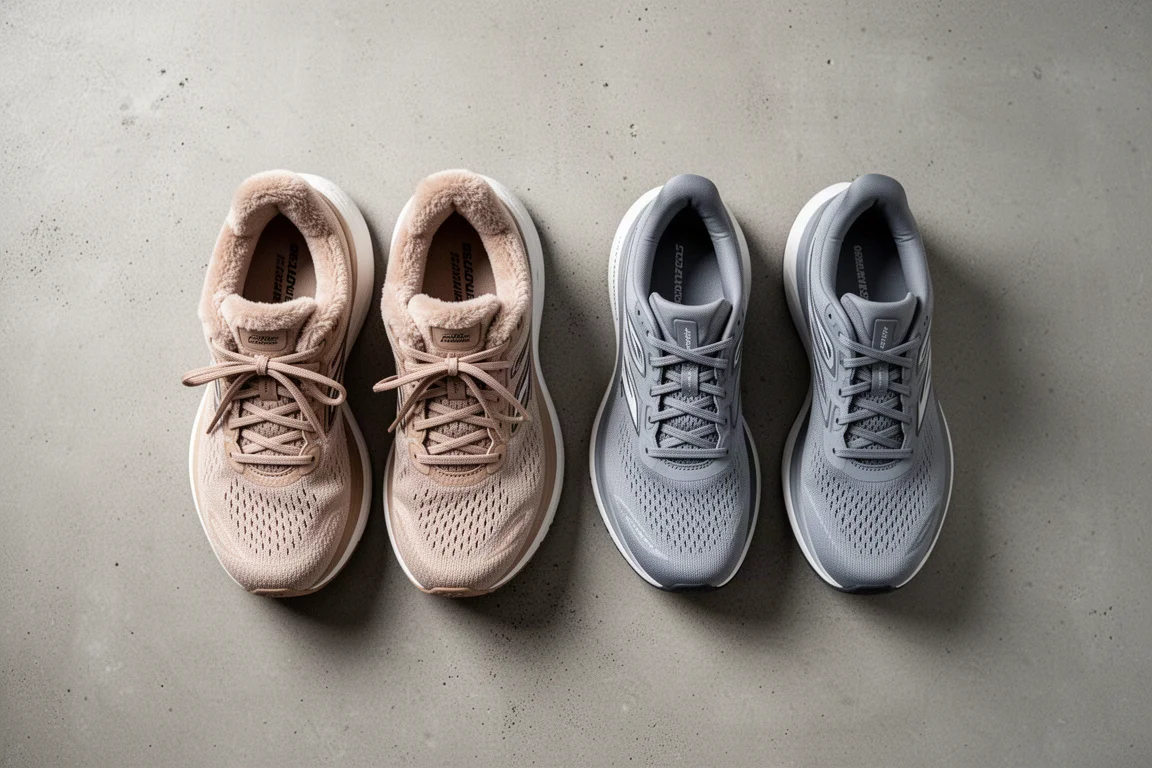
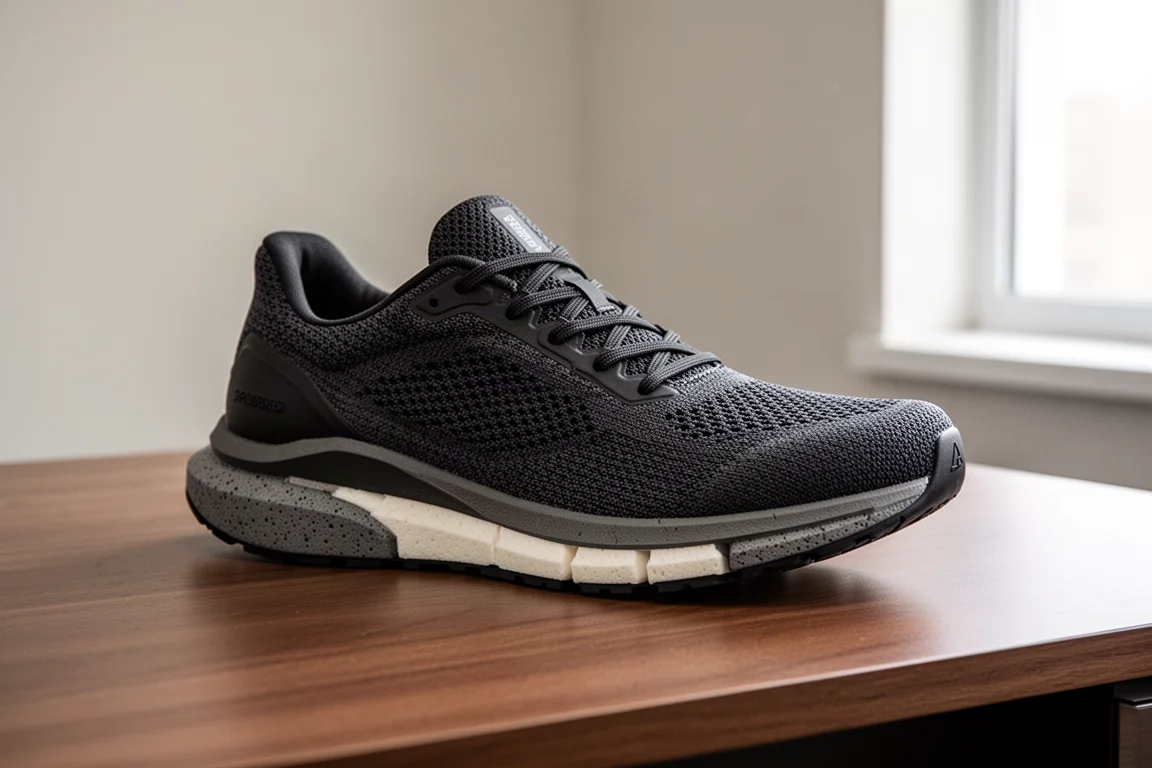
If you need a high level of support and your running revolves around easy and long runs, the ASICS Gel-Kayano 30 is the stronger pick. It is a solid, cushioned, comfortable shoe with real stability, and a vast improvement on earlier versions of the line. If you want only a light touch of stability but maximum versatility, the Saucony Tempus is the better choice. It is the more well-rounded shoe of the two, and the overall preference if forced to choose.
Conclusion
Both shoes represent a fantastic development in the stability category. The Gel-Kayano 30 proves that a full-support shoe can finally be comfortable and enjoyable, while the Tempus shows how far a lightly stable daily trainer can go. Match the shoe to the level of support you actually need, and you cannot really go wrong with either.
Further reading
Related Reviews

Running Shoes
Best Road-to-Trail Running Shoes: Three Versatile Options for Mixed Terrain
A practical guide to three road-to-trail running shoes that handle both pavement and mild trails, with clear strengths and trade-offs for different runner types.

Running Shoes
Best Running Shoes for Achilles Tendonitis: Three Options Explained
Three running shoes with different heel drops and support features designed to help reduce Achilles tendon pain during walking and running.

Running Shoes
Best Running Shoes for Women: Five Top Choices Ranked
A ranked guide to five women's running shoes, from versatile daily trainers to high-performance racing options, with real strengths and trade-offs for each.