Running Shoes
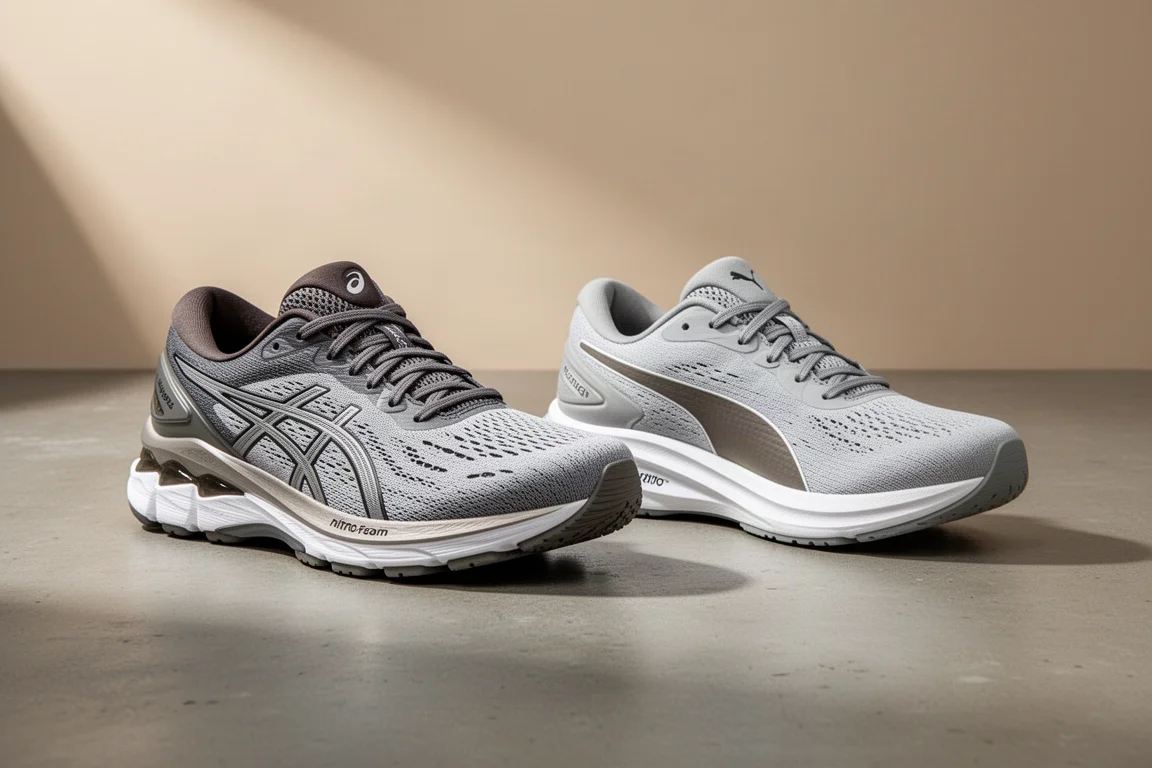
ASICS GEL-Kayano 30 vs Puma Forever Run Nitro: Which Stability Shoe Fits You?
Two modern stability trainers at very different ends of the support spectrum. We compare cushioning, fit, pace range, and grip to help you pick the right one.
Introduction
Stability running shoes have changed a lot in recent years, and these two trainers show just how wide that spectrum has become. The ASICS GEL-Kayano 30 is one of the biggest updates that long-running line has ever had, while the Puma Forever Run Nitro leans toward subtle support in a lighter, more versatile package. Both are good shoes, but they serve noticeably different runners. Here is how they compare on cushioning, fit, stability, and pace.

At a Glance: Specs and Pricing
The ASICS GEL-Kayano 30 costs 180 pounds or 160 dollars, weighs 300 grams (10.6 ounces) for men in a size 8, and has a 10mm drop. The Puma Forever Run Nitro costs 140 pounds or 150 dollars, weighs 270 grams (9.5 ounces) in the same size, and also has a 10mm drop. So the Puma is lighter and cheaper, while the ASICS is the heavier, more cushioned option of the two.
ASICS GEL-Kayano 30: Refined Stability, More Comfort
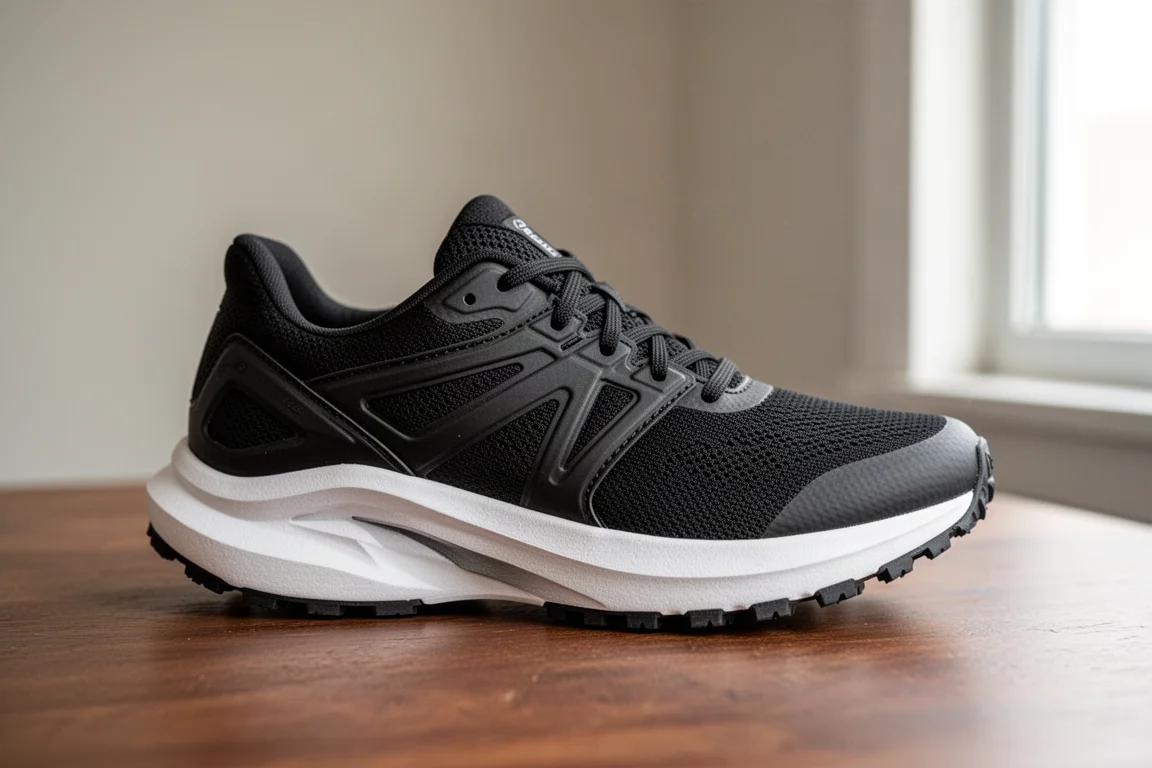
The GEL-Kayano line has long been synonymous with all-out stability, historically offering little versatility for runners who wanted a balance of support, comfort, and enjoyment. The Kayano 30 changes that with one of the biggest revamps in the shoe’s history: increased cushioning, a new FF BLAST PLUS eco foam, and a 4D guidance system that aims for a more natural level of stability. Pure GEL technology sits under the heel to minimize impact, and a stretchy engineered mesh upper improves fit and breathability. A generous layer of outsole rubber, with AHAR PLUS sections on the heel, rounds out the design.
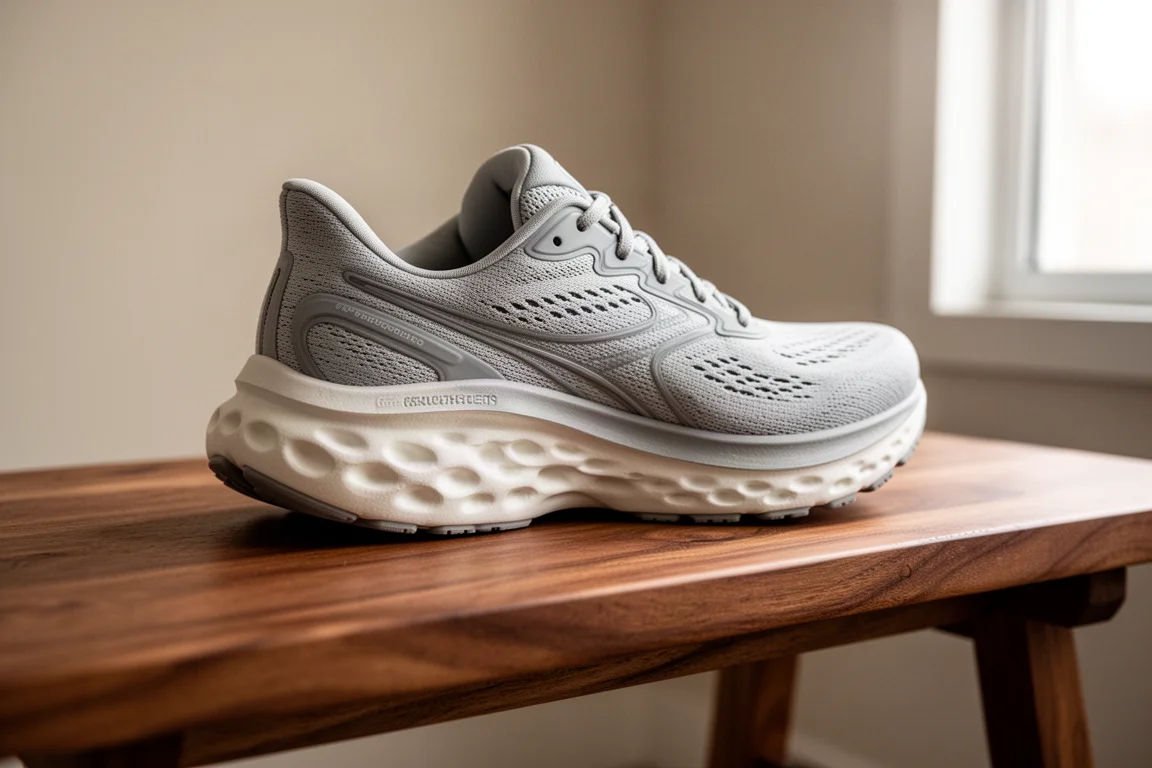
On the run, the midsole is noticeably more forgiving and a bit bouncier than previous versions. It still holds your foot in place, but the stability elements feel less rigid and less obvious than before. The shoe leans toward comfortable daily trainer territory rather than full-on stability, and after roughly 80km of testing, it earns genuine praise as the best update the line has received. If you want a cushioned cruiser with real support underneath, this is now a much more accessible option, whether that’s easy runs, long runs, recovery days, or even a comfortable marathon. Cruising pace sits around 5:20 per kilometer for most testers; pushing 4-minute kilometers is a struggle in a shoe that is still a bit of a beast.
Puma Forever Run Nitro: Subtle Support, Better Speed
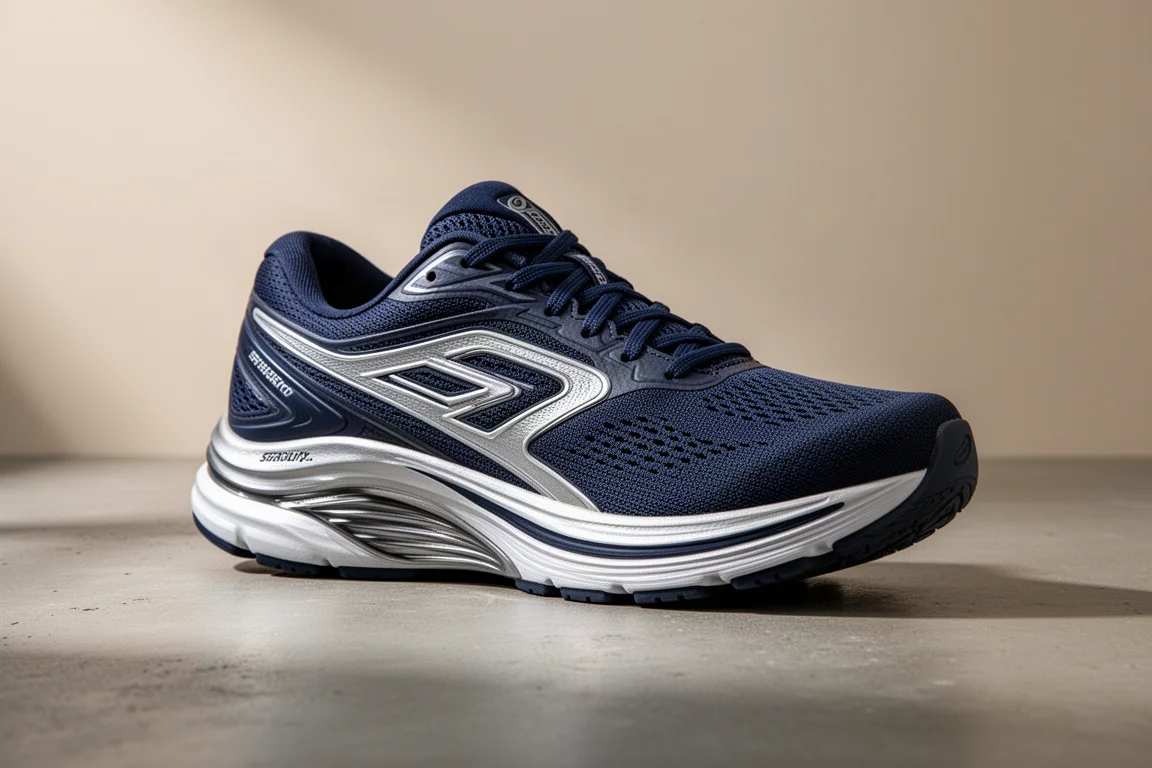
The Puma Forever Run Nitro veers toward the subtle side of support. Its Nitro midsole uses two foam densities, a softer middle and a firmer outer, aiming to be both responsive and cushioned. There’s an asymmetrical heel counter, a wider medial rubber segment for stability, power tape on the upper for support, a run guide rail to keep the foot centrally aligned, and an impressive PUMAGRIP outsole for traction across different terrains and conditions, including wet roads.
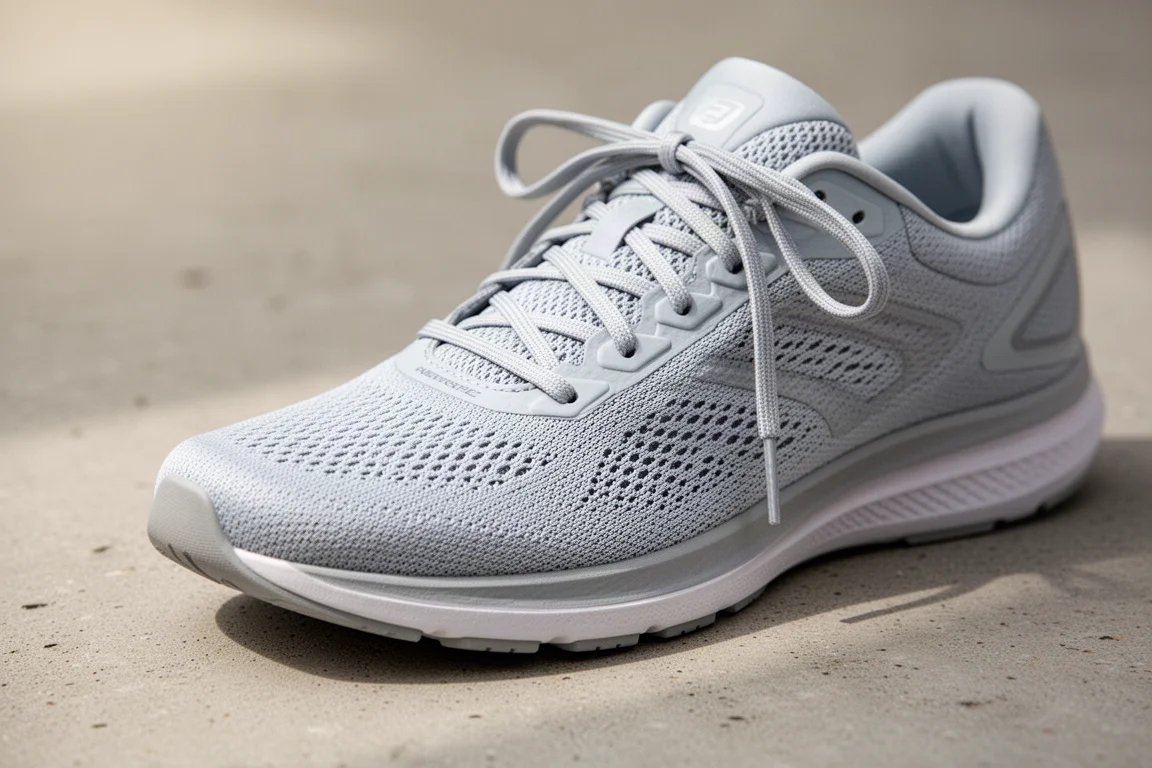
That subtlety cuts both ways. If you need a lot of stability, you probably won’t get it from this shoe; the stability elements are easy to miss unless you’re actively looking for them. What you do get is a comfortable, versatile ride with a relatively soft but responsive midsole that can handle daily training miles, longer slower runs, and even picking up the pace toward 4-minute kilometers. It’s not the fastest or bounciest shoe and won’t compete with carbon plate racers, but it has enough versatility for park runs, half marathon training, and everything between. The trade-offs are fewer stability elements, less padding, and a fit issue: the leaner upper is hard to lock down, laces tend to loosen mid-run, and most testers find themselves double-knotting them. Grip, however, is genuinely excellent and among the best outsoles you’ll find on any shoe right now.
Which One Should You Buy?
It comes down to how much stability you want and what you’ll use the shoe for. If you want an all-out stability shoe for comfortable runs, easy runs, and long runs, or you’re running a marathon and want dependable support to get you to the finish, the GEL-Kayano 30 is the stronger pick and a far better shoe than its predecessors. If you’re a runner who only needs a little bit of stability and wants something more versatile and quicker for varied training, the Forever Run Nitro makes sense, provided you can live with the fit quirks. Grip on both is very good; the Puma outsole edges ahead, but the ASICS is absolutely fine with no issues despite some exposed midsole.

If neither fits quite right, the Saucony Tempus is worth a look as an alternative. It’s firmer, more responsive, locks down better than the Puma, and has proven itself in faster marathon training sessions.
Conclusion
Both of these are very good shoes sitting at opposite ends of the modern stability spectrum. The ASICS GEL-Kayano 30 delivers genuine, refined support with much-improved comfort, while the Puma Forever Run Nitro trades some of that support for a lighter, nippier, more versatile ride. Decide how much stability you actually need, and the choice between them becomes pretty easy.
Further reading
Related Reviews

Running Shoes
Best Road-to-Trail Running Shoes: Three Versatile Options for Mixed Terrain
A practical guide to three road-to-trail running shoes that handle both pavement and mild trails, with clear strengths and trade-offs for different runner types.

Running Shoes
Best Running Shoes for Achilles Tendonitis: Three Options Explained
Three running shoes with different heel drops and support features designed to help reduce Achilles tendon pain during walking and running.

Running Shoes
Best Running Shoes for Women: Five Top Choices Ranked
A ranked guide to five women's running shoes, from versatile daily trainers to high-performance racing options, with real strengths and trade-offs for each.