Running Shoes
ASICS GEL-Kayano 30 vs Hoka Gaviota 5: Two Max-Cushion Stability Shoes Compared
Two popular stability shoes with similar goals but very different drops, fits, and stability approaches. Here is how to pick the right one.
Introduction
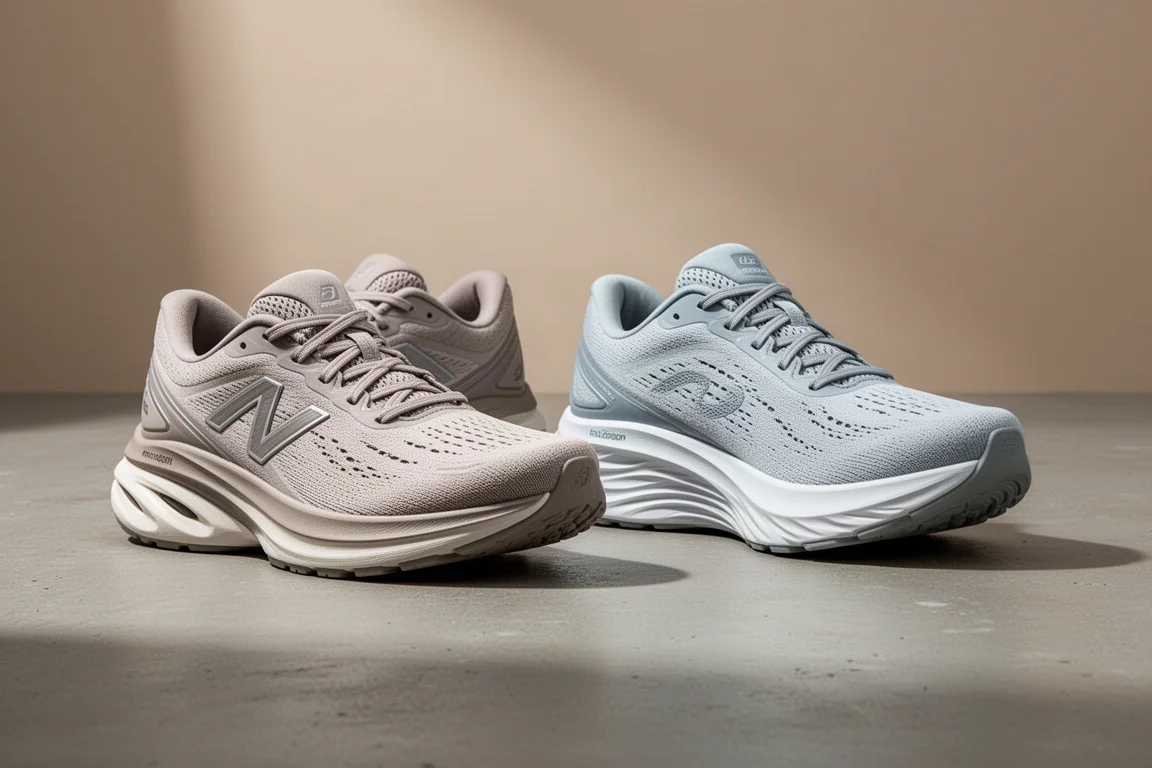
The ASICS GEL-Kayano 30 and the Hoka Gaviota 5 occupy very similar territory: both are max-cushion shoes, both sit on the higher end of the stability spectrum, and both have moved toward guidance-based stability rather than the heavy-handed methods of older generations. They are also popular well beyond running. You will spot them on walkers, travelers, and plenty of healthcare professionals who spend long shifts standing on their feet.
Because the similarities are real but the differences are significant, choosing between them comes down to a few key factors: drop, ride, fit, and how each shoe delivers its stability. Here is how they compare.
Weight, Stack Height, and Drop
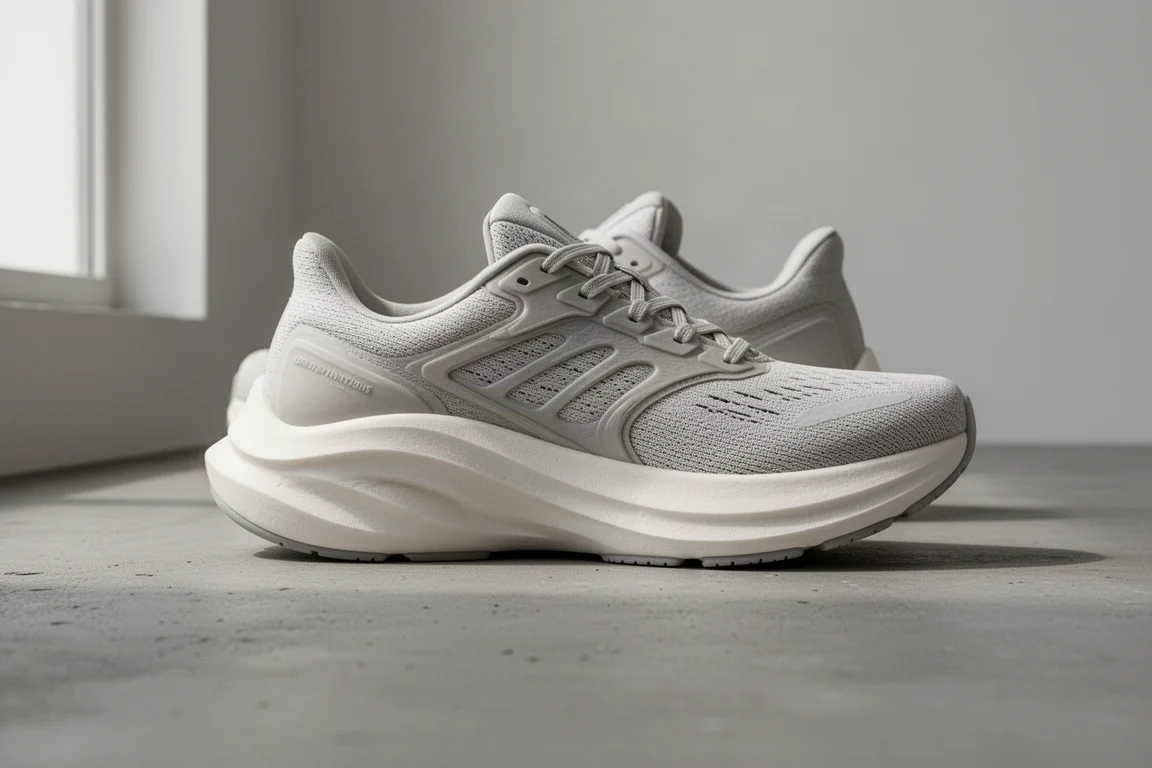
In comparable sizes, the Hoka Gaviota 5 comes in at roughly 10.9 oz (about 308 g), while the Kayano 30 weighs in at about 11.3 oz (around 318 g). The Gaviota does feel a touch lighter on the foot, and there is a reason for that that becomes clearer in the fit discussion.
Stack heights differ meaningfully. The Gaviota 5 measures 38.5 mm in the heel and 32.5 mm in the forefoot for a stated 6 mm drop, though it feels much lower than that on the foot. The Kayano 30 runs 40 mm in the heel and 30 mm in the forefoot for a 10 mm drop, and that difference is genuinely noticeable.
In practical terms: if you want a low-drop feel with stability built in, the Gaviota 5 is the stronger option. If you have a stiffer ankle or tighter calves and need something with a higher drop, the Kayano 30’s geometry will likely suit you better.
Ride and Heel Transition
The ride character is where these two diverge in feel. While running, the Kayano 30’s posterior heel flare makes the rearfoot feel a little clunky during heel transitions. It is better than earlier versions of the shoe, but the effect is there. Walking, however, that same heel feels totally fine.
The Gaviota 5’s more aggressive rocker heel makes heel transitions feel noticeably smoother both walking and running, so it wins if you prefer a beveled heel geometry. At the front of the shoe, the situation flips: the Kayano 30 has a slightly smoother forefoot, while the Gaviota 5’s forefoot feels a touch stiffer. Neither is especially flexible, but if a smoother forefoot matters to you, the Kayano 30 has the edge.
Fit and Uppers
Both shoes have moved to wider fits compared to their previous, more snugly-fitting versions, but they are not equally wide. The Kayano 30 is slightly wide; the Gaviota 5 is really wide. If you want maximum toe splay and generous volume, the Gaviota 5 is the better pick. If you just want a bit more breathing room, the Kayano 30 hits that sweet spot.
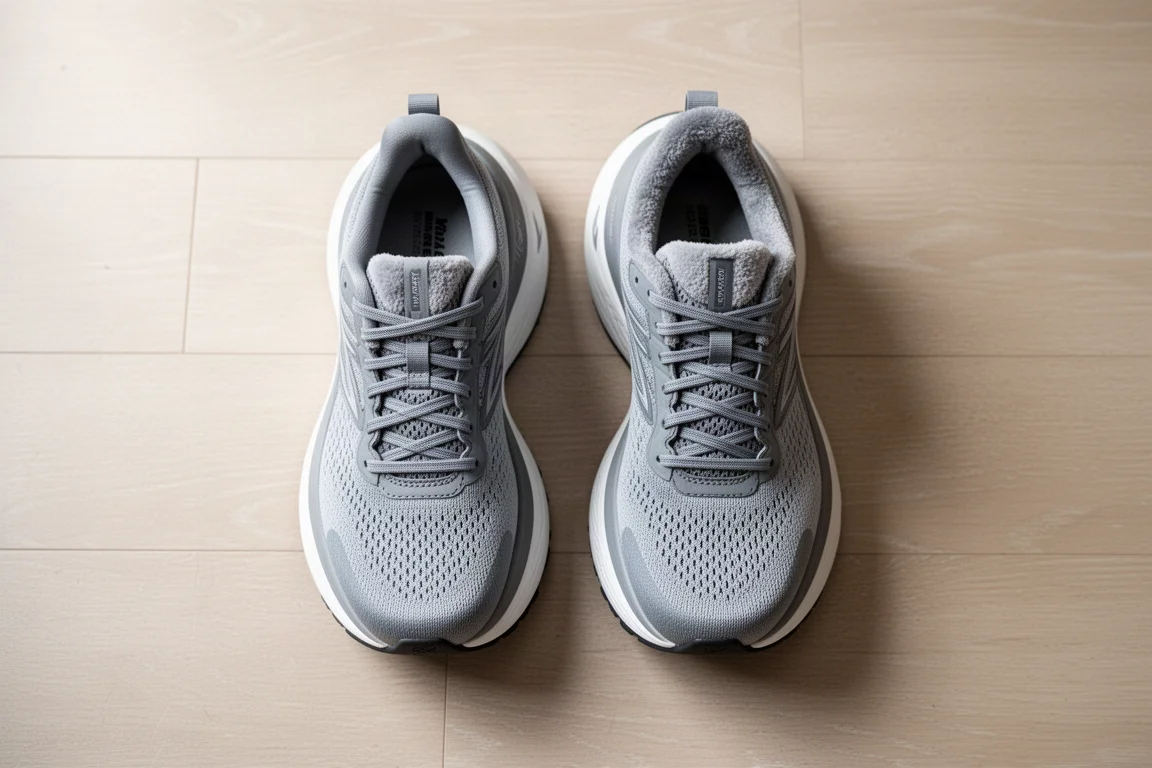
Both use fairly plush uppers that lock down without issues. The Kayano 30’s upper is a little thicker, and the Gaviota 5’s a little thinner, though both are still on the plush, slightly thicker side overall.
Cushioning Feel
The Kayano 30 sits slightly firmer underfoot, while the Gaviota 5 feels a bit softer. Both deliver a substantial amount of cushioning, so this is a nuance rather than a night-and-day difference. If you lean toward a softer, more marshmallow-like ride, the Gaviota 5 will feel more at home; if you want max cushion with a hint more structure, the Kayano 30 fits that description.
How Each Shoe Handles Stability
Both shoes take a stable-neutral approach: wide bases and big sidewalls rather than a traditional medial post. But what happens after that base is built is where they differ in interesting ways.
The Kayano 30 is a surprise in this respect. Its stability feels remarkably well integrated, with no post-like sensation. There is medial pressure along the length of the shoe, but it blends into a genuinely stable feel on both sides. ASICS also includes its 4D Guidance system, which uses a softer, bouncier foam designed to bounce you back out of overpronated landings. Honestly, that specific bounce effect is hard to detect while walking or running; what you get instead is a fairly smooth and very stable ride.
The Gaviota 5 switches to what Hoka calls an H frame: thicker material through the midfoot with lateral extensions meant to resist unwanted motion. This shoe has a fairly high arch feel with noticeable pressure on the medial side of the midfoot. If you want that higher arch sensation, the Gaviota 5 delivers it. If you would rather have well-integrated medial stability without that pressure, the Kayano 30 is the better match.

Conclusion
Both of these are good, comfortable shoes, but they are ultimately fairly different. Choose the Hoka Gaviota 5 if you want a lower-feeling drop, a smoother rocker heel, a softer ride, a very wide fit, and a higher arch sensation. Choose the ASICS GEL-Kayano 30 if you prefer a higher 10 mm drop, a smoother forefoot, a slightly firmer and more structured ride, a slightly wide but not voluminous fit, and stability that disappears into the ride. Matching those traits to your own feet and stride is what will make either choice a good one.
Product link
View more details for ASICS GEL-Kayano 30
This product is mentioned in the review. Check the specifications, options, and compatibility before buying.
View more details for ASICS GEL-Kayano 30Further reading
Related Reviews

Running Shoes
Best Road-to-Trail Running Shoes: Three Versatile Options for Mixed Terrain
A practical guide to three road-to-trail running shoes that handle both pavement and mild trails, with clear strengths and trade-offs for different runner types.

Running Shoes
Best Running Shoes for Achilles Tendonitis: Three Options Explained
Three running shoes with different heel drops and support features designed to help reduce Achilles tendon pain during walking and running.

Running Shoes
Best Running Shoes for Women: Five Top Choices Ranked
A ranked guide to five women's running shoes, from versatile daily trainers to high-performance racing options, with real strengths and trade-offs for each.