Running Shoes
ASICS Gel-Kayano 30 vs Brooks Adrenaline GTS 23: Which Stability Trainer Fits Your Run?
Two of the most popular stability shoes face off: a fully redesigned Kayano 30 with a softer, wider ride versus the consistently familiar Adrenaline GTS 23.
Introduction
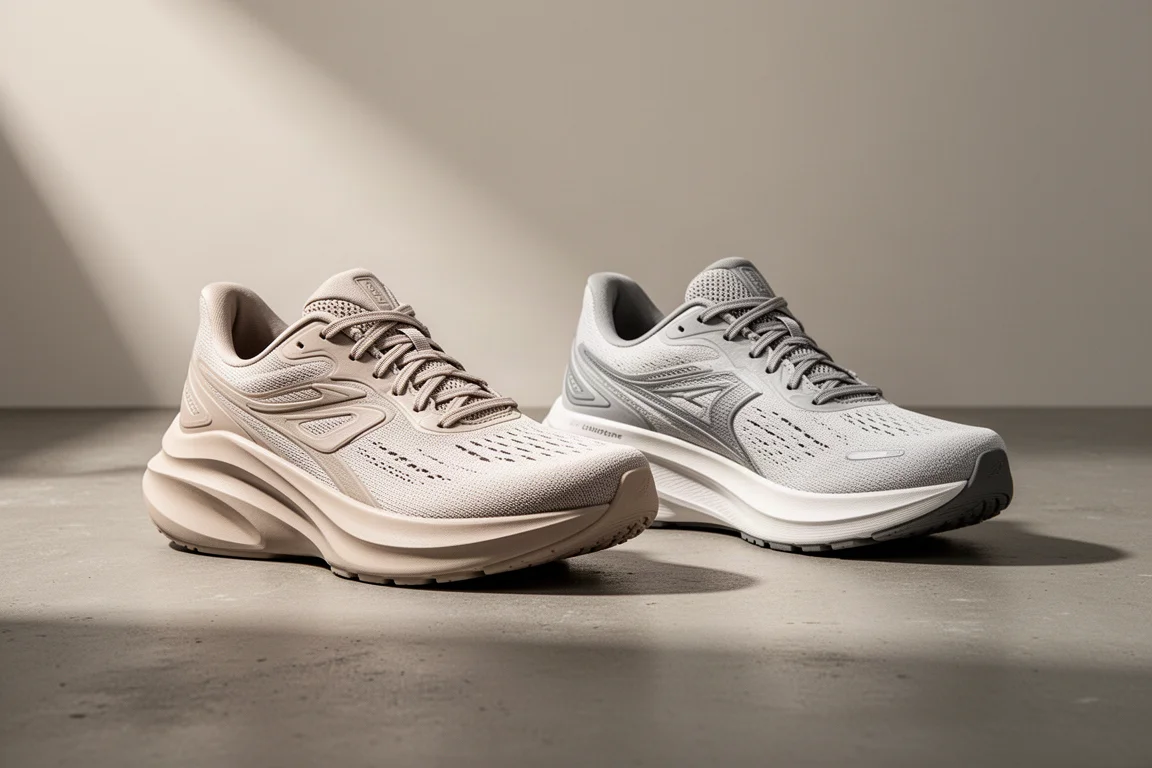
Stability shoes rarely get this interesting. The Brooks Adrenaline GTS 23 has stayed remarkably consistent across recent versions, refining a formula long-time wearers know exactly what to expect from. The ASICS Gel-Kayano 30, by contrast, is a completely different shoe from prior editions of the series: softer, wider, and built around a more natural guidance approach.
Both are moderate to high stability daily trainers and both are extremely popular for running, walking, and casual wear. That popularity is exactly why the comparison matters, because despite the shared category, these two shoes are now very different products that will suit very different feet and running styles.
Specs and Weight: Two Very Different Builds
On paper, the differences are immediate. The Kayano 30 comes in at 10.7 ounces for men’s size 9 and 9.3 ounces for women’s size 8, with a 40mm heel and 30mm forefoot for a 10mm drop. The Adrenaline GTS 23 is lighter at 10.1 ounces for men’s size 9 and 9.1 ounces for women’s size 8, with a reported 36mm heel and 24mm forefoot stack, giving it a 12mm drop it has carried for quite some time.
That half-ounce-plus weight difference is noticeable on foot. The foams are just as different: the Adrenaline uses DNA Loft v2, a touch softer than before but broadly familiar, while the Kayano 30 uses FF Blast Eco Plus with pure Gel for a much softer, maximalist ride.
Fit and Upper: A Real Fork in the Road
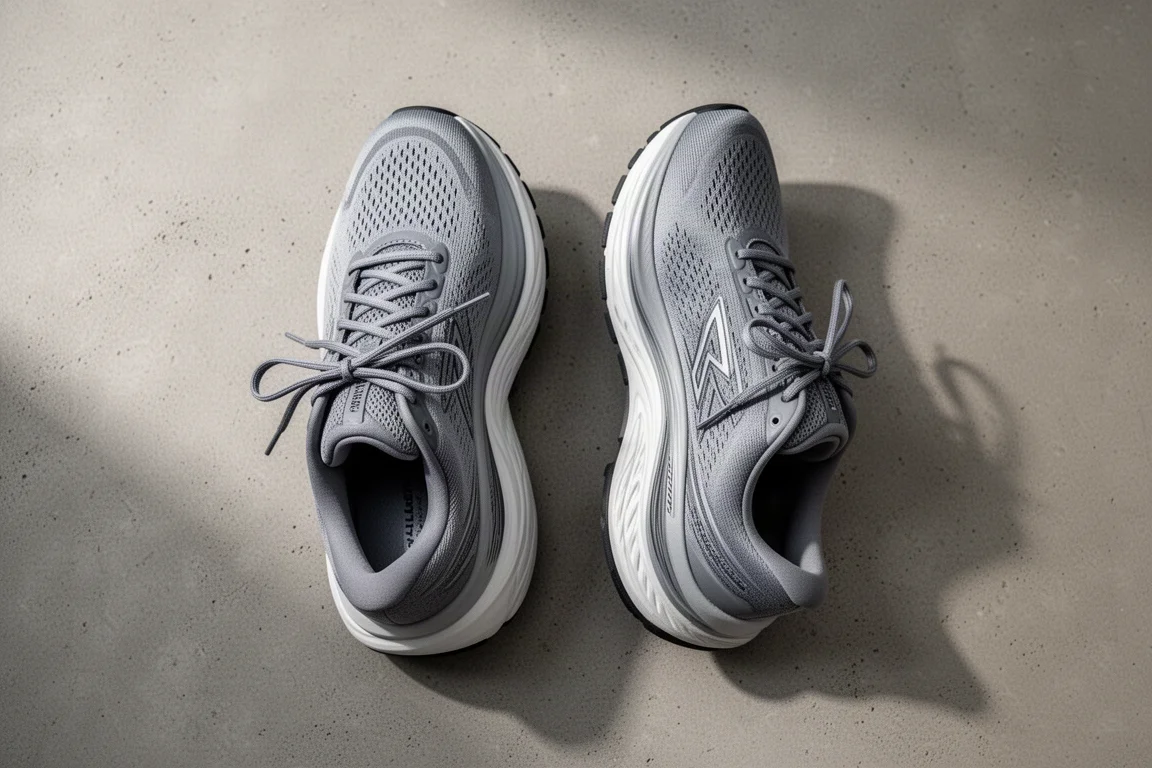
The Adrenaline GTS 23 fits like a normal-width shoe with a slightly snug forefoot. Security is excellent, but it is not the pick for wider feet. If that sounds like you, the Glycerin or a wide version of this shoe is the better route.
The Kayano 30 used to fit similarly, but the new version has much more width throughout the upper. The wider sole and natural guidance concept give toes room to spread, though the volume sits a little low, which keeps the foot from sliding around. Runners with normal or slightly wider feet will likely enjoy it, especially on long days. It is also the more premium model of the two, with a higher price to match.
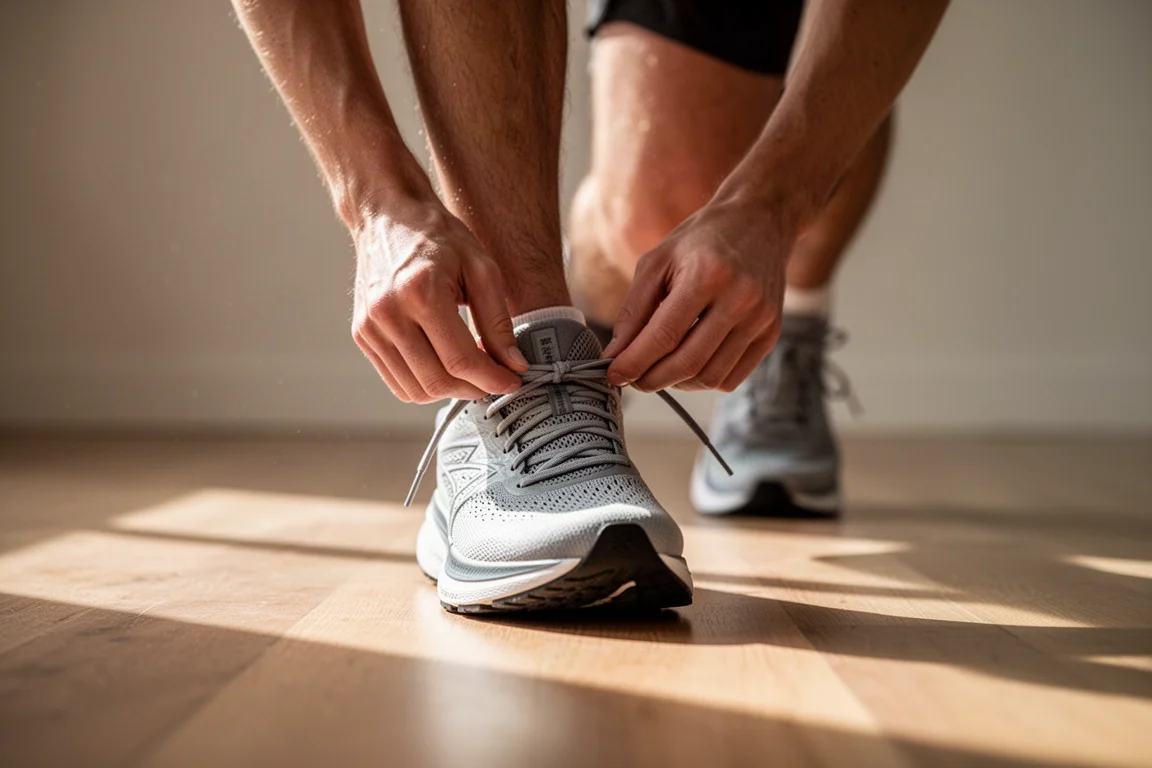
Heel counters are stiff on both, but the Kayano has noticeably more padding back there, which will suit runners with sensitive heels. The Adrenaline’s heel counter is more felt on foot, though it does lock the heel down a bit better.
Stability: Two Philosophies of Support
Brooks pairs its GuideRails system with what is still, to the best of current understanding, a medial post on the inside of the shoe. The result is a moderate-to-high stability feel right away, with a stiffer heel, less bevel, and a touch of traditional heel clunkiness.
The Kayano 30 takes the opposite route. Its wide platform, sidewalls, and internal geometry work together for integrated stability along the whole shoe, with a mild medial element that took around 40 miles to even start feeling. There is no aggressive post here, and the forefoot stability from the wider base is genuinely good.
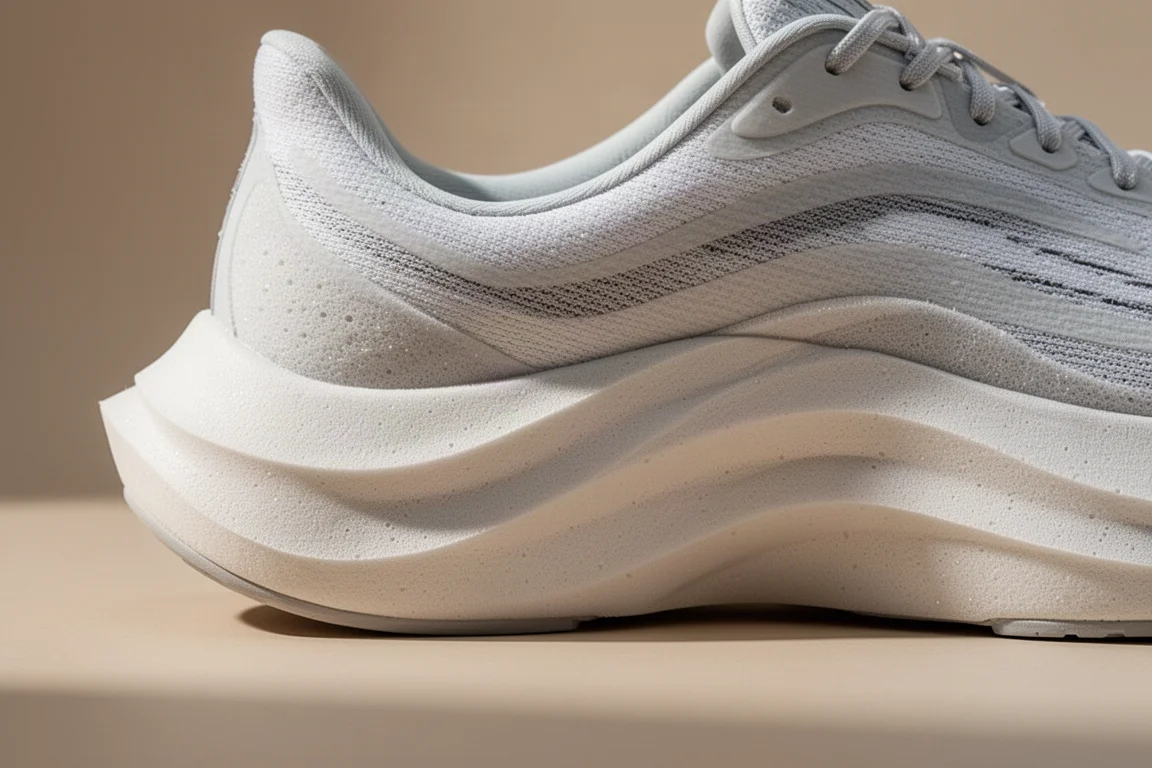
If you want or need a traditional medial post, the Adrenaline will work well and the Kayano may not be enough. If you are sensitive to posts but still need real stability, the Kayano is the stronger choice. It is stable, just executed differently. It also never caused the knee irritation that overly stiff stability shoes can trigger.
Ride Feel: Cushion Versus Snappiness
The Kayano 30 is all about a soft, protective ride. The foam compresses well, the transition is smooth, and the heel is finally a bit more rounded, though not as rounded as it could be. Flexibility is limited, and it is built for longer, easier miles. It is not a fast-workout shoe. Fartlek attempts in it did not go well, and that is simply not what it is for.
The Adrenaline is a different story. At around 10 ounces it sits on the lighter end for stability trainers, and the firmer forefoot gives it a snappier, more nimble feel. It handled a fartlek well on a first run and can pick up the pace when needed, even though it is not a true speed shoe. The Launch GTS and Hyperion GTS remain better fast options.

Durability looks promising on both. With over 50 miles on the Kayano and around 40 on the Adrenaline, there has been almost no outsole wear, which is what you would expect from daily trainers at this level.
Buying Advice: Which One Is Right for You?
If you have worn the Adrenaline for years, relax. It is a touch softer than before and otherwise remains your beloved Adrenaline, same fit philosophy, same traditional stability feel.
If you are a long-time Kayano user, be ready for something genuinely new. The softer, wider, more modern design is a big departure. You may love it, or you may find yourself looking elsewhere, but it is a well-executed update that brings the series in line with current thinking on stability design.
Conclusion
These are both solid stability shoes, but they are no longer close substitutes. The Kayano 30 delivers a cushioned, integrated-stability experience for easier miles and slightly wider feet, while the Adrenaline GTS 23 stays lighter, snappier, and more traditionally structured. Choose based on your foot shape, your sensitivity to medial posts, and whether you want cushion or responsiveness from your daily trainer.
Product link
View more details for Asics Gel Kayano 30
This product is mentioned in the review. Check the specifications, options, and compatibility before buying.
View more details for Asics Gel Kayano 30Further reading
Related Reviews

Running Shoes
Best Road-to-Trail Running Shoes: Three Versatile Options for Mixed Terrain
A practical guide to three road-to-trail running shoes that handle both pavement and mild trails, with clear strengths and trade-offs for different runner types.

Running Shoes
Best Running Shoes for Achilles Tendonitis: Three Options Explained
Three running shoes with different heel drops and support features designed to help reduce Achilles tendon pain during walking and running.

Running Shoes
Best Running Shoes for Women: Five Top Choices Ranked
A ranked guide to five women's running shoes, from versatile daily trainers to high-performance racing options, with real strengths and trade-offs for each.