Running Shoes
Asics Gel-Kayano 30 vs Gel-Kayano 29: A New-Age Stability Shoe Meets a Traditional Favorite
The Gel-Kayano 30 rebuilds Asics' premium stability shoe around geometric guidance and a high-stack ride, while the Kayano 29 sticks to a more traditional formula. Here is how they compare.
Introduction
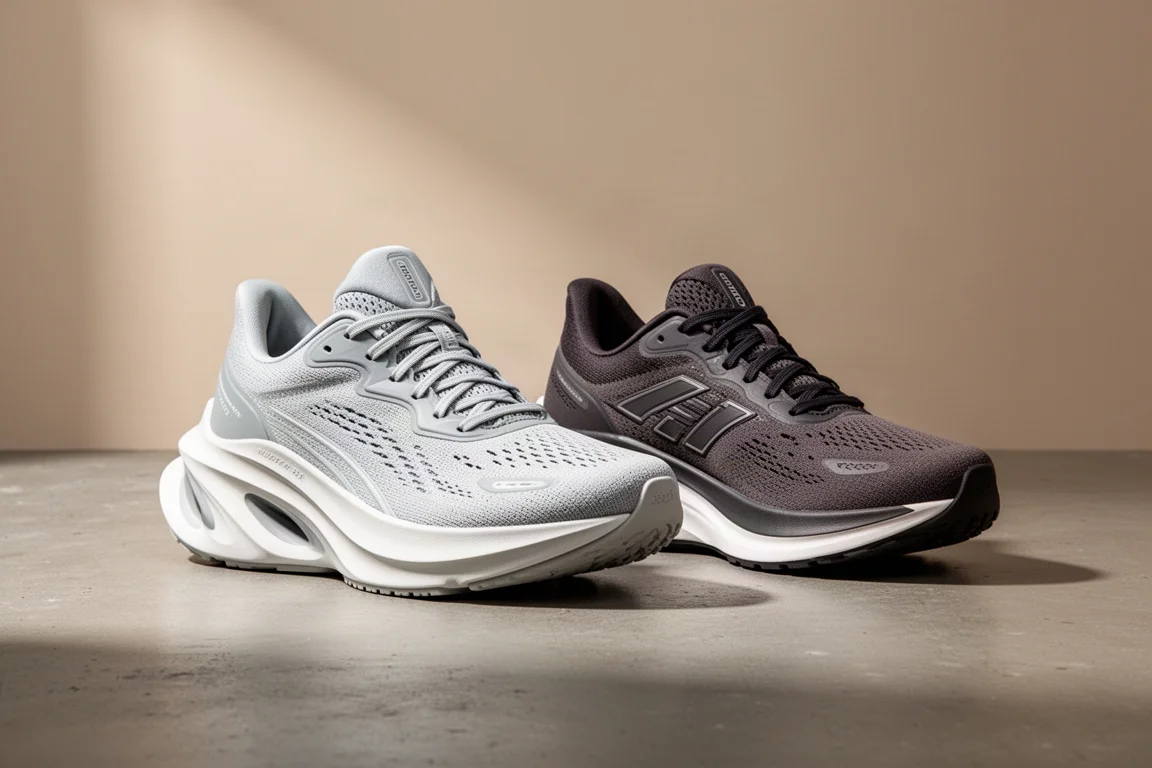
The Asics Gel-Kayano 30 and Gel-Kayano 30’s predecessor, the Kayano 29, could hardly be more different as daily trainers, yet both still carry the essence of the Kayano series. The Kayano 30 is arguably the strongest version of the line in years, taking the modern concept of “stable neutral” and packing it into a premium, high-stack daily trainer. The Kayano 29, by contrast, represents the traditional Kayano formula that runners have known for years.
This comparison looks at how the two differ in ride, stability approach, fit, and who each shoe is best suited for.
Specs and Build Comparison
Weight-wise, the two are closer than the official numbers suggest. The Kayano 30 is listed at around 10.7 ounces in a men’s size 9, slightly heavier than the 10.5 ounces listed for the Kayano 29. On the scale, both weighed exactly the same at 11.4 ounces in men’s size 10, and the Kayano 30 actually feels lighter thanks to its livelier foam.
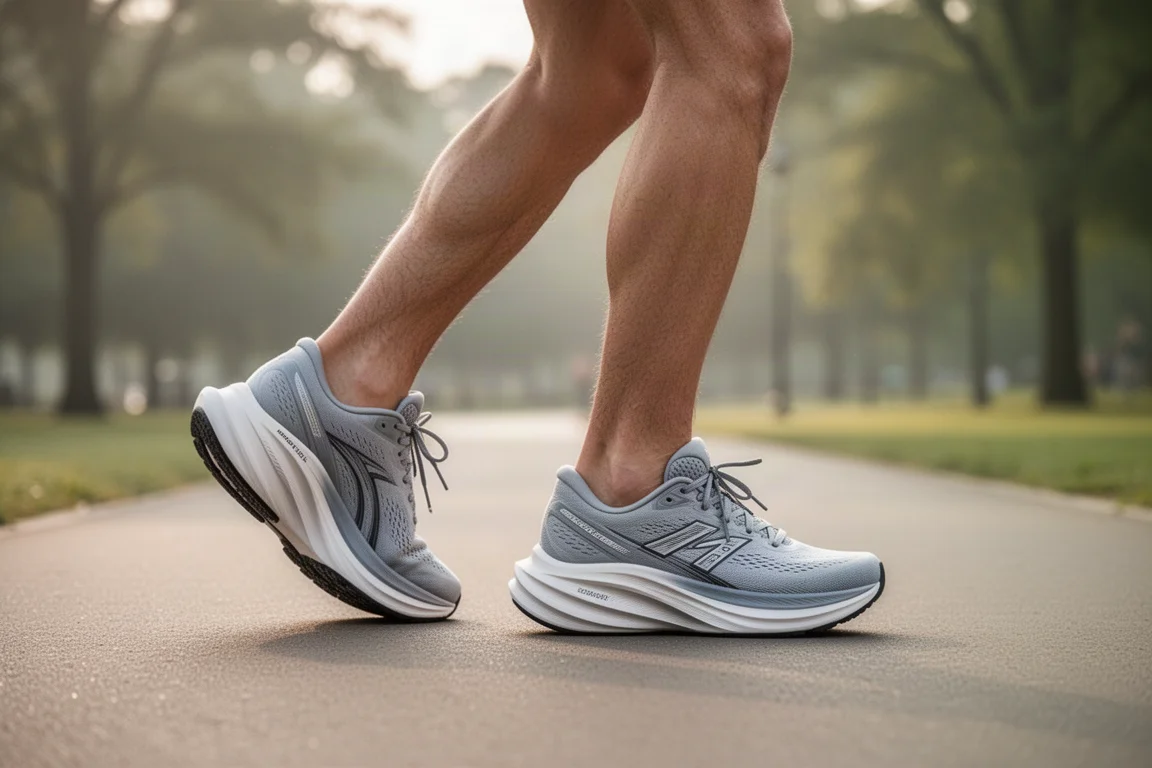
The stack height is where things really diverge. The Kayano 30 measures 40mm in the heel and 30mm in the forefoot for a 10mm drop, compared with 25mm/15mm on the Kayano 29. The Kayano 30 is unmistakably a maximalist shoe, and you sit noticeably higher off the ground. Women’s size 8 comes in around 39mm heel and 29mm forefoot.
Underfoot, the Kayano 30 uses FF Blast Plus Eco foam alongside Gel cushioning, adding a touch of eco-friendly material to the mix. The Kayano 29 uses Gel with FF Blast Plus.
Asics Gel-Kayano 30: The New-Age Stability Flagship
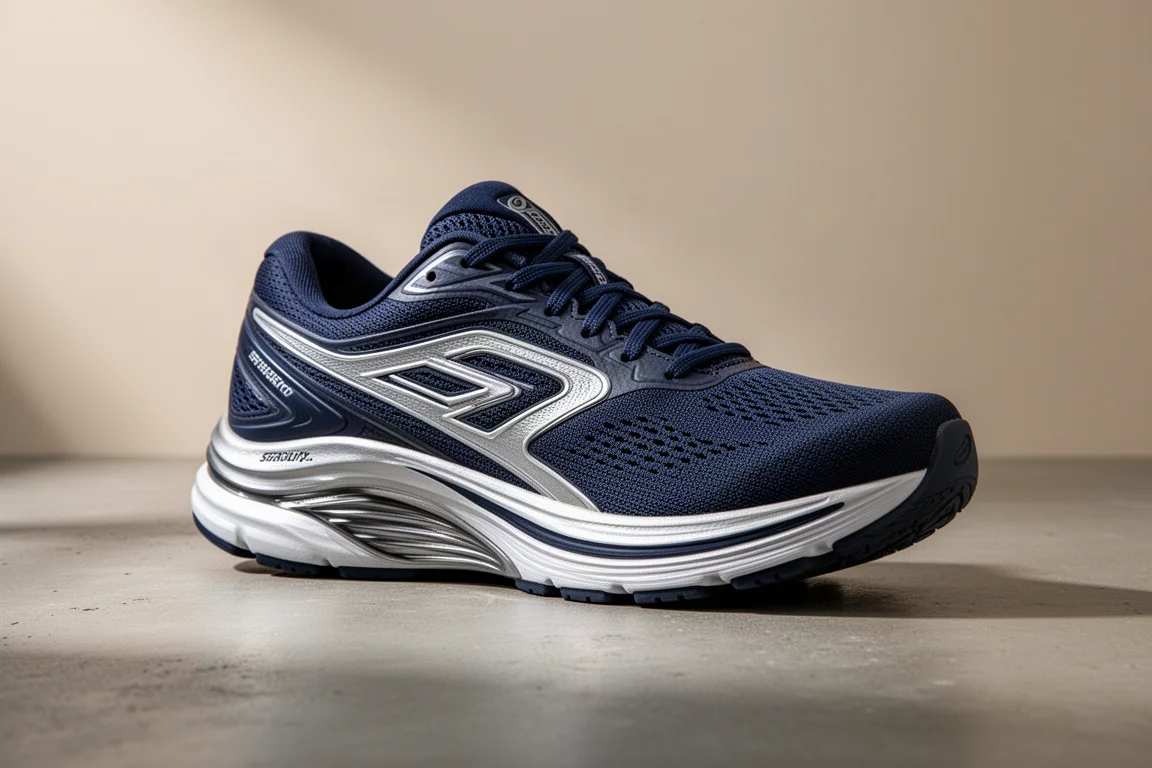
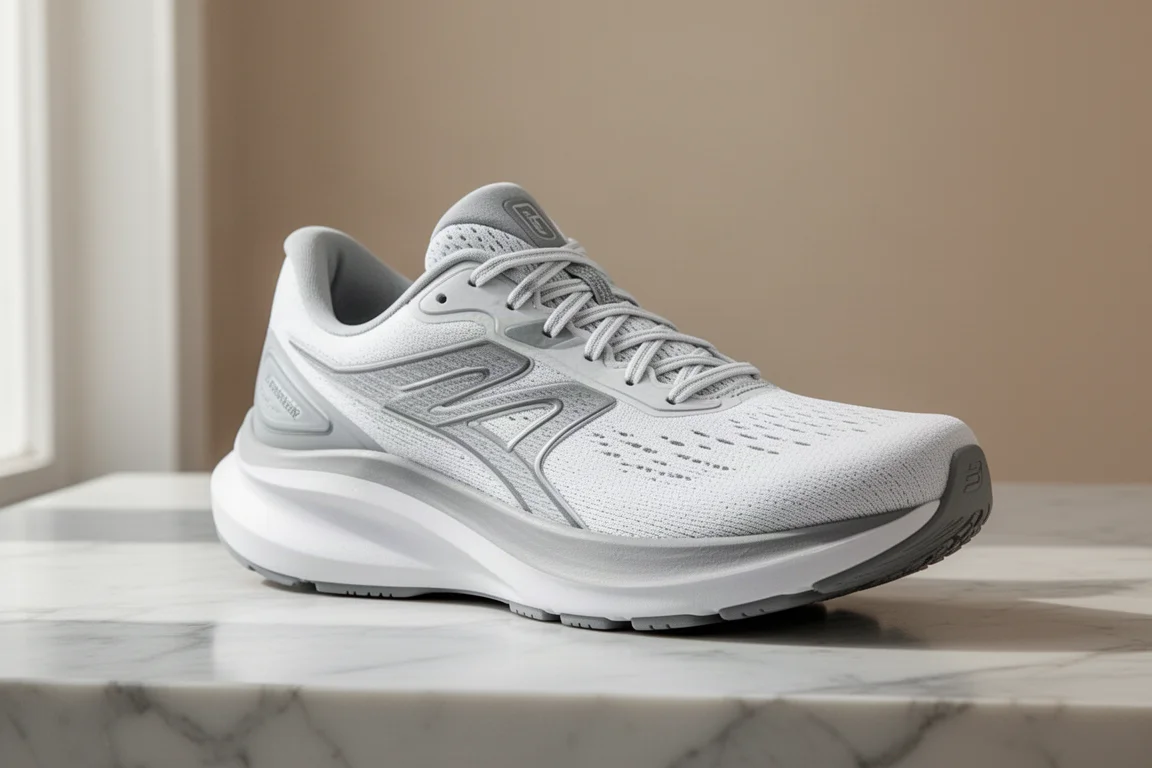
The Kayano 30 is a moderate to high stability premium daily trainer, but it achieves stability in a very different way than its predecessor. While there is technically a mild post, the shoe relies mainly on geometric stability and a plush inner portion of the sole. The approach borrows lessons from the Gel-Kayano Light, with sidewalls on both the medial and lateral sides of the foot, a very wide base, and a non-narrowed midfoot.
The ride is well cushioned without being mushy, with a hint of snappiness. It is not a fast shoe, but it is a genuinely pleasant one. For the first time in the series, heel strikers get a smooth heel transition: a decoupled heel that collapses well under load and a small bevel that eases the transition. It is the smoothest heel of any Kayano to date.
Stability Without the In-Your-Face Post
What stands out most about the Kayano 30 is that it keeps you centered without aggressively pushing your foot in one direction. The medial side feels like slightly firmer foam rather than a hard post, and the wide sole flare adds inherent stability without creating a clunky ride.
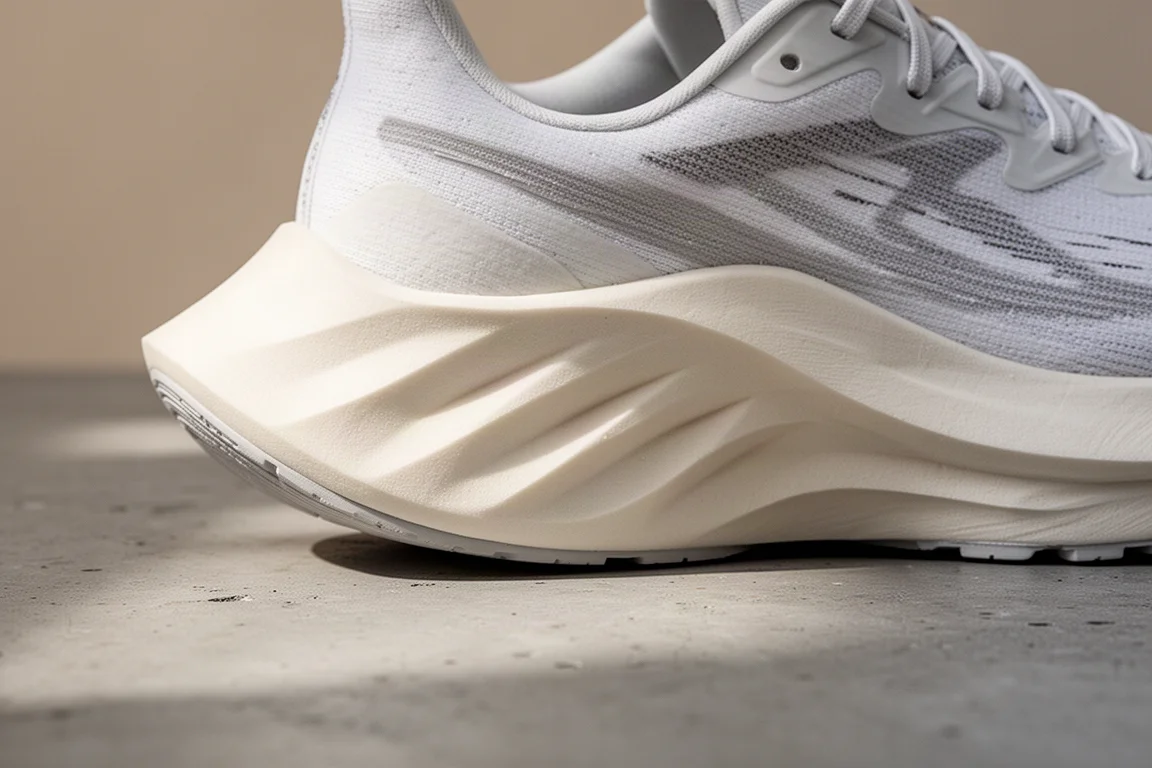
This makes it an excellent choice for runners who need stability but dislike the feeling of a traditional post. The shoe stays stable while staying out of your way, and it transitions smoothly despite the tall stack.
Upper and Fit: More Room in the Kayano 30
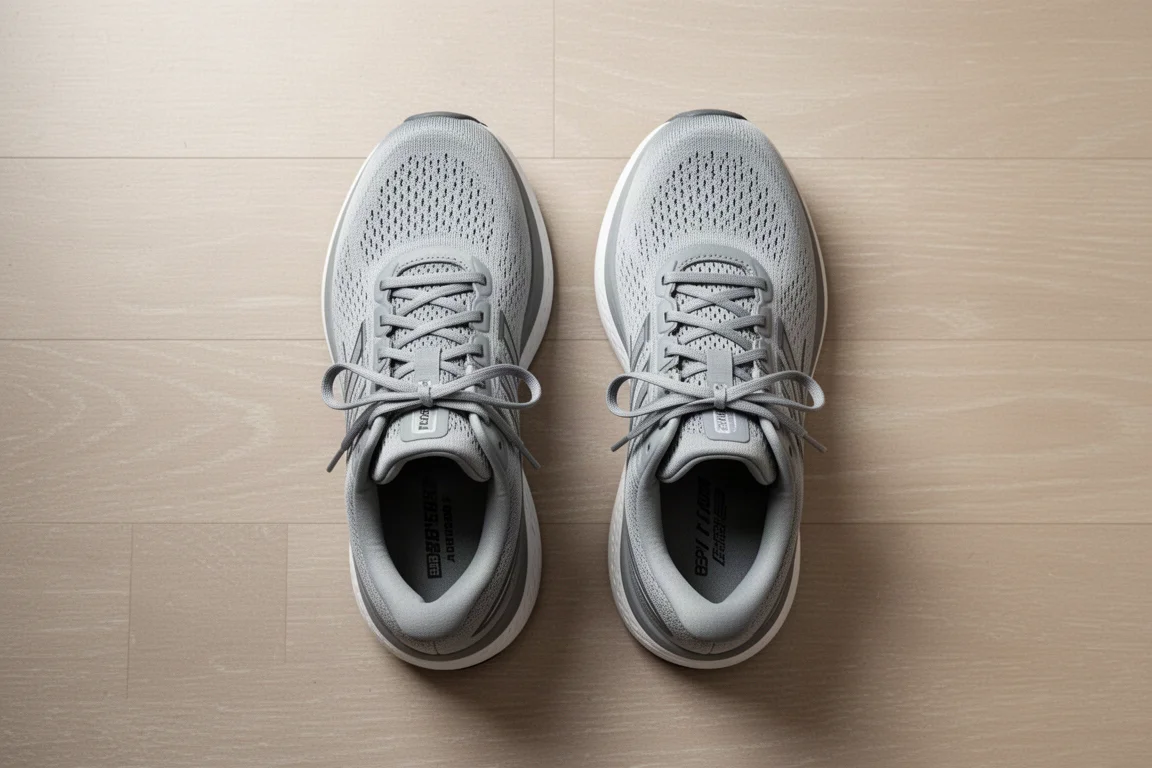
Kayanos have traditionally had a slightly snug upper, and the Kayano 29 keeps that character. The Kayano 30 opens up with more volume and width throughout, with a nice stretchy mesh that gives toes room to splay. There is a slight taper at the pinky toe, but overall it suits runners who wanted a bit more room without going to a wide size.
The heel and midfoot still lock down well, and a stiffer heel counter, roughly on par with the previous version, plus good heel collar cushioning make the fit secure. Runners with narrow feet should still find the heel locks down nicely, with an optional lace lock if needed.
Durability and Ride Feel
Early mileage suggests good durability for both shoes, with pairs at around 20 and 30 miles wearing well so far. The Kayano 30 has a touch more flexibility despite its taller stack, and both transition smoothly. Neither is a speed shoe: both are built for daily mileage, easy runs, and longer efforts where the goal is to simply settle in and cruise.
Asics Gel-Kayano 29: The Traditional Option
The Kayano 29 keeps the setup you would expect from the series over the past several years, with more traditional posting and a lower stack. It feels slightly narrower than the Kayano 30, which some runners will prefer for a snugger fit.
One observation worth noting: the stability in the Kayano 29 felt like it was reducing compared to older versions, which is not necessarily a bad thing, but for runners specifically seeking that classic firm guidance, it matters.
Which One Should You Buy?
If you want the traditional Kayano feel, the familiar posting and lower stack, the Kayano 29 remains the better pick. It also suits runners who prefer a slightly snugger fit.
If you love maximalist shoes, want a higher stack, and prefer modern geometric stability over an aggressive post, the Kayano 30 is the clear choice. It is a total rethink of the series: softer, smoother, roomier, and more stable in a subtler way. It checks the boxes of sidewalls, wide sole flare, smooth transition, and gentle midsole guidance, all without a clunky ride.
Conclusion
The Gel-Kayano 30 is a major update that folds years of stability innovation into one cohesive shoe, and it is easy to be impressed by how well it works. The Gel-Kayano 29 still serves its purpose as the traditional option for runners who know exactly what they like. Choose the 30 for a new-age, high-stack stability ride, and the 29 for the classic Kayano formula.
Further reading
Related Reviews

Running Shoes
Best Road-to-Trail Running Shoes: Three Versatile Options for Mixed Terrain
A practical guide to three road-to-trail running shoes that handle both pavement and mild trails, with clear strengths and trade-offs for different runner types.

Running Shoes
Best Running Shoes for Achilles Tendonitis: Three Options Explained
Three running shoes with different heel drops and support features designed to help reduce Achilles tendon pain during walking and running.

Running Shoes
Best Running Shoes for Women: Five Top Choices Ranked
A ranked guide to five women's running shoes, from versatile daily trainers to high-performance racing options, with real strengths and trade-offs for each.