Running Shoes
ASICS GEL-Cumulus 28 First Run Review: A Reliable Daily Trainer, Refined
First-run impressions of the ASICS GEL-Cumulus 28, covering fit, the new FF Blast Max midsole, ride feel, and whether it stands out in a crowded ASICS lineup.
Introduction
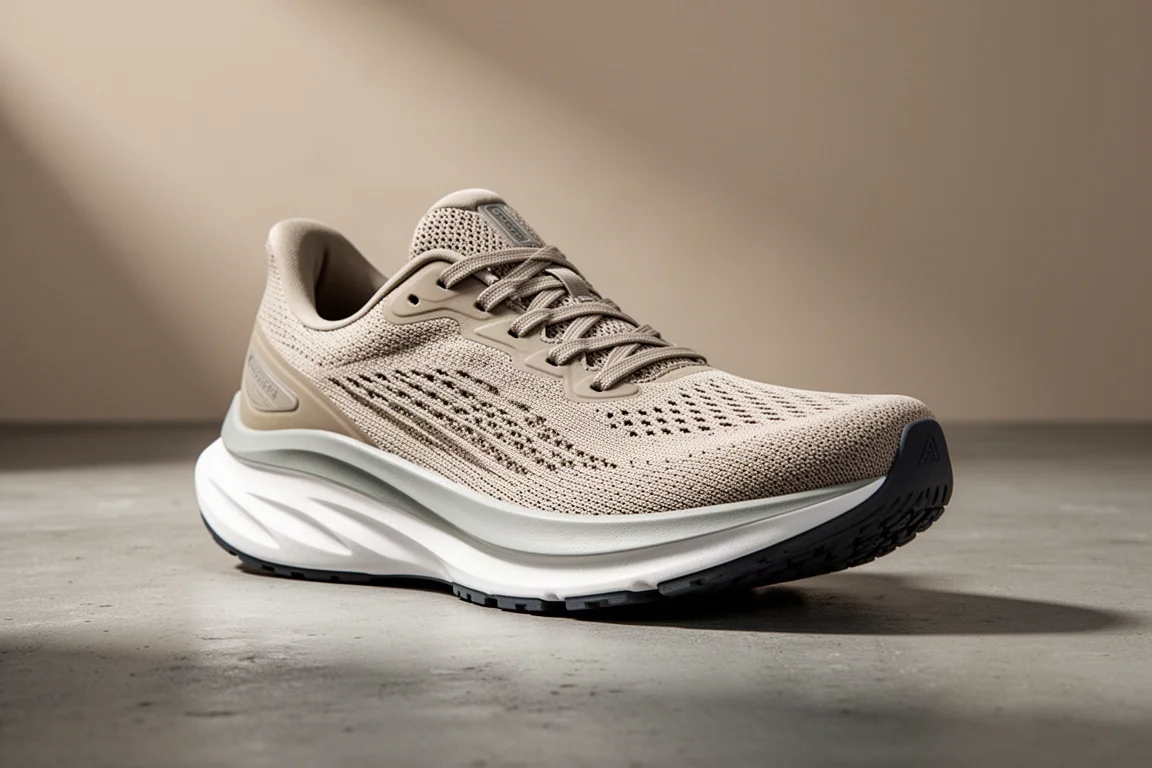
The ASICS GEL-Cumulus 28 is the latest version of ASICS’s neutral daily trainer, a shoe that sits alongside the Nimbus and Novablast in the brand’s lineup of cushioned everyday options. Our first-run impressions from multiple testers point to a familiar story: this is a comfortable, reliable, well-balanced shoe that does the job, without being the most exciting ride in the range.
The price is unchanged from the previous generation, at £140 in the UK and $145 in the US. Within the ASICS line, that places it above the Novablast 5, on the same tier as the GT-2000 14, and cheaper than the GlideRide Max and GEL-Nimbus 28.
What’s New in the Cumulus 28
The headline change is the midsole. FF Blast Max, the foam also found in the Novablast 5, GT-2000 14, and GlideRide Max, now appears in the Cumulus, paired with a softer version of ASICS’s pure GEL technology for better impact absorption and added stability around the heel area. The shoe is also a touch lighter than the Cumulus 27, with the same drop and stack height, so the overall profile is very similar.
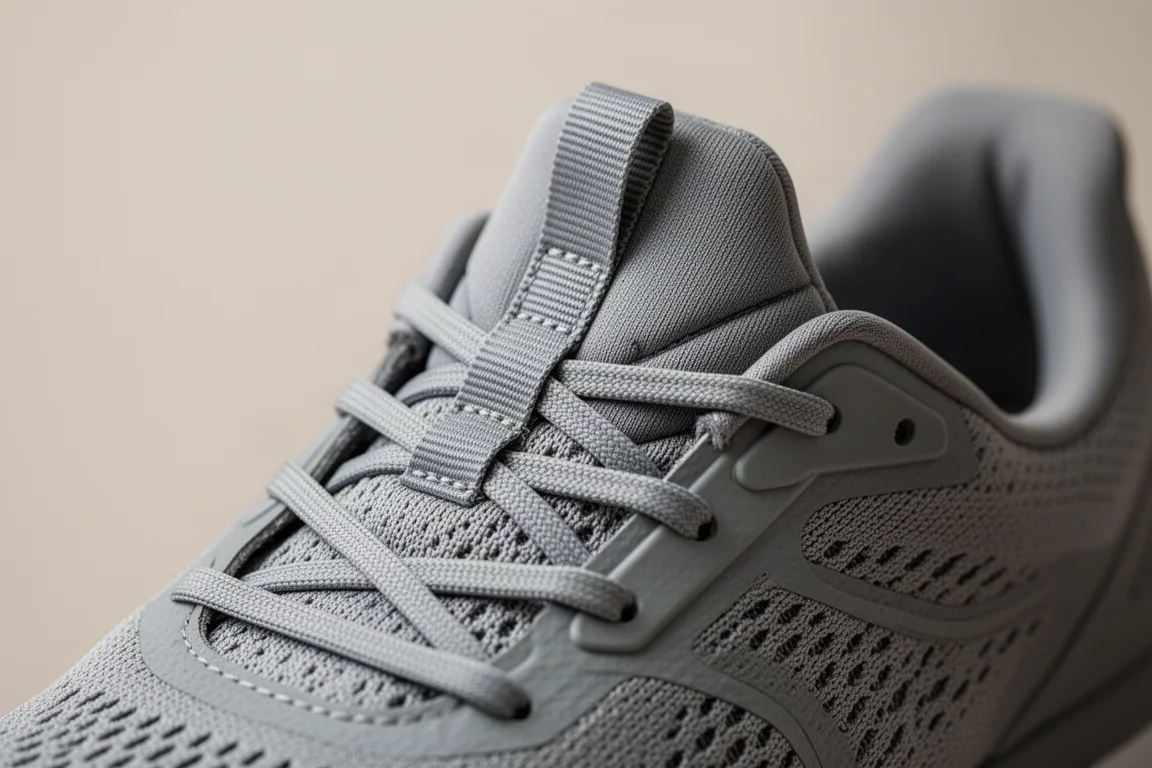
Other updates include an engineered mesh upper with a gusseted tongue and sock liner for comfort, and an outsole updated to AHAR heel plug rubber for added protection in key areas, including the heel. None of this reinvents the shoe, but together it makes the Cumulus 28 feel like a slightly better version of what came before.
Fit and Sizing: Stick to Your Usual Size
Across three testers, the consistent advice was to go true to size. The Cumulus 28 follows the pattern of ASICS shoes being among the most reliable in terms of fit, and all three testers ran in their normal ASICS size without issues.
The toe box came in for repeated praise: spacious and roomy, with good length and plenty of clearance over the toes, without being overly generous. One tester said they could splay their toes wide, which fits the shoe’s role as a comfort-focused daily cruiser. The midfoot hold is relaxed but secure, with a gusseted stretchy tongue that takes a little time to settle under the laces but then stays in place. There is also generous padding in the heel collar, though one tester found the heel slightly less locked down than they would like, feeling a little up-and-down movement despite the stiff internal heel counter. If you want a very close fit up front, going half a size down is the alternative.
First Run Impressions: Comfortable, Balanced, Unfussy
The first 10K confirmed what most people expect from this line. The Cumulus 28 felt good and comfortable underfoot, turned over reasonably nicely, and is pretty lightweight for a cushioned shoe, though not exceptionally so. The cushioning is balanced and cradled, with a wide, steady base that gives the shoe a stable, coherent feel from landing through toe-off.
There is moderate bounce from the new foam, more energy than the last generation, but this is not a shoe that springs you along. A forefoot rocker exists but runs fairly flat and controlled rather than pronounced. Easy runs, recovery runs, and relaxed moderate-pace miles are where this shoe feels most at home. Even up to tempo pace, testers were not convinced they were getting enough back from the foam to justify picking it over livelier options.

Compared to the Cumulus 27, the FF Blast Max midsole is a genuine improvement, adding a bit more spring to a foam that previously felt bland. But compared to the Novablast 5, which offers a springier feel, more cushioning, and a nicer rocker for the same money, the Cumulus feels tamer by design.
Outsole and Grip
The rubberized outsole is one of the more distinctive elements here. It creates a smooth feeling underfoot, and testers reported no grip problems, including a run through rain on roads and pavements. The rubber coverage is generous across the forefoot, lateral sides, and heel, which contributes to the shoe’s stable, balanced character.
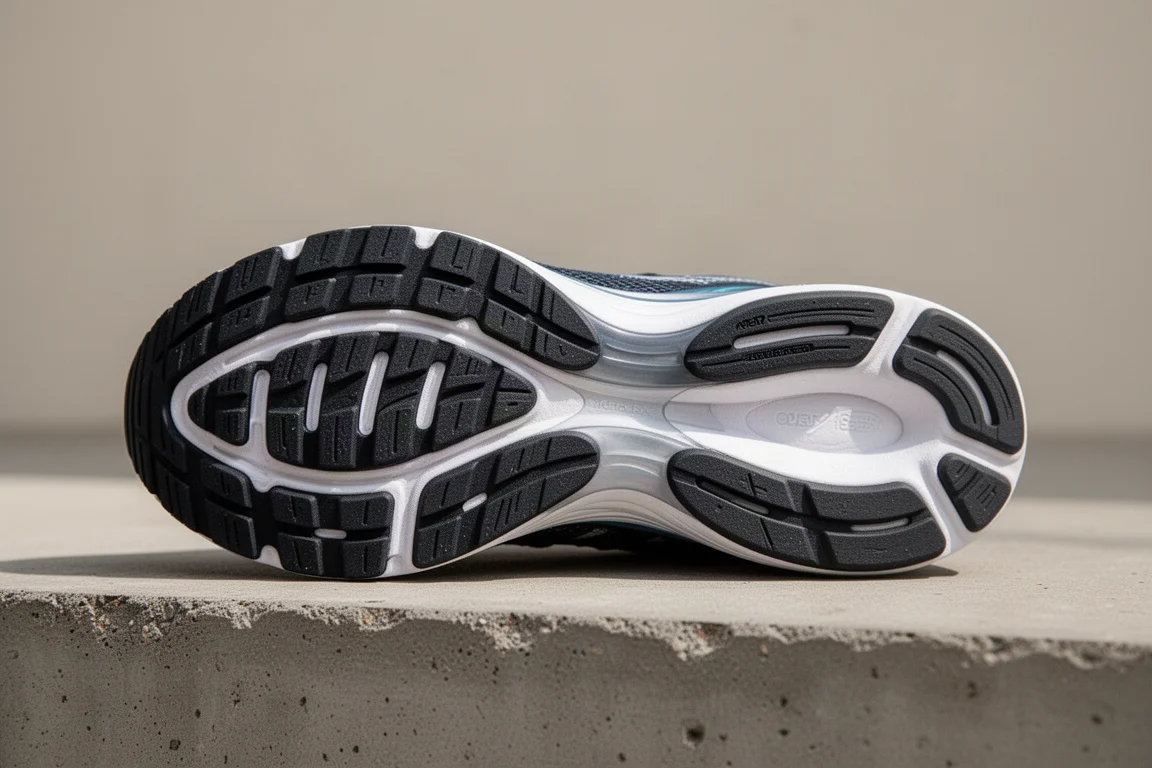
The trade-off is potential durability compared to a full-coverage outsole, but early impressions suggest the shoe should withstand a good amount of running time.
Buying Advice: Who Should Pick the Cumulus 28
For £140 or $145, you are getting a competent, nicely cushioned, very well-balanced daily trainer. It is not overly energetic, and it is not the softest or springiest option available. But if you prefer a more dialed-in, consistent ride that stays smooth while keeping you slightly more connected to the ground than high-stack shoes, it makes a lot of sense.
Because it feels light on the foot while remaining comfortable, the Cumulus 28 also has good long-mileage potential for easy and relaxed longer runs. As a beginner-friendly option at a reasonable price point, covering easy runs without anything aggressive underfoot, it is a safe bet.

The main caveat is ASICS’s own lineup. Between the Nimbus, the Novablast 5, the GT-2000, and the Cumulus, you probably do not need all of them. The Nimbus is more cushioned and more versatile in testing, the Novablast 5 is more fun for daily miles, and the GT-2000 applies FF Blast Max in a way some testers preferred. If you already like the Cumulus formula, though, the 28 delivers more of it, slightly lighter and with better foam.
Conclusion
The ASICS GEL-Cumulus 28 is an incremental improvement: lighter, with a better midsole foam, and just as comfortable and reliable as before. It is a competent shoe without being particularly remarkable, and for runners who value a smooth, balanced, predictable daily trainer over excitement, that may be exactly what they want. If you are new to the lineup, the Novablast 5 or Nimbus may earn your money more easily, but the Cumulus remains a solid, sensible choice for everyday miles.
Product link
View more details for Asics Gel Cumulus 28
This product is mentioned in the review. Check the specifications, options, and compatibility before buying.
View more details for Asics Gel Cumulus 28Further reading
Related Reviews

Running Shoes
Best Road-to-Trail Running Shoes: Three Versatile Options for Mixed Terrain
A practical guide to three road-to-trail running shoes that handle both pavement and mild trails, with clear strengths and trade-offs for different runner types.

Running Shoes
Best Running Shoes for Achilles Tendonitis: Three Options Explained
Three running shoes with different heel drops and support features designed to help reduce Achilles tendon pain during walking and running.

Running Shoes
Best Running Shoes for Women: Five Top Choices Ranked
A ranked guide to five women's running shoes, from versatile daily trainers to high-performance racing options, with real strengths and trade-offs for each.