Running Shoes
ASICS Gel Cumulus 27 First Run Review: A Traditional Cushion Daily Trainer
A comfortable, balanced daily trainer that skips the max-stack trend, with solid fit and outsole grip but a flatter, less bouncy ride than some rivals.
Introduction
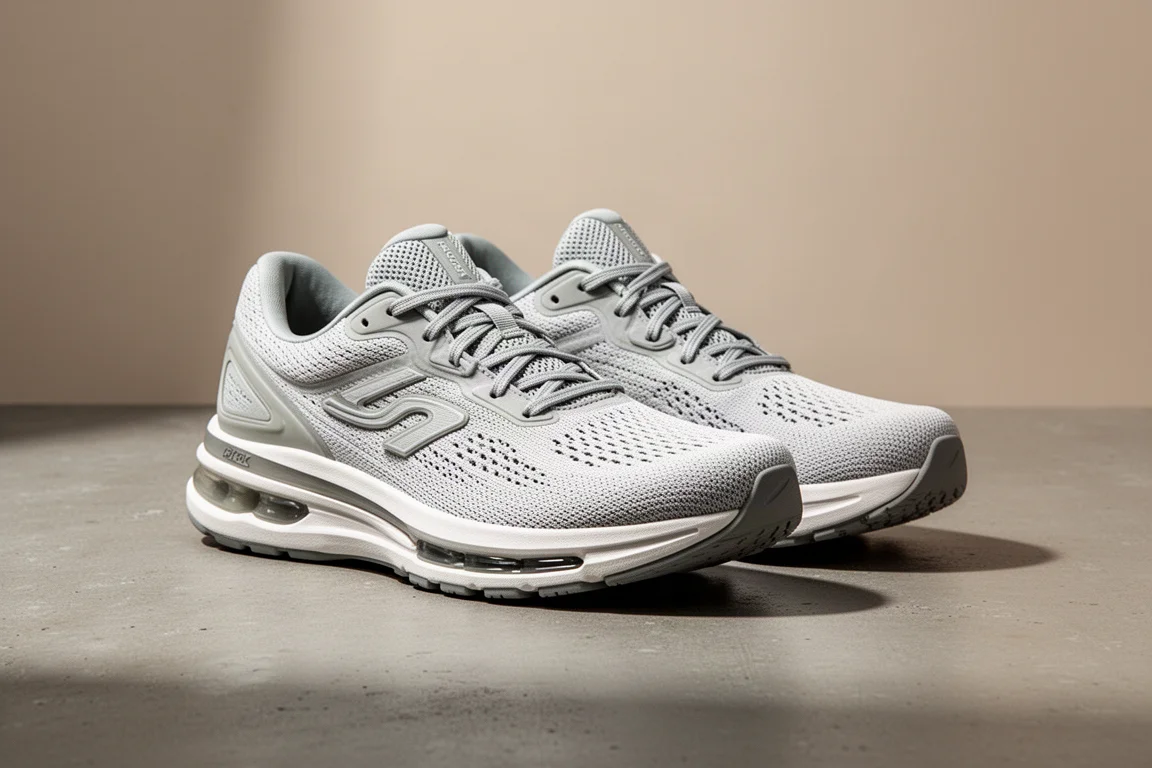
The ASICS Gel Cumulus 27 is a daily cushioned running shoe designed for comfort over any training distance. It costs £140 or $140, weighs 265g (9.4 oz) for men in a size 8, and has an 8mm drop.
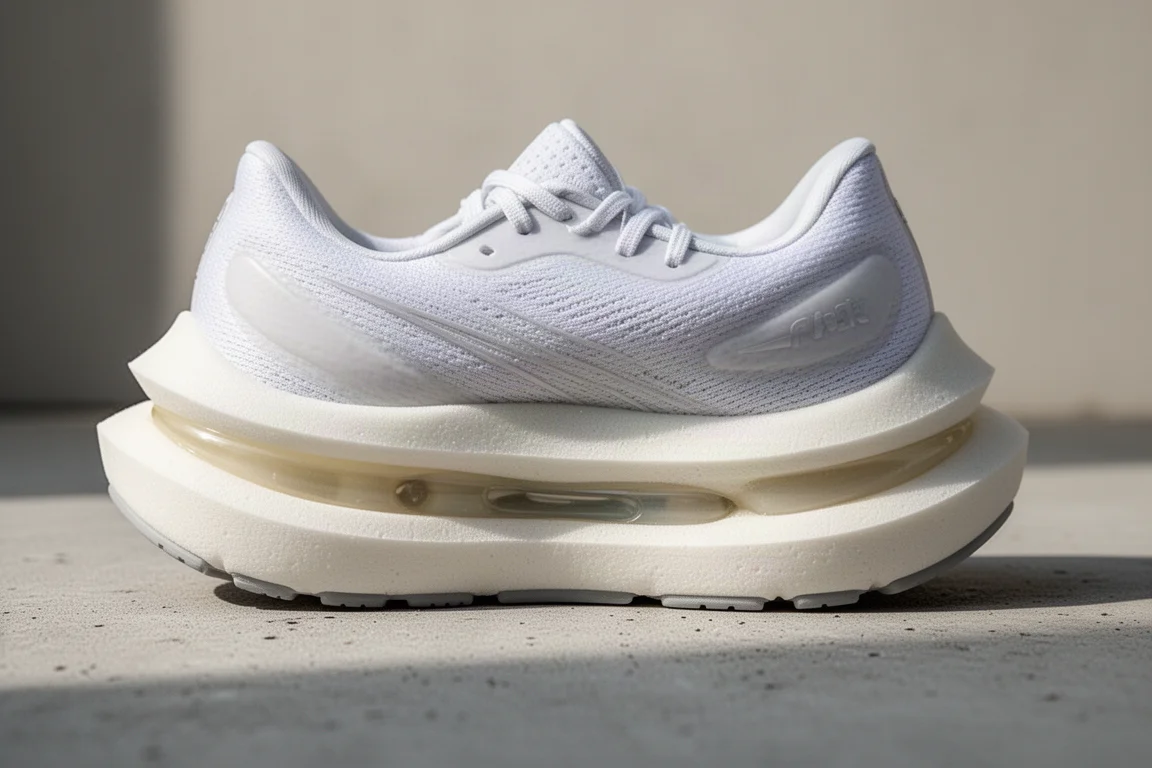
It combines FF Blast Plus foam in the midsole with a thick layer of Fluidride outsole foam for durability and traction. That dual-layer setup is intended to deliver a soft, cushioned ride with a smooth transition, while a section of pure Gel cushioning reduces impact and protects the joints. An OrthoLite X30 sock liner adds extra padding, and the upper uses an engineered jacquard mesh for comfort and breathability.
Who This Shoe Is For
The Cumulus 27 is built to tick the boxes for as many runners as possible. It is comfortable, stable, and accessible, with a balanced midsole that is neither too soft nor too aggressive. Beginners can pick it up and find it immediately comfortable, and general runners who don’t want maximum stack will appreciate its more conventional feel.
If you are hoping for a bouncy, fast-training shoe, this is not it. It is a reliable workhorse designed for comfort and ticking off miles, sitting in the middle ground between the big-stack cruisers and the faster options in the range. If you want something faster for speed sessions or something more cushioned for very long easy runs, there are better choices.
First Impressions and Ride Feel
Early testing covered around 11 miles, much of it on very tired legs after a marathon build-up, so take these first impressions with that caveat in mind. The shoe is immediately comfortable out of the box: a soft, cocooning footbed, good heel collar padding, and a secure upper that wraps the foot well.
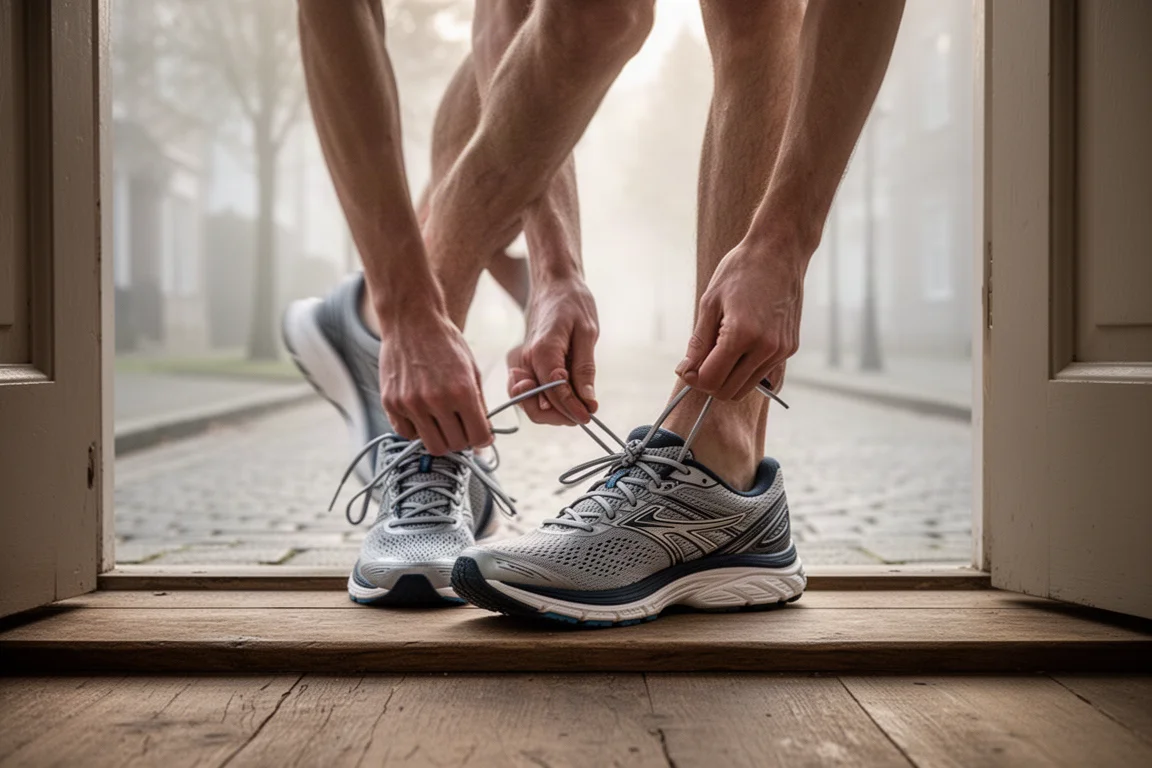
On the run, the Cumulus 27 feels flatter and more direct than recent max-cushion shoes. There is more ground feel, more cushioning in the heel than the forefoot, and a slightly disconnected transition through toe-off compared with more rockered designs. At easy recovery paces the ride can feel a little dull and flat, and testers found themselves wanting a bit more bounce and energy return. It is a traditional, snapping-through ride rather than a rolling one, and it should improve as the shoe breaks in.
Midsole, Cushioning and Outsole
The dual-layer foam setup works well as a system: the lower Fluidride layer is very sturdy and provides a stable, consistent platform, while the upper foam keeps things reasonably soft. The ride is balanced and smooth enough, aided by full, consistent rubber coverage on the outsole.
That outsole held up impressively on wet, muddy footpaths, hills, and rocky sections with no issues, though in genuinely slippery conditions the rubber is not as grippy as some, so very wet ground could be a struggle.
The main trade-off is underfoot protection. Compared with the Gel Nimbus or Novablast, the stack is lower, and that is most noticeable in the forefoot. Over a 25k long run at around 5 min/km pace, the forefoot felt under-cushioned by the end, with the balls of the feet more tired than usual. It should handle long runs for many runners, but those used to bigger stacks may want more.
Fit and Comfort
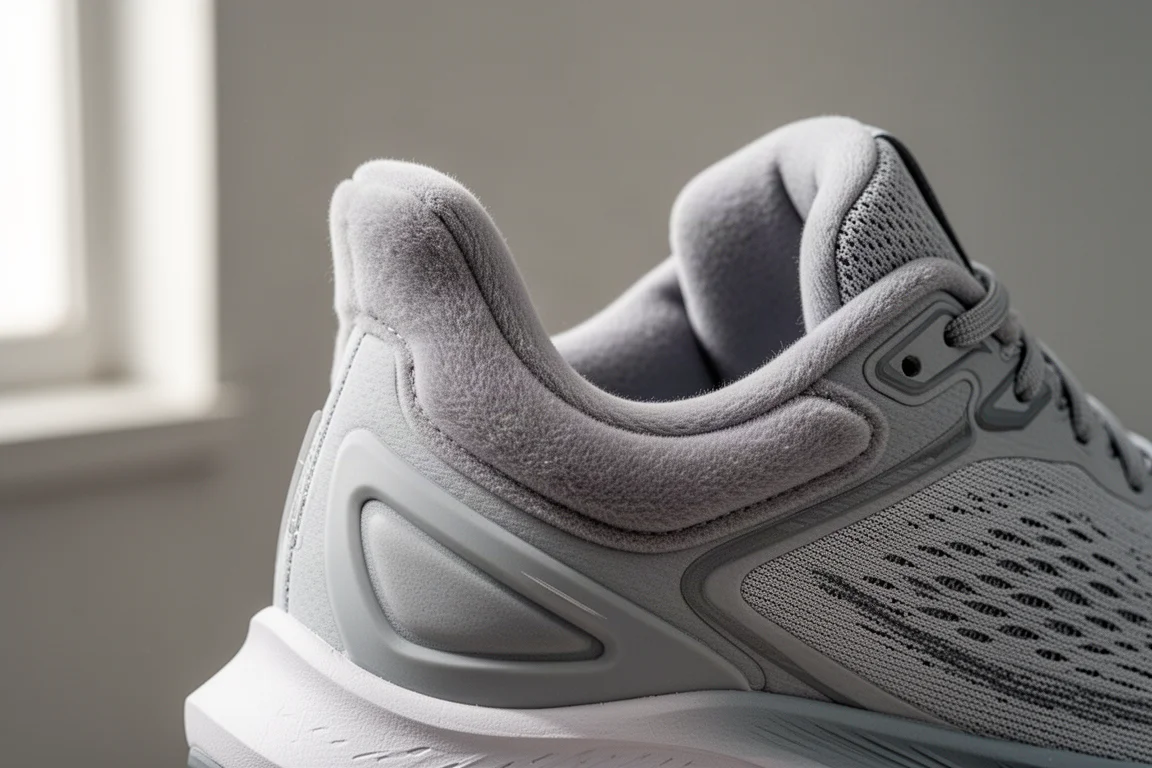
Fit is a strength. Testers ran their normal ASICS size (UK 8) and found it consistent with the Nimbus, Novablast, Superblast 2, and previous Cumulus versions. The upper offers good toe-box room, secure midfoot lockdown, and a well-padded heel collar that locks the ankle in nicely. The wrapping tongue has padding that softens lace pressure across the midfoot.
One note: the shoe is roomy, with more space before the big toe than many runners are used to. Most people will be fine going true to size, but some may prefer to size down half a size.
Things to Consider Before Buying
The biggest question is value within ASICS’s own range. At a similar price, the Novablast 5 offers more forefoot cushioning and a more enjoyable ride, and it was the shoe testers would rather be in. The Gel Nimbus offers more cushioning, though it is pricier and feels bigger and clunkier on the foot, with a less smooth heel-to-toe transition than the Cumulus.
What the Cumulus 27 does offer is a narrower platform than the Nimbus or Novablast, which makes it feel more precise, plus a lighter, smoother feel on the foot. It also bucks the industry trend of ever-bigger stacks and squishier foam, keeping things balanced and traditional in the vein of shoes like the Brooks Ghost or Saucony Kinvara. If that kind of ride appeals, fewer and fewer shoes now offer it.

Buying Advice
As a beginner-friendly option, the Cumulus 27 is versatile: it can even pick up the pace a little, feels smoother and lighter than the Nimbus, and costs less. For seasoned runners, it slots best into easy runs and days when you don’t want a max-stack shoe.
If your priorities are comfort, stability, and a dependable platform for everyday mileage, this shoe will serve you well. If you want energy return, bounce, or maximum long-run protection, look at the Novablast 5 or Gel Nimbus instead, either of which will likely feel like the better shoe at or near the same budget.
Conclusion
The ASICS Gel Cumulus 27 is a solid, all-round cushioned daily trainer that almost anyone can get on with. It is comfortable, stable, reliable, and refreshingly conventional in a market dominated by giant stacks. It is not a wow shoe, and within ASICS’s own lineup there are arguably better options at the same price, but for runners who want a balanced, traditional ride that simply disappears on their feet, it holds a genuinely useful place in the range.
Product link
View more details for Asics Gel-Cumulus 27
This product is mentioned in the review. Check the specifications, options, and compatibility before buying.
View more details for Asics Gel-Cumulus 27Further reading
Related Reviews

Running Shoes
Best Road-to-Trail Running Shoes: Three Versatile Options for Mixed Terrain
A practical guide to three road-to-trail running shoes that handle both pavement and mild trails, with clear strengths and trade-offs for different runner types.

Running Shoes
Best Running Shoes for Achilles Tendonitis: Three Options Explained
Three running shoes with different heel drops and support features designed to help reduce Achilles tendon pain during walking and running.

Running Shoes
Best Running Shoes for Women: Five Top Choices Ranked
A ranked guide to five women's running shoes, from versatile daily trainers to high-performance racing options, with real strengths and trade-offs for each.