Running Shoes
ASICS Gel Cumulus 26 vs 27: Should You Upgrade?
The Cumulus 27 changes the forefoot in ways that split opinion. Here is how the two daily trainers compare and who each version actually suits.
Introduction
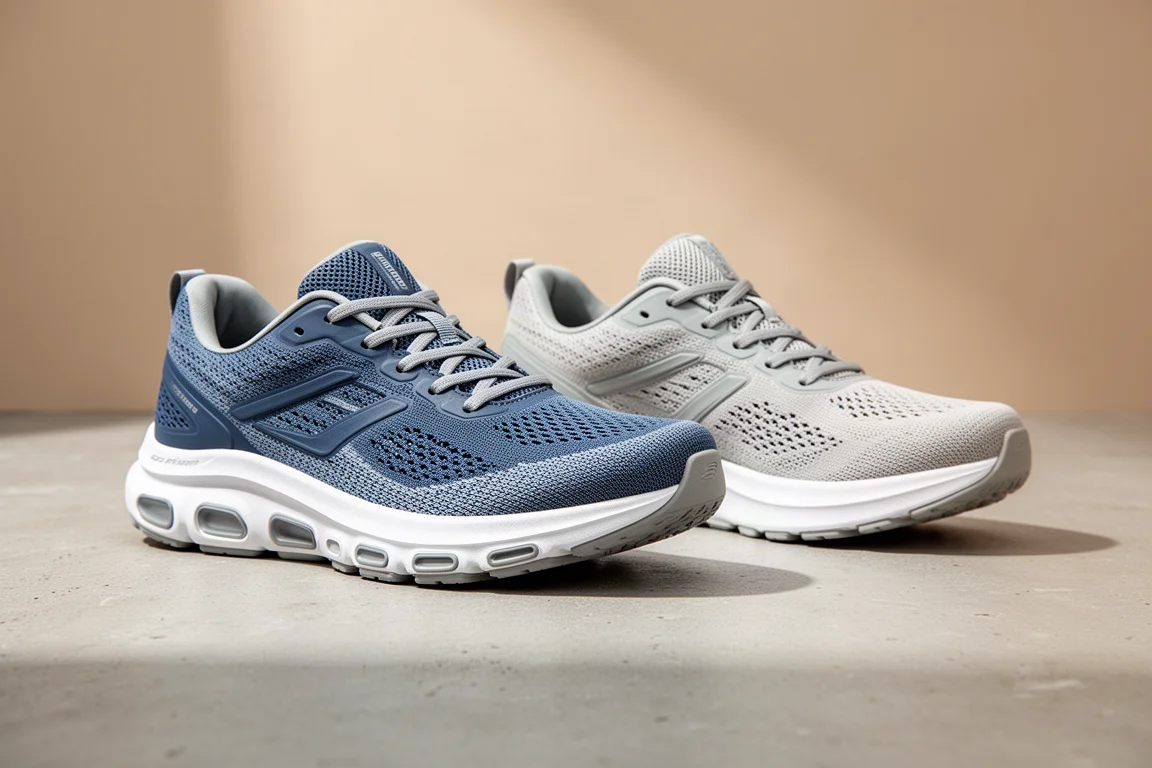
When a brand updates a popular daily trainer, the question is always the same: is it worth spending extra, or is it the same shoe you can grab on sale? With the ASICS Gel Cumulus 26 and 27, the answer genuinely depends on your feet. The two versions share a lot, but one significant change in the forefoot alters how each shoe functions. If you liked version 26, the 27 may not be for you. If you disliked the 26, the 27 might work remarkably well.
Specs and Ride Feel
In size 10 measurements, the Cumulus 26 comes in at 266 g (about 9.4 oz), while the 27 is slightly heavier at 272 g (about 9.6 oz). Both list a stack height of 38.2 mm in the heel and 30.5 mm in the forefoot for an 8 mm drop, though some retailers measure them a few millimeters differently. On foot, neither feels like a max-stack shoe; it is more of a moderate, balanced daily trainer, which many runners will appreciate.

The ride is cushioned without being bouncy. You lace them up and cruise along without thinking much about the shoe, which is exactly what a good easy-day trainer should do. Both also carry a nicely shaped posterior lateral heel bevel, with a slight improvement in version 27.
The Forefoot Difference: Toe Spring and Rockers
This is where the shoes diverge. A rocker replaces the natural rocker mechanisms of the foot and ankle: the heel bevel covers the heel rocker, an overall sole curve helps the ankle rocker, and the forefoot rocker helps the toes roll off efficiently. As shoes get thicker, these built-in mechanisms need help.
Version 26 uses a lot of toe spring: an upward curve that lifts the toes into extension under the forefoot. Some runners find that smooth and efficient. Others, like the tester here, dislike being held in an end-range toe position, and it also effectively shortens the shoe. The 26 fit about half a size short, caused toe blistering, and generally did not work out over roughly 25 to 30 miles.
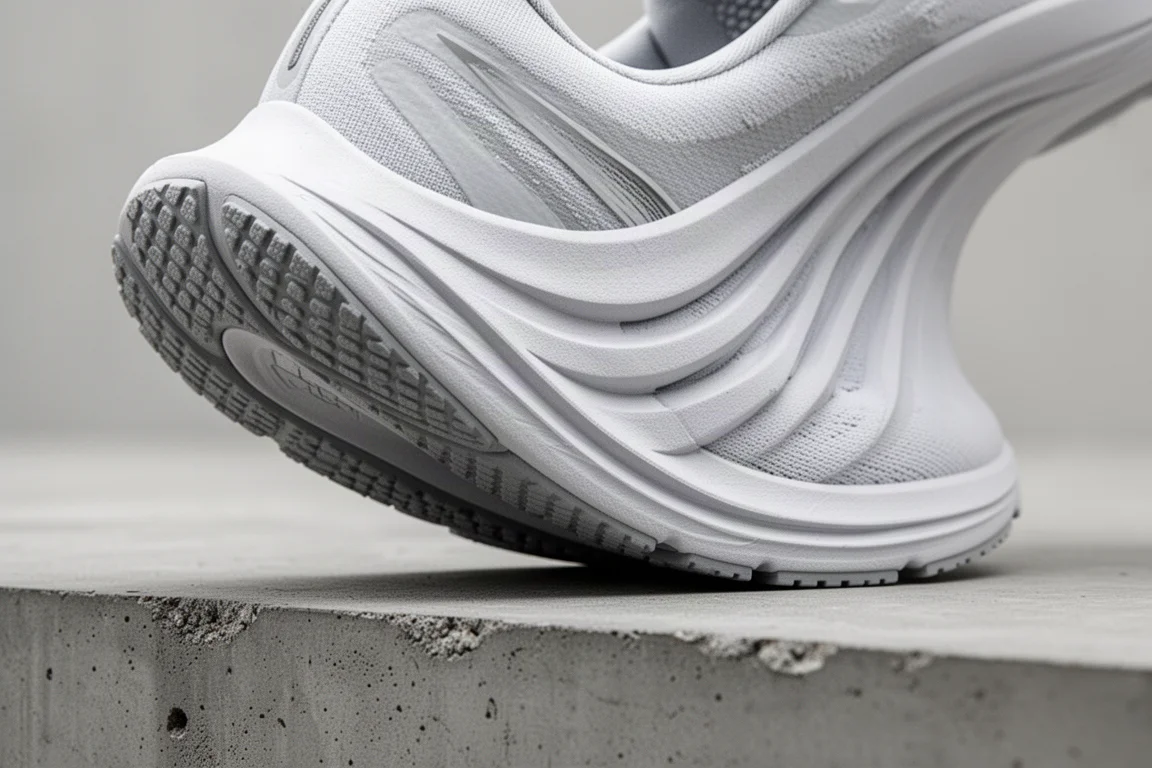
Version 27 cuts the toe spring back significantly while keeping a decent forefoot rocker. The toes sit in a much more neutral position, the shoe feels true to size, and the forefoot has better and deeper flex grooves. The trade-off is that the 27 starts off stiffer and needs a longer break-in, but after 40-plus miles including a long run, a workout, and easy runs, it transitions noticeably better and even works well for faster running.
Fit and Upper
The uppers are similar, with version 27 running a touch softer and thinner despite the slight weight increase. Both have secure uppers and fairly stiff heel counters, which may bother runners with a Haglund’s deformity. The fit is a fairly normal width: nothing too wide or too narrow, with the 27 just slightly snugger.
If sizing felt off on the 26 because your toes were pushed up into the toe spring, the 27 should resolve that. Conversely, if you loved that lifted toe feel, stick with the 26, because it is gone in the newer version.
Durability and Guidance
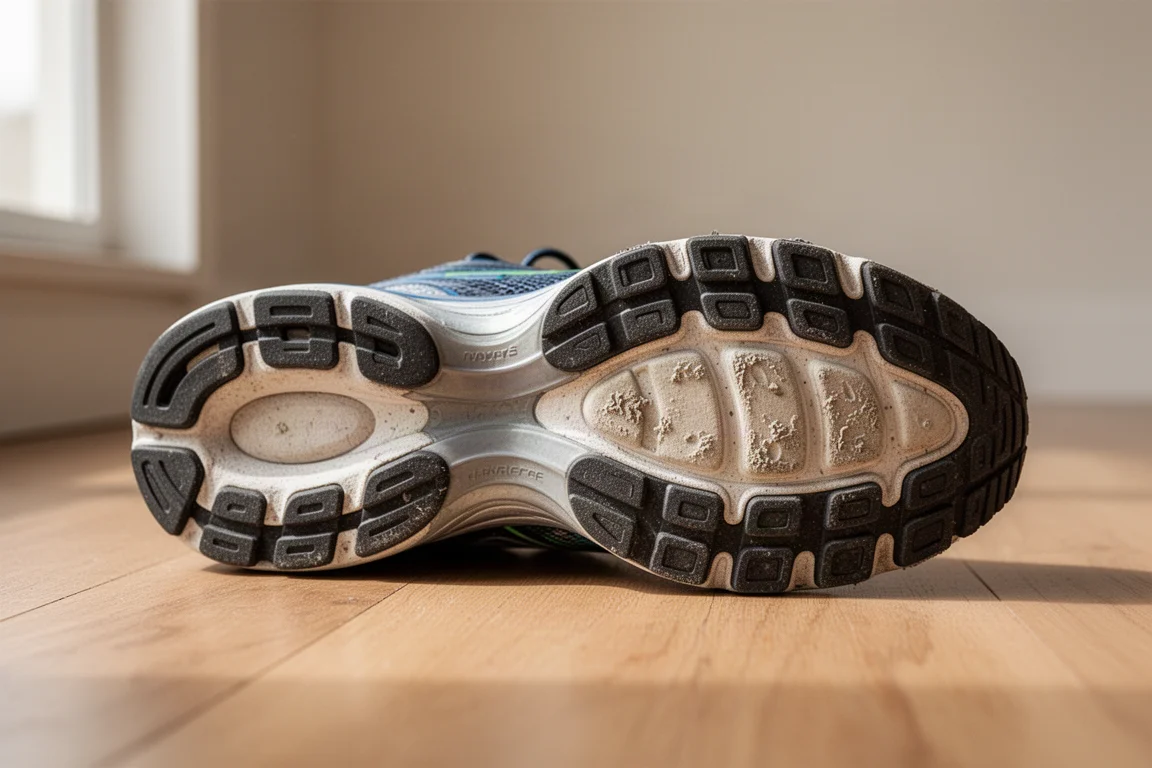
Both shoes share an exposed EVA midsole-adjacent outsole that wears quickly. If you scuff your feet, expect visible wear fast, even though that design softens the ride. Durability is not a strong point on either version.
Both are technically neutral but border on stable, thanks to solid sidewalls in the rearfoot, a midfoot that is not too narrow, and that excellent posterior lateral heel bevel. Runners with mild guidance needs in the heel should find both workable.
Buying Advice
If you want a moderate-stack, cushioned daily trainer that is not super soft, either version can eat up miles, and both make solid options for newer runners. The decision comes down almost entirely to the forefoot. Prefer a strong rocker with pronounced toe spring and a shorter-feeling front end? Get the Cumulus 26, ideally on sale. Want a more neutral toe position, true-to-size fit, deeper flex grooves, and a shoe that breaks in well for workouts? The Cumulus 27 is the better pick.
Conclusion
These are similar shoes with one crucial biomechanical fork in the forefoot. The Cumulus 27 fixes the main complaint of the 26 for testers sensitive to toe spring, while runners who enjoyed that lifted, rolling front end will want to stay with the older version. Either way, you get a capable, balanced daily trainer.
Product link
View more details for ASICS GEL-Cumulus 26
This product is mentioned in the review. Check the specifications, options, and compatibility before buying.
View more details for ASICS GEL-Cumulus 26Further reading
Related Reviews

Running Shoes
Best Road-to-Trail Running Shoes: Three Versatile Options for Mixed Terrain
A practical guide to three road-to-trail running shoes that handle both pavement and mild trails, with clear strengths and trade-offs for different runner types.

Running Shoes
Best Running Shoes for Achilles Tendonitis: Three Options Explained
Three running shoes with different heel drops and support features designed to help reduce Achilles tendon pain during walking and running.

Running Shoes
Best Running Shoes for Women: Five Top Choices Ranked
A ranked guide to five women's running shoes, from versatile daily trainers to high-performance racing options, with real strengths and trade-offs for each.