Running Shoes
ASICS Gel Cumulus 25 vs Cumulus 26: Which Daily Trainer Makes More Sense?
Two versions of ASICS' popular daily trainer with noticeably different rides. Here is how the Cumulus 25 and Cumulus 26 compare in weight, geometry, comfort, and pace.
Introduction
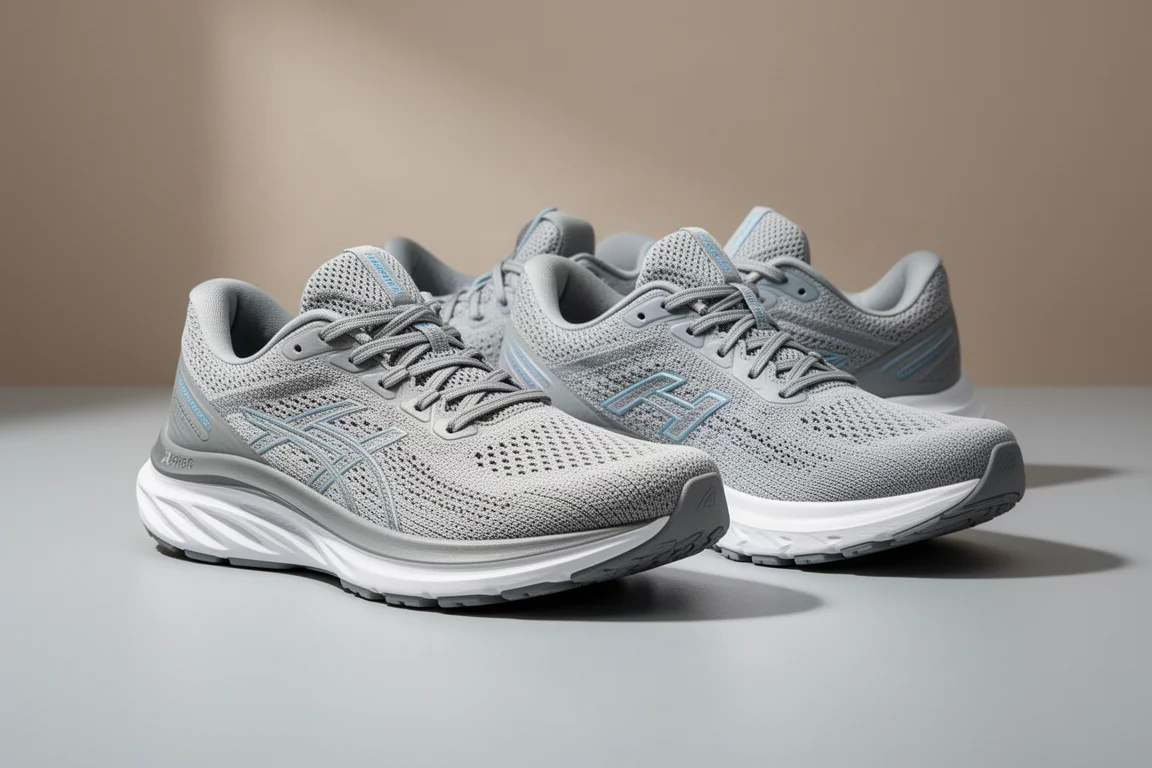
The ASICS Gel Cumulus line has become one of the most popular standard daily training shoes, and the jump from the Cumulus 25 to the Cumulus 26 is a bigger change than the version number suggests. Both shoes share the same core concept: a soft, lightweight midsole in a stable neutral package. But the ride, fit, and pace they are best suited for differ in ways that matter when you are choosing between them.
This comparison covers the key differences after roughly 30 miles in the Cumulus 26 and about 45 miles in the Cumulus 25, so you can decide which one fits your running style better.
Specifications and First Impressions
In men’s size 9, both shoes come in at a claimed 9 oz, which is impressively light for a standard daily trainer. Women’s sizing is where things get interesting: a women’s size 8 in the Cumulus 25 is reported at 8.1 oz, while the Cumulus 26 drops to 7.8 oz.
Stack height is also reported slightly higher on the newer model. The Cumulus 25 sits at roughly 37 mm in the heel and 29 mm in the forefoot for an 8 mm drop, while the Cumulus 26 is listed at about 38.5 mm heel and 30 mm forefoot, with women’s versions about 1 mm lower. On foot, the 26 does feel slightly taller, though part of that impression may come from the firmer midsole feel rather than the measurement itself.
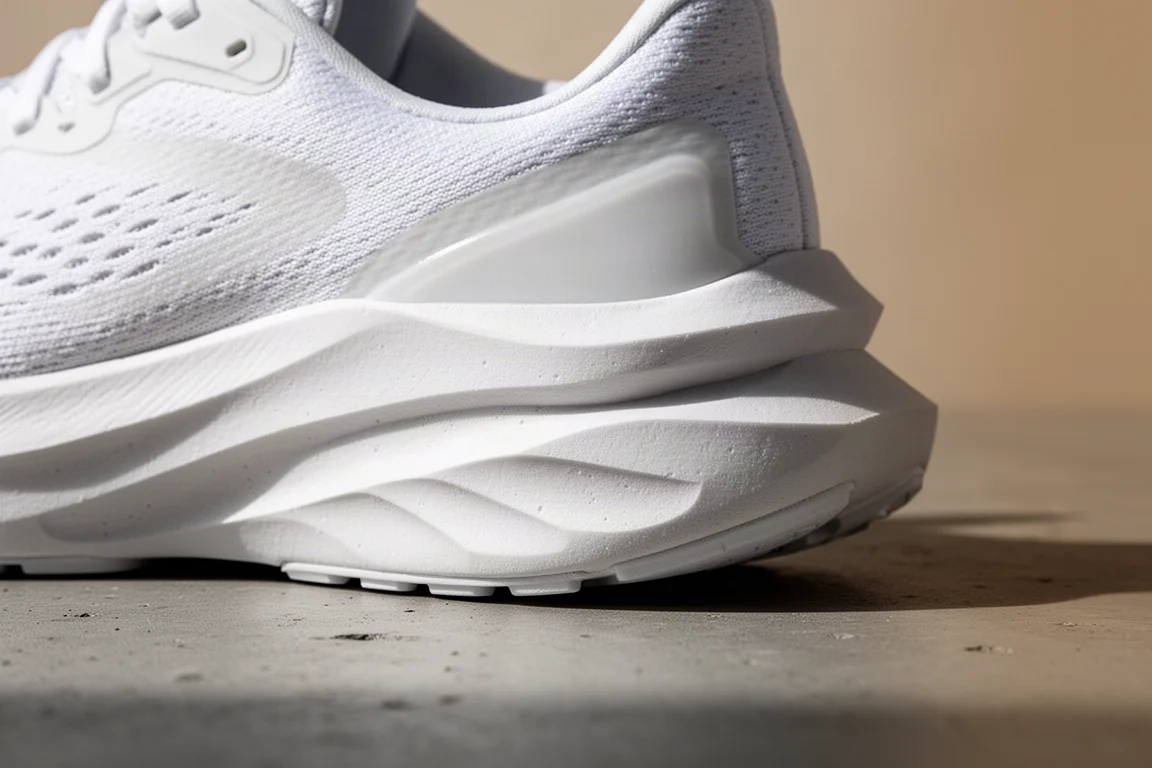
Both shoes use a FlyteFoam Blast plus midsole design, but the Cumulus 26 adds an additional foam layer on the outsole side that was intended to improve traction and durability. In practice, neither improvement has been obvious so far, and the newer shoe is showing wear noticeably faster in the early miles.
Ride Feel: Softer vs Firmer
The Cumulus 25 delivers a genuinely soft ride thanks to its midsole foam, which felt both plush and light, and that softness is a big part of why it worked so well for easy runs. The heel flare on the 25 did make the rear foot feel a little clunky, even though it added stability for a neutral shoe.
The Cumulus 26 feels firmer and more rockered. The landing feels firm at first, with a hint of softness appearing late in the loading phase once the midsole compresses. Where the 26 clearly improves on its predecessor is the heel transition: the clunky rear foot has been smoothed out considerably, and the sidewalls rise higher, creating a very stable neutral heel. If you dislike that feeling, the Cumulus 25 may suit you better.

Fit and Upper: Tapered Toe Box and Toe Spring
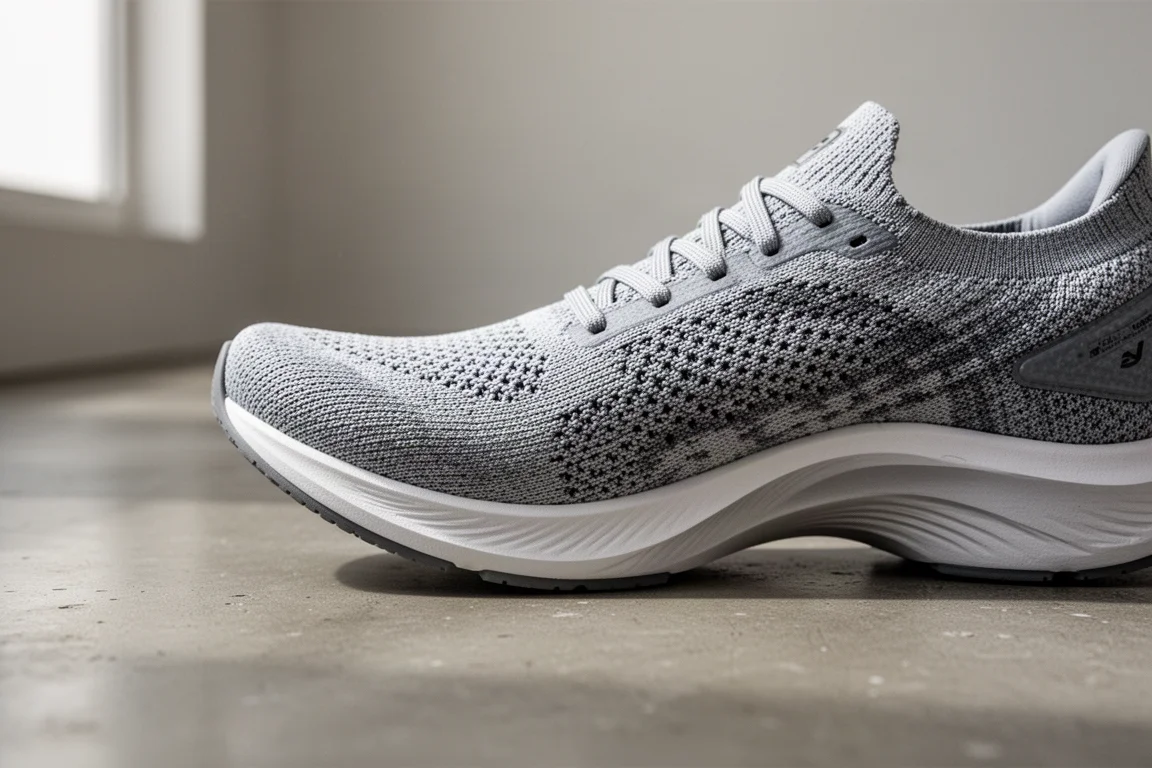
The Cumulus 26 is also stiffer than the 25, which had a noticeably more flexible feel. It has a larger forefoot rocker and significantly more toe spring, with the toes sitting on a visible upward curve. That geometry can make the shoe feel a little short and can leave your toes slightly extended.
Up top, the forefoot room is fairly comparable, but the Cumulus 25 runs a bit wider while the Cumulus 26 is more tapered at the toe box. The knit upper on the 25 has more flex, whereas the 26 locks the foot down more securely. That security is welcome, but combined with the toe spring it makes the newer shoe feel shorter. If you are between sizes, consider trying a half size up in the Cumulus 26. It does break in, and no toe blisters have appeared so far, but the toe spring is on the aggressive side.
Which One Should You Buy?
Both remain standard daily training shoes, but they lean in different directions. The Cumulus 25 is the softer, roomier, slightly more flexible option, and it is the more comfortable choice for easy efforts and longer relaxed miles. The Cumulus 26 is the faster of the two: its firmer, more rockered ride feels much more natural at uptempo paces, and it has handled tempo runs, hill repeats, and fartleks comfortably, something the softer 25 felt less suited to.

If you want a plush, forgiving ride with a bit more toe box room and stretch, the Cumulus 25 is the better pick. If you want a smoother heel, a more uptempo feel, and a shoe you can comfortably push the pace in, the Cumulus 26 is worth the trade-offs, including the more tapered fit and slightly quicker outsole wear.
Conclusion
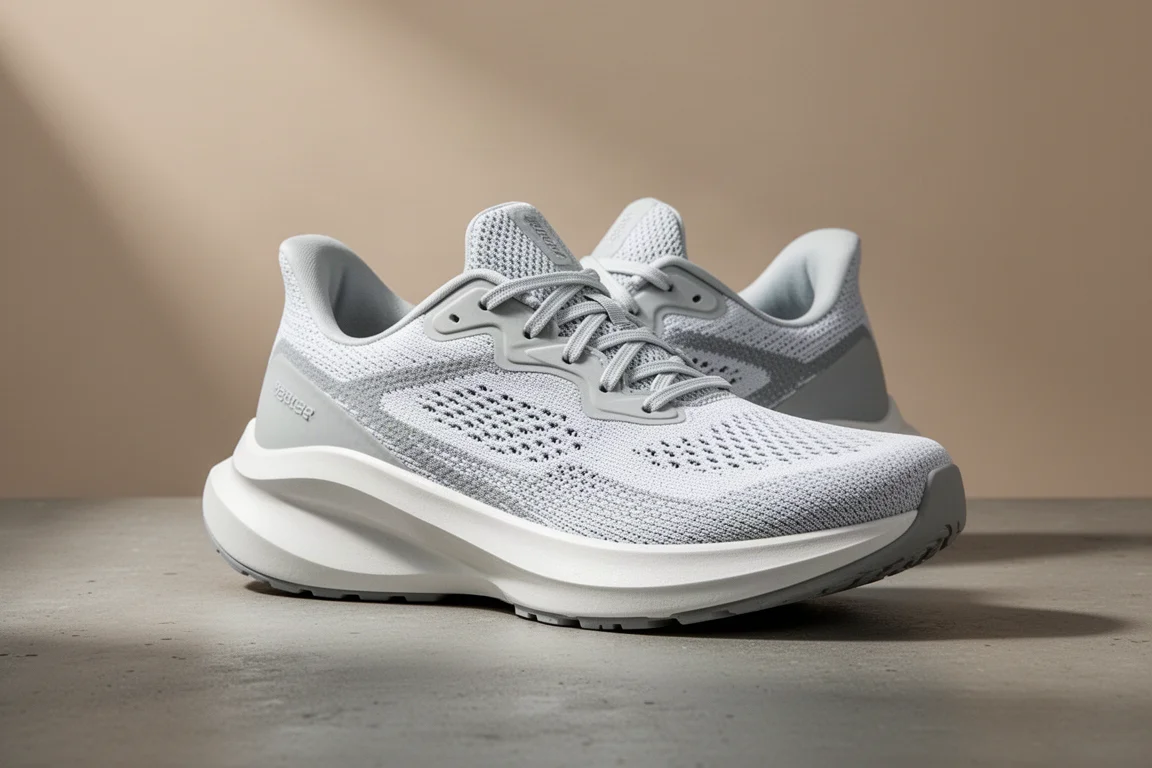
The Gel Cumulus 25 and 26 are closer in specs than they are in feel. The 25 stays true to the soft, light daily trainer formula with a roomier toe box, while the 26 trades some softness and fit room for a smoother heel, more rocker, and a faster ride. Choose based on the paces you run most, and you will be happy with either one.
Further reading
Related Reviews

Running Shoes
Best Road-to-Trail Running Shoes: Three Versatile Options for Mixed Terrain
A practical guide to three road-to-trail running shoes that handle both pavement and mild trails, with clear strengths and trade-offs for different runner types.

Running Shoes
Best Running Shoes for Achilles Tendonitis: Three Options Explained
Three running shoes with different heel drops and support features designed to help reduce Achilles tendon pain during walking and running.

Running Shoes
Best Running Shoes for Women: Five Top Choices Ranked
A ranked guide to five women's running shoes, from versatile daily trainers to high-performance racing options, with real strengths and trade-offs for each.