Trail Running Shoes
Asics Fuji Speed 2 vs Nike Ultrafly: Which Carbon-Plated Trail Shoe Makes More Sense?
Two carbon-plated trail running shoes with very different characters: one snappy and comfortable, one stiff and firm. Here is how they compare.
Introduction
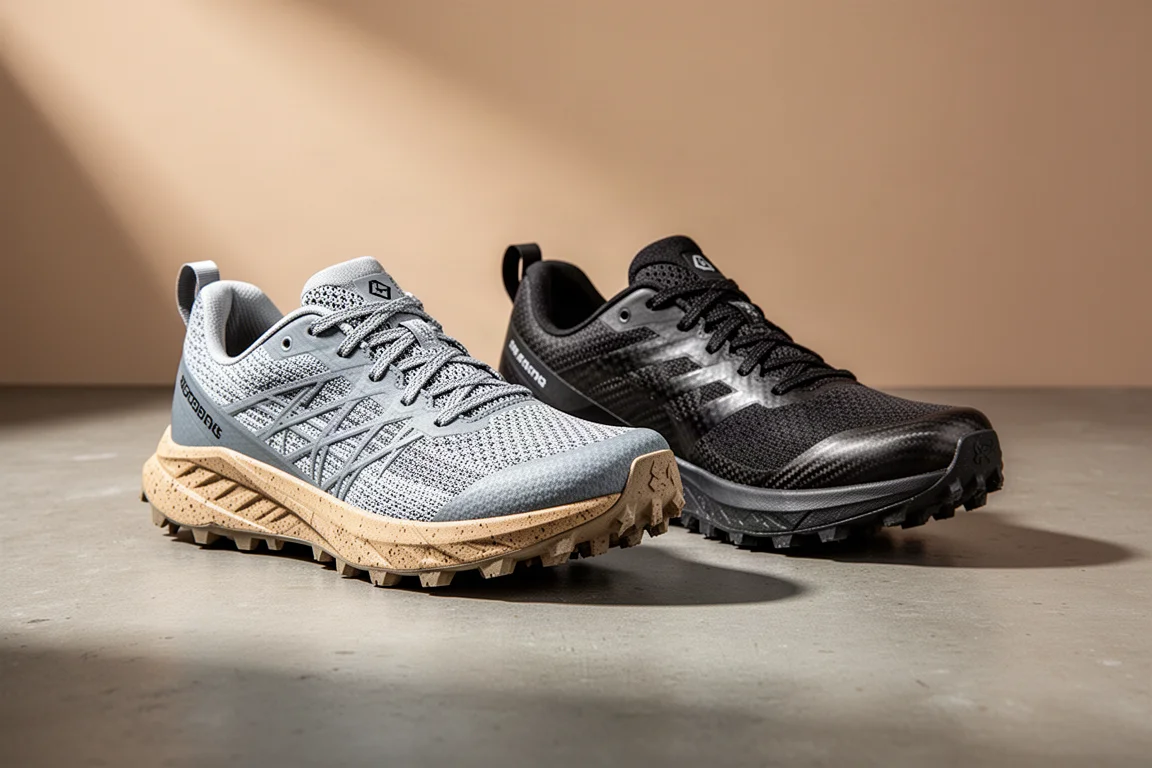
Carbon-plated trail shoes have gone from niche experiment to a proper category, and two of the most talked-about options are the Asics Fuji Speed 2 and the Nike Ultrafly. Both are built for fast, performance-oriented trail running, but after putting the Fuji Speed 2 through a first hot-weather run in Chamonix and comparing notes against the Ultrafly, the two shoes feel far less alike than their shared spec sheet suggests.
One is a genuinely quick, comfortable performance trail shoe. The other behaves more like a stiff everyday trail shoe with a plate dropped in. That difference matters, especially when the price gap between them is significant.
Asics Fuji Speed 2: Comfort With a Kick
The Fuji Speed 2 retails for 160 pounds in the UK, which sits well below most carbon-plated trail rivals. In a UK 8.5 it comes in at around 250 grams and runs on a 5mm heel offset. Construction-wise there is a lightweight woven upper aimed at durability against roots and rocks, an asymmetrical lacing system with a gusseted tongue, a lace garage to tuck away loose ends, and notch-textured laces reminiscent of those on Asics’ fast road racing shoes.
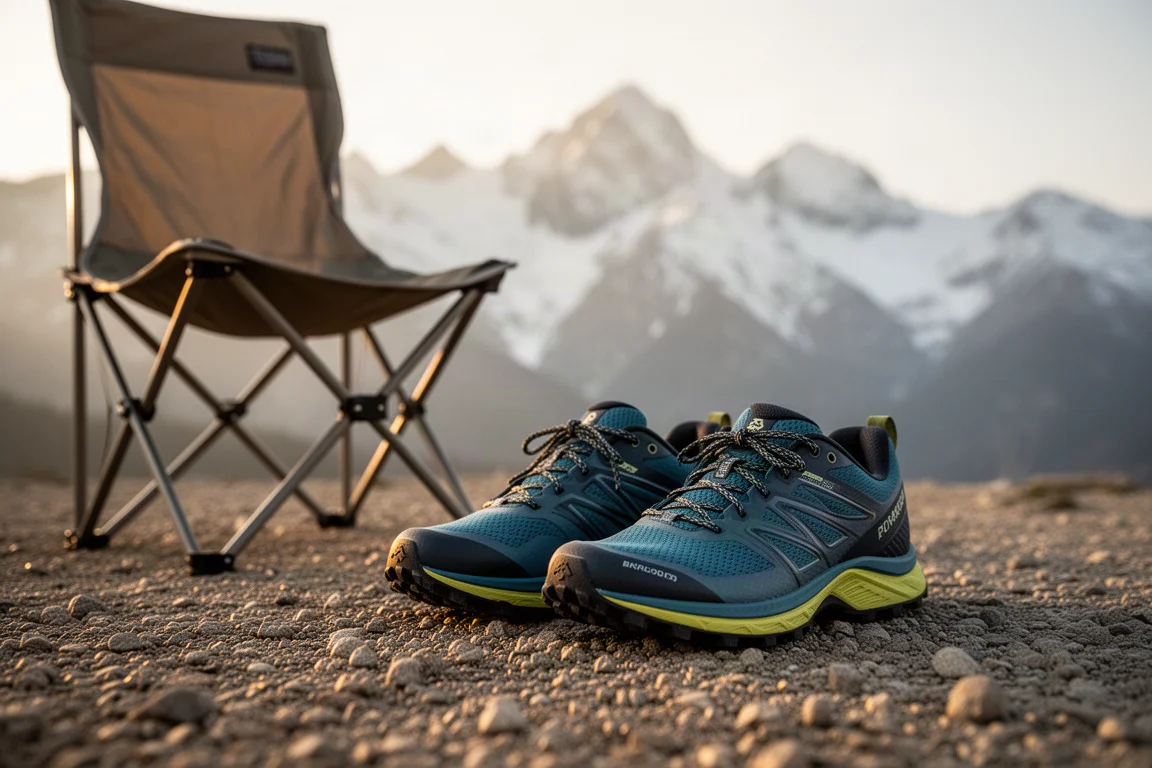
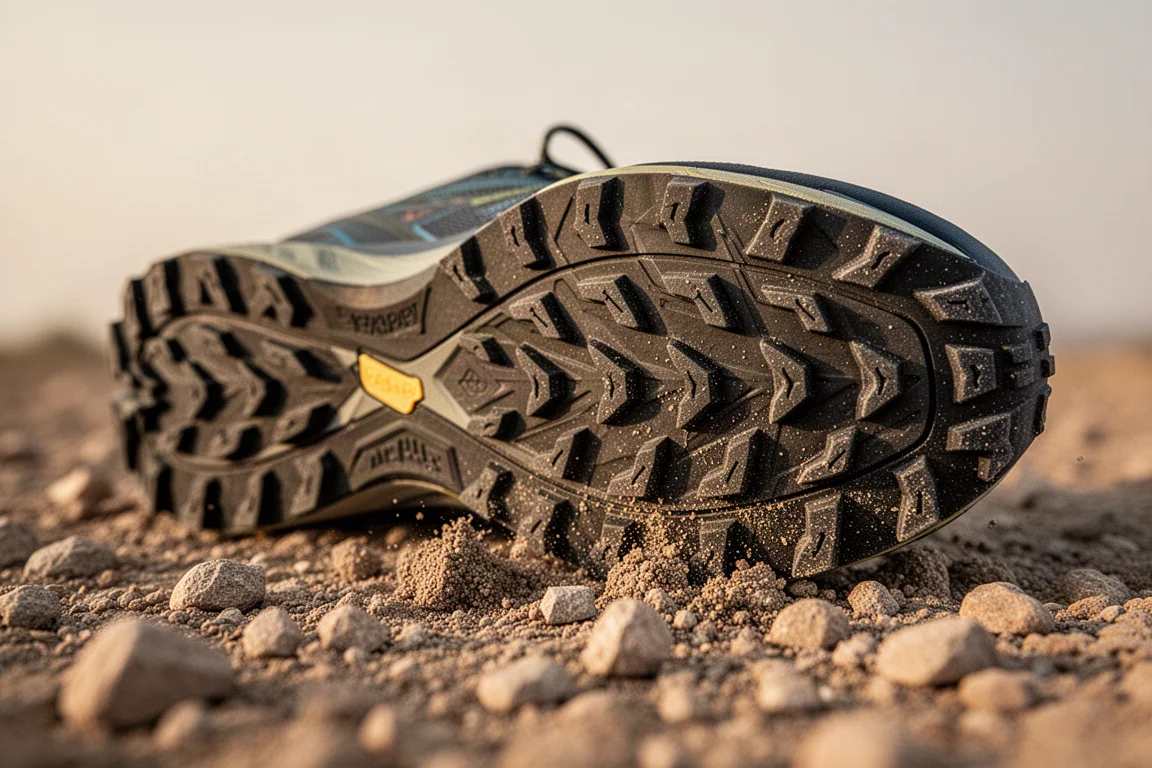
The midsole pairs a full FF Blast Plus foam setup with a carbon plate. On tarmac and smooth trail it felt super snappy, with high energy return and a ride that genuinely resembled a performance road shoe. The outsole is Asics’ well-regarded grip rubber with around 4mm lugs, sticky and confident on rocky and wet rocky ground.
Fit is the main caveat. The shoe runs a little long and has plenty of depth at the midfoot, so runners with shallow feet and low arches may need to pull the laces tight, which can cause the upper to pucker slightly. Runners with more volume in their midfoot will likely find the lockdown and heel hold excellent. Note also that the toe box is soft with no added toe bumper, a small miss for rocky descents.
Nike Ultrafly: Stiff and Firm
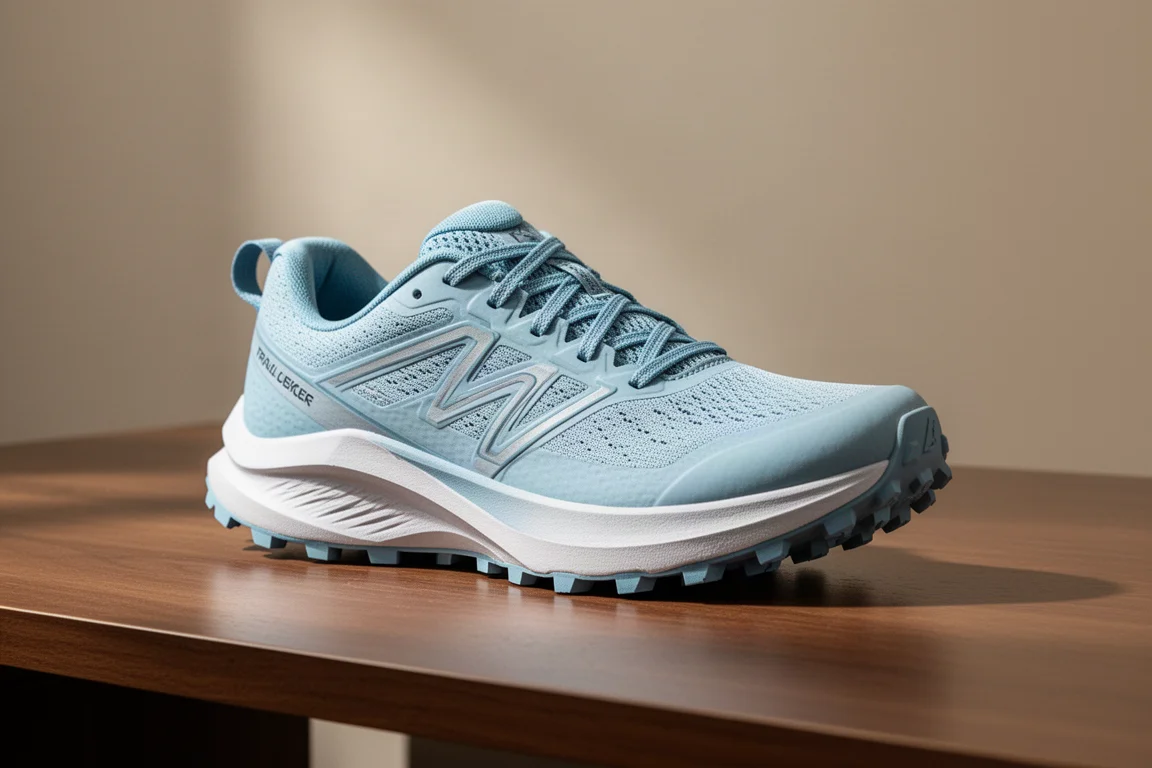
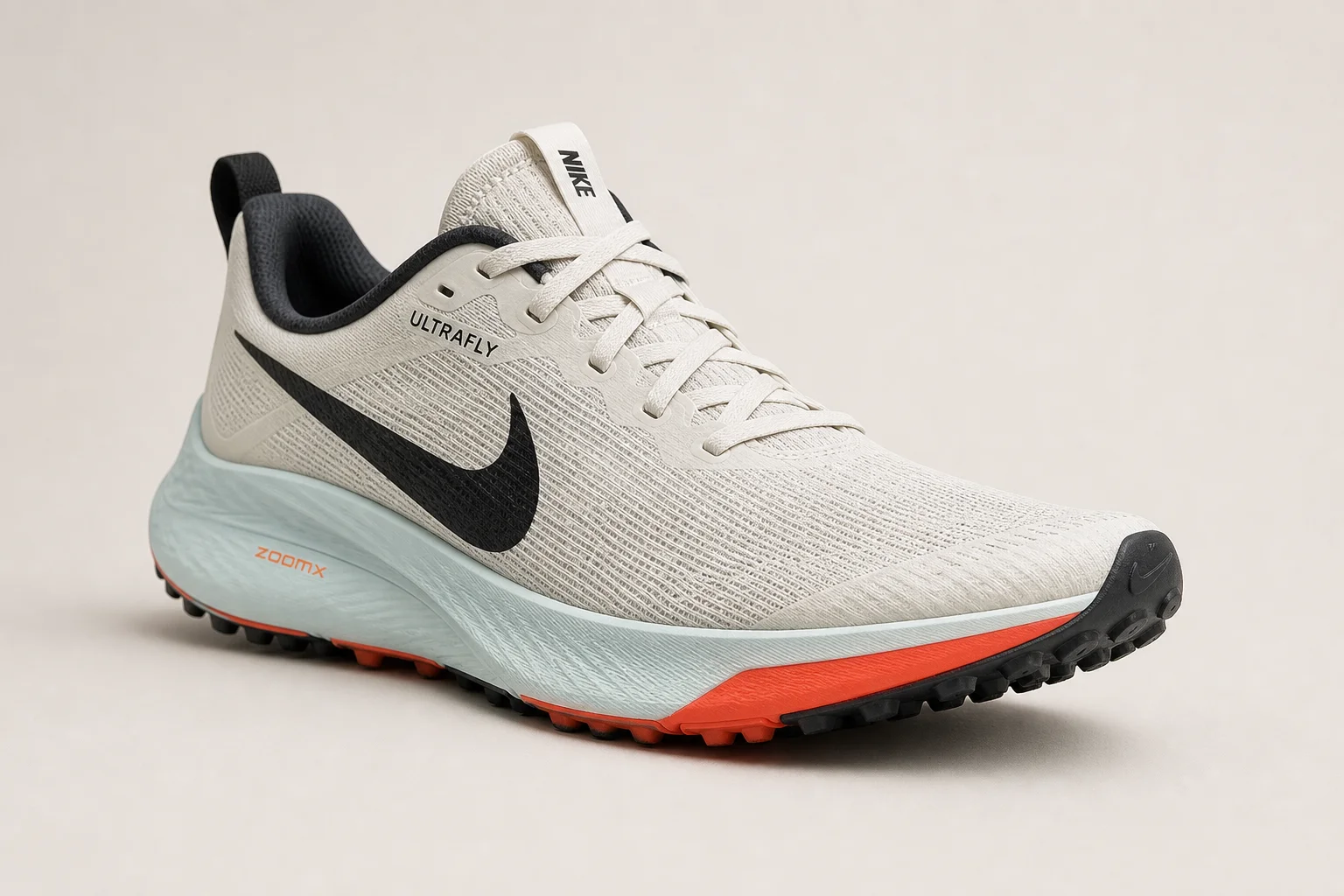
The Nike Ultrafly was tested recently and left a mixed impression. At 230 pounds it costs 70 pounds more than the Fuji Speed 2, and in use it came across as noticeably heavier, overly stiff, and quite firm in the midsole. Stiffness out of the box was severe enough to cause foot issues within the first two or three miles of its first run, something the Fuji Speed 2 did not do at all.

The bigger issue is character. Despite the carbon plate and the hype, the Ultrafly rides more like a standard everyday trail shoe than a performance racing shoe. It lacks the lightness, nimbleness and responsiveness that usually justify a carbon-plated build, which makes its premium price hard to defend next to the competition.
Buying Advice: Which One Should You Pick?
If you want a shoe for fast racing and tempo trail days, and you have a midfoot with some volume to it, the Fuji Speed 2 is the easier recommendation. It is lighter, more comfortable, more responsive, noticeably cheaper, and it ran trouble-free from the very first mile. It will see race duty shortly in a 15km mountain race with 1,300 meters of elevation, which should put both its plate and its grip through a proper test.
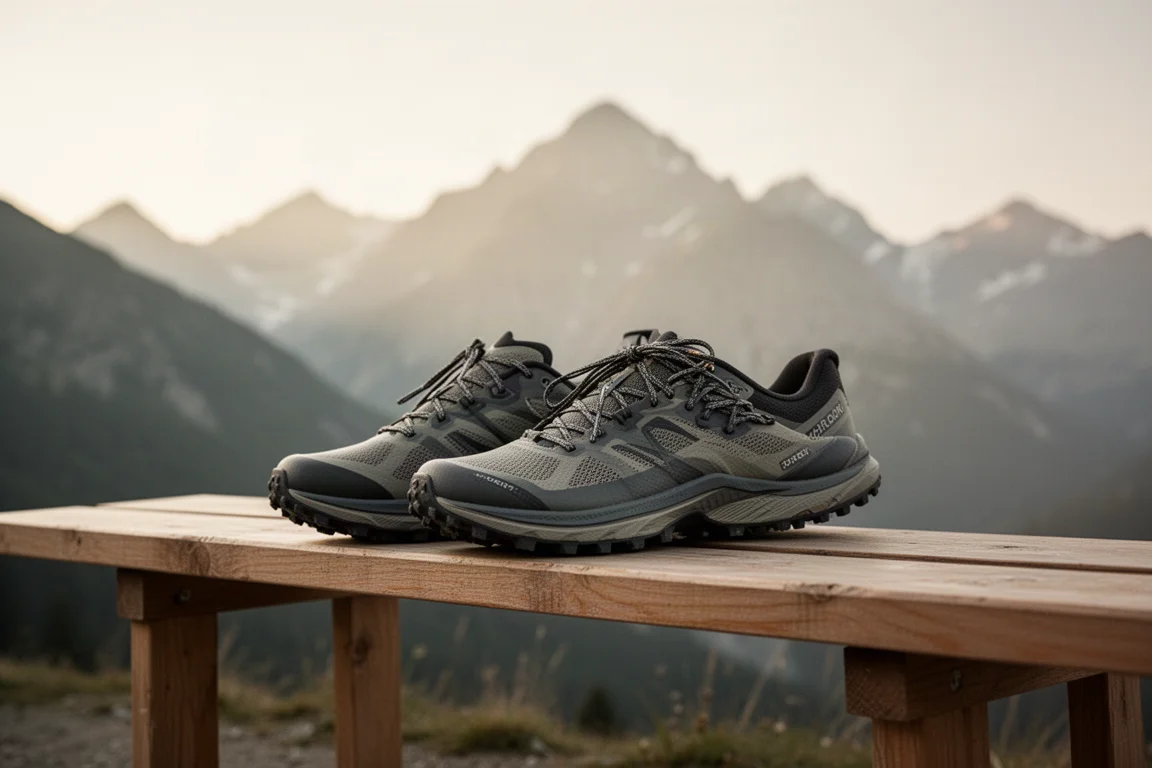
The Ultrafly only really makes sense if you specifically want a firmer, more protective feel and are happy to pay a premium for it. For most runners comparing these two directly, the value argument points firmly in Asics’ favor.
Conclusion
Both shoes share a carbon plate and a trail mission, but they deliver very different experiences. The Asics Fuji Speed 2 feels like a proper performance carbon-plated trail shoe: lightweight, responsive and comfortable, at a price that undercuts most rivals. The Nike Ultrafly feels stiff, firm and heavier, with a ride that does not match its price. On this evidence, the Fuji Speed 2 wins the comparison on nearly every front.
Further reading
Related Reviews
Trail Running Shoes
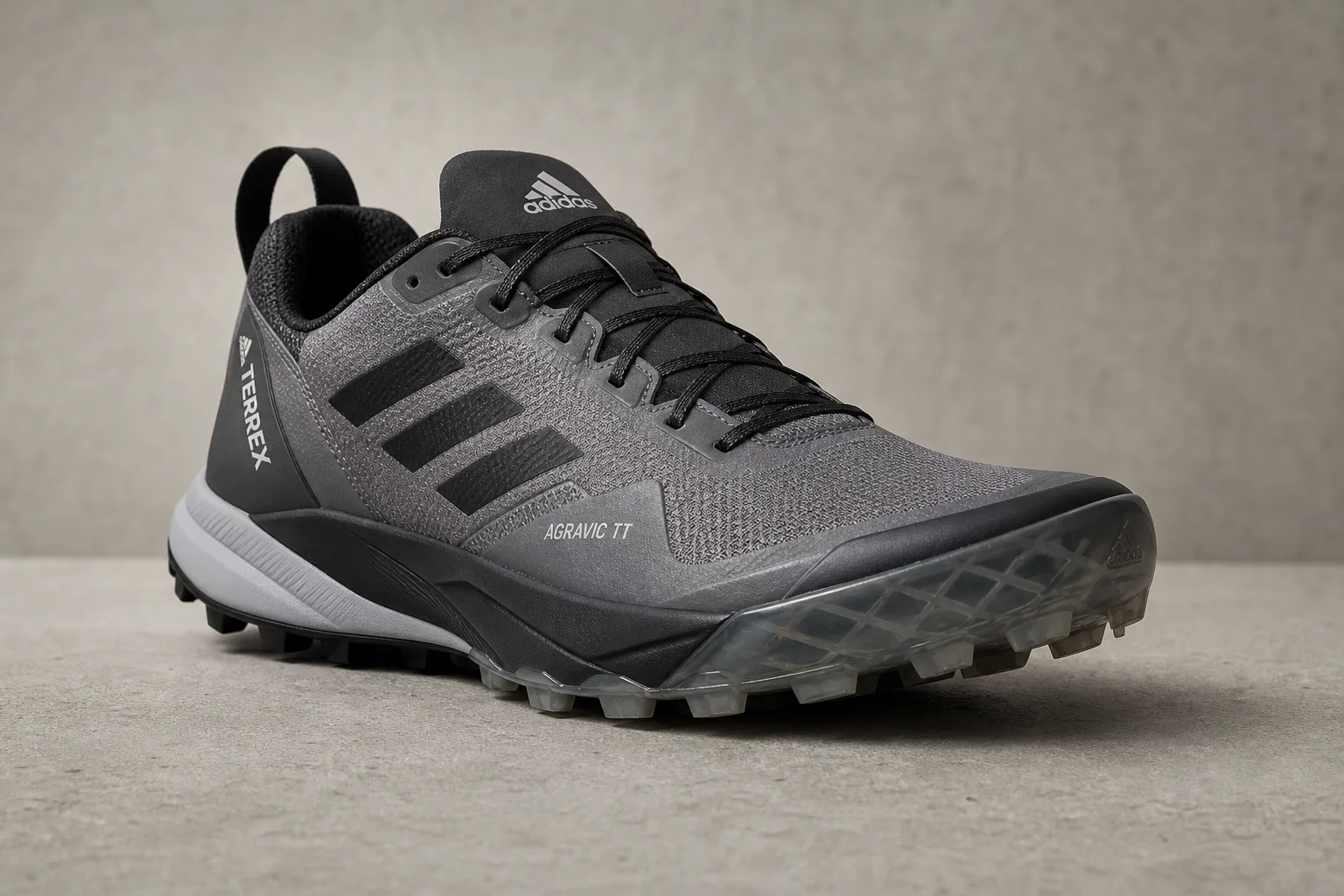
Adidas Terrex Agravic TT Review: A Technical Trail Shoe Built for Rocky Terrain
The Adidas Terrex Agravic TT combines a full-coverage rock plate with a firmer midsole to deliver protection and stability on technical, rocky trails. A capable choice for runners who prioritize underfoot defense over lightweight cushioning.
Trail Running Shoes
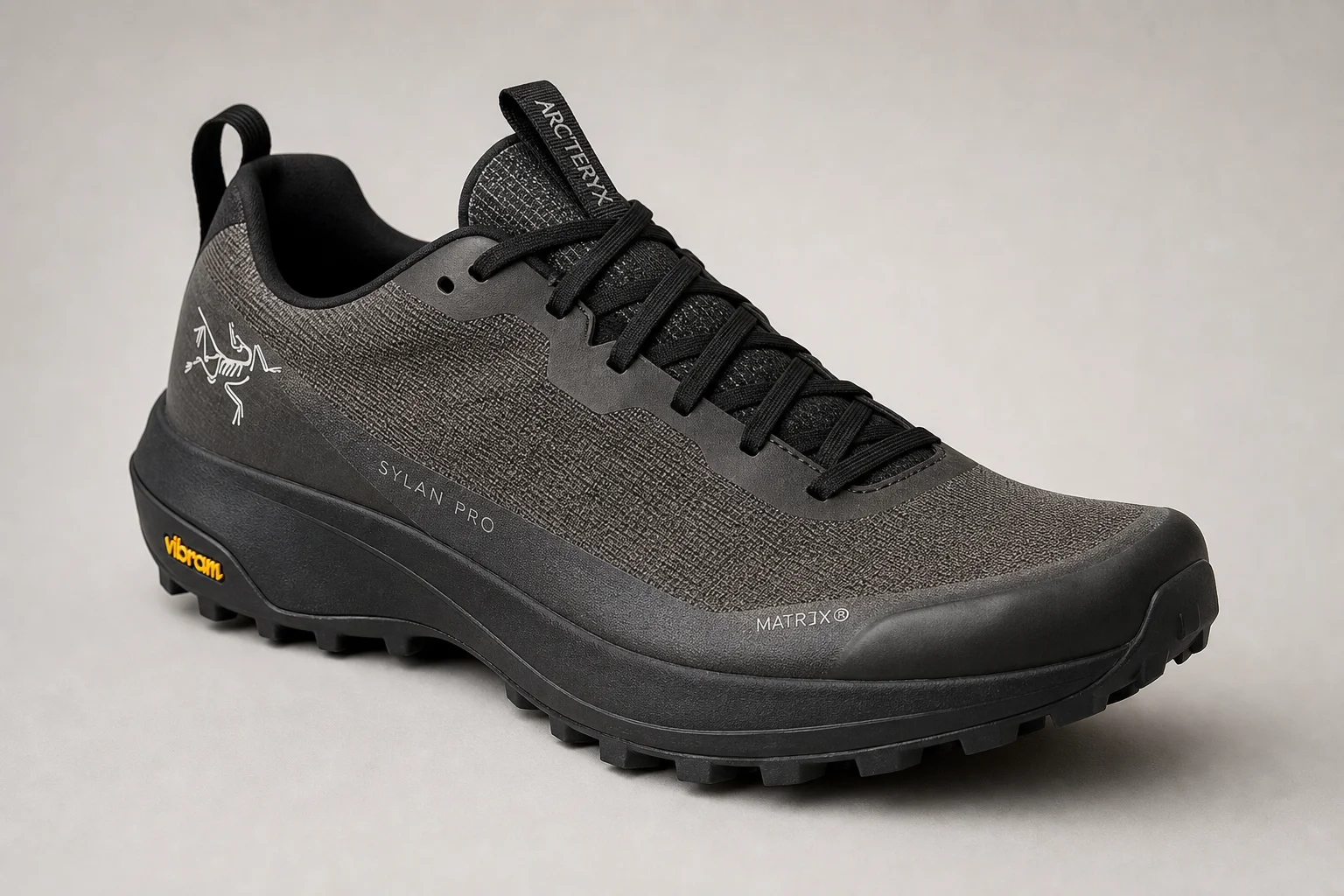
Arc'teryx Sylan Pro Review: A Rocker-Focused Mountain Running Shoe Tested on 20 Miles
The Arc'teryx Sylan Pro brings a pronounced rocker geometry and secure fit to mountain terrain. We tested it on a 20-mile Sawtooth loop to evaluate its climbing efficiency, protection, and handling of technical descents.
Trail Running Shoes
Best All-Mountain Trail Running Shoes: Three Versatile Options for Any Trail
A focused roundup of three all-mountain trail running shoes that handle technical terrain, long distances, and variable conditions with real strengths and practical trade-offs.