Running Shoes
ASICS Evoride 3 vs Noosa Tri 14: Two 2022 Daily Trainers Compared
The Evoride 3 brings low weight and a plush upper at $120, while the Noosa Tri 14 counters with better heel lockdown. Here is how they stack up.
Introduction
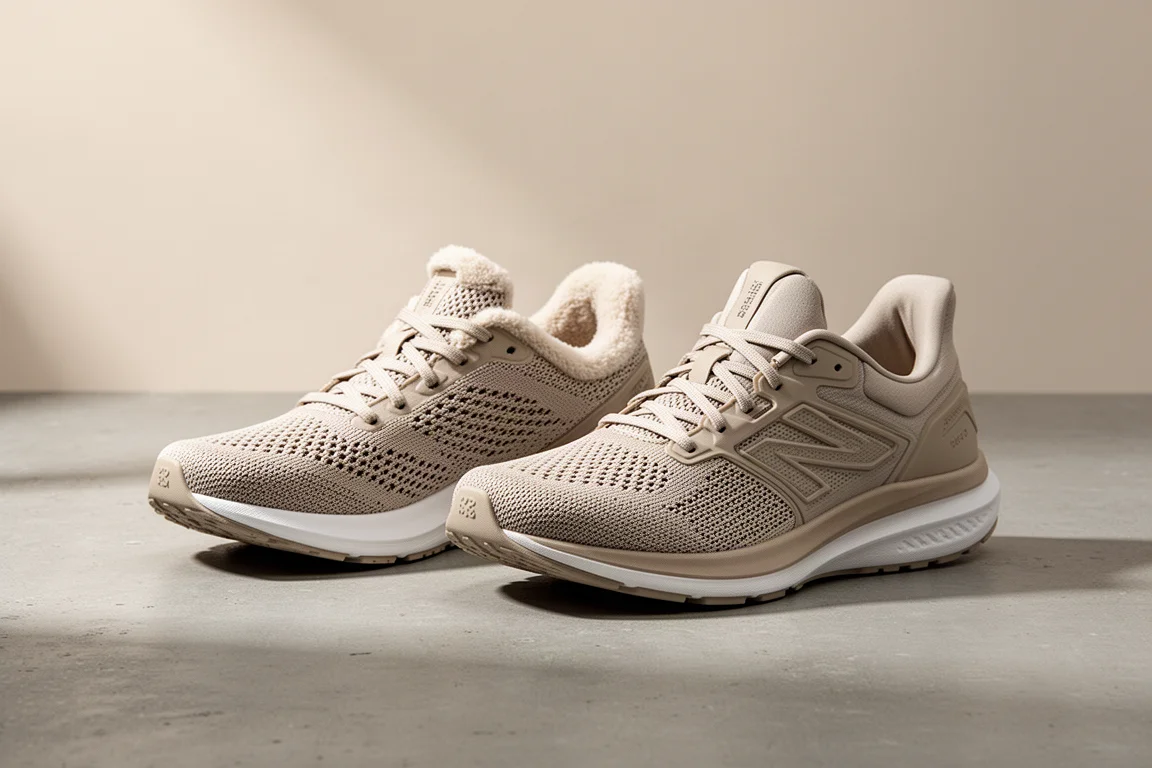
A good daily trainer is the bread and butter of any running shoe rotation, and ASICS delivered two strong 2022 options in the Evoride 3 and the Noosa Tri 14. The Evoride 3 combines a genuinely low weight with a plush upper at a very reasonable $120, while the Noosa Tri 14 counters with a more feature-rich build, especially around the heel.
Both shoes share the same stack height: 30mm in the heel and 25mm in the forefoot. That makes this comparison less about geometry and more about fit, lockdown, and how each shoe moves through the foot strike.
ASICS Evoride 3: Lightweight and Plush
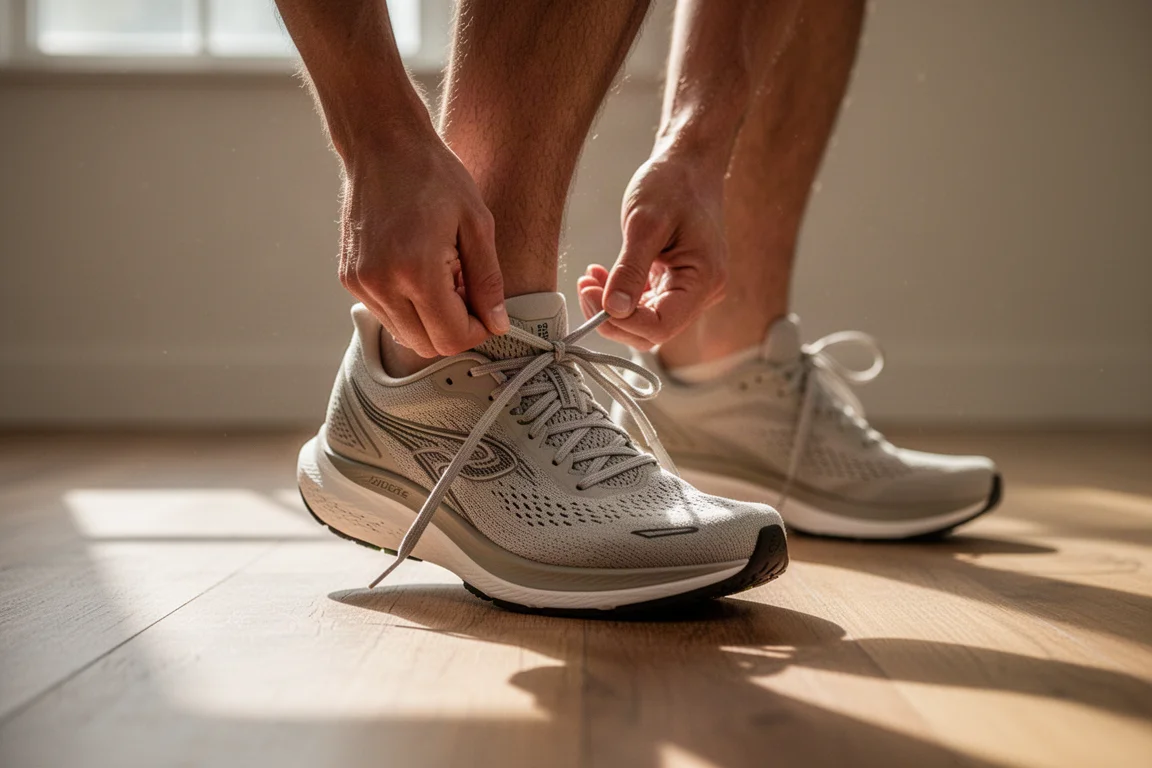
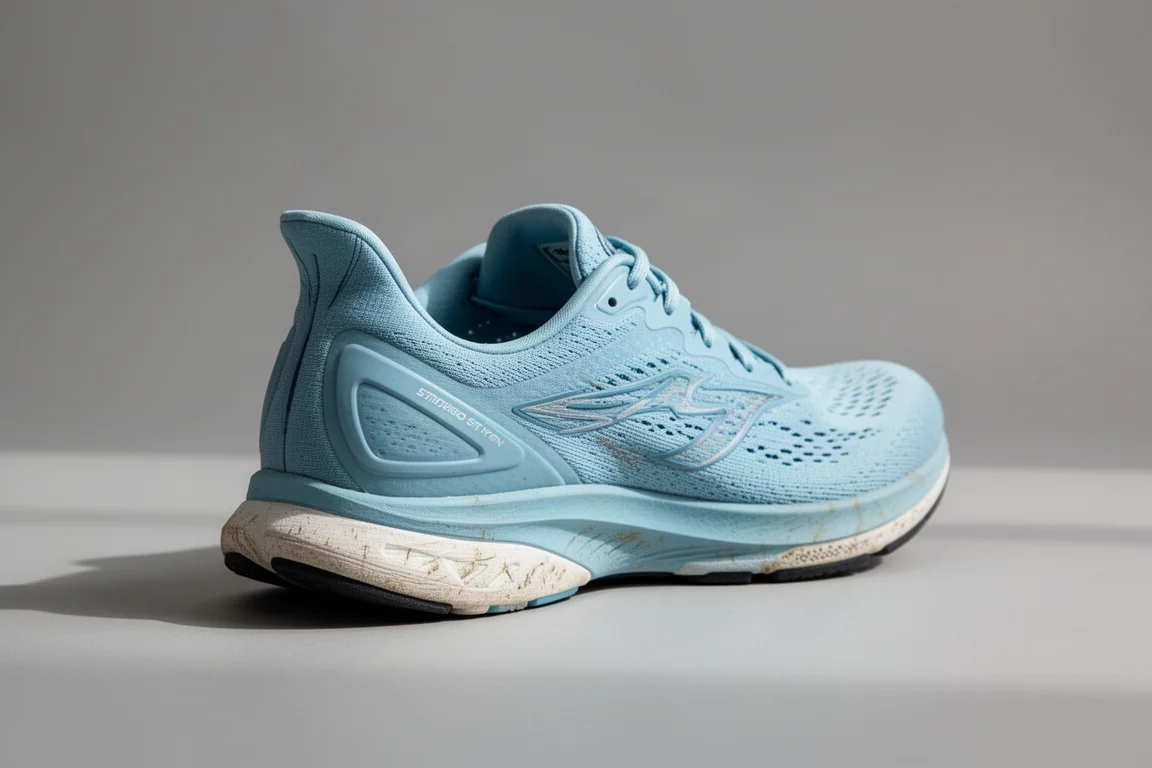
The Evoride 3 is a neutral road running shoe weighing 6.8 to 6.9 oz in the standard test sizes (women’s size 8, men’s size 9). Anything under 7 oz for a neutral road trainer is impressive, and the build quality holds up well at this weight.
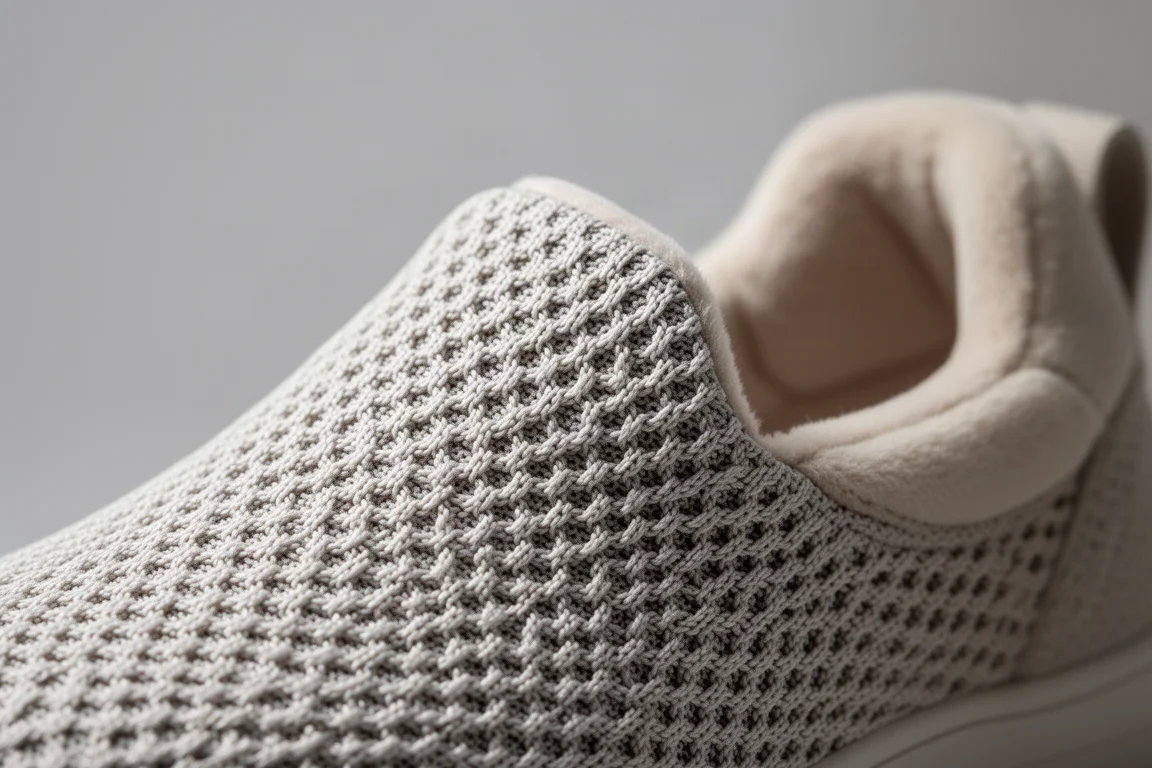
The upper uses a jacquard mesh that is fairly breathable through the toe box, paired with a plush collar and heel tab. The heel counter cushions the Achilles area so thoroughly that blisters there seem unlikely. One caveat: the shoe has no heel flare, and the lockdown is good but not class-leading.
Ride and Midsole Feel
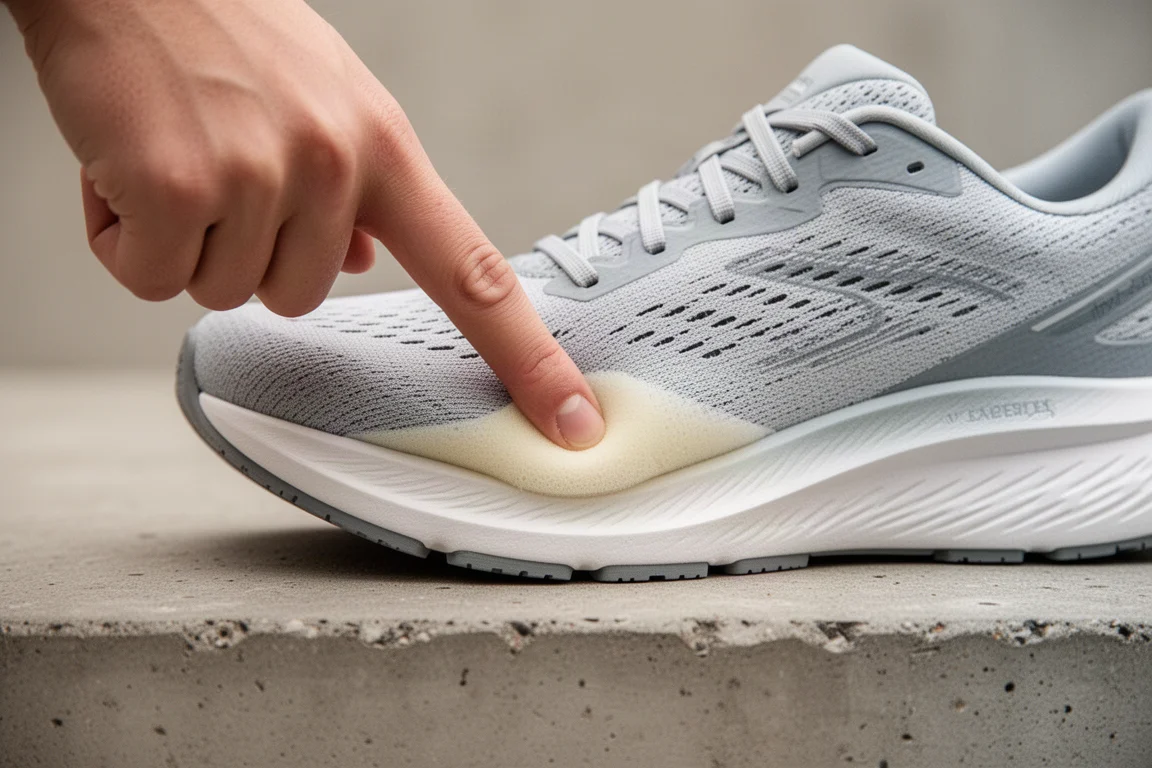
The midsole uses FlyteFoam, a Kevlar and polyester fiber blend that delivers lightweight cushioning with a soft underfoot feel. A durometer reading of 47 puts it very close to the Noosa Tri 14, though it feels a touch softer on foot. It is not mushy, but some runners may prefer a little more density underfoot. The ride and energy scores come in at eights across the board, with no visible creasing in the midsole after testing.
The outsole uses AHAR PLUS rubber, described as just right in coverage. The only suggested improvement is a decoupled groove.
Fit, Comfort, and Durability
The Evoride 3 fits true to size, though the pinky toe brushed the lateral wall of the toe box ever so slightly during testing, even on a foot that is not particularly wide. If you prefer a snugger fit, keep this in mind. The comfort score of 7.75 is driven mostly by the plush upper rather than the midsole.
The main drawback is the tongue. It is thin, not gusseted or semi-gusseted, and slightly flimsy, making it hard to cinch the laces down as much as you might like for a locked-in fit. Durability is estimated at around 500 miles, with the upper being the limiting factor.
ASICS Noosa Tri 14: More Structure, More Lockdown
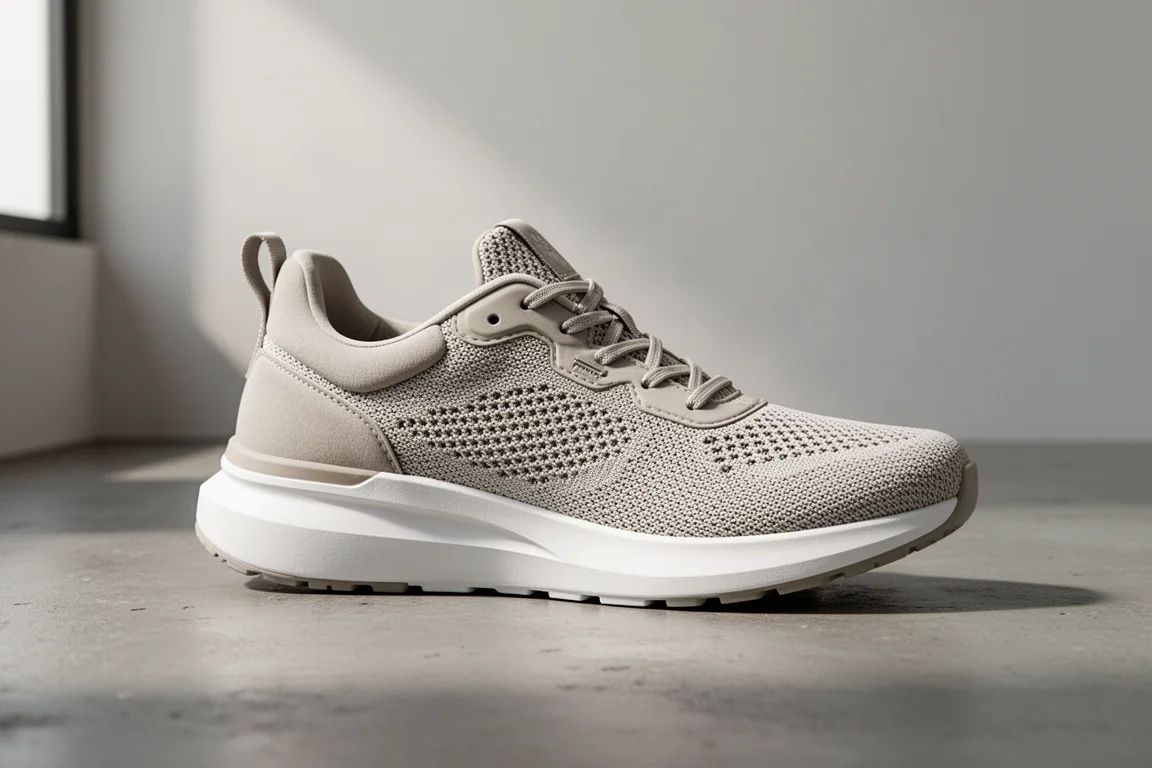
The Noosa Tri 14 shares the exact same 30mm heel and 25mm forefoot stack as the Evoride 3, but it comes in slightly heavier. In exchange, you get more features built into the heel counter area, including a heel flare and a better overall lockdown in the heel pocket. The tongue has more padding, and the eyelet chain delivers a significantly better lockdown experience than the Evoride 3.
If the scoring so far in 2022 is any indication, the Noosa Tri 14 is the stronger all-around performer in this pairing, thanks largely to that build quality and upper construction.
Which One Should You Buy?
The Evoride 3 is best for runners who want a lighter shoe with a plush upper. The 50-mile review score lands at 7.93 out of 10, and at $120 it undercuts the many daily trainers that sit at $135 to $150. The value is genuinely hard to beat for a daily trainer and fartlek shoe, with tempo work as a possible bonus use. Think 3 miles easy, then 2 minutes on, 2 minutes off repeated five times, then a 3-mile cooldown.

The Noosa Tri 14 is the pick if you prioritize heel lockdown, a padded tongue, and a more structured heel area, and you do not mind carrying a smidge more weight. Both are excellent ASICS daily trainers, and the right choice comes down to whether you value low weight or lockdown more.
Conclusion
ASICS had a strong 2022 lineup, and both the Evoride 3 and the Noosa Tri 14 prove it. The Evoride 3 wins on weight and price, the Noosa Tri 14 wins on lockdown and build features. Either way, both shoes share the same stack height and make a convincing case as dependable daily trainers.
Further reading
Related Reviews

Running Shoes
Best Road-to-Trail Running Shoes: Three Versatile Options for Mixed Terrain
A practical guide to three road-to-trail running shoes that handle both pavement and mild trails, with clear strengths and trade-offs for different runner types.

Running Shoes
Best Running Shoes for Achilles Tendonitis: Three Options Explained
Three running shoes with different heel drops and support features designed to help reduce Achilles tendon pain during walking and running.

Running Shoes
Best Running Shoes for Women: Five Top Choices Ranked
A ranked guide to five women's running shoes, from versatile daily trainers to high-performance racing options, with real strengths and trade-offs for each.