Art Supplies
7 Unique Art Supplies From Around the World Worth Trying
From Polish crayons and Czech rainbow pencils to Swiss gouache and Japanese gansai watercolor, a world tour of art supplies that break the usual routine.
Introduction
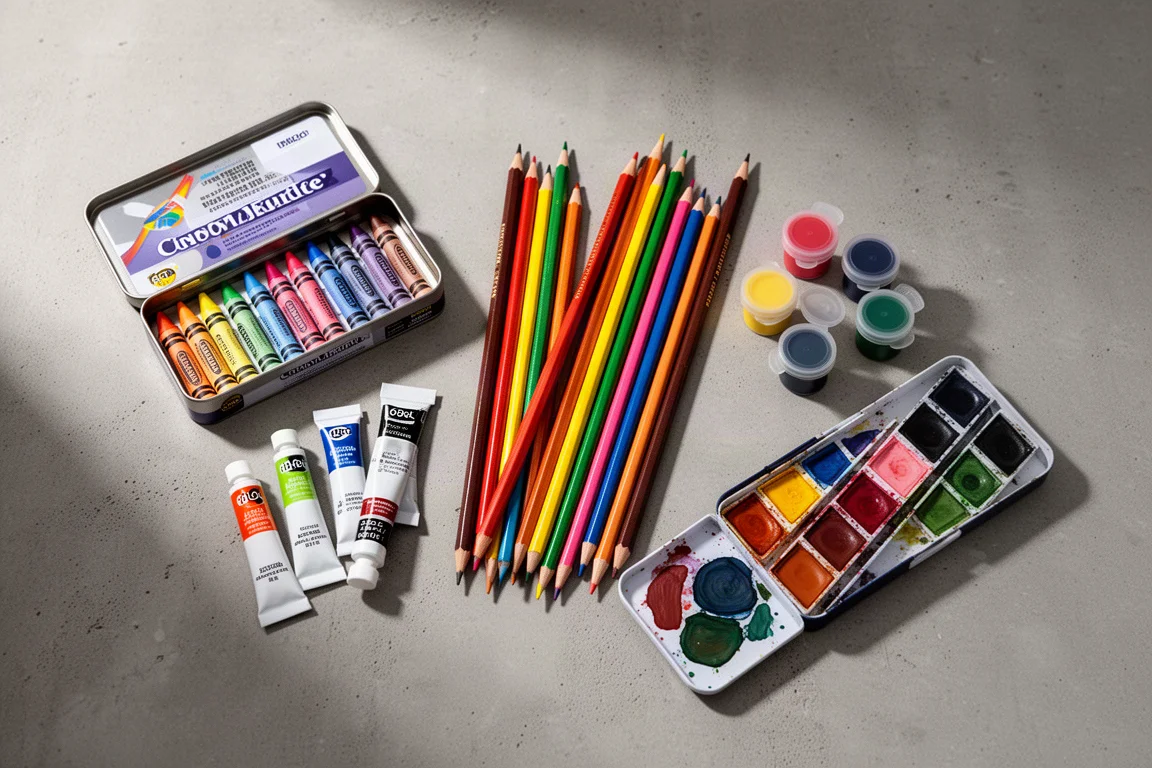
Some of the most interesting art supplies never make it onto local store shelves. This roundup gathers a set of standout finds from around the world: crayons and colored pencils from Poland, miniature acrylics from Shanghai, rainbow pencils from the Czech Republic, an upgraded crayon set from India, premium Swiss gouache, and traditional Japanese watercolor. Each one earned its place for a specific reason, whether that is unusually vivid pigment, clever packaging, or a completely different way of working. Here is what makes each one worth a look.
Bambino Crayons: Poland’s Answer to Crayola
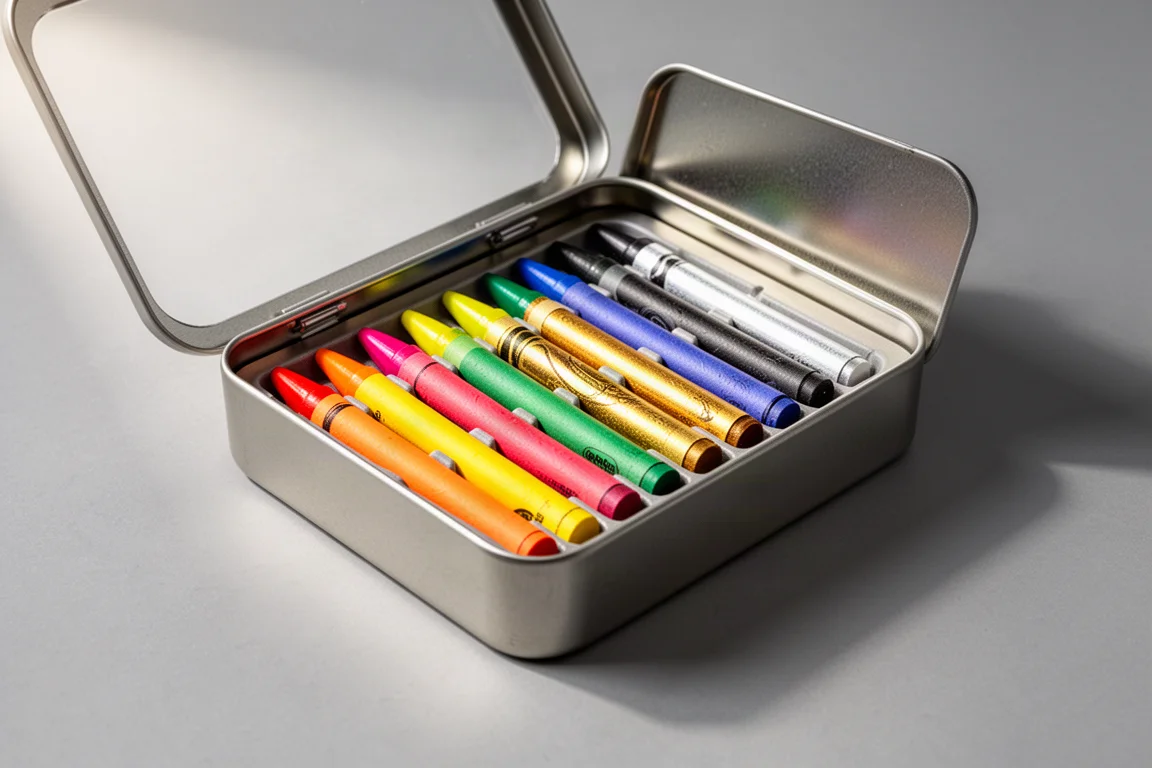
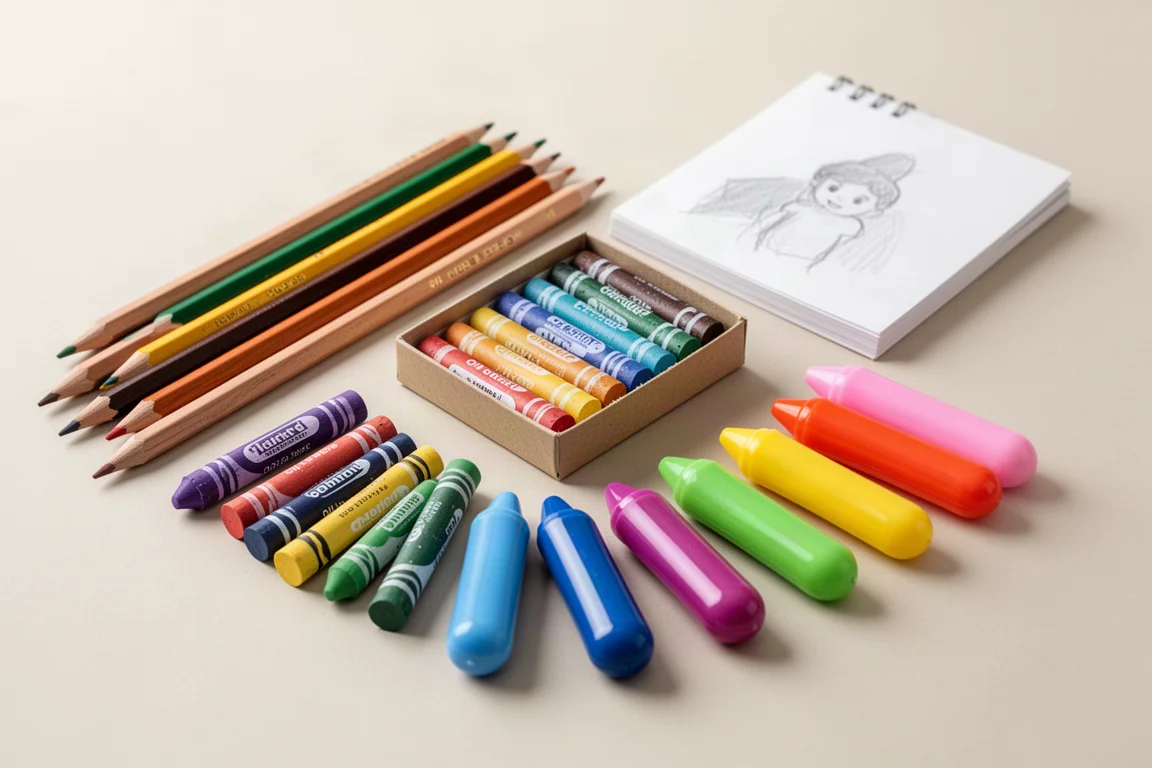
Poland has its own version of Crayola, and it is called Bambino. Even though these crayons are made for kids, the presentation feels a step above: the set comes in a tin package instead of cardboard, which makes it feel more elevated and better protected. The color selection includes some genuinely funky options, such as gold and silver metallic crayons that standard sets simply do not offer.
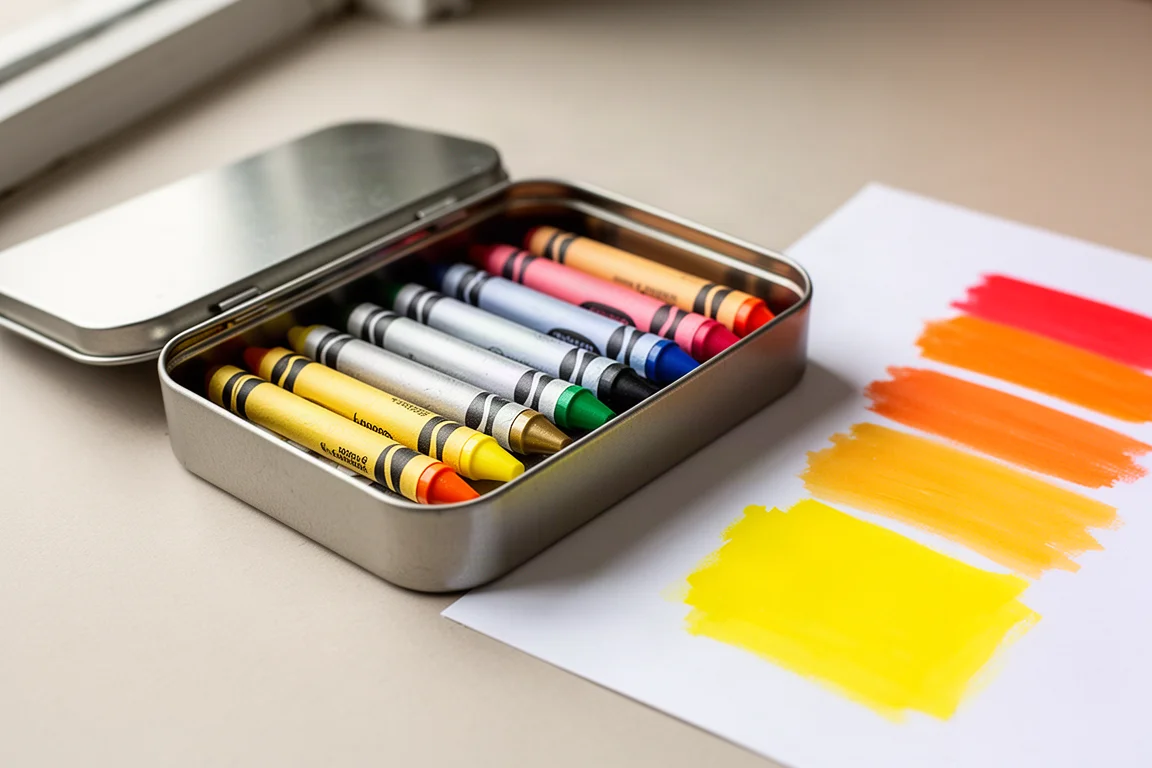
Compared directly against a familiar standard set, the difference is striking. The Bambino yellow is dramatically brighter, and the formula lays down noticeably smoother, without the textur, waxy feel of conventional crayons. If you loved crayons as a kid, these feel like an upgrade in every sense.
Bambino Colored Pencils: Dual-Color Twist
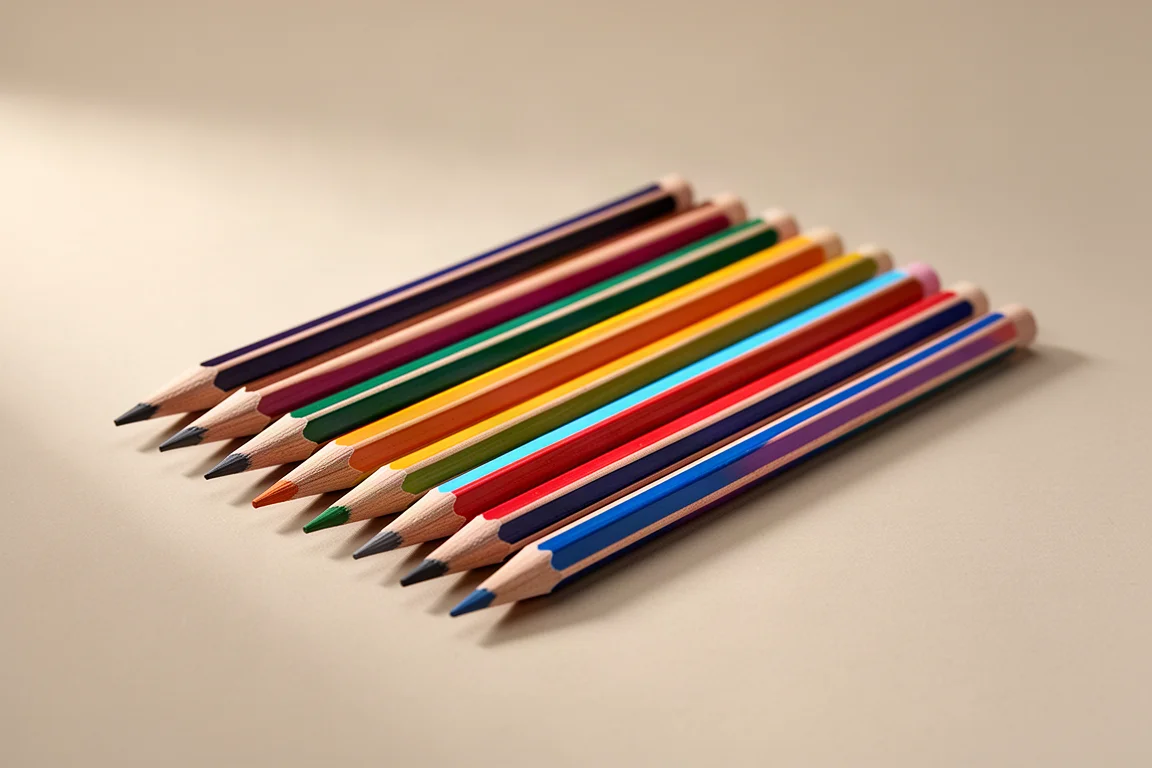
The Bambino colored pencils are nearly as interesting, largely because they are dual color, with two different shades in a single pencil. That is a genuinely unusual feature at this level and opens up playful blending possibilities.
In a side-by-side pigment test against a mainstream set, the quality came out roughly the same, so the pigment difference is not as shocking as it is with the crayons. The dual-color design and the matching tin packaging are what set them apart.
Marie’s Miniature Acrylic Paints: Tiny Tubes From Shanghai
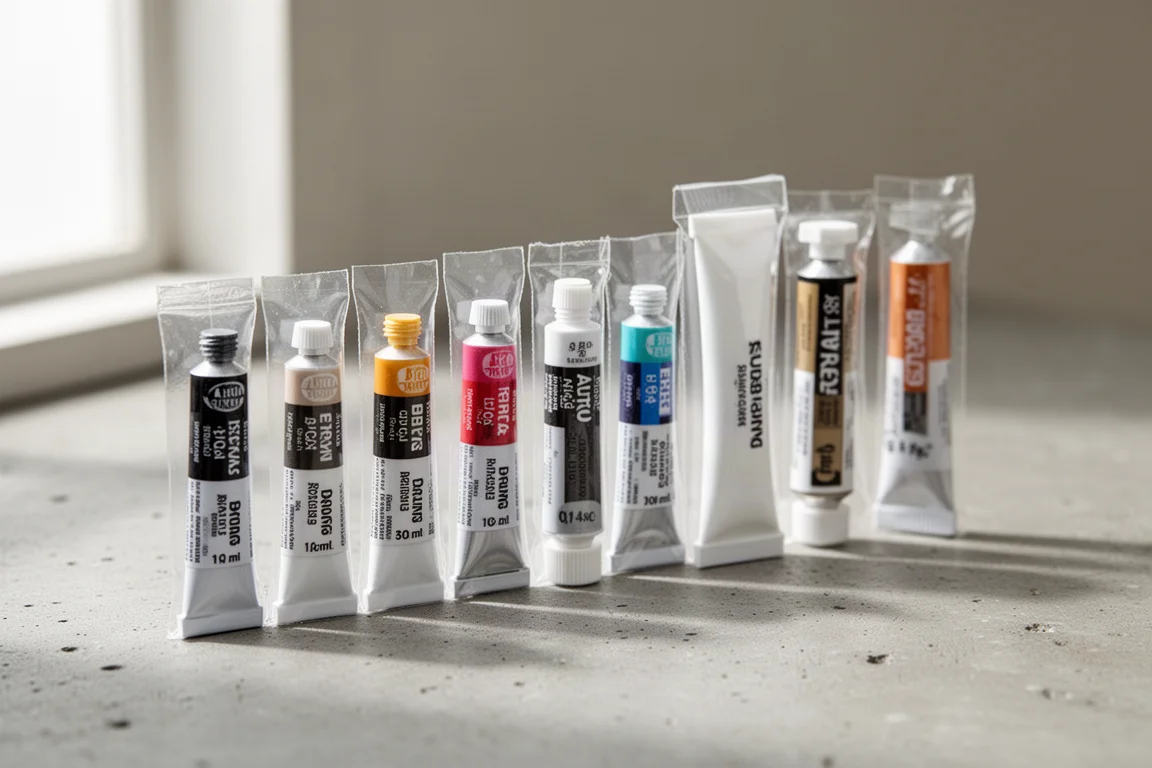
Marie’s is China’s oldest and largest art supply brand, and these miniature acrylic paints are almost comically small. The set includes 12 colors, and like the Bambino supplies, each individual tube comes with its own wrapping, which keeps everything tidy and protected.
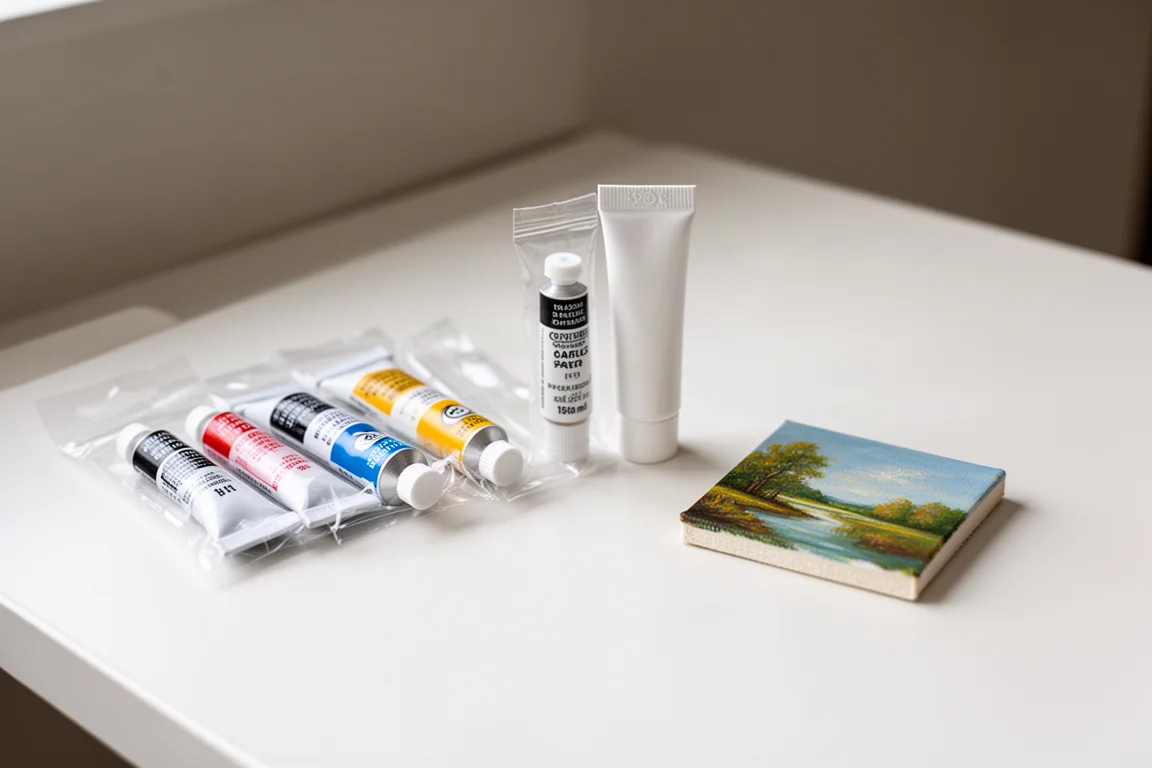
One thoughtful detail stands out: the set includes a white tube that is much larger than all the others, which makes sense because white is always the first color to run out. The palette is a simple, safe student-quality selection, and in use the paints perform well for the size. This is a good, affordable pick for small-scale painting and detail work.
coor Rainbow Pencils: Every Stroke Is a Surprise
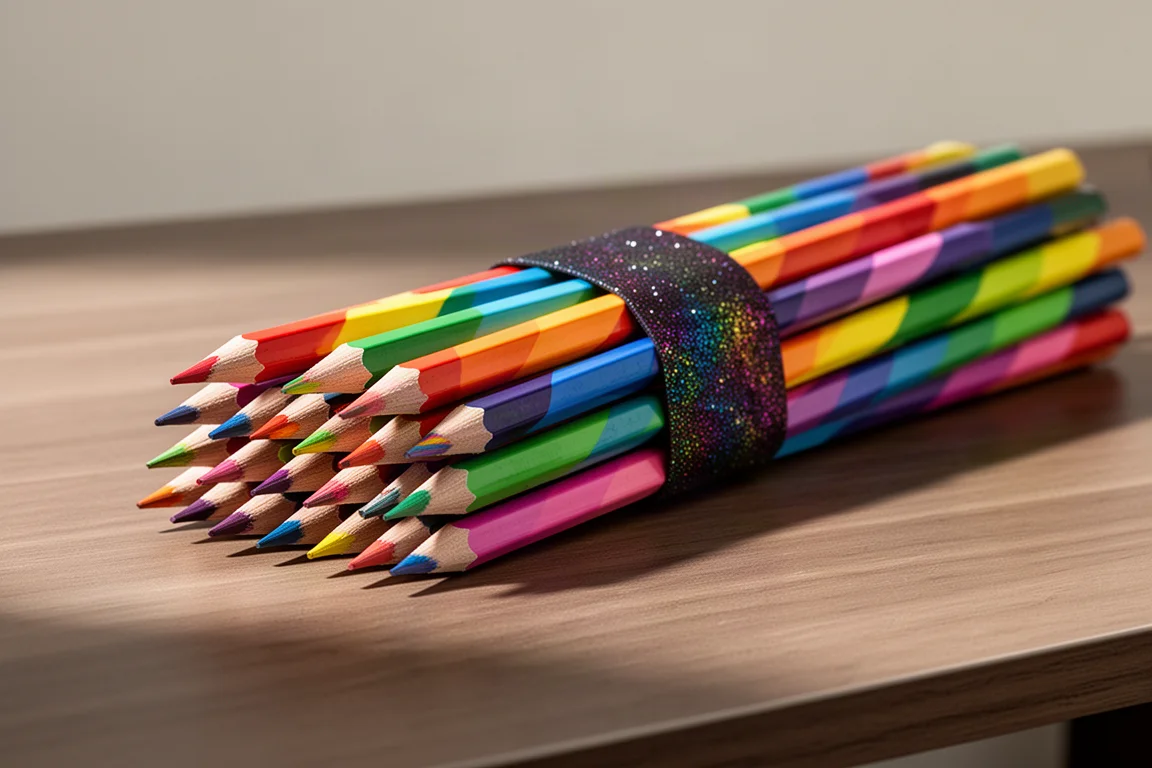
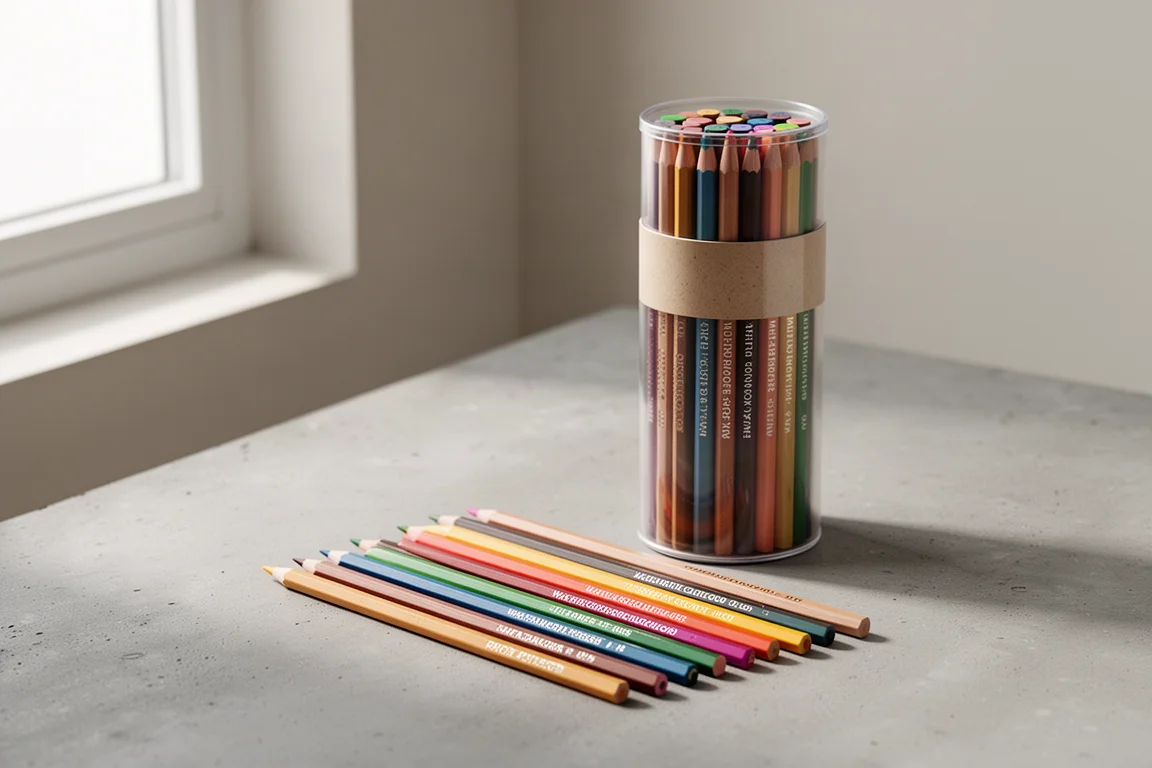
These rainbow pencils from the Czech Republic are in a different league from typical rainbow pencils. Each pencil has its own unique color scheme, and the set includes a newest edition wrapped in a glittery night sky design. Drawing with them is genuinely fun because you have no control over which color comes out next, and the payoff is layered, shifting gradients on the page.
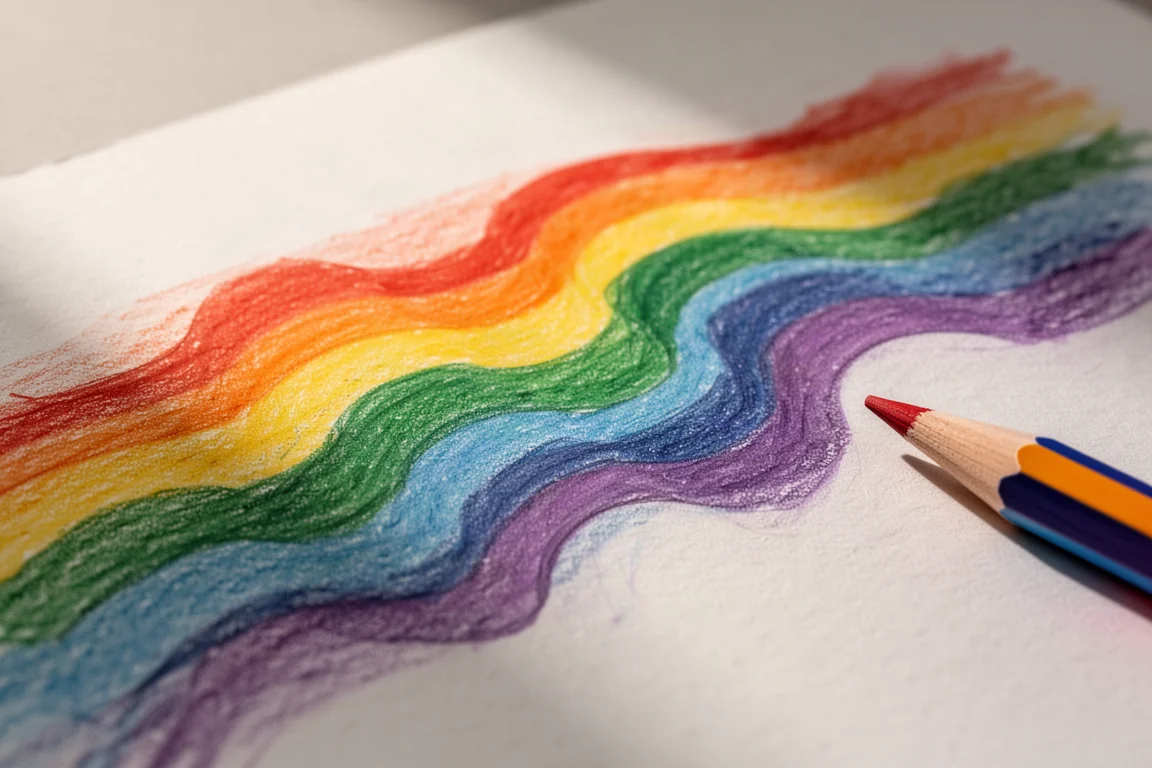
One technique note: pressing firmly is the best way to deposit all the colors at once. Pressing lightly does not produce the full rainbow effect. When you commit to the stroke, the pigment payoff is excellent.
Dom’s Art Supplies: India’s Upgraded Crayons
Dom’s is India’s version of Crayola, and this set is generous: colored pencils, oil pastels, school supplies, a sketchbook, wax crayons, and something called plastic crayons. Plastic crayons are made with plastic instead of wax, and that changes everything about how they behave.
They are known for durability and resistance to breakage. They will not flake, streak, or splotch, they are dust free, and you can sharpen them and even erase them, all while being non-toxic. Next to a wax crayon, the application is visibly smoother and nicer. For kids’ art supplies, this is a meaningful upgrade.
lco Gouache: Swiss Hybrid Paint in Squirt Bottles
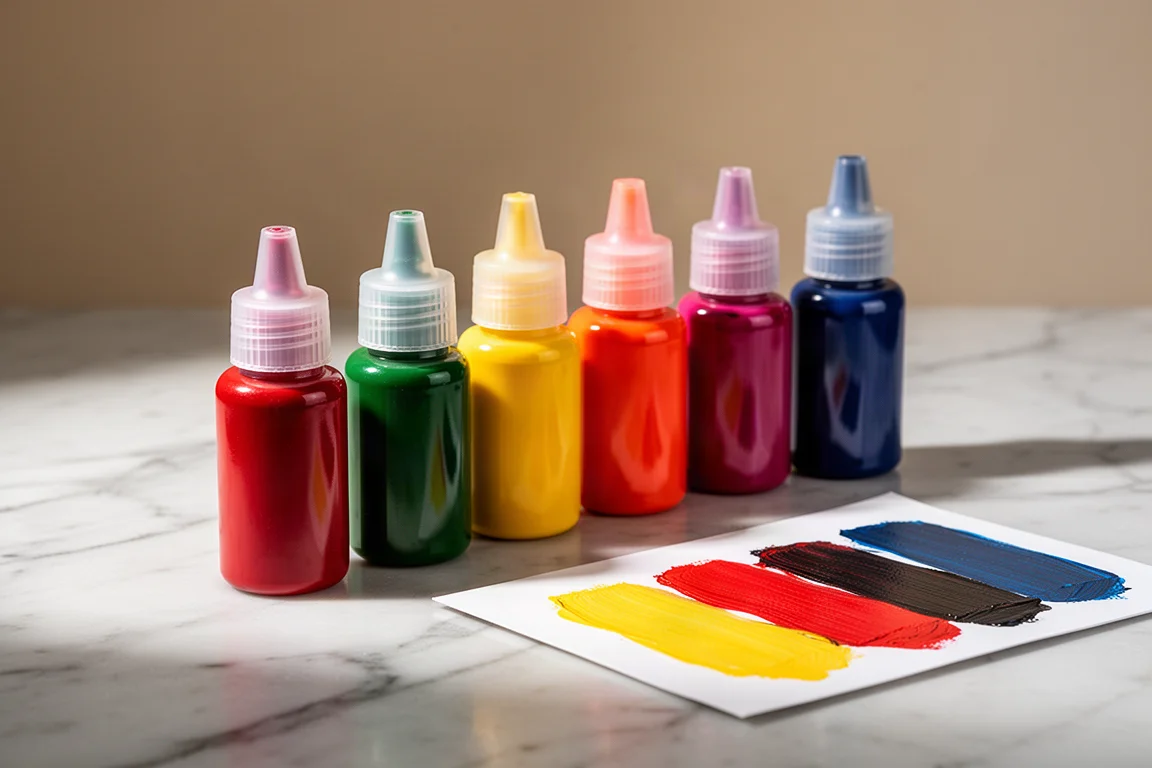
This one costs a pretty penny, around $80, but it is 100% Swiss made and 100% artist quality. Gouache itself is a hybrid, something like what you would get if acrylic paint and watercolor had a baby. While other brands sell gouache in viral jelly cubes or basic tubes, the lco version comes in little squirt bottles, which is a genuinely different format.
The paint behaves exactly like good gouache should: layered over itself it is completely opaque, yet it can be watered down to flow like watercolor. All the colors are very opaque and artist grade. If you enjoy either acrylics or watercolor, this is worth trying once to see what the hybrid format can do.
Gansai Watercolor: Traditional Japanese Pigments
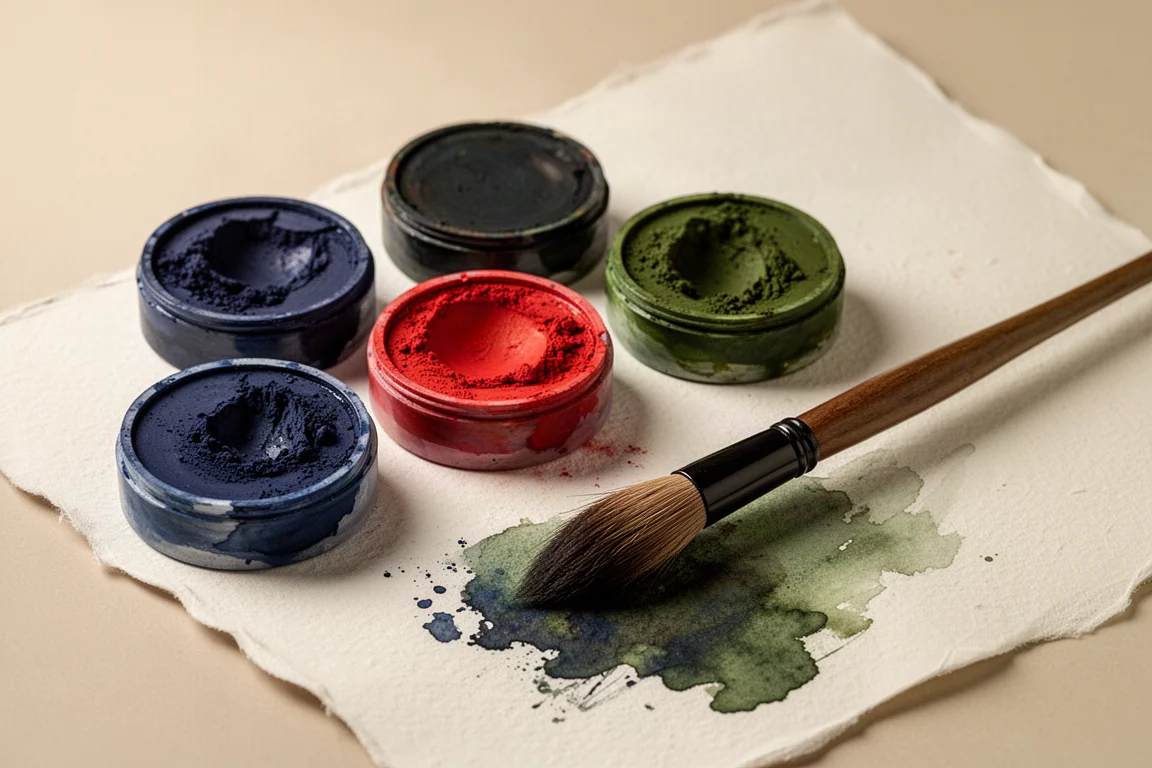
Gansai watercolor is different from regular watercolor because it is made with animal glue, sugar, and beeswax. The colors are not typical average shades; they are traditional Japanese colors, the same palette you find throughout Japanese art history. That historical connection makes painting with them feel special.
The pans are unusually large because they are made for traditional Japanese calligraphy brushes, which are much larger than standard art store brushes. The paints are forgiving and easy to work with, and you can even catch a faint scent of beeswax. It is a supply full of culture that makes you feel like you are painting in another time and place.
Overall Buying Advice
The best pick here depends on what you actually need. For vivid, smooth coloring, the Bambino crayons are the standout and the colored pencils add a fun dual-color twist. For gifts and young artists, Dom’s plastic crayons and Marie’s miniature acrylics offer clever design at accessible prices. For pure creative novelty, the coor rainbow pencils deliver. And for painters ready to invest, the lco gouache and gansai watercolor are the two supplies most likely to change how you work. Start with the category you use most, and treat the rest as a way to shake up your routine.
Conclusion
Great art supplies do not all come from the same handful of familiar brands. A tin of Polish crayons, a squirt bottle of Swiss gouache, or a pan of traditional Japanese watercolor can each add something a standard set cannot. Whichever one you choose, the common thread is clear: these products solve real problems, from durability to pigment quality to format, and they make the everyday act of making art feel fresh again.
Further reading
Related Reviews
Art Supplies
Art Pop Watercolor Pencils 48-Color Set: A Thoughtfully Designed Student-Grade Option
The Art Pop 48-color watercolor pencil set blends well, dissolves smoothly, and includes artist-friendly details like barrel-printed color names, all at an affordable price.
Art Supplies
Artics Acrylic Markers 3mm Review: Versatile Paint Markers With a Few Caveats
A 48-color set of water-based acrylic paint markers that blend while wet, dry permanent, and keep the price low, though safety transparency remains a question.
Art Supplies
Best Art Supplies Worth Your Money: Pencils, Pens, Paints, and Paper That Earned Their Spot
After years of daily use and testing, these are the pencils, pens, watercolors, gouache, brushes, sketchbooks, and erasers that stand above the rest.