Fountain Pens
Armando Simoni Club Gladiator Medio vs Omas Milord: Two Sides of a Classic Fountain Pen
The Gladiator Medio and the Omas Milord share a family resemblance in size, shape, and Arco celluloid, but they differ in details that matter. Here is how they compare.
Introduction
Some fountain pen comparisons are straightforward. This one takes a little explaining, because the two pens involved are so closely related that choosing between them is genuinely a matter of taste. On one side is the Armando Simoni Club Gladiator Medio. On the other is the Omas Milord, a pen whose family history is famously confusing.
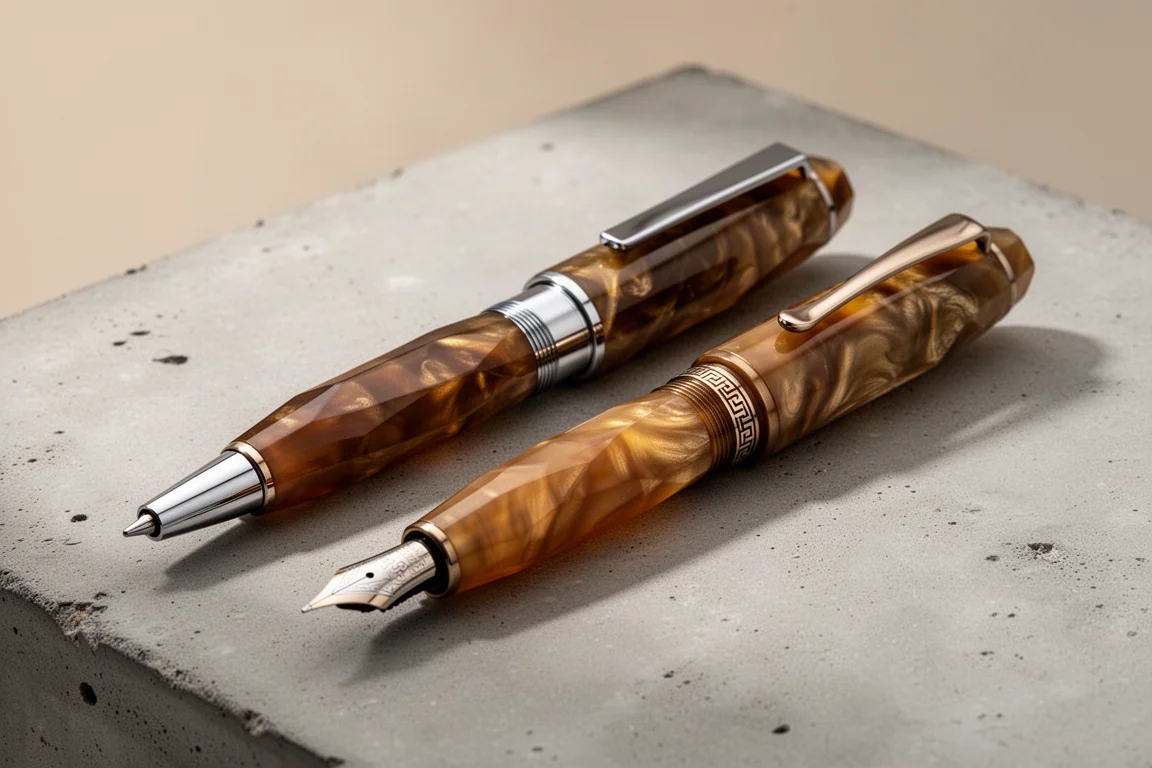
Both pens are built in Arco celluloid, that warm bronze material collectors can’t seem to get enough of, and both are essentially interchangeable in size and shape. But the details, from clips to nibs to filling systems, reveal two different philosophies behind the same silhouette.
A Quick History of the Size Confusion
The Omas story runs roughly like this. Omas first released the Paragon in a size comparable to a Pilot Metropolitan, maybe slightly girthier. Later, the company released a larger version with the same faceted proportions, which collectors now call the Grand Paragon, and the Paragon name moved to the bigger pen. The original-sized pen continued in production, renamed the Milord.
When the Omas company went under, Armando Simoni Club bought the remaining materials and decided to re-release the Paragon. They called the full-size version the Gladiatore. The Gladiator Medio is the smaller sibling, matching the old-style Paragon, which is to say, the Milord. That is why these two pens line up so neatly for comparison.
Cap and Trim Details
The differences start with branding. The Gladiator Medio carries an ASC, Armando Simoni Club, marking on its finial, while the Milord wears an O for Omas on its cap band. The clips differ too: the Gladiator Medio uses a flat clip, while the Milord has a nicely curved one. Both pens feature a wheel at the top, so wheel fans are covered either way.
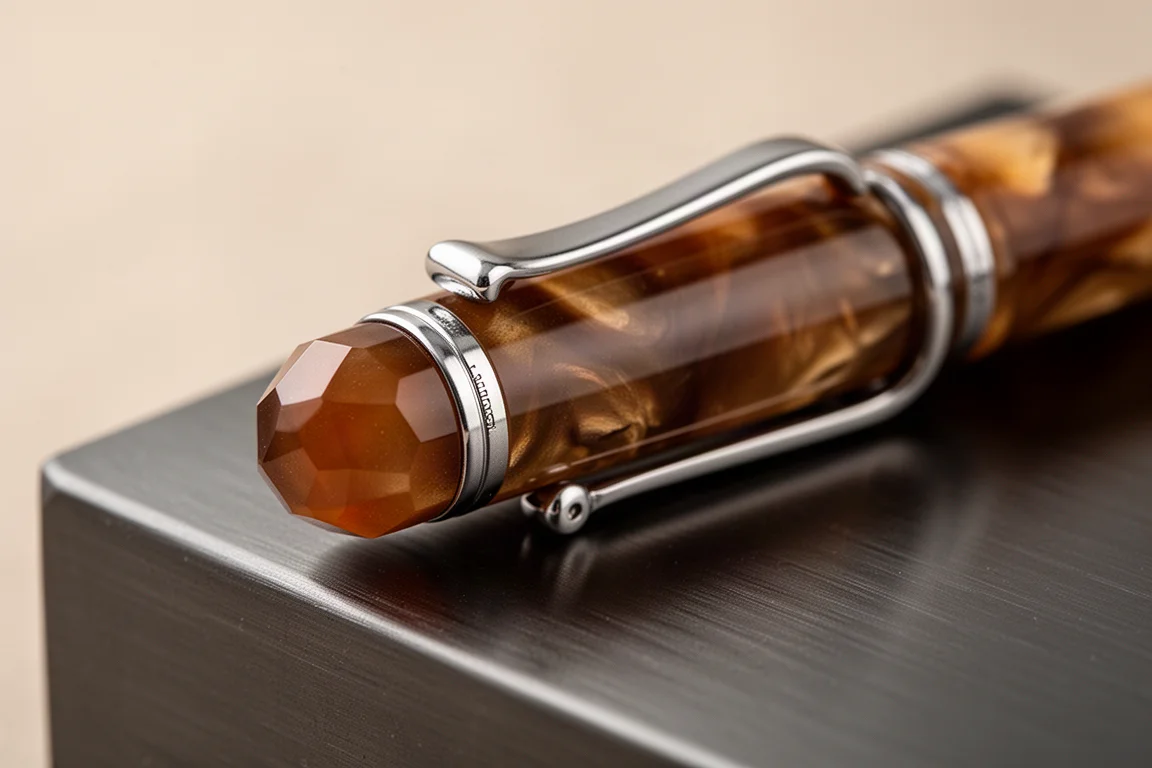
The center bands are also distinct. The Omas uses a subtle Greek key design in silver trim, though gold trim versions also exist. The ASC band is wider and its Greek key pattern is more pronounced. One genuinely useful addition from ASC is an extra metal ring at the lower end of the cap, which protects a thin section of celluloid that is prone to cracking on the Omas. That thin lip on the Milord is nearly transparent and has been known to crack, so a little care is warranted there.
Barrel, Section, and Filling
Inside the cap, the ASC has slightly more threads and an additional metal ring, while the Omas places a metal ring at the section instead. Metal rings in that position are exposed to ink over time and can corrode or eventually fall off, so if you use bottle ink with such a pen, wipe the ring down thoroughly and don’t let it stay wet. The ASC section also flares out a bit more than the Omas section.
On filling, the Omas uses a piston mechanism. The Omas pistons were known to be fragile, though the nibs more than made up for it. The Gladiator Medio turns a knob to draw ink, though it’s hard to confirm without opening the pen whether it is a true piston or a captive converter.
Nibs and Feeds
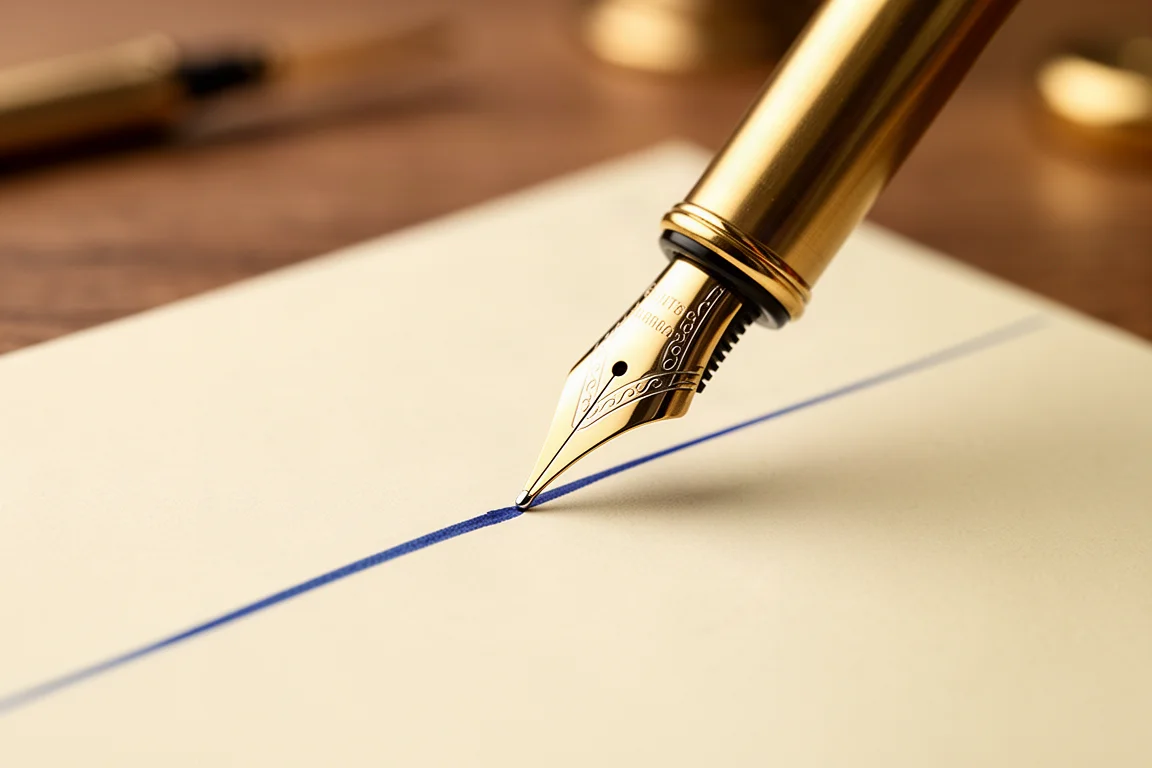
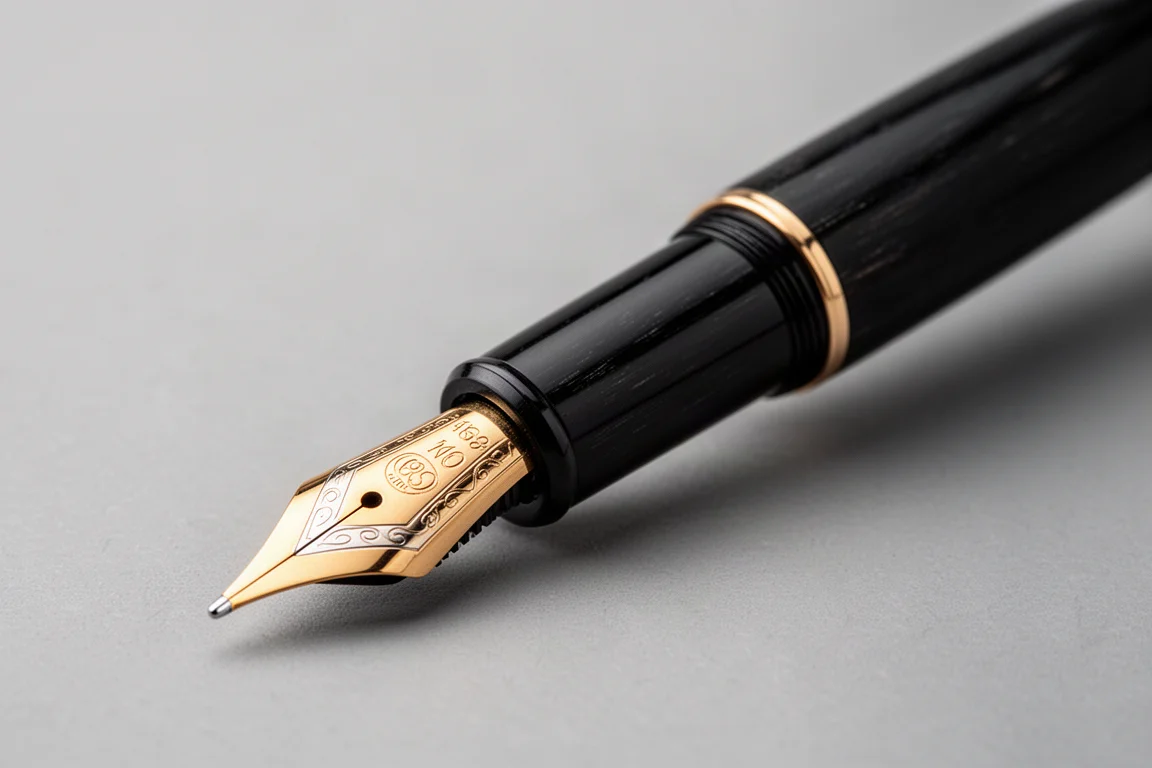
The feeds are remarkably similar: both are ebonite, with very good flow characteristics. The Milord carries a silver trim 18k gold nib in Omas’s distinctive nib shape, which the brand was well known for. The ASC nib is gold trimmed and unlabeled, but tests as a medium.
In writing, the Gladiator Medio is a pleasant writer with a touch of feedback, nicely wet, and with a bit of springiness. It is not marketed as a flexible nib, so treat that spring as a bonus rather than an invitation. The Milord is just a shade smoother, very wet, and also shows some springiness. Both nibs are very pleasant and the ink capacity on both is good.
Pricing and Availability
This is where the decision sharpens. The Gladiator Medio listed at an MSRP of $1,195 with a street price around $950, though it is now sold out almost everywhere and you will need to hunt online. The Milord, being secondhand and Arco celluloid, trades on the aftermarket at wildly variable prices, with examples seen ranging from $1,200 up to $2,000. Whether those prices are fair is another question, but demand for Arco celluloid and the last of the Omas pens keeps them high. Either way, expect to spend serious money.
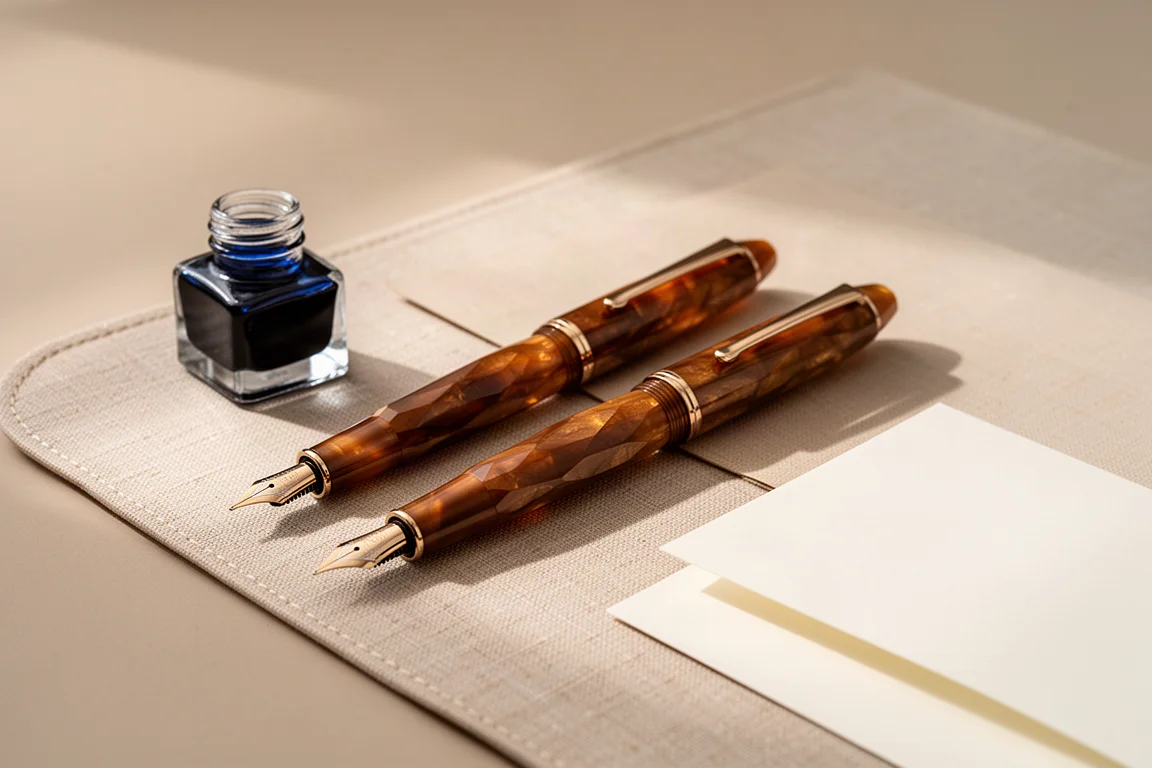
The practical argument splits neatly: Omas pistons are notoriously fragile, which slightly favors the ASC, while the Milord has the cachet of being the original. Both are gorgeous, both are very pleasant writers, and both hold a good amount of ink. It really comes down to which heritage matters more to you.
Conclusion
The Gladiator Medio and the Milord are so close in size, shape, and material that neither is obviously the better pen. The ASC offers a reinforced cap lip and modern production backing at a lower typical price. The Omas offers the original provenance and that famously smooth nib, at collector prices and with a fragile piston to babysit. Pick the one whose story you want to own.
Product link
View more details for Armando Simoni Club Gladiator Medio
This product is mentioned in the review. Check the specifications, options, and compatibility before buying.
View more details for Armando Simoni Club Gladiator MedioFurther reading
Related Reviews
Fountain Pens
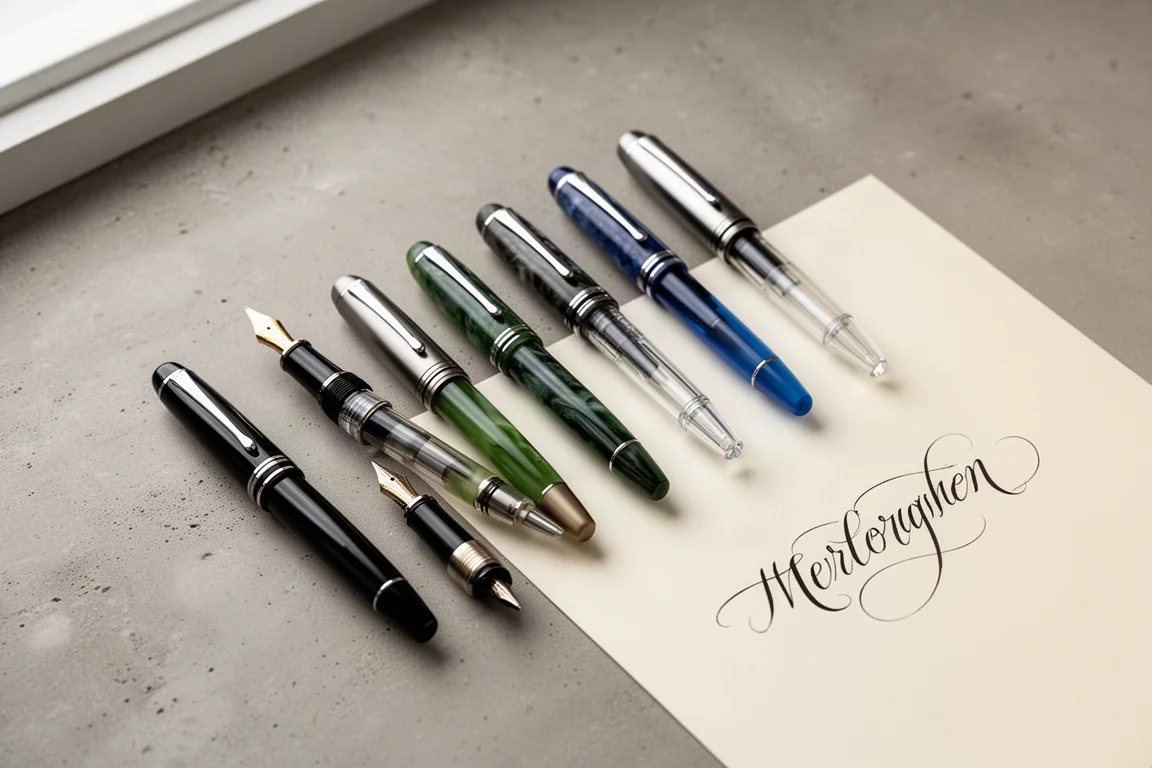
Best Budget Fountain Pens Tested: 9 Pens, One Clear Winner
A hands-on comparison of nine affordable fountain pens for everyday writing, calligraphy, and sketching, with a clear standout for flexible nib fans.
Fountain Pens
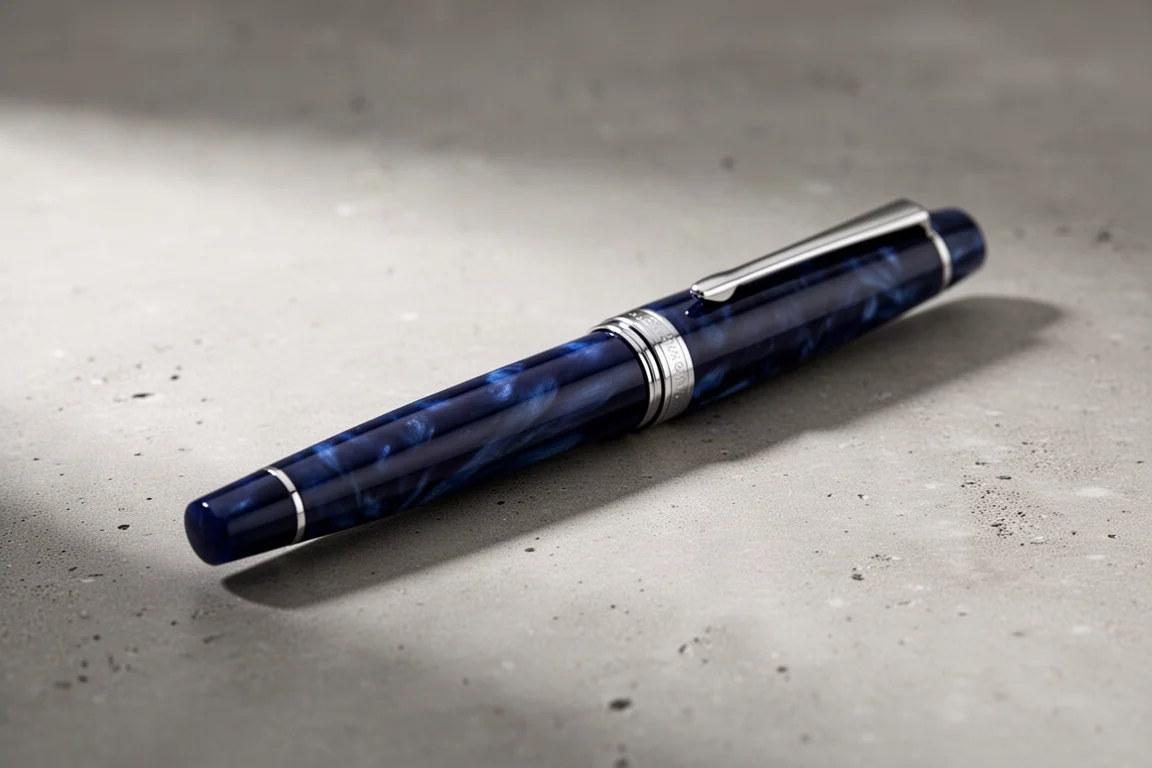
Aurora Optima Review: An Italian Piston Filler That Punches Above Its Price
A 14k gold nib, ebonite feed, and a beautifully deep oraloid body make the Aurora Optima one of the most rewarding piston fillers around.
Fountain Pens
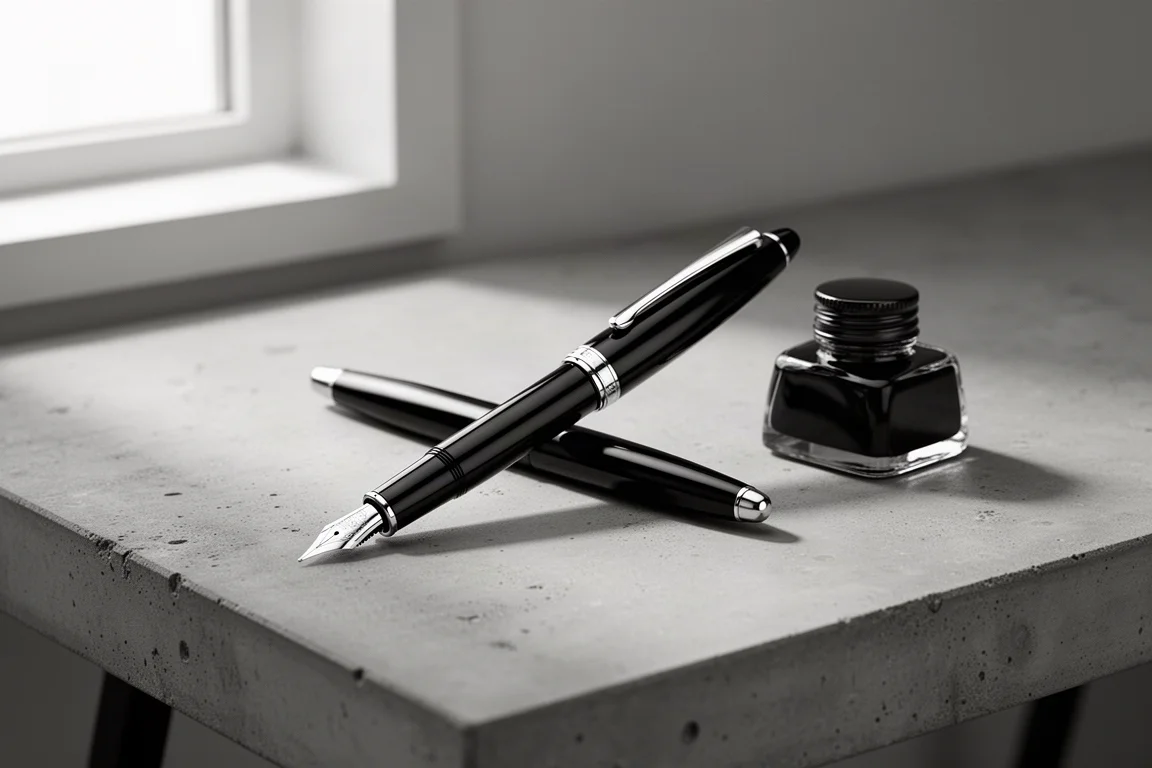
Cross Bailey Light Review: The Entry-Level Fountain Pen Worth Keeping at the Office
A plastic-bodied Cross with a metal clip, snap cap, and famously smooth extra fine steel nib. Around $15, available almost everywhere, and easy to recommend.