Snowboards
Armada Tuffy Review: A Predictable Twin for Freestyle Riders
Armada's freestyle-focused twin uses flat top micro camber and impact plates to deliver broken-in camber feel, easy pop, and a damp ride underfoot.
Introduction
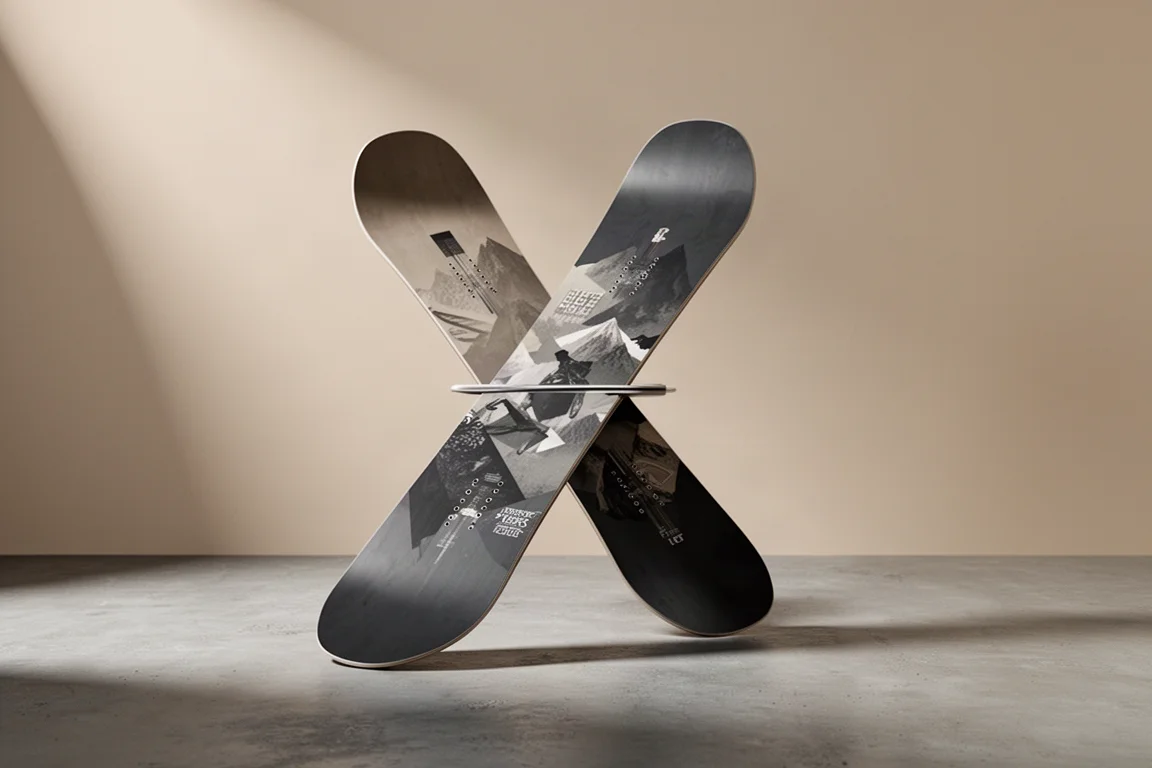
The Armada Tuffy is the brand’s twin freestyle snowboard, and its defining trait is how predictable it feels on snow. Tested at Copper Mountain on a mostly bluebird day with firm, fast groomers, icy shade sections, and some chop and chunder, it rode like a board you had already been on all season. That sense of familiarity is not an accident; it is the result of a camber profile that behaves like broken-in camber and a damp underfoot feel from built-in impact plates.
The board was ridden with Rome Black Label bindings and K2 Thraxis boots. It is available in 148, 152, 154 wide, 155, and 158 wide.
Who This Board Is For
Armada pitches this board at the all-around freestyle rider who wants a slightly damper ride underfoot. If you understand what impact plates do for vibration and foot fatigue, in and out of the park, this board speaks directly to you. It sits in a crowded category, and what separates it from the pack comes down to two things: the sidecut and the impact plates. The pop and pressability are on par with what else is on the market.

The flex is a run-of-the-mill, middle-of-the-road park flex. There is a little more play out in the tips, right where the flat section sits before the up kick, and a second flex point dead in the center. Otherwise it is consistent throughout, with torsional flex that is easy to engage but still has some response to it.
Main Strengths
The flat top micro camber profile is essentially a flattened camber that runs into a small flat section before the tips kick up. In practice it rides like broken-in camber: you still get all the load, pop, snap, and drive, but you do not have to aggressively load the board to get something out of it. When you roll back on the tail, the carbon layup snaps, and there is good rebound even on small ollies or a pop off a side hit. If you know what you are doing, you can get real spring out of this board.
Stability is better than expected for a board of this caliber. There is some flap in the tips that slightly resonates underfoot, but the impact plates dampen the kinetic vibration extremely well. That reduces foot fatigue and softens the impact when you come down hard.

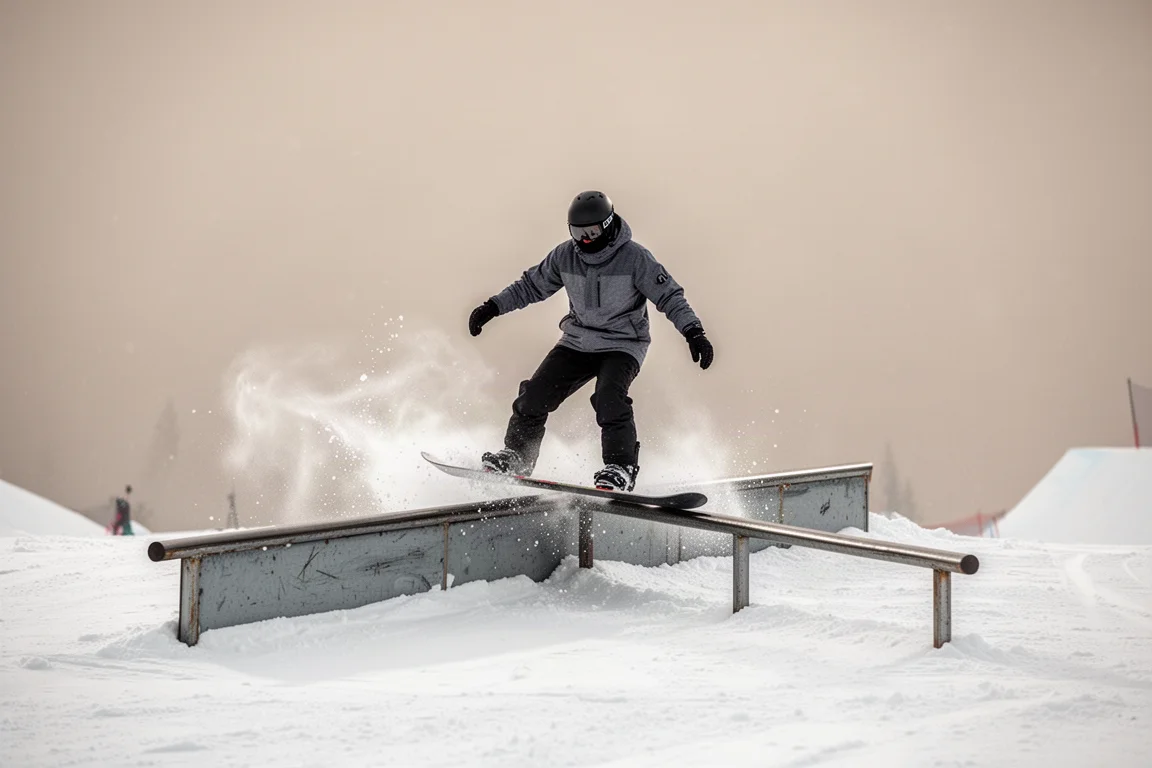
For jumps, small to medium-size features are where it excels. It has enough rebound and landing gear that sending something bigger is not out of the question, but around 25 feet is a reasonable ceiling. On smaller jumps it was easy to stay laid back, compress the camber through the transition, and let it throw you, or load it hard and send it further down the landing.
Buttering works a little differently here. The sweet spots in the nose and tail are small, so you need to learn where they sit. Once you do, they lock in hard on presses and nose or tail butters, and you can engage the camber to get spring out of them. The same behavior carries into jibbing: the small sweet spots hold a press all the way to the end of a feature, a flick of the ankle pops you off cleanly, and when you go sideways it cradles the feature without clapping out. Jibbing is arguably what this board was designed for.
How It Rides on Edge
The sidecut is dialed. It is nimble edge to edge, and you can drive it from the center back through the tail when you want to carve with real power. Laying it over hard is rewarded rather than punished, and the power out of the tail never overwhelms you.
That predictability on edge is the recurring theme. It feels like a board you have been riding all season from day one, which makes it forgiving when you are tired and confident when you want to push. If anything defines the Tuffy against comparable boards like the Capita Indoor Survival, the Rome Artifact Pro, and the Ride Zero, it is this consistency plus the dampness of the impact plates.
Things to Consider Before Buying
The small butter and press sweet spots are a genuine trade-off. They lock in beautifully once you find them, but riders who prefer huge, obvious sweet spots may need a session or two to adjust. The tip flap that occasionally resonates underfoot is also worth knowing about, though the impact plates keep it from becoming annoying. Finally, if you spend your days sending large jumps, this board can handle an occasional send but is happiest in the small to medium jump line.
Buying Advice
This board suits riders who want an honest park twin with a little extra damping and a very predictable ride. For bindings, the suggested pairings are the Union Ultra, the Bataleon Ghost Phase, and the Ride Drone. If you can demo it at your local shop, that is always the smartest route; otherwise it is easy to buy with confidence given how consistent its character is.
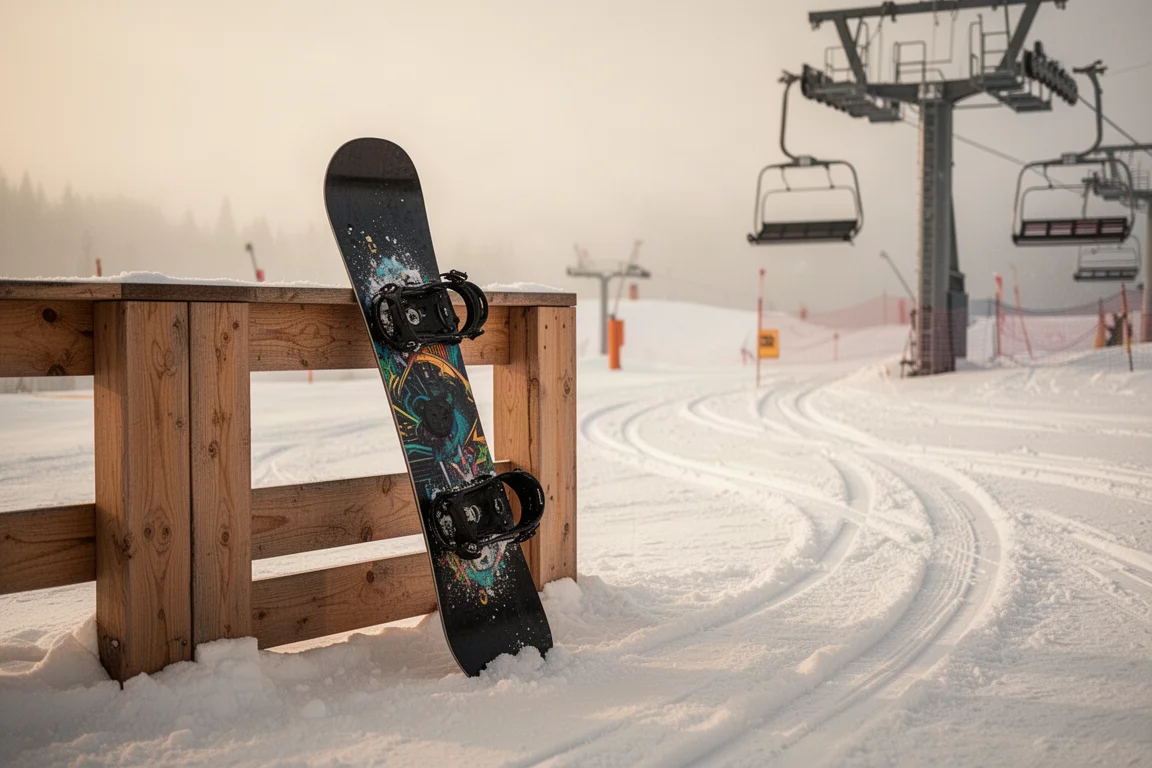
In short: if jibbing, small-medium jumps, and all-around freestyle laps are your thing, and you appreciate a damp underfoot feel, the Tuffy deserves a spot on your shortlist.
Conclusion
The Armada Tuffy stands out in a crowded freestyle twin category through its sidecut and impact plates, with pop and pressability that hold their own against the competition. It is predictable, damp, easy to engage, and genuinely fun in the park. For the all-around freestyle rider who values those traits, it is an easy board to recommend.
Product link
View more details for Armada Tuffy
This product is mentioned in the review. Check the specifications, options, and compatibility before buying.
View more details for Armada TuffyFurther reading
Related Reviews
Snowboards
32 Middle Earth Scott Stevens Pro Model Snowboard Review: A Park Board With a Reversed Flex
A medium traditional camber park board with carbon V reinforcement that is stiffer in the tips and more playful between the feet. Here is how it rides and who it suits.
Snowboards
32 Snafu Review: A Directional All-Mountain Freestyle Board with Serious Pop
The 32 Snafu pairs a directional camber-rocker profile with a stiffening tail for powerful carves, big ollies, and a surprisingly damp ride.
Snowboards
32 XXX Pat Fava Pro Snowboard Review: A Stiff Camber Beast for Hard-Charging Riders
A full-width traditional camber deck that rewards aggression with stability and edge power, but demands effort everywhere else.