Running Shoes
Are the Original Racing Shoes Still the Best? Revisiting Five Iconic Super Shoes
We look back at five legendary racing shoes to see whether the original versions truly outshine their later iterations.
Introduction
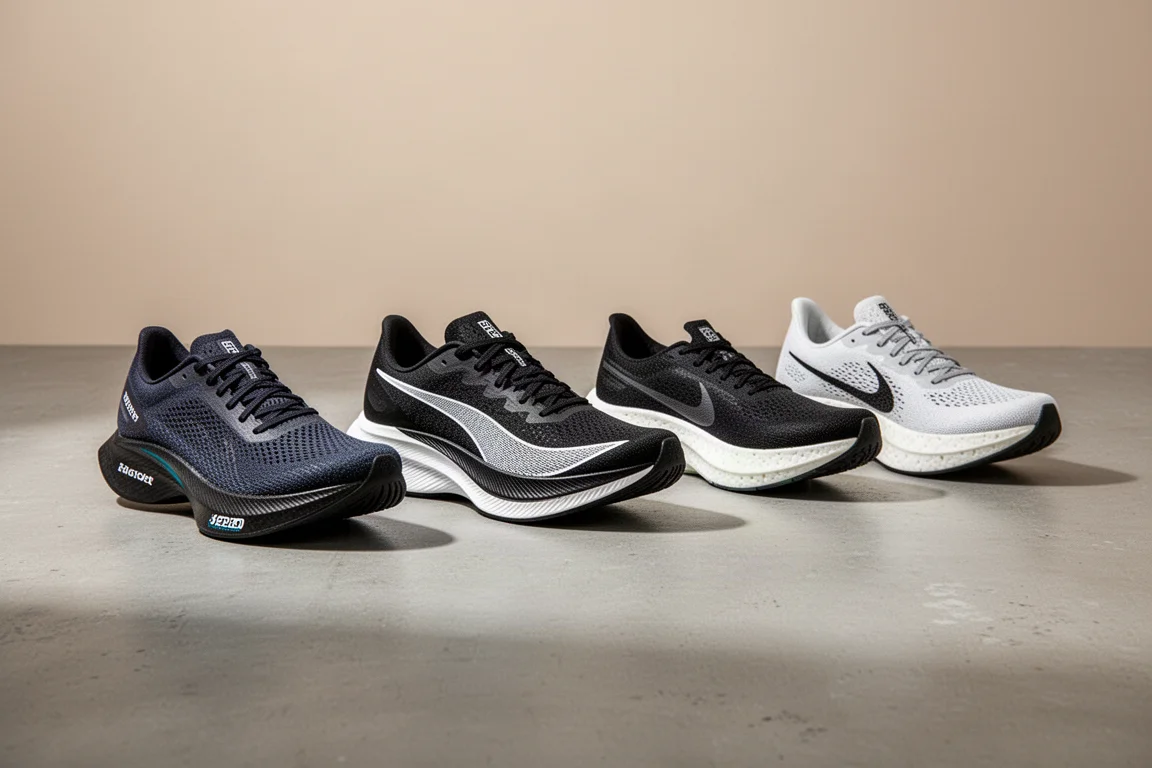
Is the original always the best? Ask around and plenty of runners will tell you the first versions of certain racing shoes were the ultimate advancement in running footwear. Others suspect nostalgia is doing the talking. To test that idea, this guide revisits five models that shaped the modern super shoe era: the Adidas Adizero Adios Pro, Nike Zoom Fly, Asics MetaRacer, Nike Vaporfly 4%, and Nike Vaporfly Next%. The question is simple: have later versions genuinely improved, or is it change for change’s sake?
Adidas Adizero Adios Pro: The Underrated Original
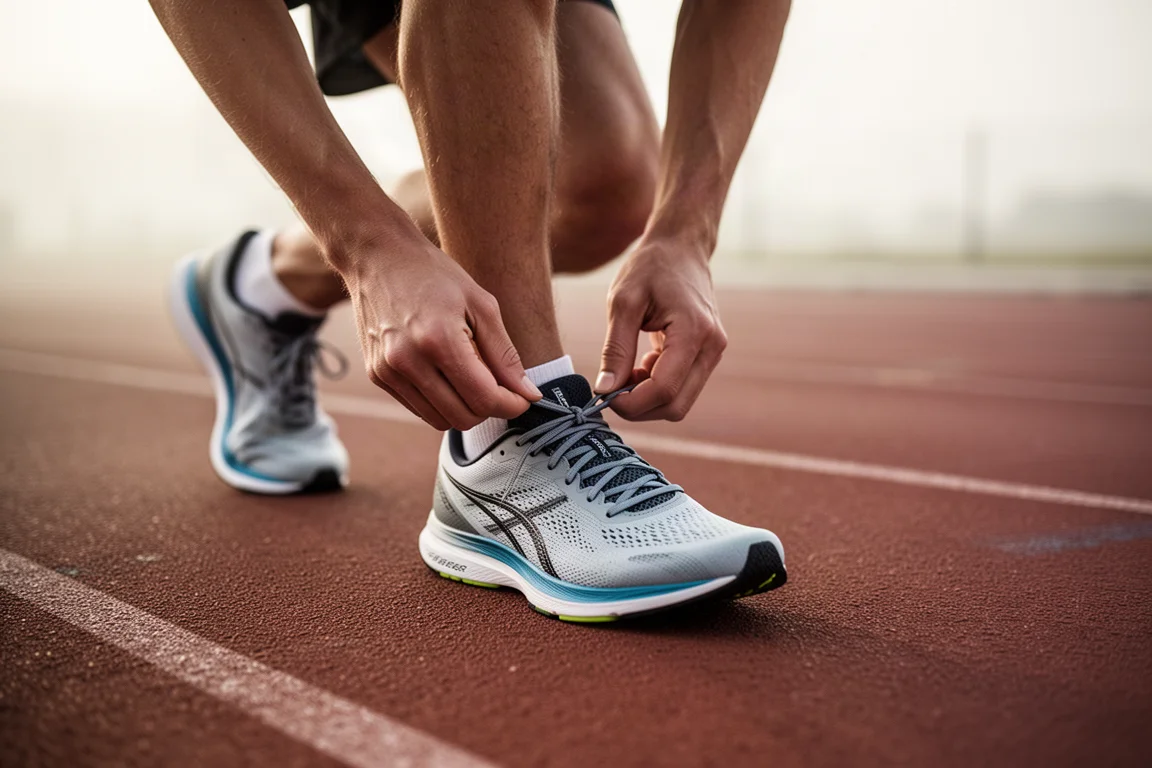
The original Adizero Adios Pro was a cracker. It was the first Adidas shoe to feature energy rods, hidden inside the construction, paired with a carbon plate integrated in the heel and a full-length Lightstrike Pro midsole. The Continental-style rubber outsole feels smooth in hand but grips the road almost like a Formula One tire once you hit pace. The mesh upper worked like a foot glove, with extra eyelets so you could switch up the lacing to your own preference.
Part of the reason it never got the attention it deserved is that it launched during the lockdown period, when it was genuinely hard to get hold of and few people managed to test it. Those who did found a shoe that worked beautifully across 5K, 10K, and half marathon distances.
Follow-up versions carved some foam out of the arch for a lighter feel, added a more flexible upper, and delivered an underfoot experience many found less stable yet slightly more propulsive. The second version’s upper was a step backwards in durability and lockdown, and sections of rear rubber detached from the midsole on some pairs. Later models widened the base and tailored the shoe more toward the marathon. If your focus is anything below the marathon, the original remains the more versatile pick.
Nike Zoom Fly: Great, Until It Got Heavier
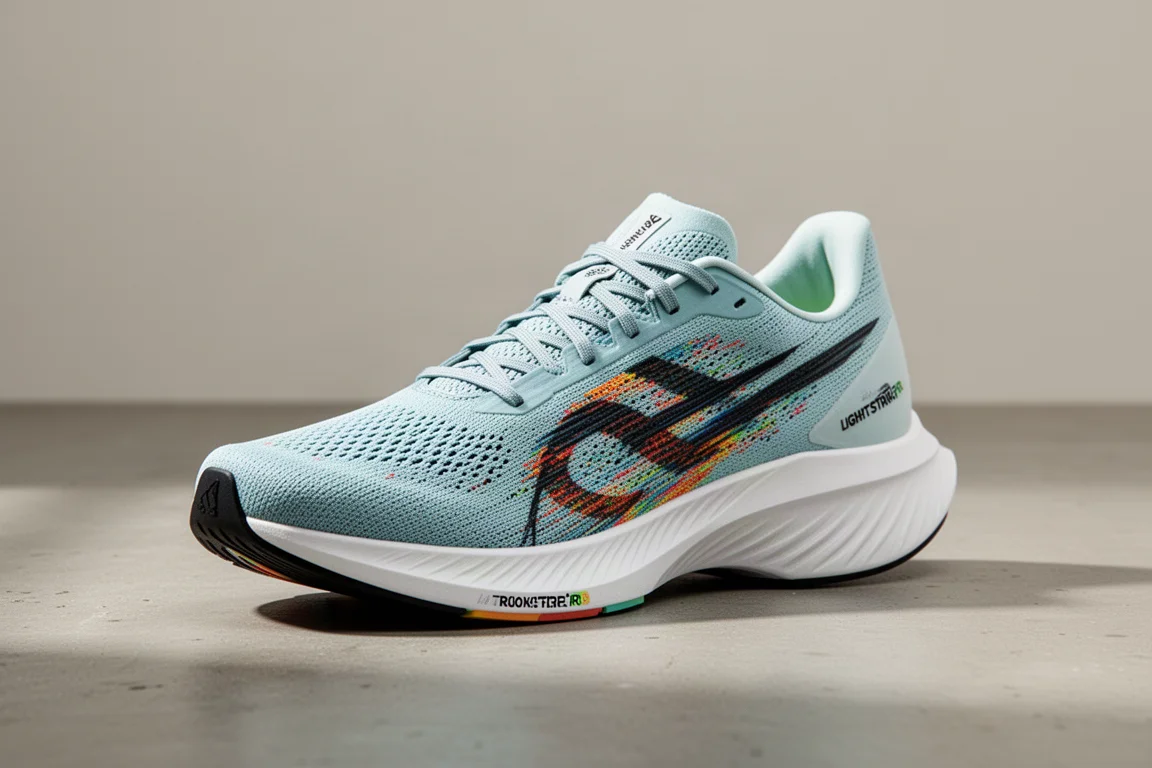
The original Zoom Fly, released in 2017 alongside the Vaporfly 4%, was an interesting companion piece. It featured a rocker-like design from midfoot through toe, making you feel like you were falling forward in a good way, plus a Flywire lacing system, a super thin tongue, cushlon foam, and a nylon plate. It was quite rigid at first and took some pummeling to loosen up, and the fit across the top of the foot was easy to over-tighten. It was a shin and knee tester, not for everybody, and best suited to steady-to-fast pace.
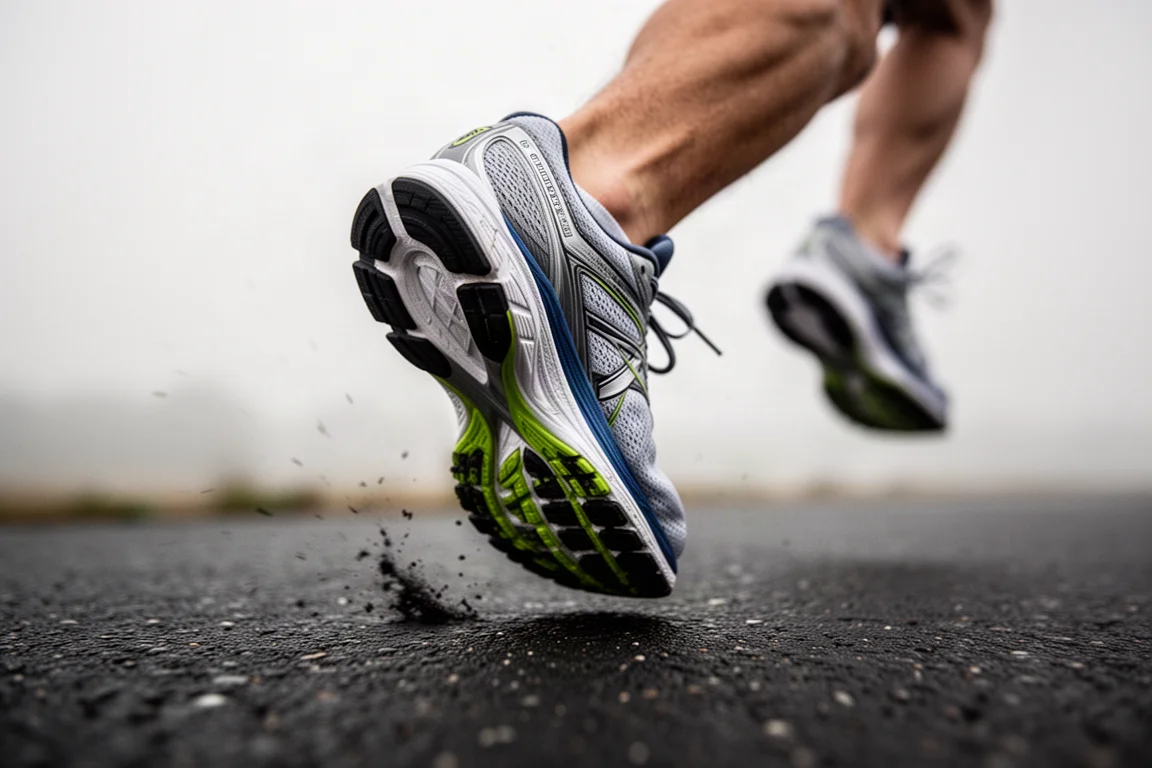
The follow-up swapped the nylon plate for a carbon one, added a react midsole and a lighter Flyknit upper, and became less trainer and more racer. Many found that Flyknit version the best of the whole line. But the Zoom Fly 3, 4, and 5 were steps in the wrong direction, heavier iteration after iteration, with the fifth version shifting to a crushed Zoom X offcut-type midsole that feels like a total departure from the light and nimble original.
Asics MetaRacer: A Super Shoe That Confused People
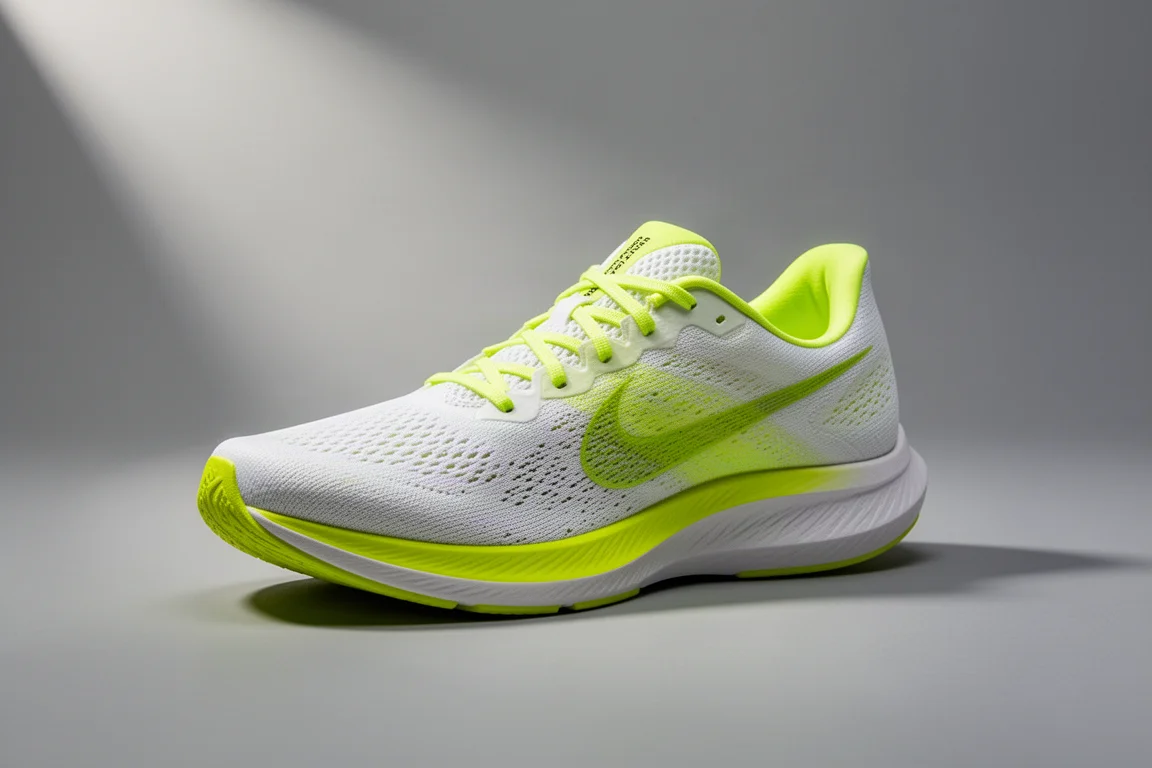
Released in 2020, the Asics MetaRacer generated plenty of initial excitement. In hand, though, it proved to be one for response only: a lower-stack super shoe of sorts with a part plate and a mega-light upper. The cushioning was firmer and more responsive, closer to a familiar race flat feel underfoot.
That confused people at first. Was this really a carbon-plated racer in the same mould as the Vaporfly or Adios Pro? It was not. It lacked the soft, cushioned ride people desired from those shoes and sat closer to what the Magic Speed eventually represented. In fact, the MetaRacer line essentially became that shoe, with the MetaSpeed Sky and Edge plus their Plus versions refining the design substantially.
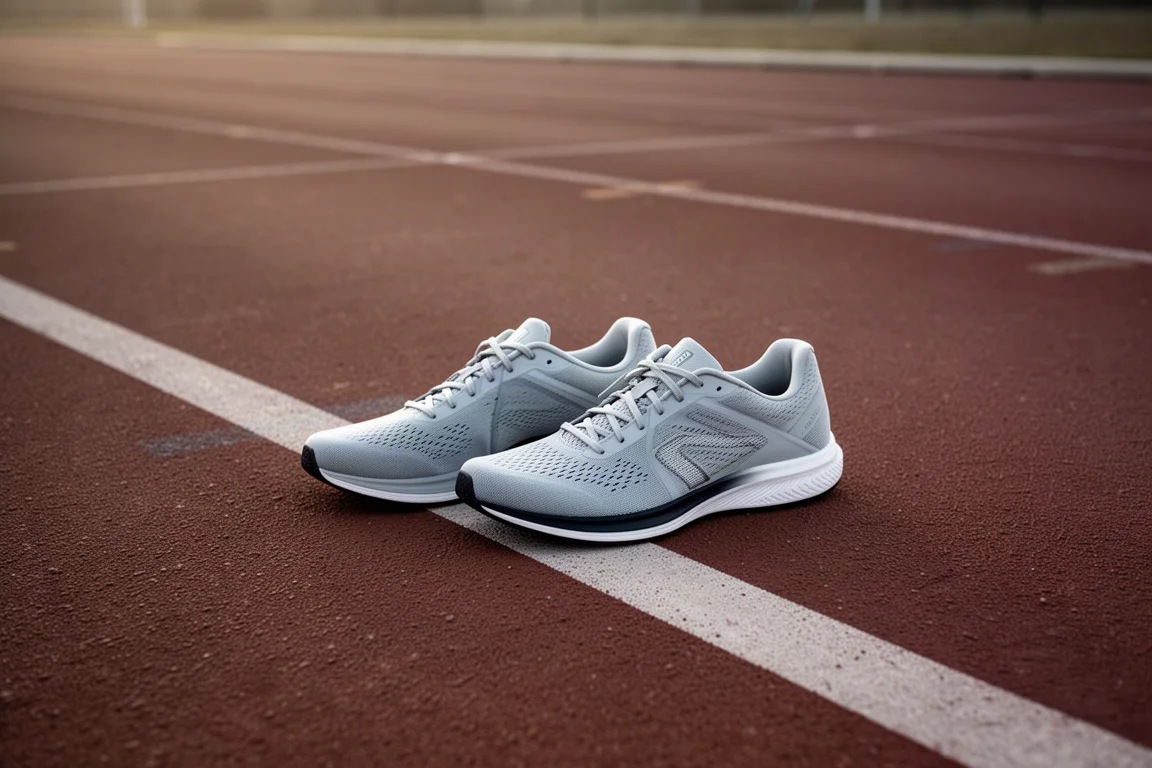
So was the original the best here? No. The later MetaSpeed models are a big improvement in underfoot feel and are widely used for half marathons and full marathons. This is one case where the newer iterations clearly won.
Nike Vaporfly 4%: Fast but Fragile
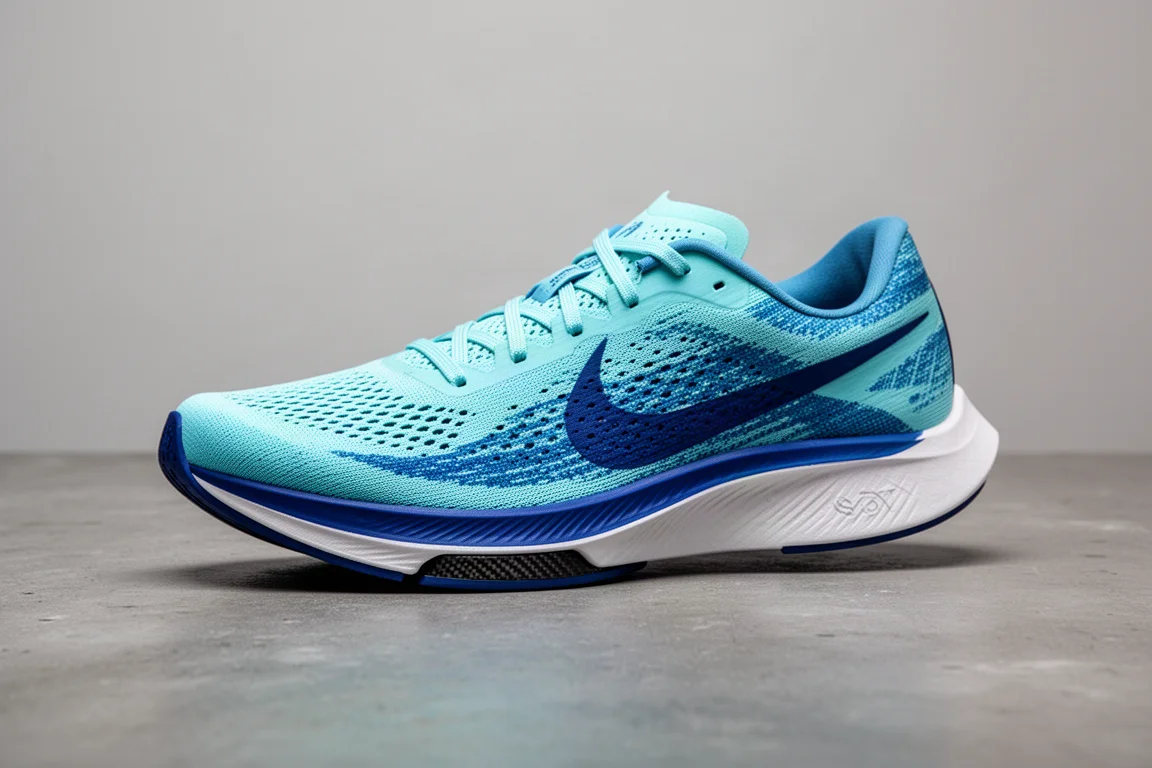
The original Vaporfly 4% was an absolute banger. The Flyknit upper was supreme and so light on foot, and the ZoomX foam felt like nothing else at the time: brittle yet compressive but still responsive. It was fast, quick, and a great ride.
The problem was durability. The exposed midsole took an absolute pounding, with chunks of foam coming off and the coating around the midsole cracking and peeling away, leaving a chalky mess. The rubber sections at the rear of the shoe started to come off, and the infamous suction-cup-like sound on the bottom of the shoe became part of its character. Great while it lasted, but it rarely lasted long.
Nike Vaporfly Next%: The King of Race Shoes
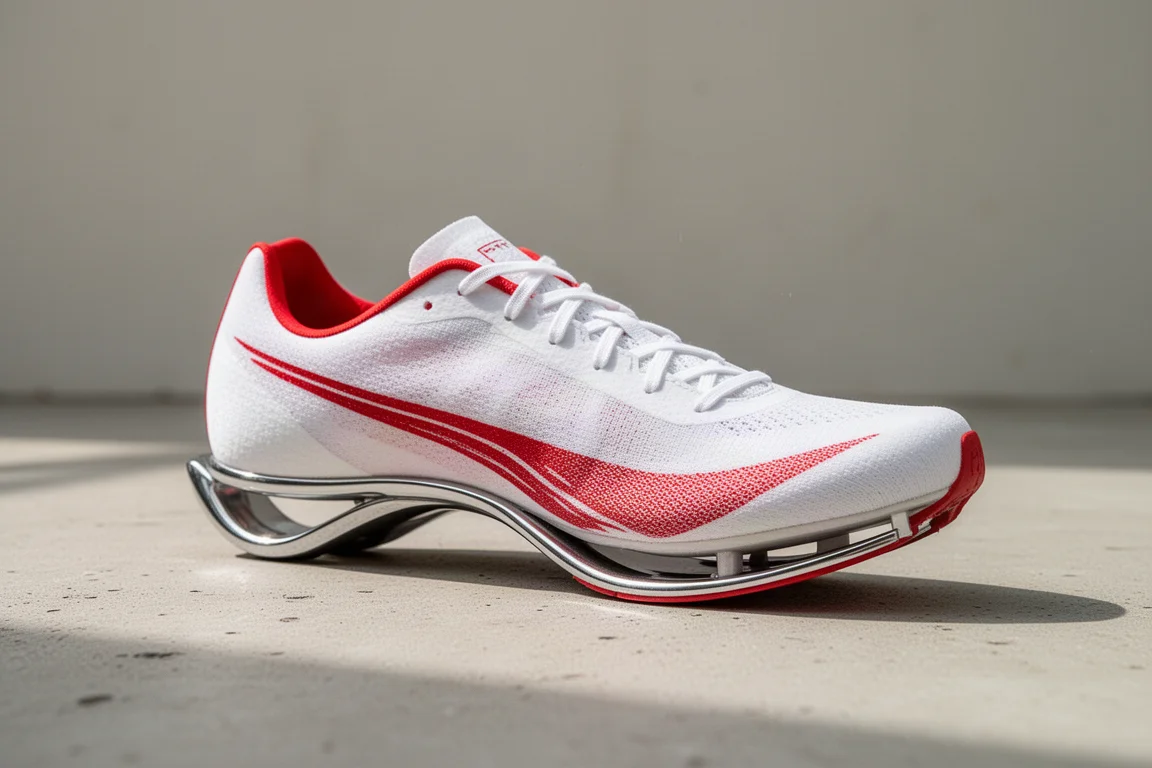
The original Vaporfly Next% was a big update over the 4%. The upper was more containing, and you got more of that lovely ZoomX midsole material. It felt slightly different in a good way: bouncier, a little less hollow, and certainly not as flaky as the 4%. More rubber on the outsole helped boost durability somewhat.
If anything invites rose-tinted spectacles, it is this shoe, given the sheer number of pairs and colorways released since. But later versions feel similar rather than better. The choice largely comes down to upper material preference: if Vaporweave worked for you on the original, there was little real point in updating. Oddly, later pairs can feel slightly different, which may come down to production tolerances. Still, the original Next% stands as the GOAT of race shoes and is much closer to what elite athletes wore in the Breaking2 era.
Overall Buying Advice
So are the OGs always the best? Not necessarily. The verdict here splits neatly: the original Adizero Adios Pro and the original Vaporfly Next% remain the picks of their lines, the Zoom Fly Flyknit was the sweet spot of its model, the MetaRacer was clearly surpassed by the MetaSpeed family, and the Vaporfly 4% is best remembered fondly rather than bought again.

The practical takeaway: match the shoe to your distance. For 5K to half marathon, the original Adios Pro style of lighter, more versatile racer makes sense. For the marathon, the wider, more forgiving later iterations and the original Next% are stronger choices. And be wary of constant iterations and endless colorways; sometimes change is just change.
Conclusion
Nostalgia is powerful, but it is not always right. Some originals, like the Adios Pro and the Vaporfly Next%, genuinely earned their legendary status, while others, like the MetaRacer, were improved upon quickly and for good reason. Buy the version that fits your race distance and foot, not simply the one with the most history behind it.
Further reading
Related Reviews

Running Shoes
Best Road-to-Trail Running Shoes: Three Versatile Options for Mixed Terrain
A practical guide to three road-to-trail running shoes that handle both pavement and mild trails, with clear strengths and trade-offs for different runner types.

Running Shoes
Best Running Shoes for Achilles Tendonitis: Three Options Explained
Three running shoes with different heel drops and support features designed to help reduce Achilles tendon pain during walking and running.

Running Shoes
Best Running Shoes for Women: Five Top Choices Ranked
A ranked guide to five women's running shoes, from versatile daily trainers to high-performance racing options, with real strengths and trade-offs for each.