Backpacking Tents
Are One-Person Tents Worth It? Three Ultralight Shelters Compared
A practical look at what one-person tents give up and what they gain, with three shelters suited to different trips, terrain, and weather.
Introduction
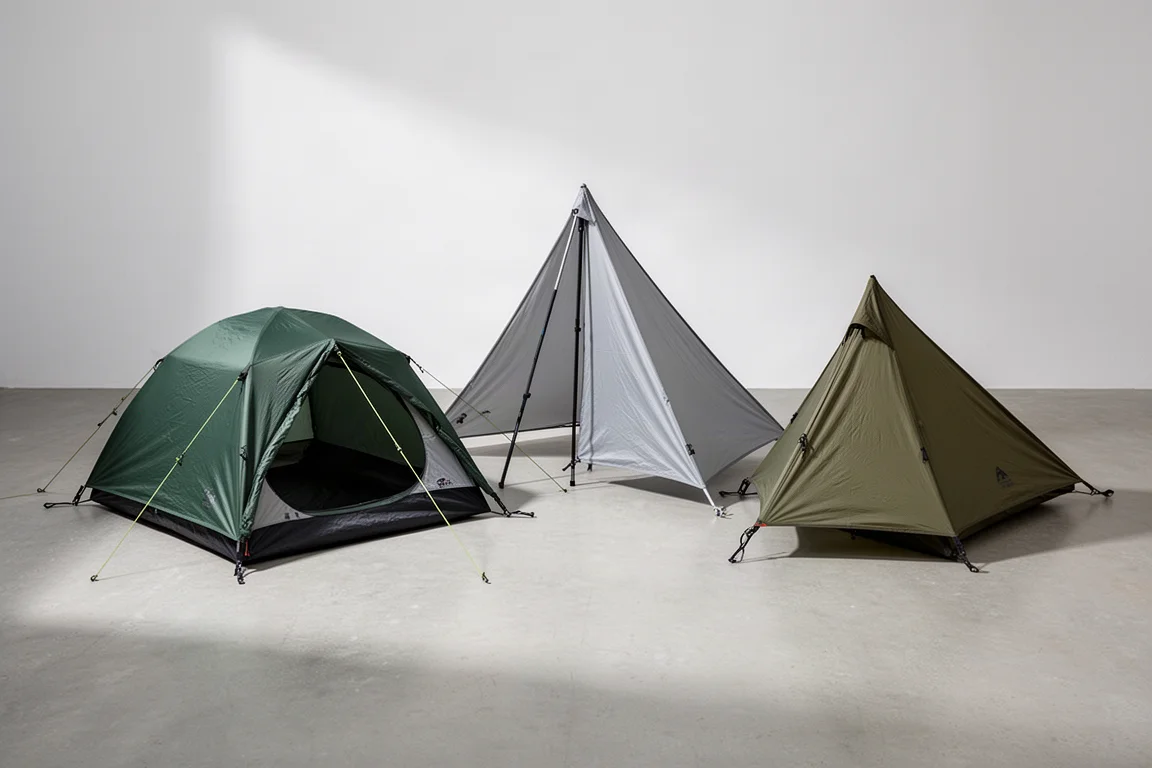
One-person tents invite a fair argument: if a two-person shelter is often described as a comfortable solo tent, why carry a dedicated solo model at all? The answer has less to do with the category than with the trip. A solo shelter can shrink your pack volume, open up tighter campsites, and hold warmth more efficiently in cold weather. It can also squeeze your living space, concentrate condensation, and save less weight and money than most buyers expect.
Three shelters show how differently those trade-offs play out: the semi-freestanding Nemo Hornet Osmo 1P, the trekking-pole Durston X-Mid 1 Pro, and the single-wall Outdoor Vitals 40S.
What Makes a One-Person Tent Worth Carrying
The strongest argument for a solo shelter is pack size. A one-person tent usually packs substantially smaller than many two-person options, which frees up room in your backpack and can let you carry a smaller pack overall.
Campsite selection is the second advantage. A smaller footprint means more places to pitch, although this depends on the shelter type and its pitching requirements. A semi-freestanding design such as the Nemo Hornet Osmo 1P generally needs less space than a trekking-pole shelter like the Durston X-Mid 1 Pro.
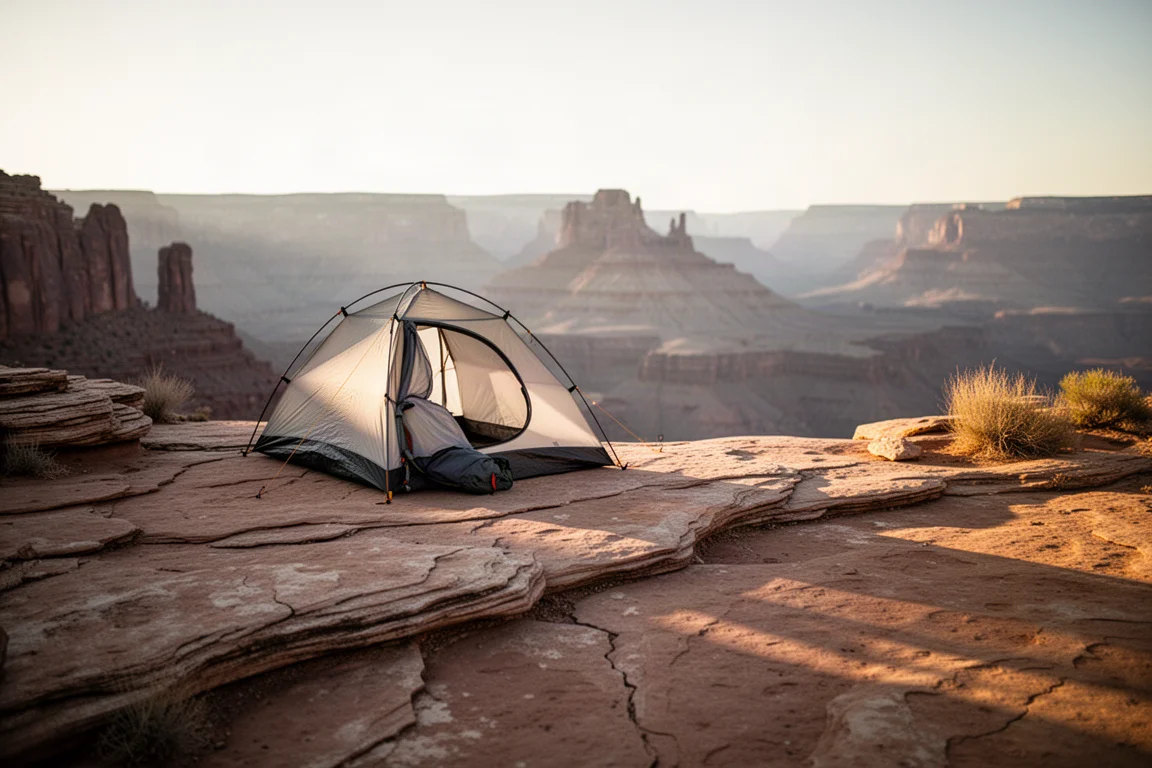
Interior air space matters too, especially in cold conditions. A smaller volume around your body is easier to warm, so a solo shelter can feel noticeably warmer than a two-person tent on the same cold night.
The trade-offs are real. Living space shrinks, which affects comfort and how easily you manage gear inside. Condensation becomes a bigger problem in a confined single-wall space, and there is less room to move away from damp walls. It is also worth checking the numbers before assuming a large saving: stepping down to the one-person version of a given tent often saves only around 4 to 6 ounces, and the price difference can be as little as $10 to $30, occasionally up to $50.
Nemo Hornet Osmo 1P: Semi-Freestanding Flexibility
The Nemo Hornet Osmo 1P is the semi-freestanding option here, and that structure is its main argument. Semi-freestanding and freestanding shelters earn their place on trips where pitching is uncertain. On slickrock in the desert, for example, there may be no way to drive stakes at all. In heavy wind and extreme weather, rocks and improvised anchors do not always hold a tent at the tension it needs, so a shelter that largely stands on its own removes some of the guesswork.
That reliability has a practical payoff: less fussing with gear in awkward conditions, and more confidence that the pitch will hold when the weather turns. Its footprint is also smaller than the Durston X-Mid 1 Pro, which widens your choice of campsites.
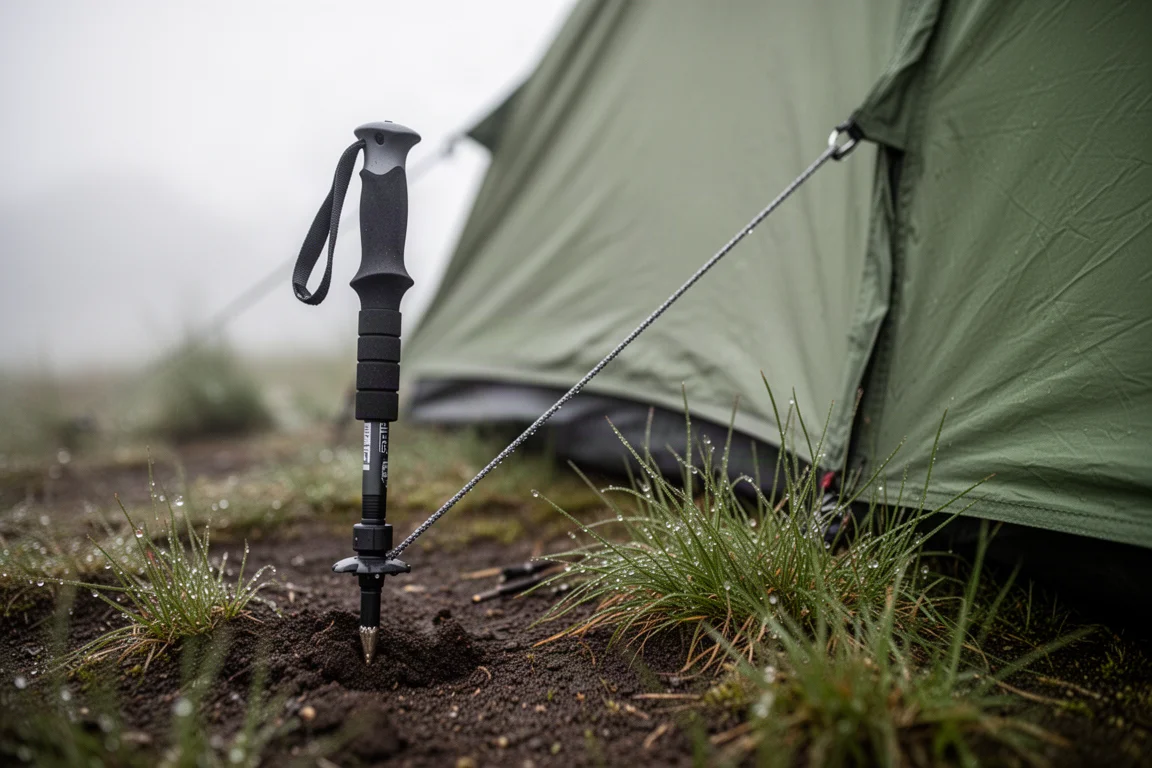
Choose this shelter when the pitch matters as much as the weight, particularly on exposed or rocky terrain where anchors are unreliable.
Durston X-Mid 1 Pro: Maximum Space Per Ounce
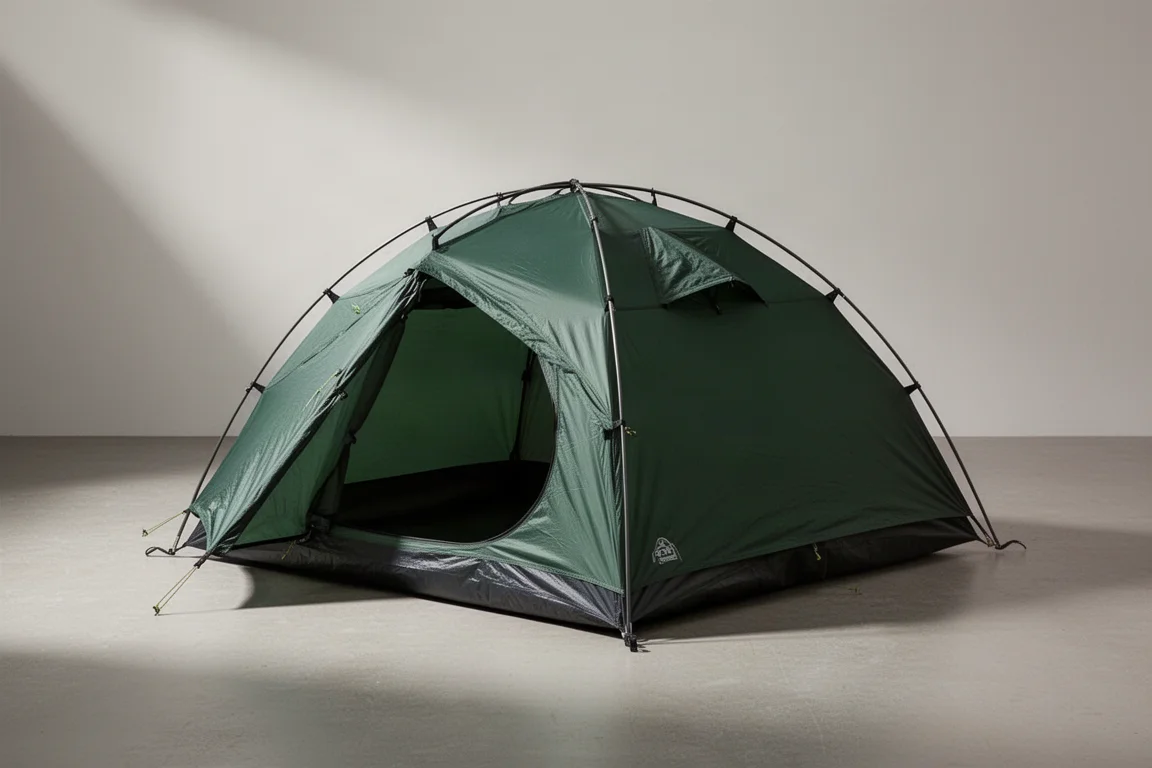
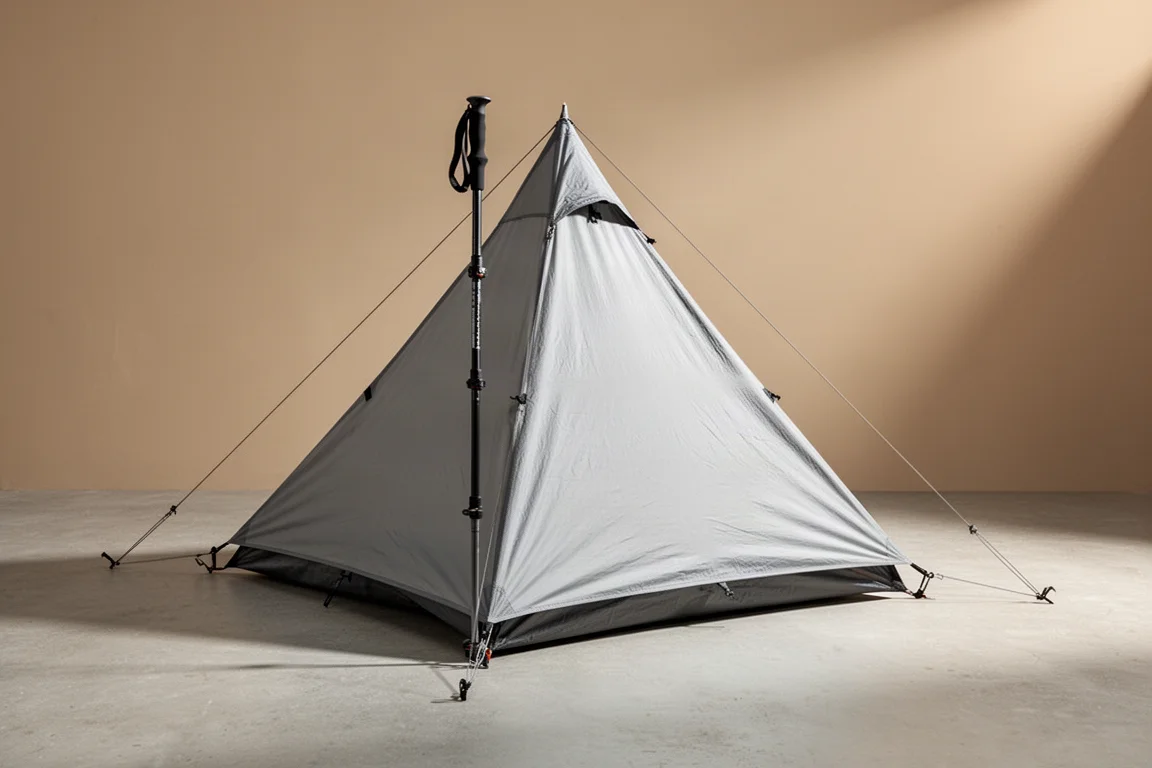
The Durston X-Mid 1 Pro takes the opposite approach. It is a trekking-pole shelter, and it is meaningfully lighter than the Nemo. That weight saving is the point of the category, but it is not the only thing this design delivers: it also offers a generous amount of living space for a solo tent, and its shape provides a good deal of weather protection.
Trekking-pole shelters like this one suit trips where you are confident the ground will cooperate. If the soil is workable and the campsite is large enough to pitch the shelter, setup is straightforward. It also packs into a small profile and slots into tighter campsite spots when you are camping with a group.
The catch is the pitching dependency. Where anchors will not hold, this design is at a disadvantage next to a semi-freestanding option.
Outdoor Vitals 40S: Single-Wall Simplicity
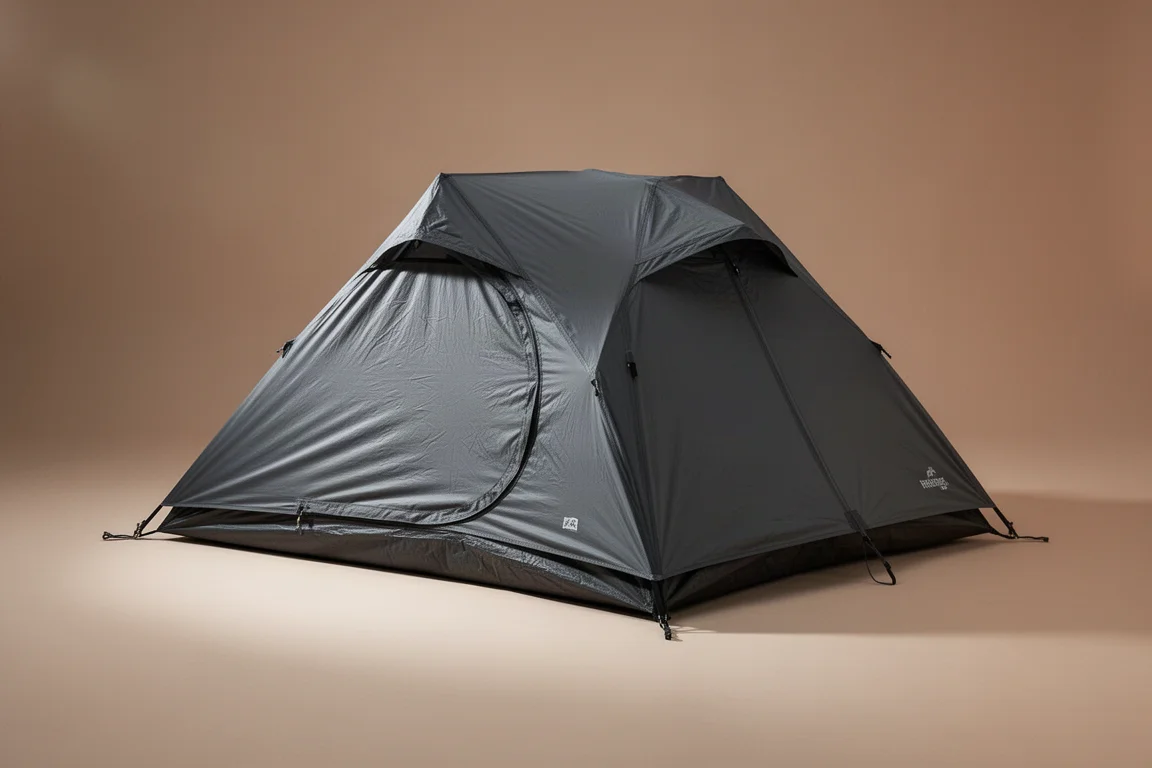
The Outdoor Vitals 40S is a single-wall design, and it illustrates the compromise most clearly. Interior volume is small even by solo standards, which limits how much you can move around and makes condensation a more persistent issue than it would be in a two-person tent. In practice, that means gear stored inside is more likely to pick up moisture, simply because there is nowhere to move it away from the walls.
In a two-person shelter you can often sleep on the diagonal and keep more distance from damp surfaces. A compact single-wall solo tent removes that buffer, so it rewards disciplined packing, careful ventilation, and a willingness to accept a tighter sleeping position in exchange for a smaller, lighter load.
When a Two-Person Tent Makes More Sense
There are trips where extra living space is worth more than a lighter pack. If you expect sustained rain and wind and will spend long hours inside the tent, a two-person shelter makes those hours considerably more comfortable.
The extra room also keeps gear off the floor. In heavy rain, splashback at the base of the tent can throw dirt and moisture onto anything stored on the ground, and having space to lift bags and clothing clear of the walls protects them. For a solo camper facing a wet, windy forecast, that can outweigh the weight penalty of carrying a larger shelter.
Buying Advice: Matching the Shelter to the Trip
Weight should not be the only criterion. Matching the shelter to your plans, the environment, and the conditions you expect will do more for your experience than shaving a few ounces. A lighter trekking-pole tent is not automatically the better answer just because it weighs less than a semi-freestanding alternative.
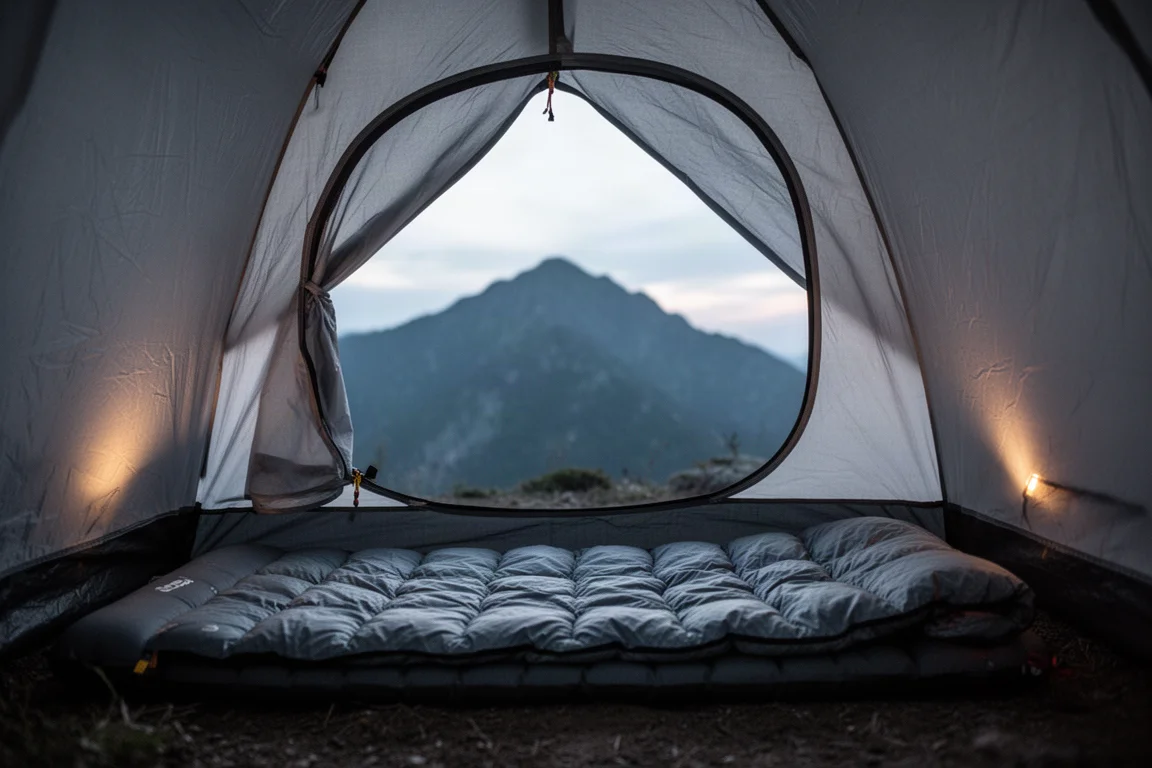
A sensible way to decide is to work through the trip first. Are you going solo? Will you be pitching on ground that accepts stakes, or on rock and hard-packed surfaces? Do you expect long hours inside the tent, or will you mostly sleep in it? If pitching is uncertain, a semi-freestanding shelter such as the Nemo Hornet Osmo 1P earns its place. If weight savings and interior space matter most and the ground is reliable, the Durston X-Mid 1 Pro fits well. If you want a simple single-wall shelter and accept the condensation management it requires, the Outdoor Vitals 40S is the compact option.
A one-person tent is a legitimate part of a backpacking kit rather than a gimmick. It fills a specific role: maximum weight and pack-size savings for solo trips, with a smaller footprint that suits tight campsites and group trips alike. The trick is choosing it for the right trip rather than by default.
Conclusion
One-person tents are worth it when they match the trip. They save pack space, open up campsite options, and hold warmth efficiently in cold weather. They also ask you to accept less living space, more condensation management, and smaller weight and cost savings than many buyers assume. Pick the shelter that fits the ground you will pitch on and the weather you expect, and the smaller tent will earn its place in your pack.
Further reading
Related Reviews
Backpacking Tents
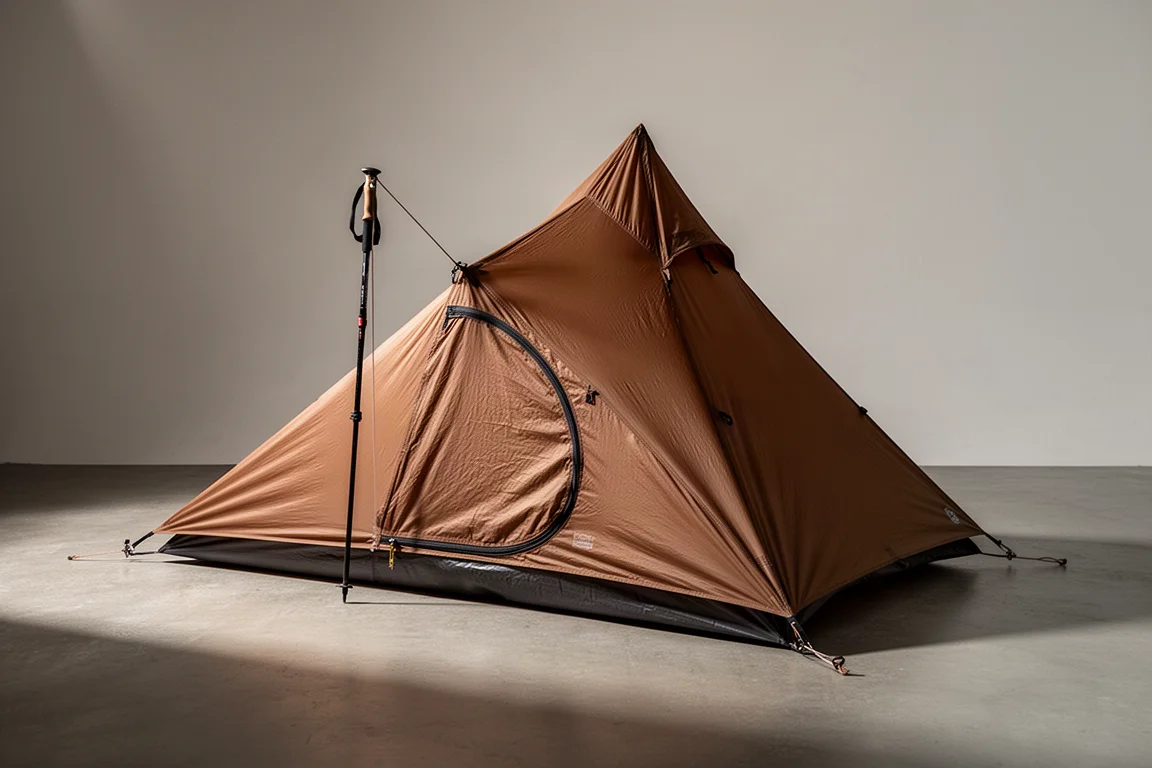
3F UL Lanchan Pro 1 Review: A 1 lb 8 oz Single-Wall Trekking Pole Tent
A practical look at the 3F UL Lanchan Pro 1, a single-wall trekking pole shelter with a 1 lb 8 oz weight, 20D silnylon fabrics, and a roomy 90 x 31 x 49 inch interior.
Backpacking Tents
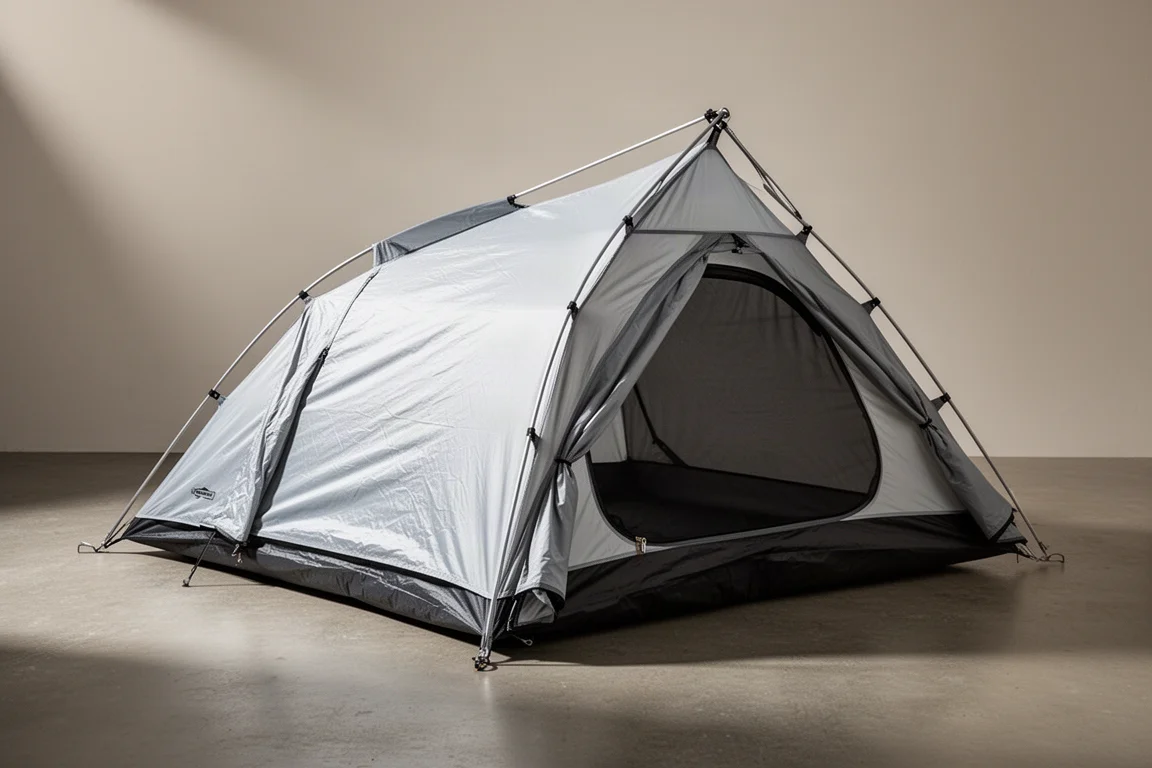
3F UL Taiji 2-Person Tent: A Convertible Backpacking Shelter Worth a Closer Look
A practical look at the 3F UL Taiji two-person tent, covering its materials, true two-person interior, fly-first pitching, and the seasonal inner swap that lets one shelter cover more of the year.
Backpacking Tents
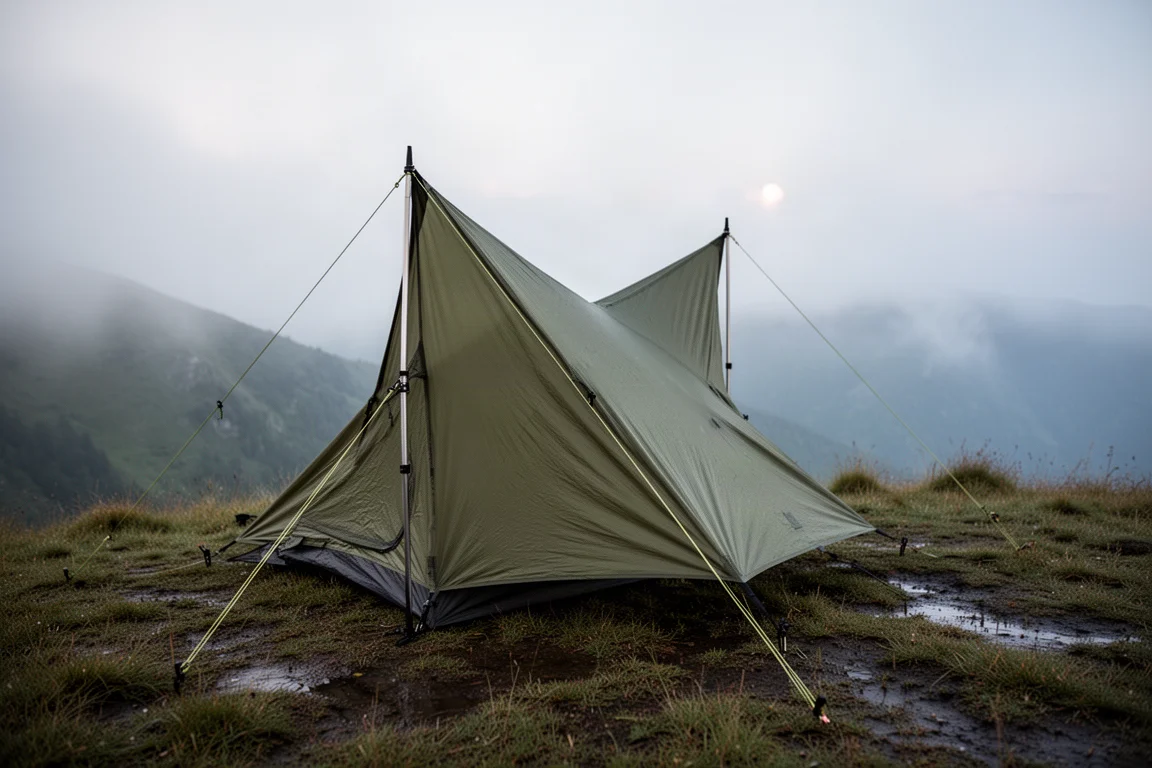
3FUL Lanshan Twoerson Pro Review: A Light Trekking Pole Shelter That Struggled in Rain
A two-person trekking pole shelter with a 2026 redesign, pitched with sticks and put through a night of steady rain. Here is what worked, what did not, and what to check before buying.