Snowboards
Arbor West Mark Review: A Twin Snowboard Built for Freestyle-Minded All-Mountain Riding
The Arbor West Mark pairs a twin shape with camber or rocker options, Grip Tech edges, and an even, softer flex. Here is what to know before buying.
Introduction
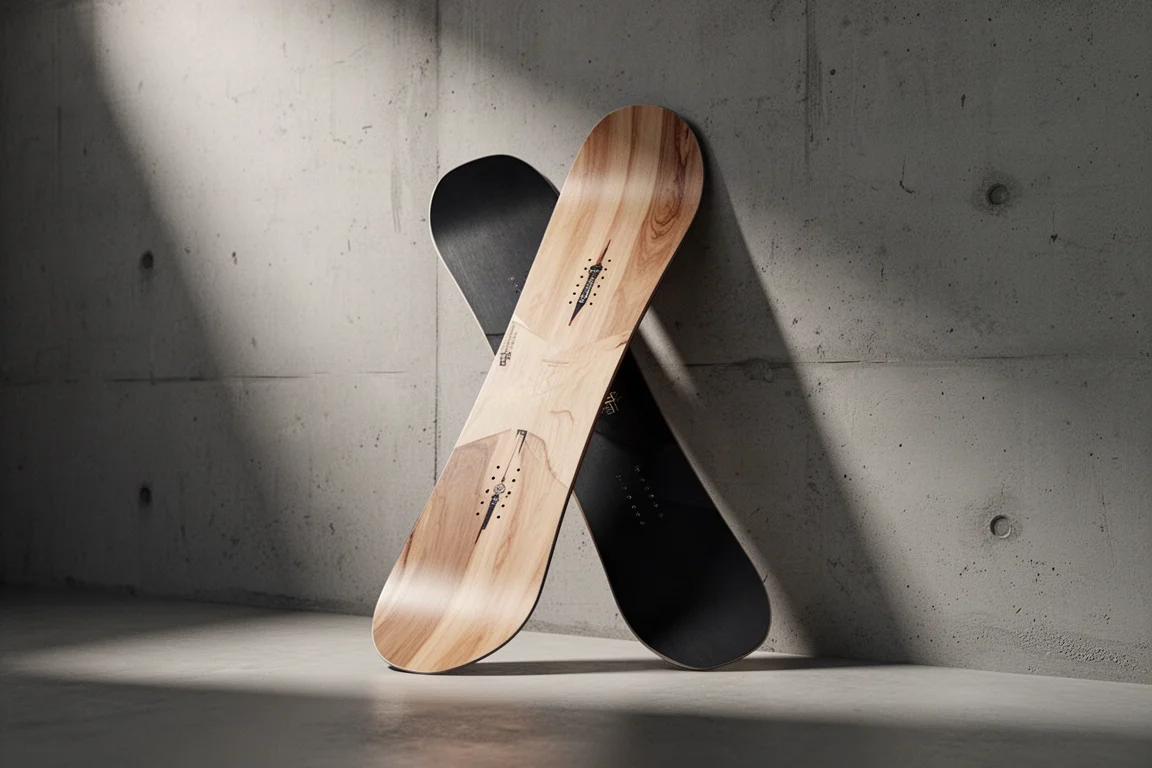
The Arbor West Mark is a twin-tip snowboard that has been part of the Arbor line for a while, and it now carries a refreshed tip and tail shape. It is available in both camber and rocker versions, uses bio resin in its construction, and wears the wood topsheet finish that has become something of a brand signature. It sells for $549, which places it alongside plenty of other boards in the same bracket.
The West Mark was ridden during spring on-snow testing, and it came away with strong overall marks. One test rider scored it an 8 out of 10 and called it a great board for riding the entire mountain, while another gave it a 7 out of 10 and described it as fun with plenty of pop and a nicely even flex. Those two impressions sum up the board’s character well.
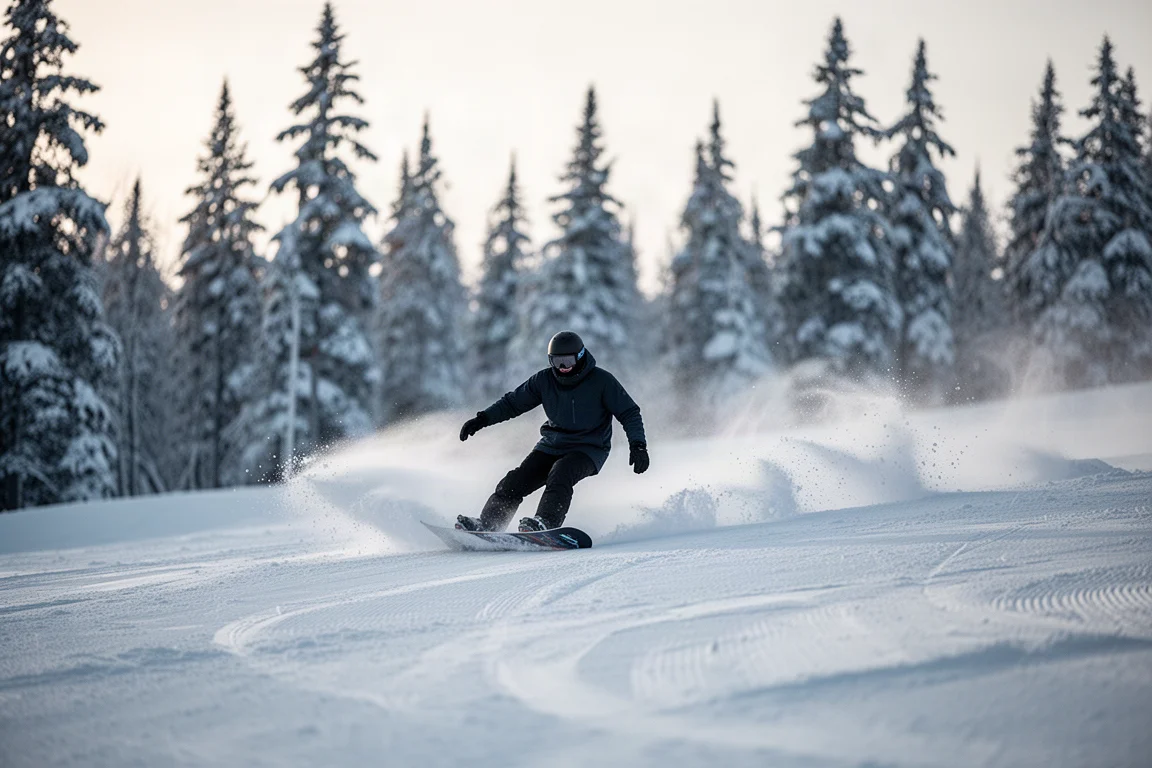
That spread of scores is worth reading carefully. A board that one rider calls an all-mountain workhorse and another calls fun and poppy is usually a board with a broad comfort zone rather than a specialist tool, and the West Mark fits that description closely.
Who This Product Is For
The West Mark makes most sense for riders who want a single board that handles the whole mountain without giving up a freestyle feel. Its twin shape and even flex suit riders who like to ride switch, spin off natural features, and treat groomed runs as a playground rather than a race course.
It is also a reasonable choice for someone who already knows whether they prefer camber or rocker, because the board is offered in both. That choice, more than anything else, will shape how the board feels underfoot.
Main Strengths
The board’s main appeal is balance. It does not chase a single extreme, and instead combines a predictable flex, easy pop, and edge grip that holds up when conditions firm out. The wood topsheet finish also gives it a distinctive look that stands apart from plain matte graphics.
Camber or Rocker: Two Profiles
Arbor builds the West Mark in both a cambered and a rockered version, so the profile is a matter of personal preference rather than a fixed part of the design. The camber version, which was the one ridden during testing, keeps a more traditional arc through the middle of the board, while the rocker option offers the alternative profile that some riders prefer.
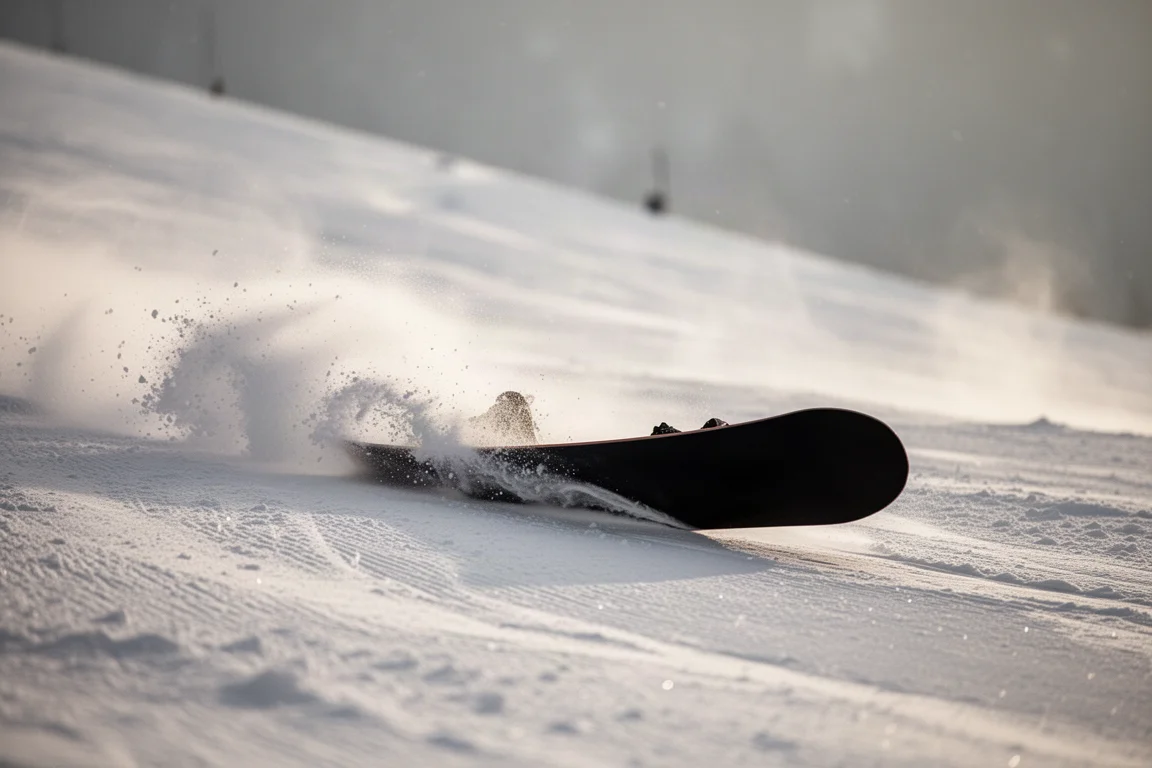
Having both options within the same model is genuinely useful, because it lets a rider keep the shape, flex, and construction they like and change only the profile.
Flex, Pop, and Freestyle Feel
The flex sits on the softer side, described as an even soft-to-medium feel that runs consistently from tip to tail. That evenness is a big part of why the board reads as fun: there are no stiff zones to fight, and the pop comes easily when you load it up.
For freestyle-leaning riders, this is close to ideal. A softer, even flex is easier to press and butter, and it stays predictable on landings.
Grip Tech Edge Hold
Arbor’s Grip Tech places extra contact points along the edges right underneath the stance, which adds grip when the snow gets firm or icy. It is one of the more practical pieces of tech in the board, because it addresses the one thing a softer, freestyle-oriented board can struggle with: holding an edge on hardpack.

In practice that means the West Mark can be ridden confidently on groomers in the morning and still feel playful in the park later in the day.
Things to Consider Before Buying
The softer flex is the main trade-off. Riders who like a stiff, damp board for high-speed charging will likely find the West Mark too relaxed for that style of riding, even though it is happy to cruise the whole mountain at a moderate pace.
Because the board comes in two profiles, it is worth being clear about which one you want before ordering. The camber and rocker versions share the shape and construction but not the ride feel, so the decision matters more than the model name alone suggests.
At $549, the West Mark sits in a crowded part of the market. Arbor has been building boards for 28 years, and the construction details here, including the bio resin and the wood topsheet, reflect that experience.
Buying Advice
If you are shopping for one board to cover groomers, side hits, and park laps, the West Mark is a sensible shortlist entry. Choose it if you value an even, forgiving flex and want a twin shape that rides switch without compromise.
The profile decision should come first. Riders who want a more traditional feel underfoot should look at the camber version, while those who prefer the alternative should consider the rocker. Either way, the shape, flex, and Grip Tech edges stay the same.
It also helps to be honest about how you ride. The West Mark rewards a playful, freestyle-first approach and relaxed all-mountain cruising. If your days are built around steep, high-speed lines, a stiffer board will likely serve you better.
Conclusion
The Arbor West Mark is a versatile twin that earned solid marks in on-snow testing for its even flex, easy pop, and whole-mountain range. With camber and rocker options, Grip Tech edges, and a $549 price, it is a straightforward recommendation for riders who want a freestyle-leaning board they can ride everywhere.
Product link
View more details for Arbor West Mark
This product is mentioned in the review. Check the specifications, options, and compatibility before buying.
View more details for Arbor West MarkFurther reading
Related Reviews
Snowboards
32 Middle Earth Scott Stevens Pro Model Snowboard Review: A Park Board With a Reversed Flex
A medium traditional camber park board with carbon V reinforcement that is stiffer in the tips and more playful between the feet. Here is how it rides and who it suits.
Snowboards
32 Snafu Review: A Directional All-Mountain Freestyle Board with Serious Pop
The 32 Snafu pairs a directional camber-rocker profile with a stiffening tail for powerful carves, big ollies, and a surprisingly damp ride.
Snowboards
32 XXX Pat Fava Pro Snowboard Review: A Stiff Camber Beast for Hard-Charging Riders
A full-width traditional camber deck that rewards aggression with stability and edge power, but demands effort everywhere else.