Snowboards
Arbor Veda Review: A Directional Snowboard for All-Mountain and Sidecountry Riding
The Arbor Veda pairs a directional tapered shape with camber, Grip Tech, and Powder Fenders. Here is who it suits, where it shines, and what to weigh before buying.
Introduction
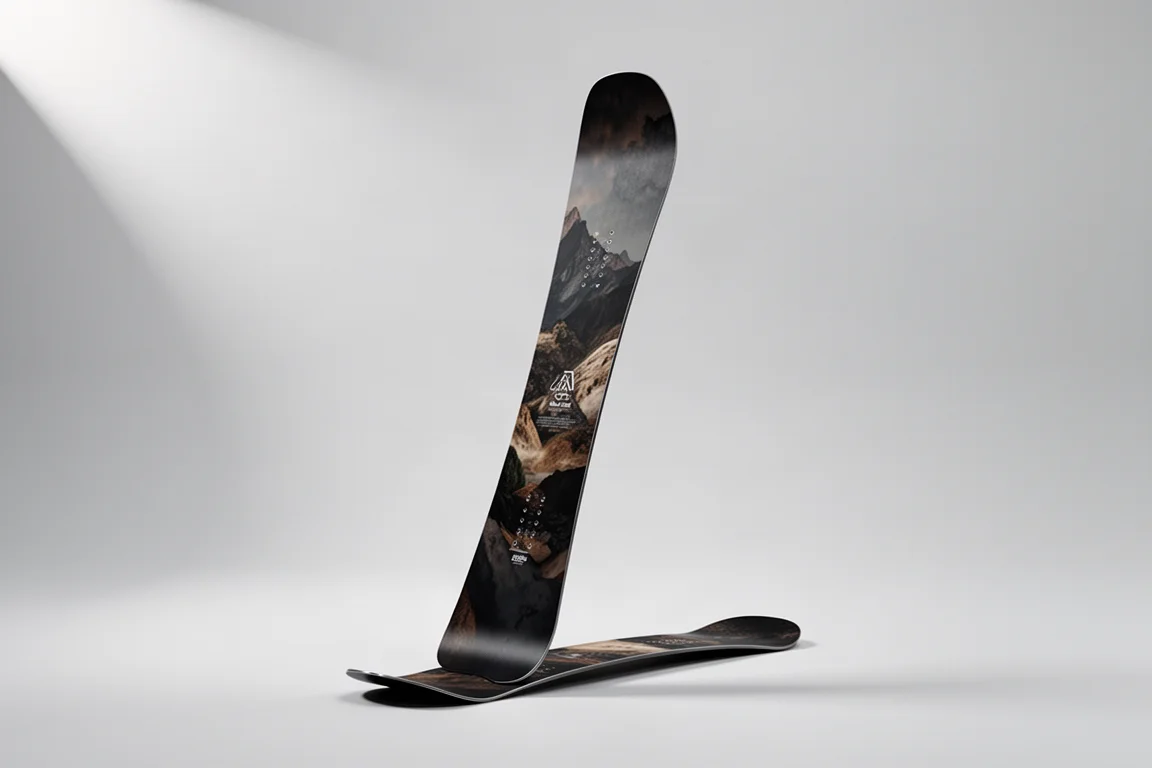
The Arbor Veda is the signature snowboard of Marie-France Roy, and it has held a place in the Arbor line for a couple of seasons. It is a directional board with taper, a camber profile, Grip Tech edge contact points, and Powder Fenders in the tip and tail. Those are familiar elements from elsewhere in the Arbor range, but they come together here in a shape that leans clearly toward natural terrain.
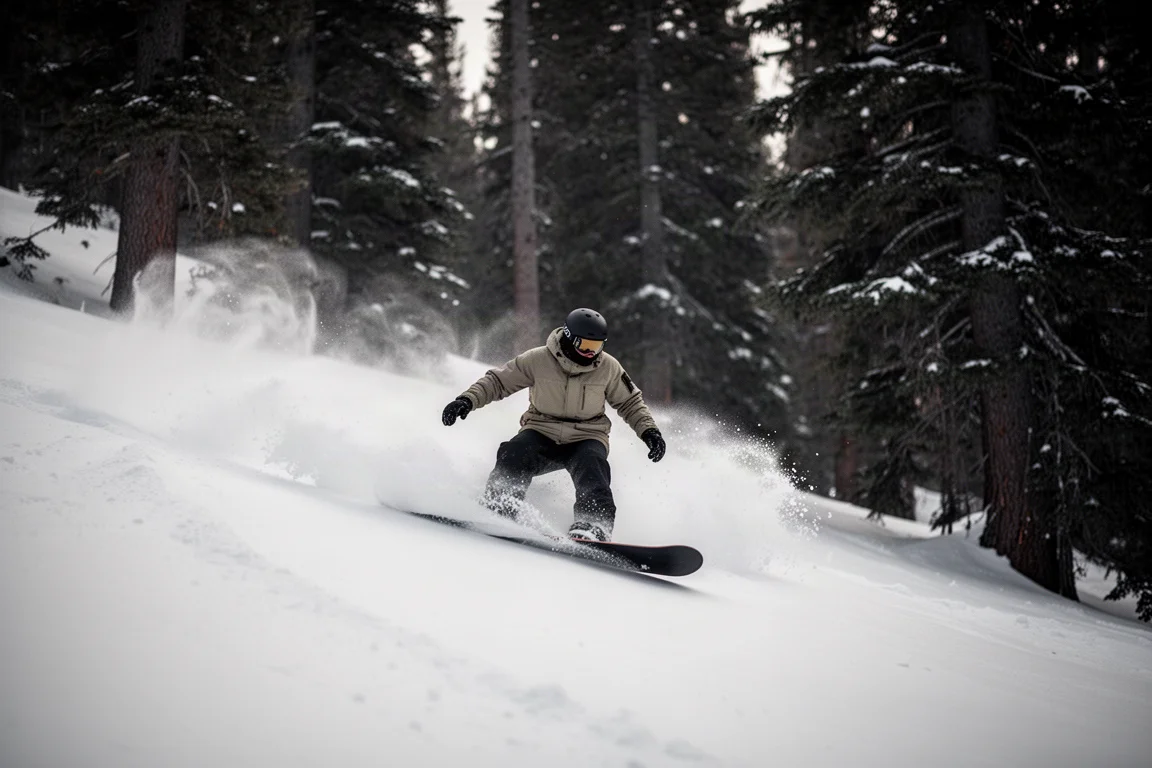
In on-snow testing the Veda stood out as a board that feels easy to ride at moderate speeds yet still has plenty in reserve when the terrain steepens and the snow gets deeper. The feedback was unusually consistent: fast, capable, and genuinely enjoyable to ride.
That combination is worth understanding before you buy. A directional board with this much range rewards riders who know where they spend their days, and it can frustrate riders who expect one deck to do everything equally well.
Who This Board Is For
The Veda suits riders who spend most of their time on groomers, in the trees, and in the softer snow just outside the resort boundary. It was described in testing as a go-to board for sidecountry, meaning the terrain immediately beyond the ski area boundary. That is a fair description of its natural home: short hikes, untracked pockets, and the run back to the lift.
It also suits riders who would rather own one versatile board than build a quiver. The medium flex and directional outline make it approachable on the first run of the day, and it still has the backbone to stay composed when conditions firm up or soften.
Riders who split their time between freestyle laps and backcountry lines will want to think carefully. This is a shape with a clear point of view, and it is happiest pointing downhill.
Shape, Camber, and Grip Tech
The outline is directional with taper, so the nose is wider than the tail. That shape helps the board float in soft snow and finish turns cleanly rather than dragging at the back. Camber runs through the profile, which gives the Veda a lively, connected feel and dependable edge hold on harder, groomed surfaces.
Grip Tech is part of the build, adding edge contact points along the effective edge. The tip and tail carry Powder Fenders, which are designed to keep the nose and tail riding higher when the snow gets deep.
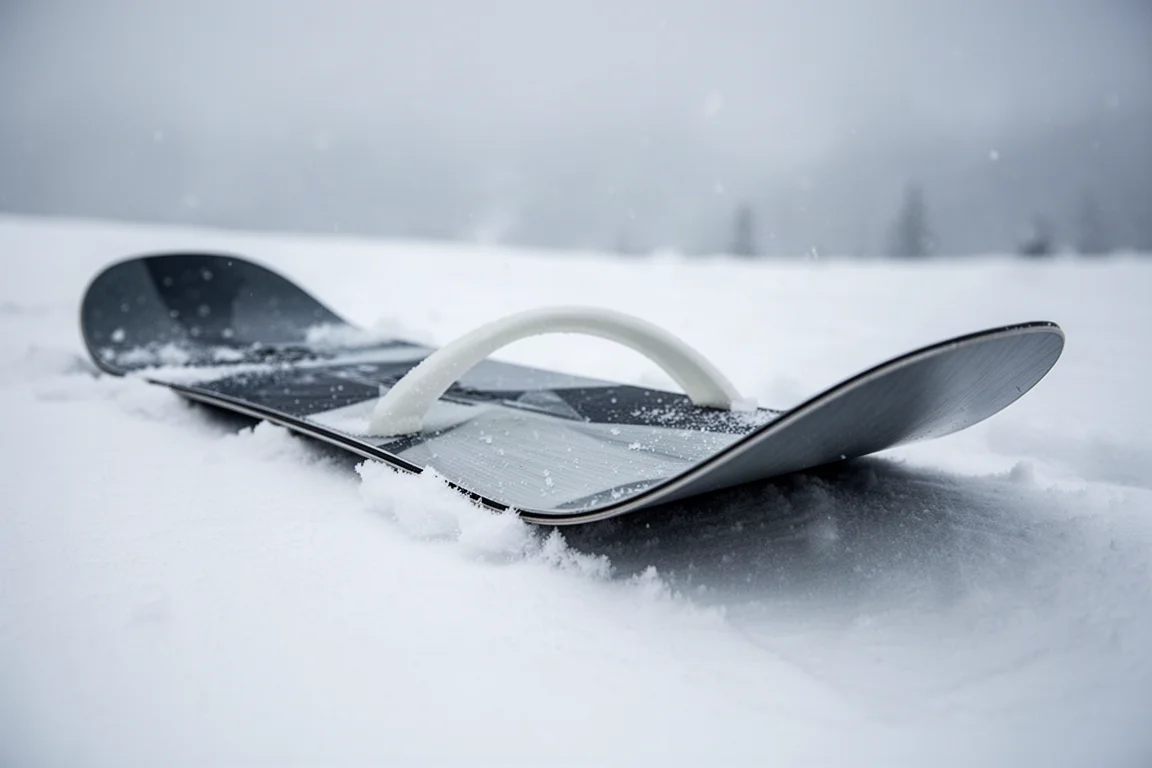
Together these features describe a board that is built for varied, natural terrain rather than for a single narrow use case. The taper and Powder Fenders help in soft snow, while camber and Grip Tech keep the board predictable when you are traversing hardpack or linking turns on a firm morning.
Ride Feel and Flex
The flex sits in the medium range, which is the main reason the Veda is so easy to live with. It bends underfoot without much effort at lower speeds, so it feels forgiving on mellow terrain and in tighter tree lines where quick, small inputs matter.
Push it harder and the board responds. It was described in testing as fast and aggressive, which lines up with the camber profile and the tapered shape: the Veda does not feel like a soft, noodly cruiser once you commit to a turn. It holds a line and carries speed out of it.
That balance is the Veda’s defining trait. It does not demand a lot from the rider on a relaxed day, but it does not run out of composure when the pace picks up.
Main Strengths
The clearest strengths come through in how the board scored and how riders talked about it. One rider rated it 9 out of 10 and called it fast and aggressive. Another rated it 10 out of 10 and named it her go-to for sidecountry riding just outside the resort boundary. It was also picked as one rider’s favorite board of the whole test.
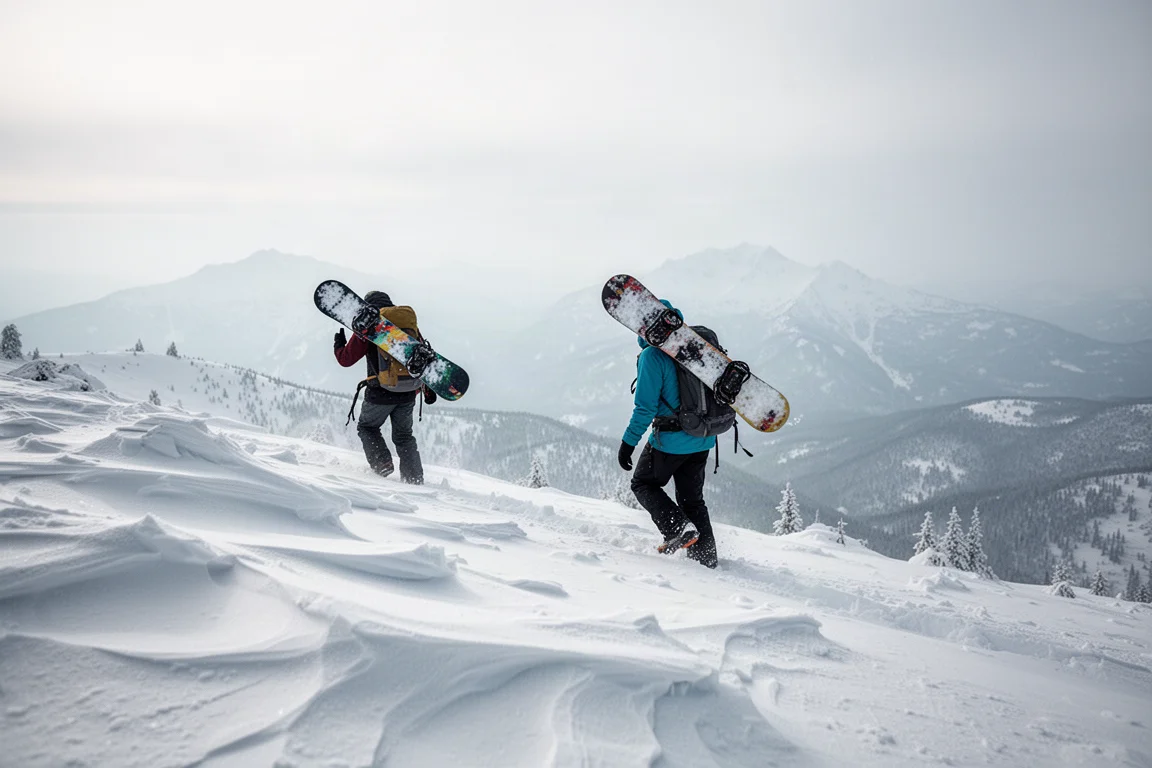
Beyond the scores, the Veda earns its reputation through versatility. The directional taper and Powder Fenders make soft snow and off-piste terrain genuinely enjoyable, while camber and Grip Tech keep the board reliable on the groomed run back to the lift. Medium flex ties it together, giving the board a wide usable range rather than a narrow performance window.
The design also has a strong visual identity, with graphics that drew praise. For riders who care about how a board looks as well as how it rides, that is part of the appeal.
Things to Consider Before Buying
The Veda is directional with taper, so it is not a true twin. Riders who spend most of their time riding switch, lapping the park, or spinning off side hits will be better served by a freestyle-oriented shape.
The medium flex is a deliberate middle ground rather than a maximum. Riders who want a very stiff, locked-in freeride feel, or who are looking for the stiffest possible platform at high speed, may prefer something with more backbone.
The feature set also pays off in specific conditions. Powder Fenders and a tapered shape are most valuable when there is soft snow to ride, and Grip Tech matters most when the surface is firm. If your days are almost entirely on groomed runs in hard conditions, you will not extract everything this board offers.
Buying Advice
Start with the terrain you actually ride. If your season is built around trees, sidecountry laps, and soft groomers, the Veda lines up well with that pattern and the testing feedback supports it. If your season is built around park laps and switch riding, look at a twin instead.
From there, choose a length that matches your weight and the conditions you ride most often. A directional board with taper rides a little differently from a twin of the same length, so it is worth being honest about how much float you need and how much manoeuvrability you want in tight terrain.
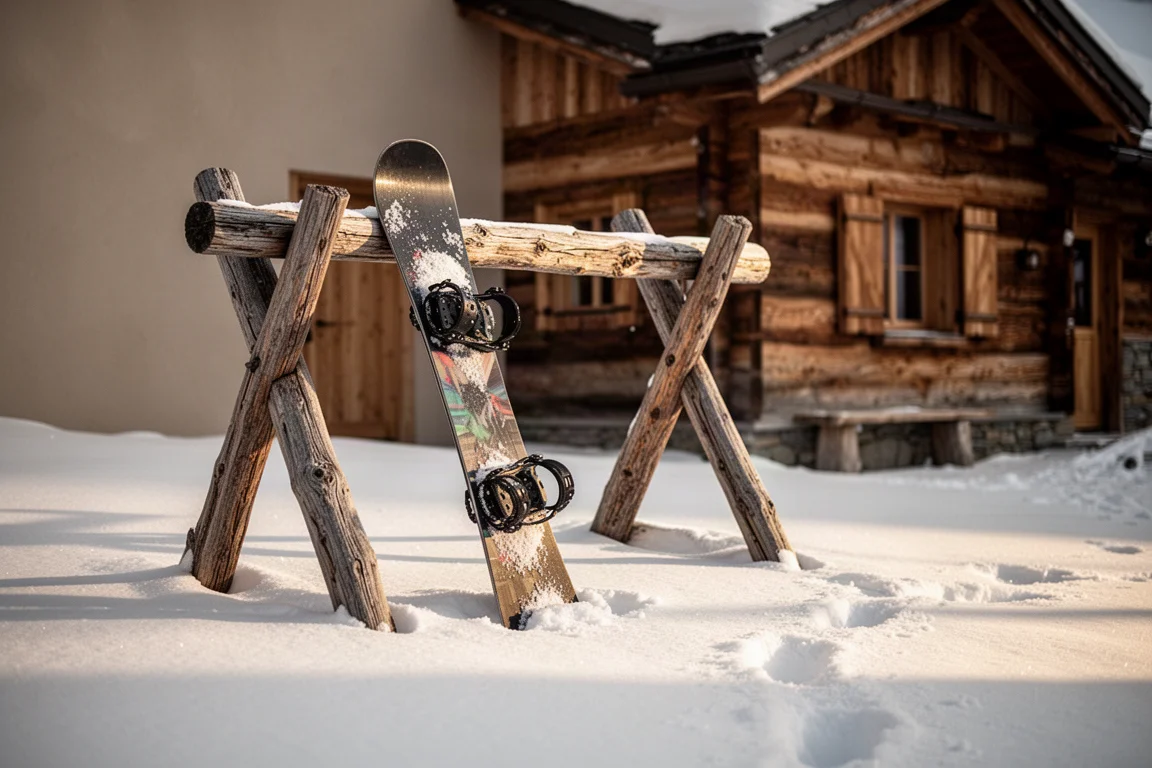
Finally, treat this as a one-board solution rather than a specialist. The Veda is at its best when it is the board you reach for on a normal resort day that might turn into something better, which is exactly the kind of riding it was designed around.
Conclusion
The Arbor Veda is a well-rounded directional snowboard with a clear identity. The tapered shape, camber profile, Grip Tech edge contact points, and Powder Fenders all point toward natural terrain, and the medium flex keeps the board easy to ride without making it dull. Strong scores in on-snow testing and a favorite-of-the-test pick back that up. If you want one board for groomers, trees, and sidecountry, it deserves a close look. If you want a park twin or a stiff freeride charger, keep shopping.
Product link
View more details for Arbor Veda
This product is mentioned in the review. Check the specifications, options, and compatibility before buying.
View more details for Arbor VedaFurther reading
Related Reviews
Snowboards
32 Middle Earth Scott Stevens Pro Model Snowboard Review: A Park Board With a Reversed Flex
A medium traditional camber park board with carbon V reinforcement that is stiffer in the tips and more playful between the feet. Here is how it rides and who it suits.
Snowboards
32 Snafu Review: A Directional All-Mountain Freestyle Board with Serious Pop
The 32 Snafu pairs a directional camber-rocker profile with a stiffening tail for powerful carves, big ollies, and a surprisingly damp ride.
Snowboards
32 XXX Pat Fava Pro Snowboard Review: A Stiff Camber Beast for Hard-Charging Riders
A full-width traditional camber deck that rewards aggression with stability and edge power, but demands effort everywhere else.