Snowboards
Arbor Terrapin PFD Review: A Powdedicated Quiver Board, Refined
The third-generation Arbor Terrapin PFD is a directional rocker powder board built for slashing fresh snow, with better edge hold than its predecessor and a few quirks to know before buying.
Introduction
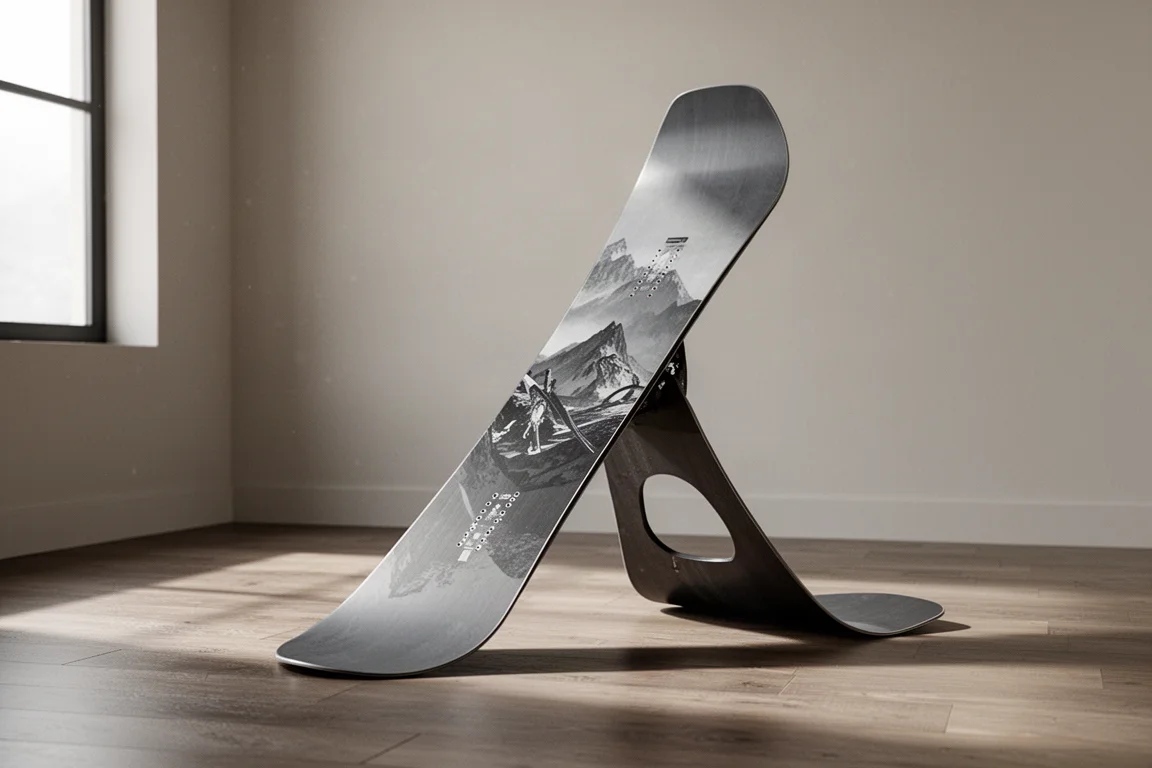
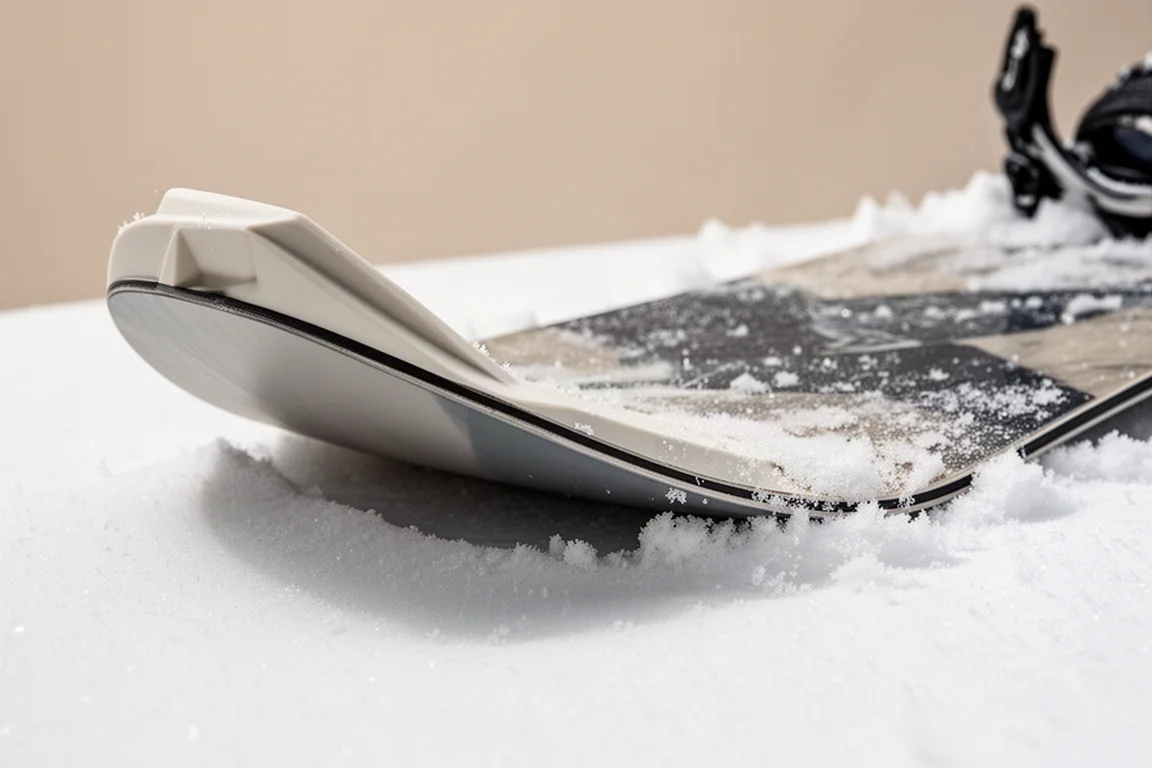
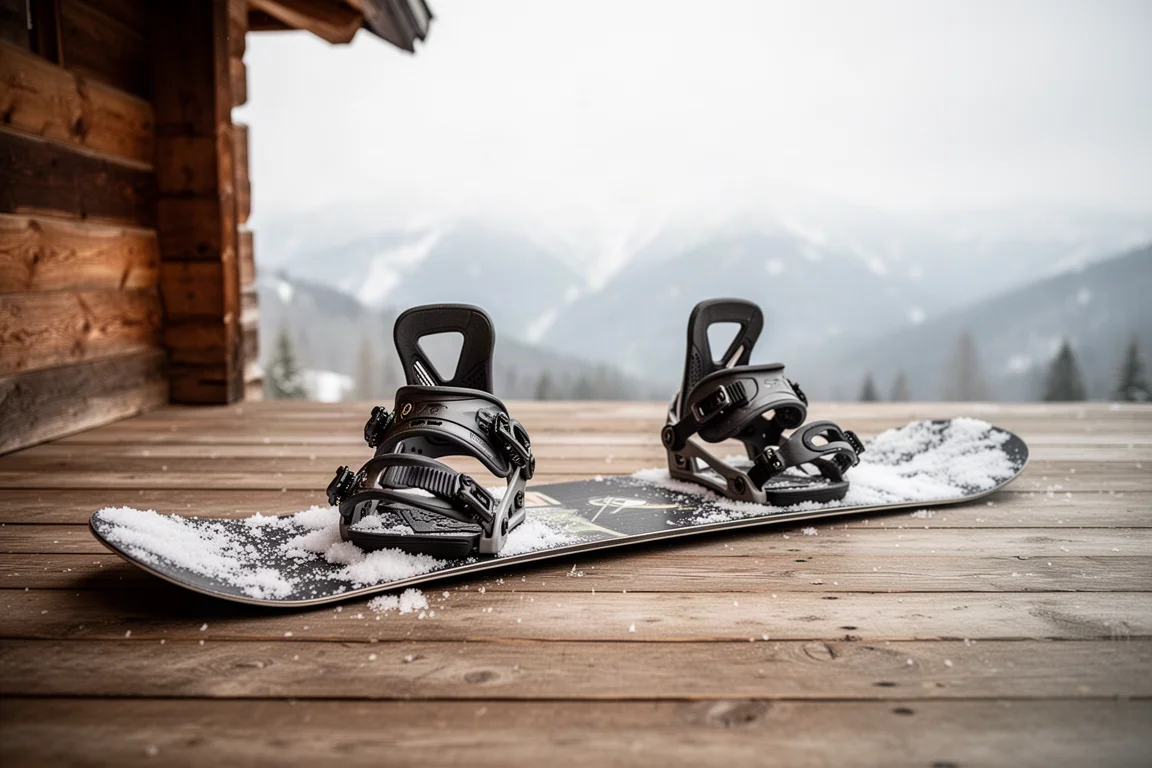
The Arbor Terrapin PFD is the third generation of the Terrapin line, and it leans fully into one job: riding powder. Arbor’s system rocker here has a longer flat section through the center rather than a full U from the middle, a more subdued profile that rocks out at the tail, and a noticeably longer nose. Arbor has also added 3D shaping to the nose and tail, which bevels the edge and helps funnel powder out while the rocker lets the board climb on top of fresh snow. It is available in 146 and 152.
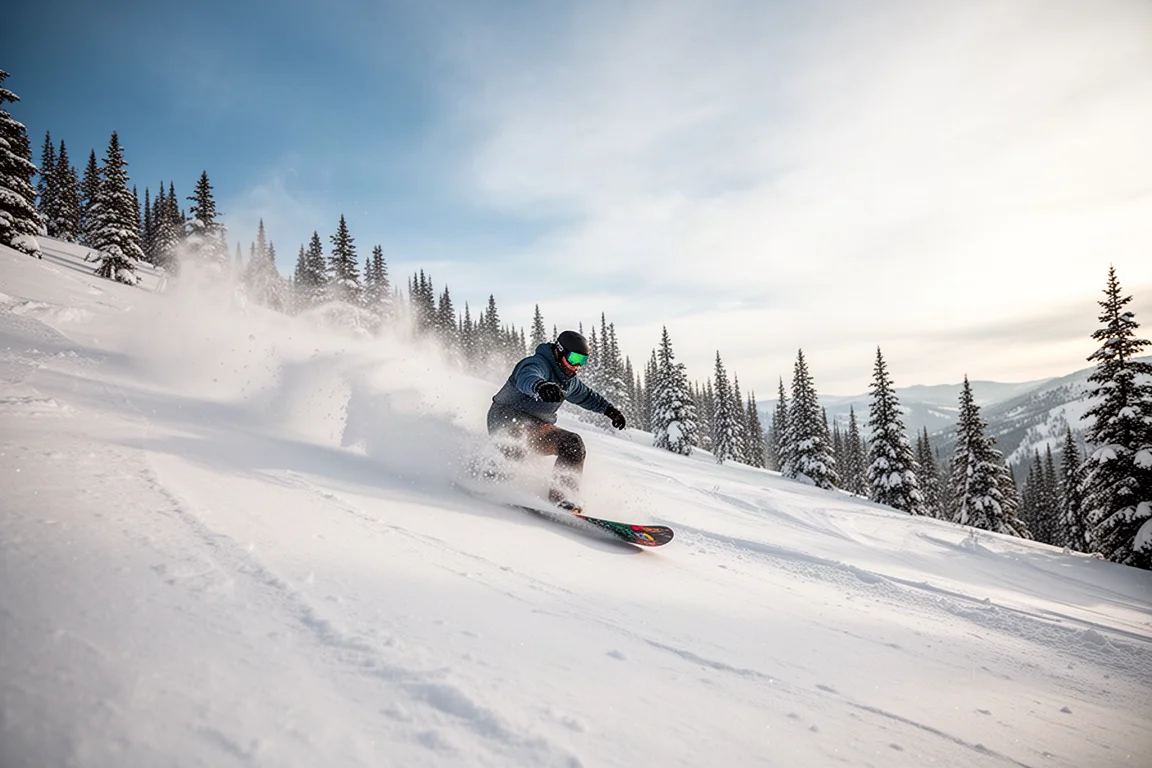
This board was ridden at Copper Mountain on a mostly bluebird day, after a foot to a foot and a half of fresh snow (up to two feet in spots) fell over the previous 24 to 36 hours. That meant powder over crust, chopped chunder, powdery groomers, and fresh corduroy, which is a solid mix for testing what a board like this can and cannot do.
Who This Board Is For
This is a quiver board, plain and simple. It is for the rider who wants to slash turns and ride pow, not the one looking for a daily driver. The directional flex puts more play in the nose, the stiffest section sits through the inserts where the profile flattens out, and the tail softens a bit thanks to the cutout. On a flat base it rides stiffer, on edge it flexes more, and the torsional feel is a touch rigid due to the width.
If you had the older Terrapin and hated how it behaved on groomers, this version should be better. The edge hold has improved and it is not as much of a death sled when you get on a groomer, though it still does not grip as much as you would ideally want.
Main Strengths
In fresh snow, this board does exactly what it was built for. The rocker lifts it onto the surface and the 3D nose and tail shaping funnels powder out, so slashing and porpoising through deep turns feels natural. It is easy to slash, and it shines in lower-angle terrain and tighter trees.
Flat-basing is stable at moderate speeds, and the width plus the subdued center profile means you can ankle steer it with minimal muscle. Roll back on the tail and you get a delayed, flicky pop rather than a skate-like snap: good for porpoising in fresh snow, but boosting takes more effort than you would expect. Basically, this board wants to stay on the ground and slash.
Things to Consider Before Buying
Speed is where things get rough. Push this board and the nose starts to chatter, and that reverberates back underfoot. Slash into fresh snow over crust and you will feel it. It is damp when conditions are perfect, but anything hiding underneath gets transmitted straight to you.
The 3D shaping also bites sideways. Pop a 180 and it is fine, but if you try to swizzle and sizzle, the nose hooks up and grips, dragging until you muscle through it. The flex point sits right outside the insert pack, and pressing into it on the nose matters: set your stance more forward so you can really load that flex point and subdue the nose chatter at speed. Run it further back and the nose will flap more.
Buying Advice
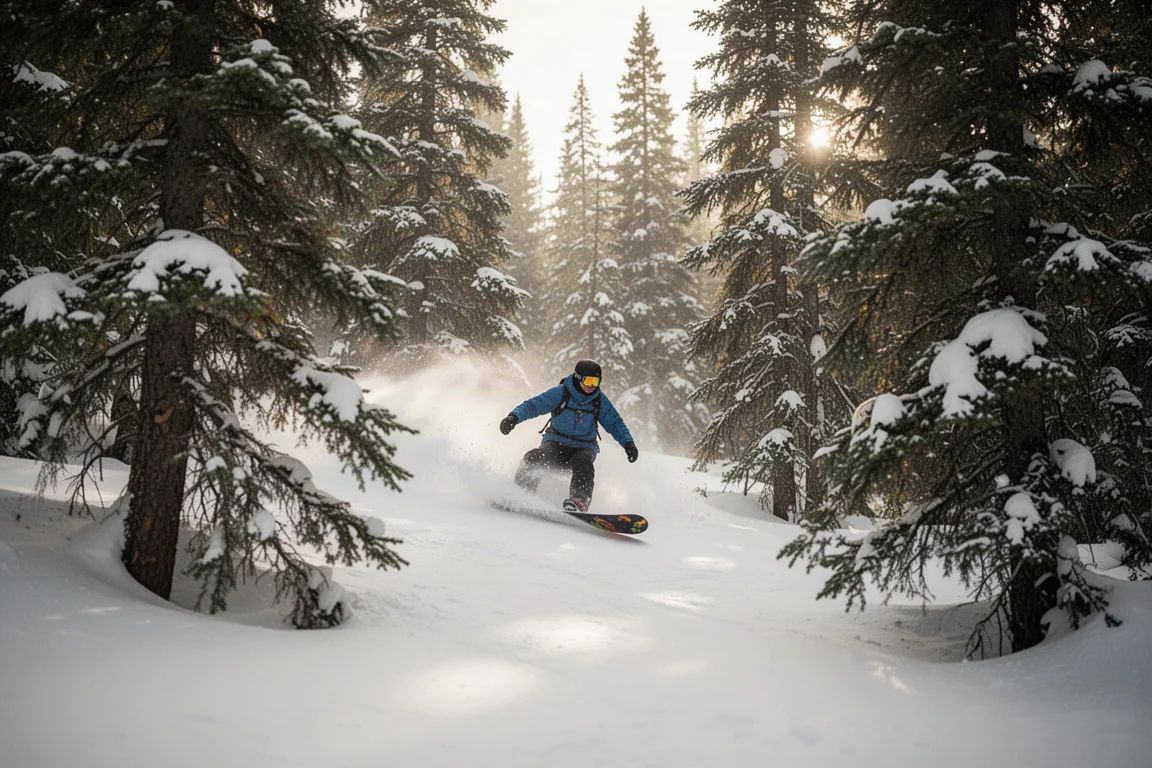
Carving is not this board’s sport. Short, tight, quick carves and medium, mellow carves are what it will handle, so getting across the groomer to the pow stash works and it will hold, but laying it over hard gives you nothing. Other boards in this category grip considerably better. Keep it mellow and ride it in fresh snow and you will have a good time.
If you are pairing it with bindings, the Arbor Hemlock, Union Strata, and Ride Spectre are worth looking at. Comparable boards in this category include the Kuroa Uber Egg (also spelled Kurua Uber Egg), the Ride Psycho Candy, and the Nitro Slash. It is a touch sluggish due to the width and torsional flex, though that may ease with break-in.
Conclusion
The Arbor Terrapin PFD is an improvement over the old Terrapin: better edge hold on groomers, easier slashing, and genuinely fun in trees and fresh snow. It is still a specialist, best kept for lower-angle powder days and tight trees rather than high-speed groomer laps. If slashing pow is the hole in your quiver, this board fills it well.
Product link
View more details for Arbor Terrapin PFD
This product is mentioned in the review. Check the specifications, options, and compatibility before buying.
View more details for Arbor Terrapin PFDFurther reading
Related Reviews
Snowboards
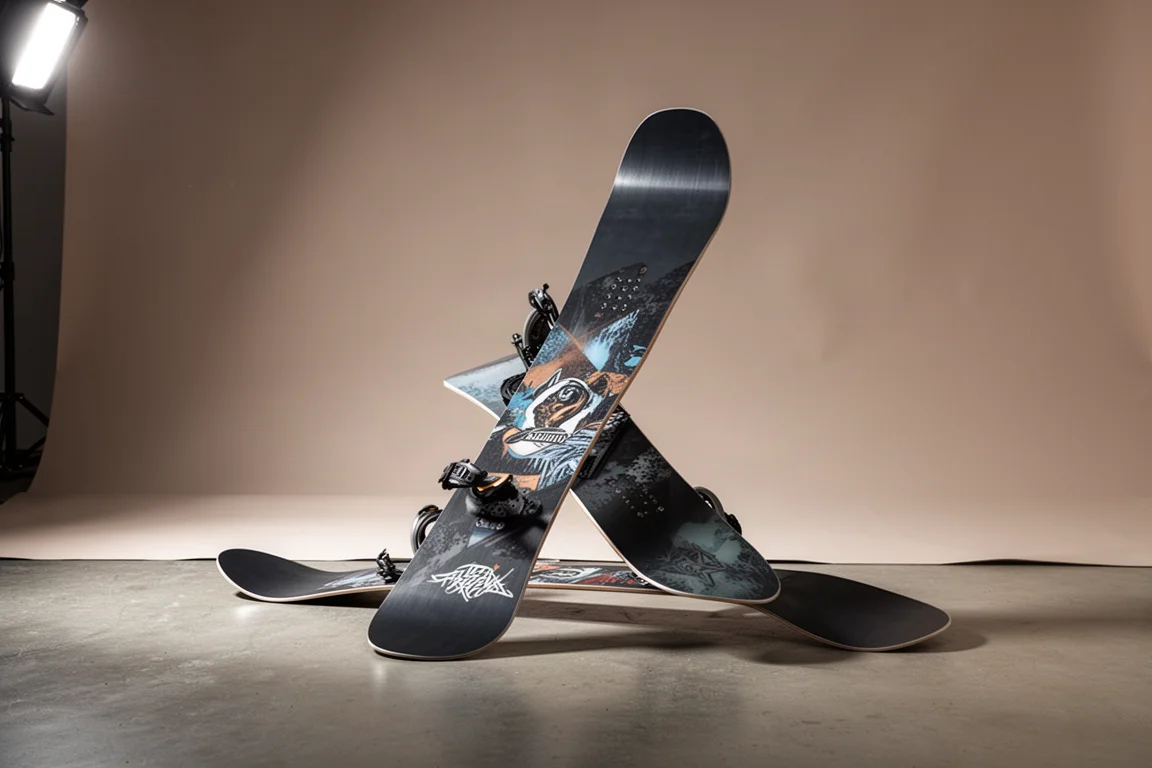
32 Middle Earth Scott Stevens Pro Model Snowboard Review: A Park Board With a Reversed Flex
A medium traditional camber park board with carbon V reinforcement that is stiffer in the tips and more playful between the feet. Here is how it rides and who it suits.
Snowboards
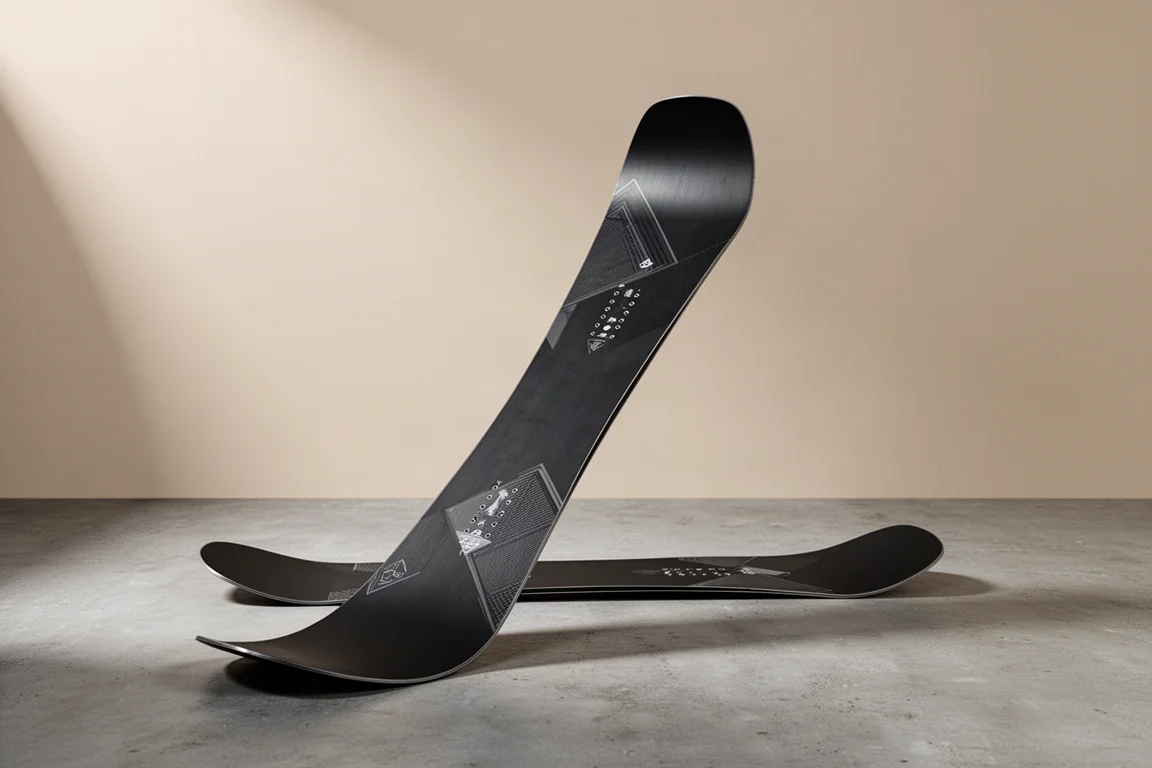
32 Snafu Review: A Directional All-Mountain Freestyle Board with Serious Pop
The 32 Snafu pairs a directional camber-rocker profile with a stiffening tail for powerful carves, big ollies, and a surprisingly damp ride.
Snowboards
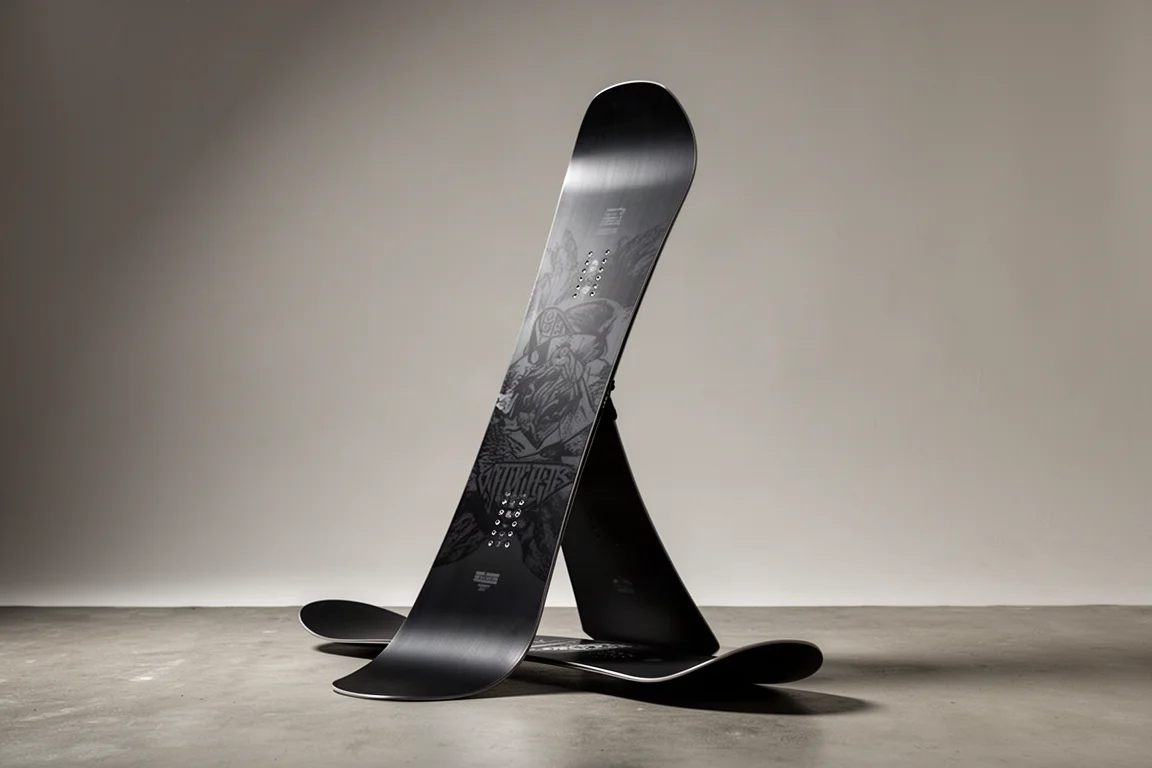
32 XXX Pat Fava Pro Snowboard Review: A Stiff Camber Beast for Hard-Charging Riders
A full-width traditional camber deck that rewards aggression with stability and edge power, but demands effort everywhere else.