Snowboards
Arbor Terrain Review: A Tapered Directional Snowboard With a Surfy Feel
A close look at the Arbor Terrain, a directional tapered snowboard offered in rocker and camber, with a wood topsheet, Grip Tech edges, and a flex that sits around six or seven.
Introduction
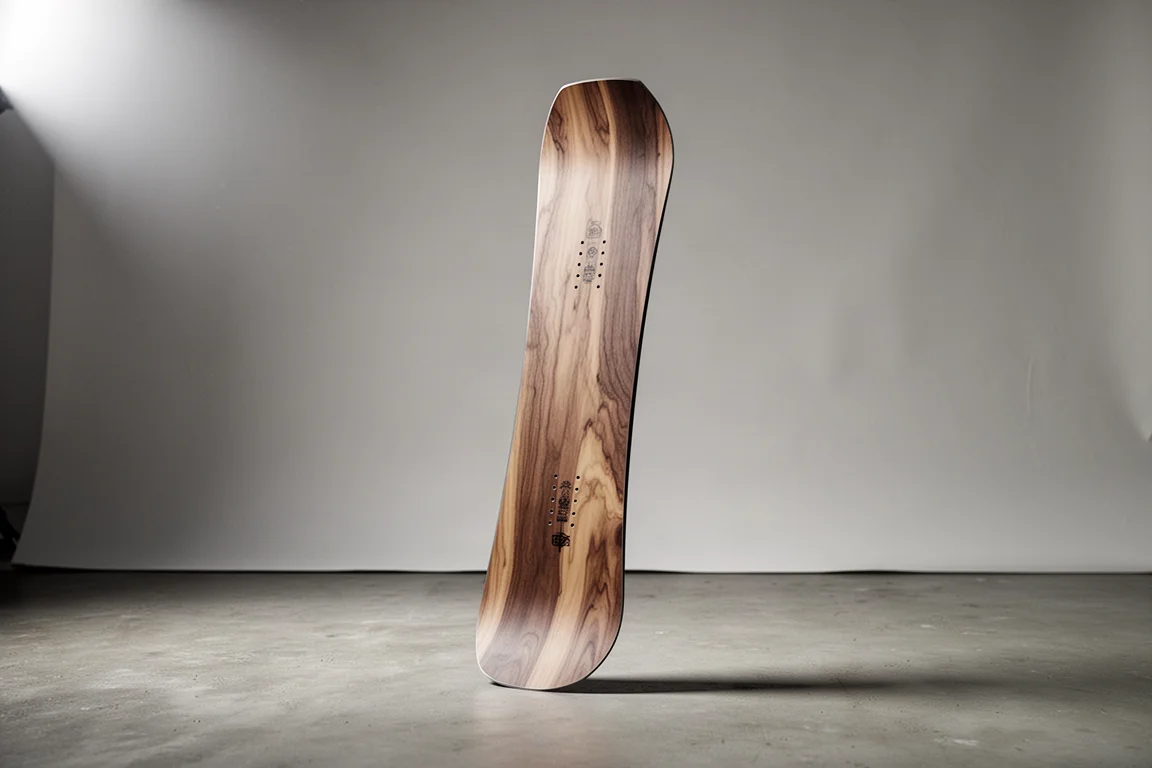
The Arbor Terrain is one of the newer shapes in Arbor’s snowboard line, and it earns attention for a combination that is not especially common: a fully directional outline with taper, a real wood topsheet instead of plastic, and a choice between rocker and camber builds. It looks sharp on the wall and, more importantly, it rides with a distinctly surfy character that suits a particular kind of rider.
This review covers what the Terrain does well, where it asks for a trade-off, and how to decide between the two profile options.
Who the Arbor Terrain Is For
The Terrain is a directional board with taper, which means the nose is wider than the tail and the ride is designed to move forward rather than switch. Riders who want a smooth, surfy, float-friendly feel on soft snow and open terrain will get the most out of it. The flex sits around six or seven on Arbor’s own rating, so this is not a soft, buttery deck. It holds enough backbone to stay composed at speed while still feeling loose and playful when you want to smear a turn.
It also comes in a variety of lengths, which makes it easier to match the board to your weight and stance width rather than settling for whatever is left on the rack.
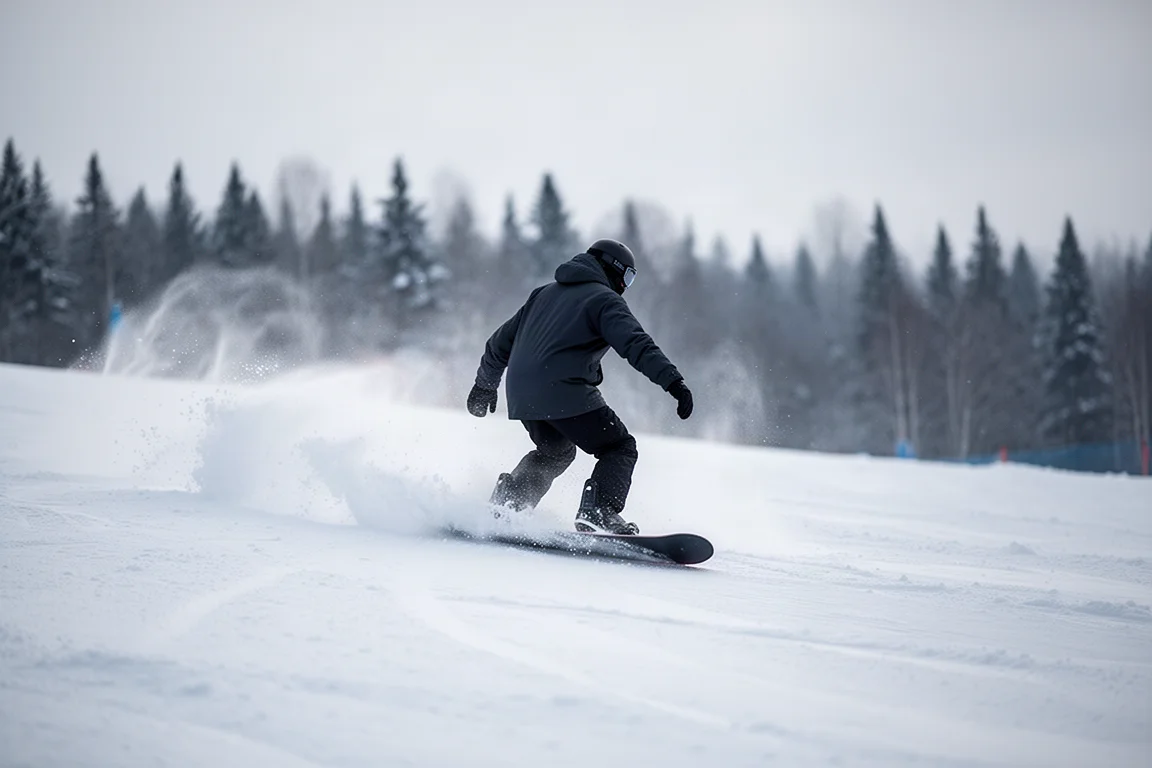
If your riding is mostly park laps and switch tricks, this is probably not the shape you are looking for. If your riding is mostly pointing downhill, hunting soft snow, and linking long turns, the Terrain’s geometry lines up well with that.
Shape and Ride Character
The directional shape with taper is the defining feature here. It gives the board a naturally surfy feel, and riders who spent time on it came away with strong impressions of how it handles a turn. The nose stays up and predictable, while the tail settles in and finishes the arc.
Arbor offers the Terrain in both rocker and camber. On the rocker version, the contact points sit under the middle of the board, and you can see daylight under the tip and tail when the board is laid flat. That profile delivers the looser, more relaxed feel that most riders associate with a surf-inspired shape. The camber version keeps the same outline and build but trades some of that looseness for a more planted, energetic ride.
Main Strengths: Ride Feel and Build
The build is one of the most interesting parts of this board. Arbor uses an ash topsheet and wood veneers in place of the plastic topsheets found on many boards, which gives the Terrain a damper feel underfoot and a look that is genuinely distinctive. The wood construction can add a small amount of weight, though in practice it is not something most riders will notice on snow.
The dampness matters more than the numbers. A damper board filters out chatter and keeps the ride calm when the snow gets chopped up or the groomer turns firm, and that pairs neatly with the Terrain’s surfy, easygoing character.
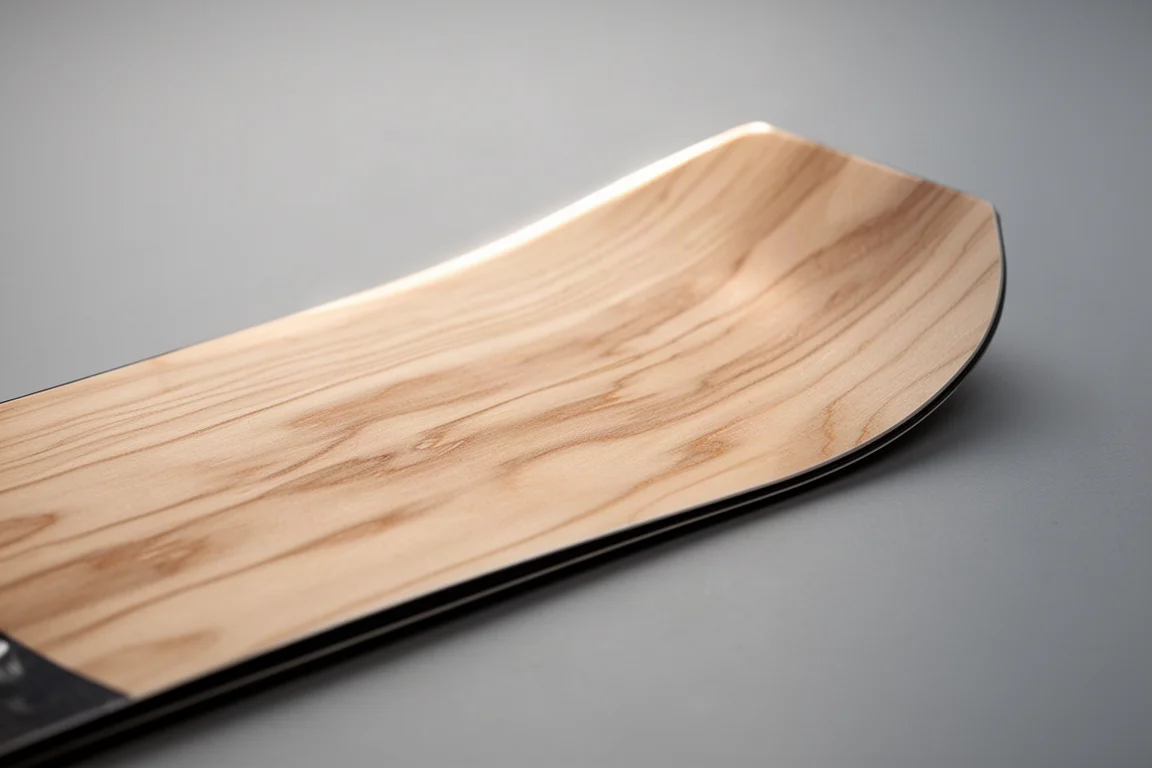
The raised tip and tail detail on the top, matched by a grooved-out section in the base, adds to the board’s visual identity and gives the nose and tail a sculpted look. It is one of those design choices that reads as much as style as function.
Grip Tech and the Raised Tip and Tail
Arbor’s Grip Tech is present here, as it is across much of the line. The added contact points along the edges give the board extra bite when the snow is hard or the run is steep, which is a useful counterweight to the loose, surfy profile.
The top sheet is raised at both the tip and tail, and the base is grooved out in the same zones. The exact performance benefit of that treatment is not clearly defined, but it does channel snow and air in a way that suits the shape’s overall aesthetic, and it makes the Terrain easy to pick out in a rack full of boards.
Things to Consider Before Buying
The first thing to weigh is flex. At roughly six or seven on Arbor’s rating, the Terrain is a mid-stiff board rather than a soft one. Riders hoping for a pressable, park-focused deck with a forgiving flex will find it stiffer than expected, and the directional, tapered outline is not built around switch riding anyway.
Second, the wood topsheet is a trade-off, not a free upgrade. It contributes to the damp feel and the distinctive look, but it can add a little weight compared with a plastic-topped equivalent. For most riders that will be irrelevant, and for riders who value a quiet ride over a featherweight board it is a straightforward win.
Finally, the raised tip and tail feature is a design detail whose benefit is hard to pin down. If you are the kind of buyer who wants every element of a board to serve a measurable purpose, treat that one as a styling choice rather than a performance claim.
None of these points are dealbreakers. They simply narrow the board to riders whose priorities already match what the Terrain is built to do.
Camber or Rocker: Choosing Your Version
Both versions share the directional tapered shape, the wood topsheet, the Grip Tech edges, and the raised tip and tail detail. The decision comes down to how you want the board to feel underfoot.
Choose rocker if you want the looser, more surfy ride, easier float in soft snow, and a more relaxed attitude toward turn shape. Choose camber if you want more energy out of a turn, stronger edge hold on firm snow, and a more connected, planted feel. Neither is the better board in absolute terms. Rocker suits a laid-back, surf-inspired approach, and camber suits riders who want the board to push back.
Buying Advice
Match the Terrain to the riding you actually do. If your days lean toward soft snow, open terrain, and long sweeping turns, the shape and the flex are well aligned with that. If you split your time between park laps and switch riding, look elsewhere in the line.
On length, the board is offered in a range of sizes, so start from your weight and your intended use rather than from what a friend rides. A directional tapered board like this can often be ridden slightly longer for float without feeling unwieldy, but the right answer depends on your stance and the terrain you spend most of your time on.
If you are torn between profiles, think about the snow you ride most often. Rocker rewards soft, forgiving conditions, while camber rewards hardpack and riders who like a more active feel. Both share the same build quality and the same distinctive wood-topped look, so the profile is the real decision.
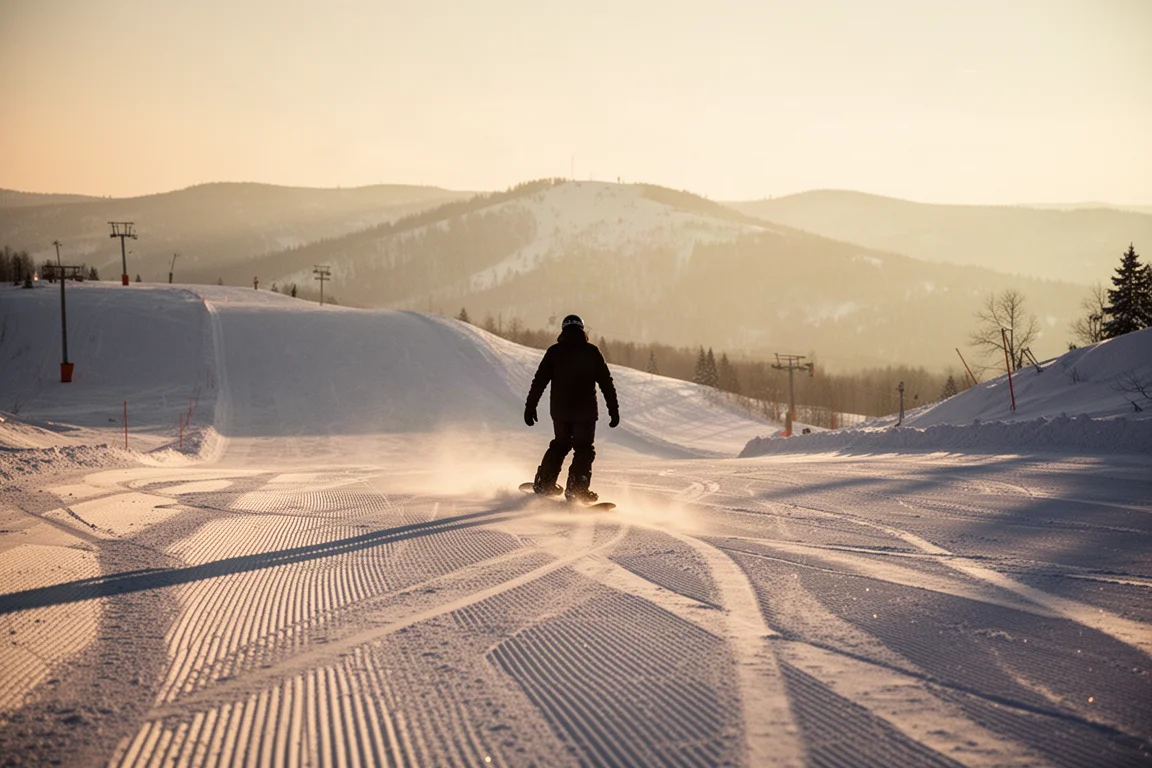
Given the strong impressions the board has generated and how well the shape and build work together, the Terrain is an easy board to feel confident about if its character matches your riding.
Conclusion
The Arbor Terrain is a sharp-looking, well-considered directional snowboard with a surfy personality, a damper wood topsheet, and Grip Tech edges that keep it honest on firm snow. Its flex sits in the mid range rather than the soft end, and the rocker or camber choice lets you tune the ride to your conditions. For riders who want a forward-facing board with a relaxed, float-friendly feel, it is a compelling option worth shortlisting.
Product link
View more details for Arbor Terrain
This product is mentioned in the review. Check the specifications, options, and compatibility before buying.
View more details for Arbor TerrainFurther reading
Related Reviews
Snowboards
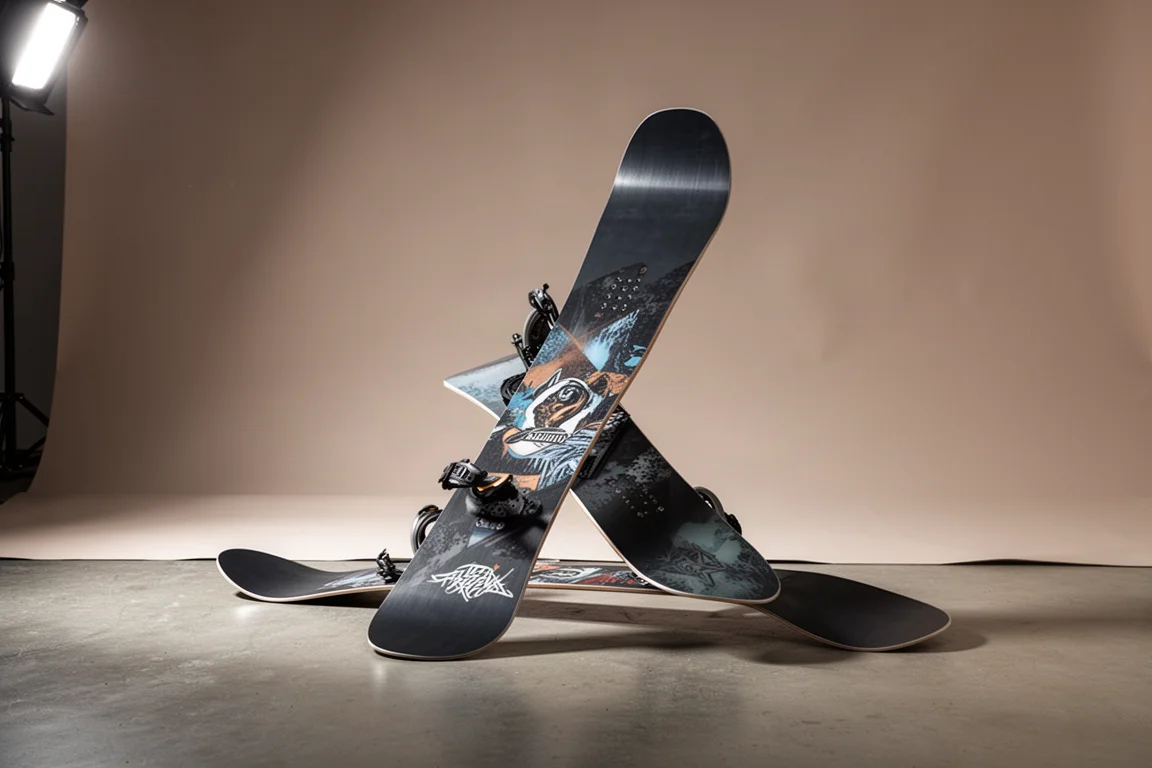
32 Middle Earth Scott Stevens Pro Model Snowboard Review: A Park Board With a Reversed Flex
A medium traditional camber park board with carbon V reinforcement that is stiffer in the tips and more playful between the feet. Here is how it rides and who it suits.
Snowboards
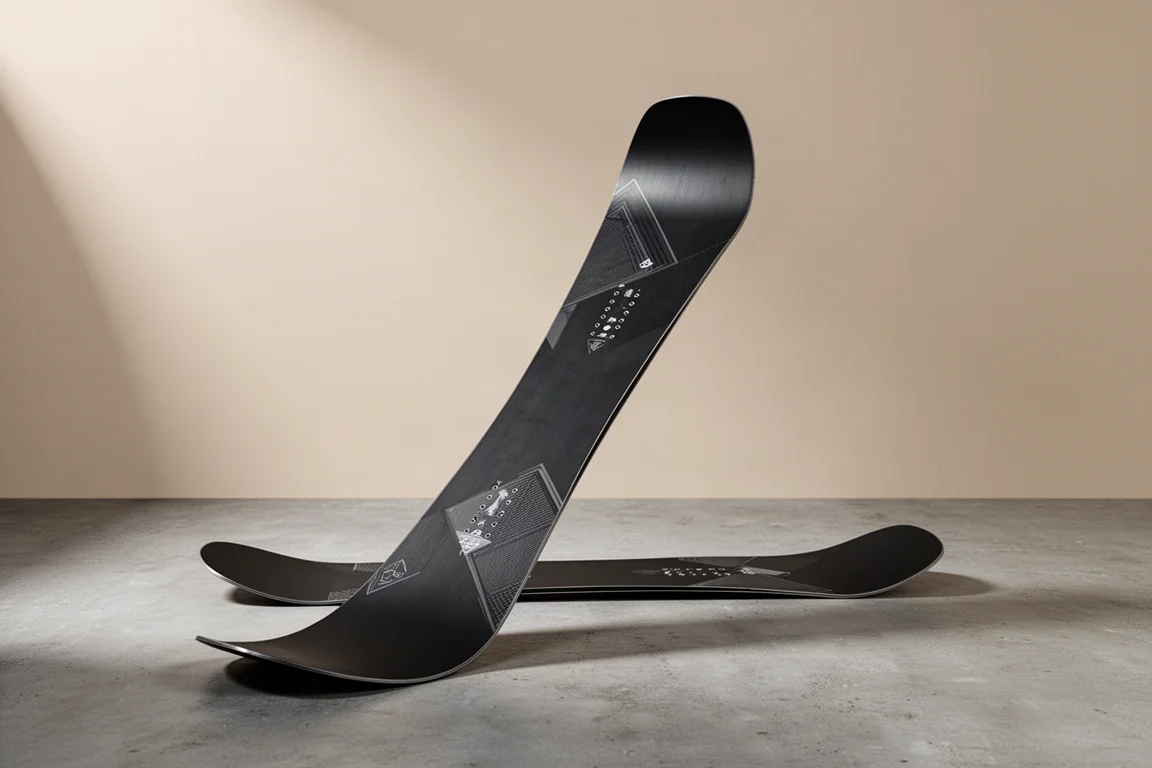
32 Snafu Review: A Directional All-Mountain Freestyle Board with Serious Pop
The 32 Snafu pairs a directional camber-rocker profile with a stiffening tail for powerful carves, big ollies, and a surprisingly damp ride.
Snowboards
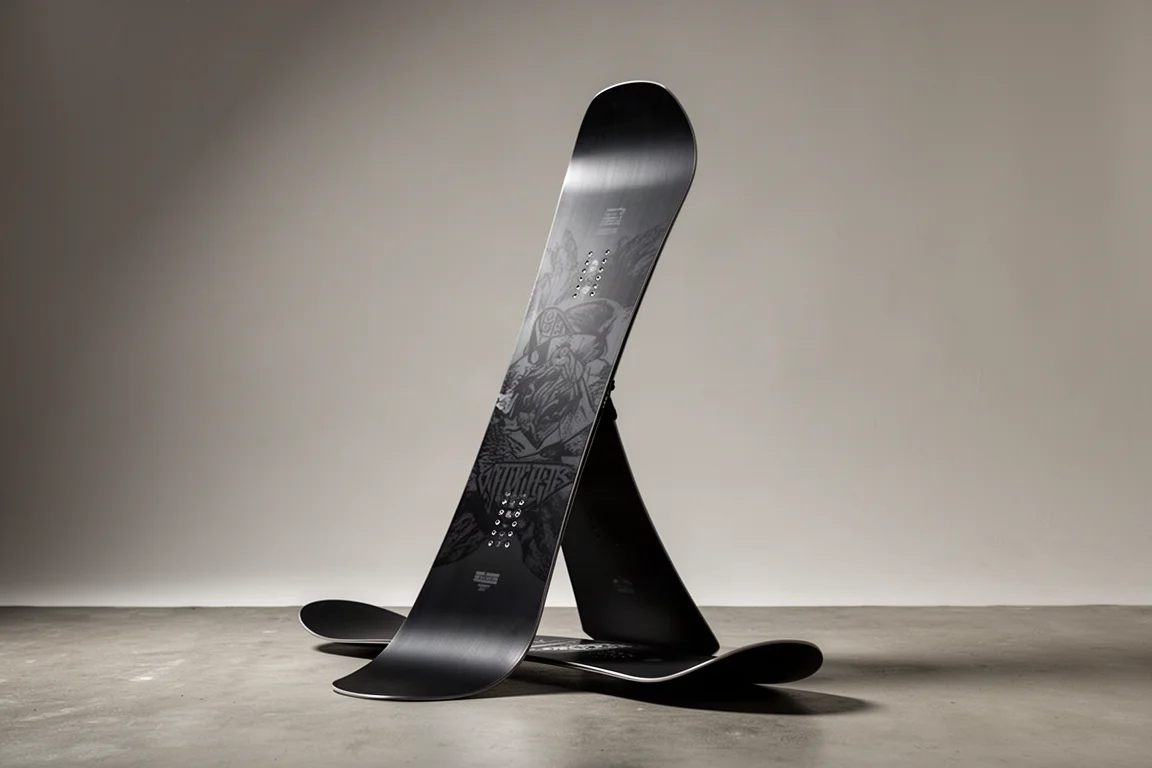
32 XXX Pat Fava Pro Snowboard Review: A Stiff Camber Beast for Hard-Charging Riders
A full-width traditional camber deck that rewards aggression with stability and edge power, but demands effort everywhere else.