Snowboards
Arbor Sine Nomine Review: A Friendly First Directional Snowboard
A camber-dominant directional board with a mid flex and easygoing character, aimed at beginners and progressing intermediates.
Introduction
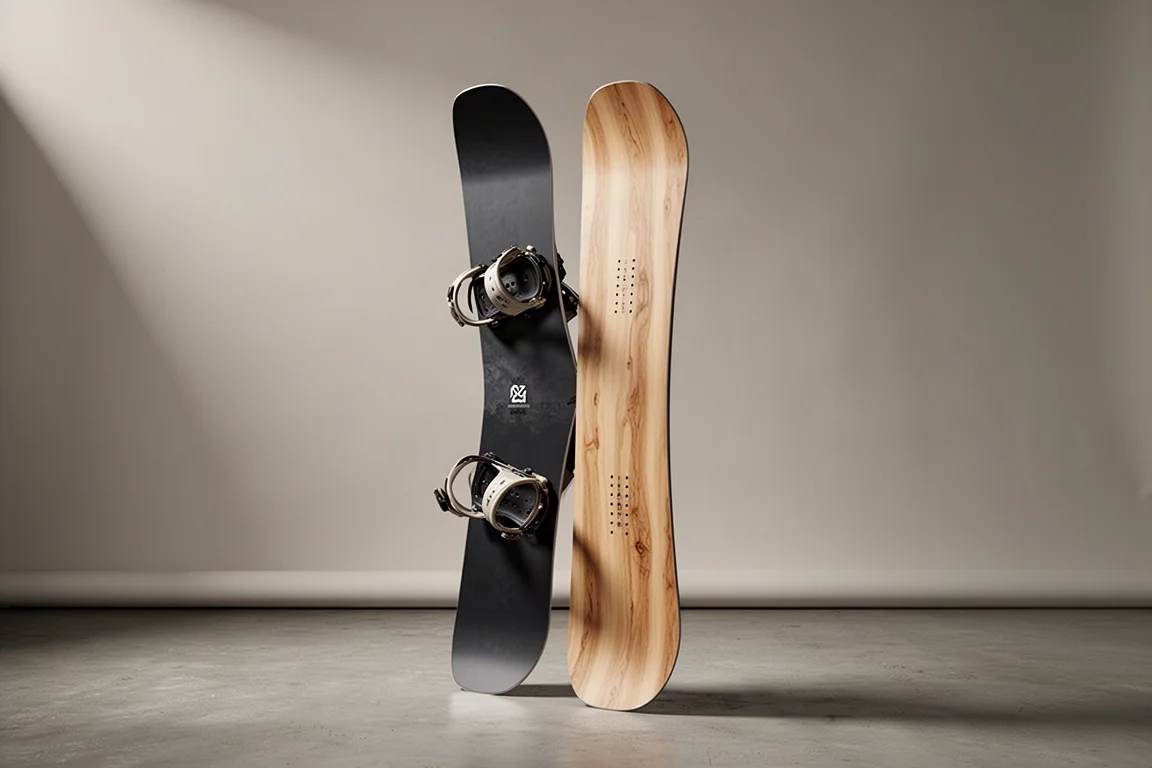
The Arbor Sine Nomine is a directional all-mountain snowboard built around Arbor’s System Camber profile. That means classic camber from contact point to contact point, so you get drive, pop, and power where the board engages, paired with a parabolic shape that keeps the ride forgiving. It is offered in a wide range of sizes: 153, 156, 158W, 159, 161W, and 162.
This review is based on riding it at Copper Mountain on a gray, bulletproof day with icy patches, ungroomed runs, and plenty of traffic on the hill, which turned out to be a useful stress test for a board at this price of difficulty.
Who This Board Is For
The Sine Nomine is aimed squarely at beginner and intermediate riders who want something directional and are ready to explore a bit of everything. It is a good pick if you are coming off a twin or directional twin and want your first true directional board with a little more float.
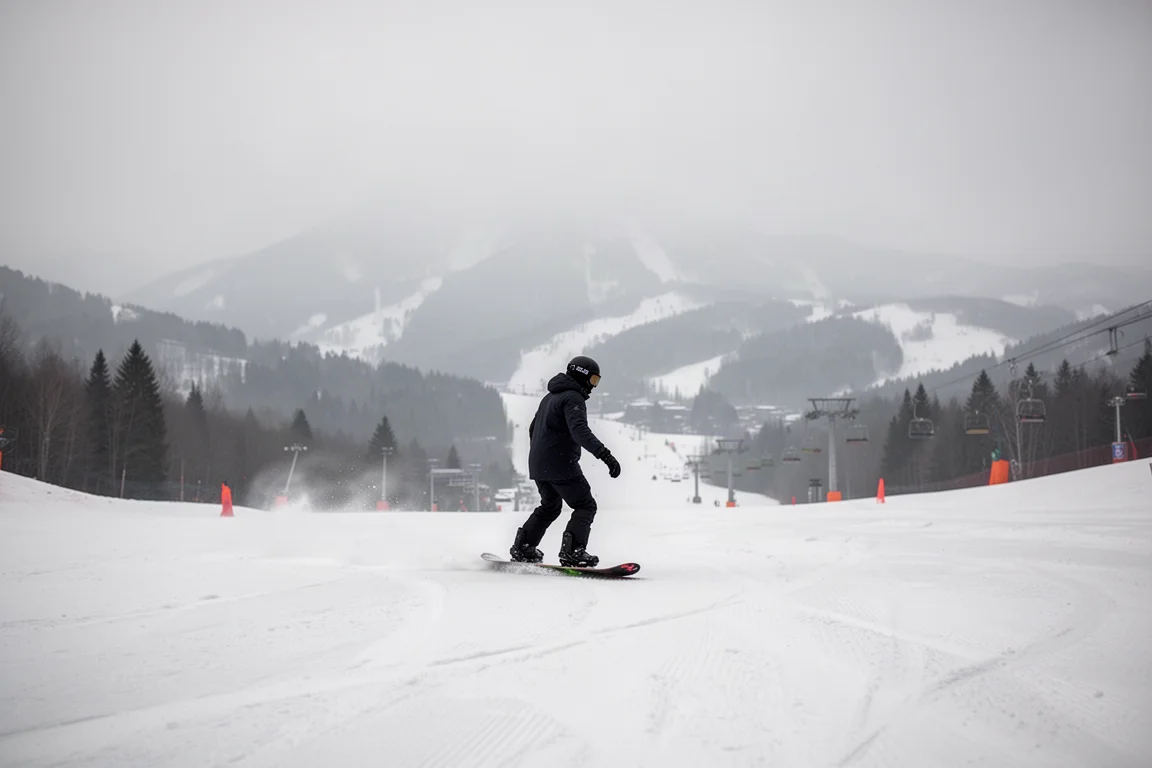
The taper is mellow enough that riding switch does not feel awkward, which makes the transition to a directional ride feel natural rather than jarring. Freeriding and general all-mountain riding are where it belongs, not the terrain park.
Flex and Feel
Out of the wrapper, overall flex sits around the middle of the road, possibly slightly softer, and it will likely break in softer over time. Torsionally it is on the softer side, since it relies on a straightforward wood core without a stack of stiffening agents. That makes it easy to foot steer, and the flex is nice and fluid from nose to tail thanks to the full camber profile.
Stability and Speed
This is a cruising-speed board, not a hard-charging one. It runs on the damper side and feels stable and comfortable at intermediate speeds, the kind of pace where you can ride all day, including cruising with the family.
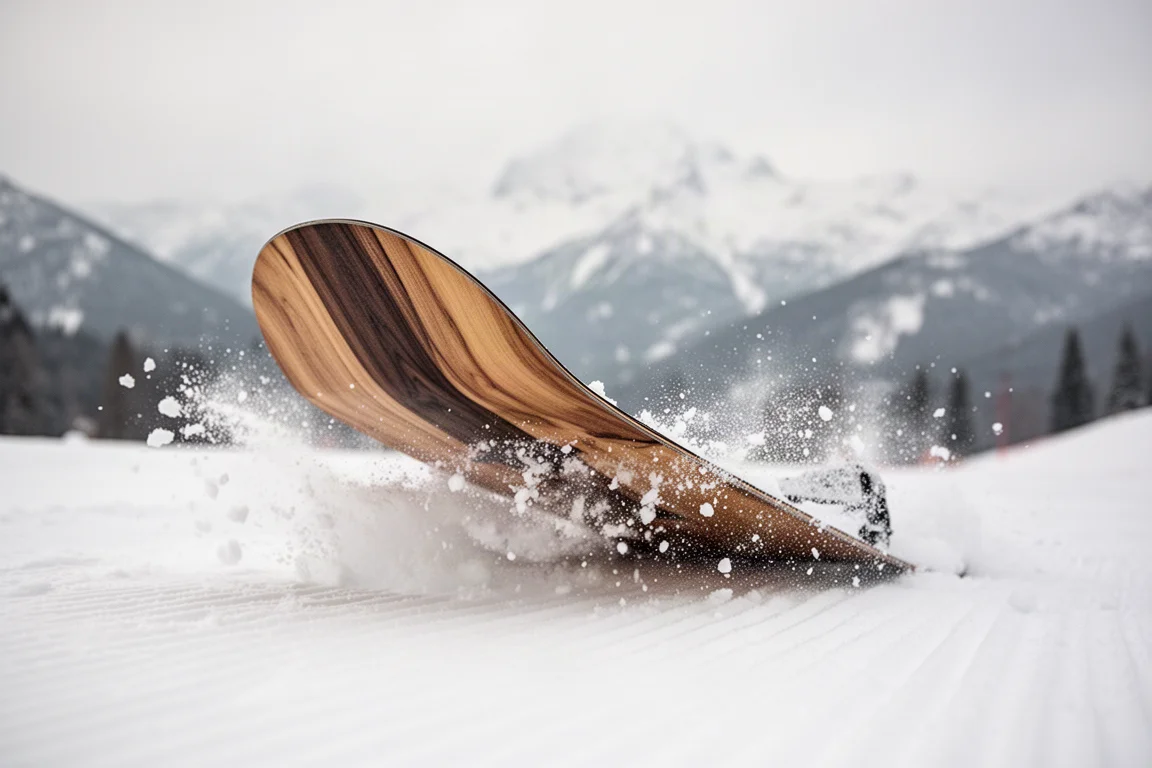
If you start hauling and truly charging, you will notice some vibration in the nose, since the construction does not have the extra stiffening to hold the board rock solid at mach speed. Riders who want that kind of performance should look at a stiffer option instead.
Ollies and Pop
Loading the tail for an ollie over a roller was a little underwhelming: the tail feels slightly dead and does not deliver a huge spring. That said, the pop it does have is predictable and does not shoot you off in unexpected directions.
That makes it genuinely good for riders learning side hits and working on their ollie technique. If your goal is launching big air off every feature on the mountain, you will want something beefier.
Butters and Presses
Buttering is where the fluid nose-to-tail flex pays off. You do not have to shift much weight past the tail; keep it at the contact point and the board presses almost by itself. The tail wants to load up slightly, but do not expect a big spring out of it.
Spinning out of tail presses or tail butters takes a bit of extra effort. The nose behaves similarly but gives a touch more spring thanks to its slightly larger surface area. Overall it is fun and low-effort, ideal for a rider learning butter tricks as they progress.
Carving Performance
Carving is comfortable, especially at cruising to lower speeds, and the board gets up on edge quickly for short, quick carves. Medium and larger carves are handled well too.
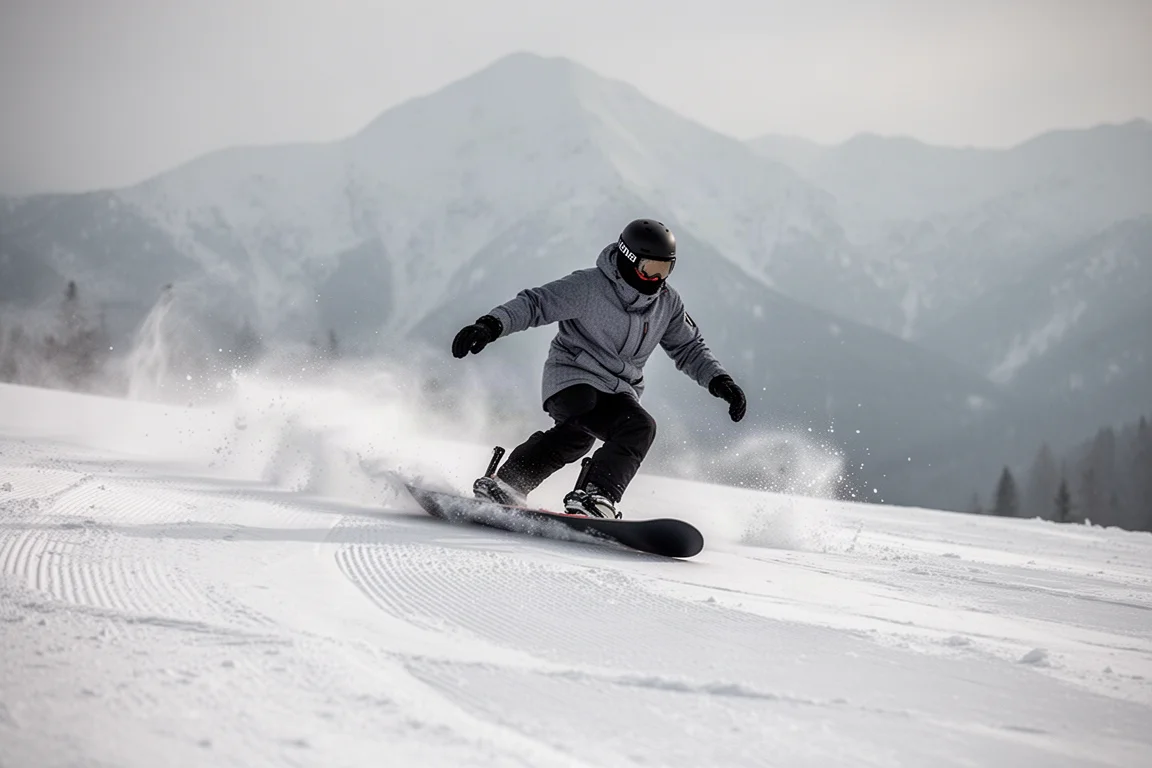
The main caution is power. Overpower the edge and the board will fold and lose its grip, and things can get squirrely if you charge. Stay at cruising speeds and it will hit every carve you ask of it, including euro carves.
Things to Consider Before Buying
The main trade-offs are clear. It is not built for high speeds or aggressive charging, the tail pop is modest for experienced trick hitters, and advanced riders may find it uninspiring. If you want a board that charges hard, look at options with more stiffening in the construction.
Buying Advice
For a beginner or progressing intermediate who wants a user-friendly directional board to freeride and all-mountain cruise on, the Sine Nomine is an easy recommendation. It is a nice change of pace from a twin or directional twin, with just enough taper for added float without feeling strange on switch.
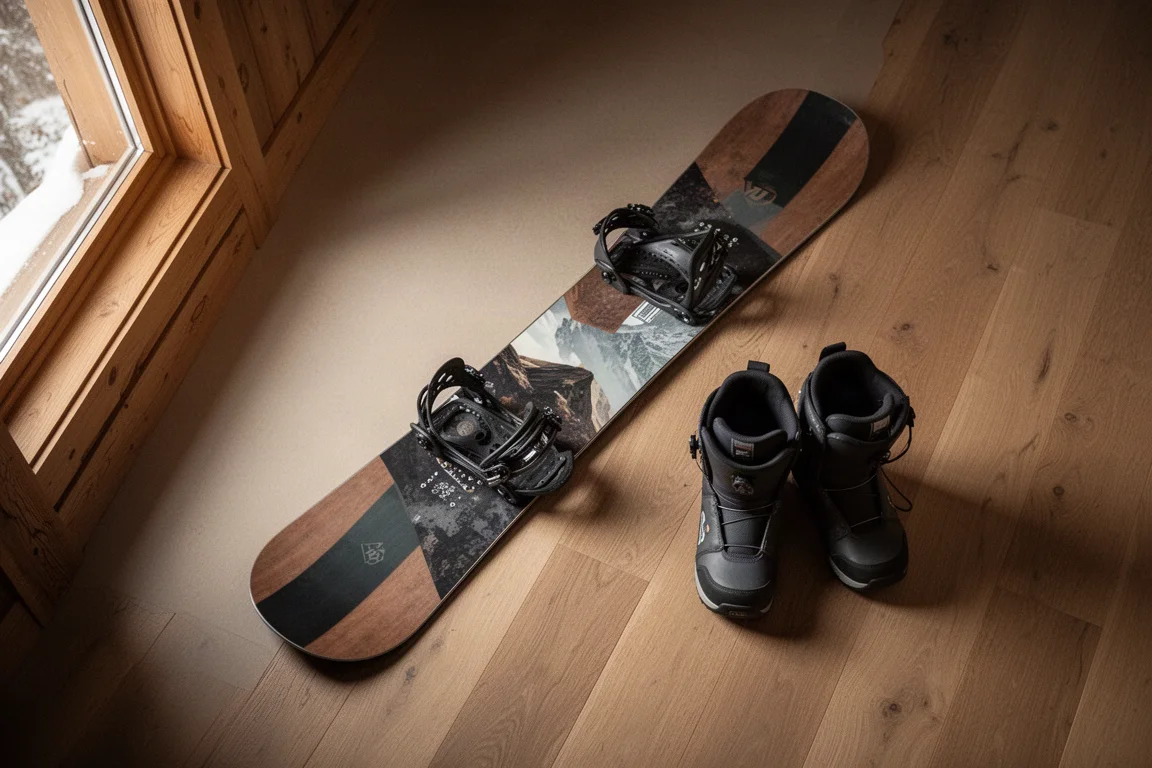
Comparable boards worth a look include the Ride War Pig and the Jones Frontier 2.0. For bindings, the Arbor Utility, Jones Mercury Phase, and Bataleon Blaster Asymmetrical Rip all pair well; the board was tested here with Ride Fuse boots and Jones Mercury Phase bindings.
Conclusion
The Arbor Sine Nomine is a friendly, predictable, camber-powered directional board that rewards cruising, comfortable carving, casual buttering, and first steps into side hits. It will not blow experienced riders away, but as a first directional board or a step up from a twin, it does exactly what it promises.
Product link
View more details for Arbor Sine Nomine
This product is mentioned in the review. Check the specifications, options, and compatibility before buying.
View more details for Arbor Sine NomineFurther reading
Related Reviews
Snowboards
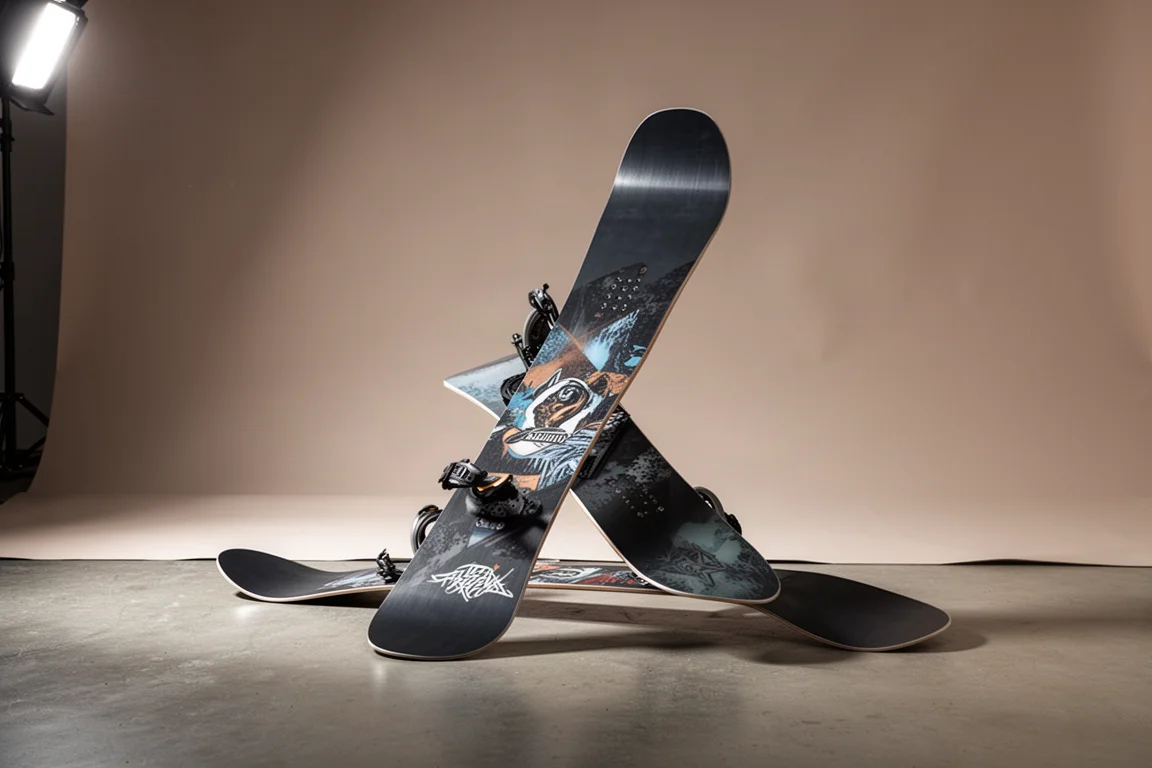
32 Middle Earth Scott Stevens Pro Model Snowboard Review: A Park Board With a Reversed Flex
A medium traditional camber park board with carbon V reinforcement that is stiffer in the tips and more playful between the feet. Here is how it rides and who it suits.
Snowboards
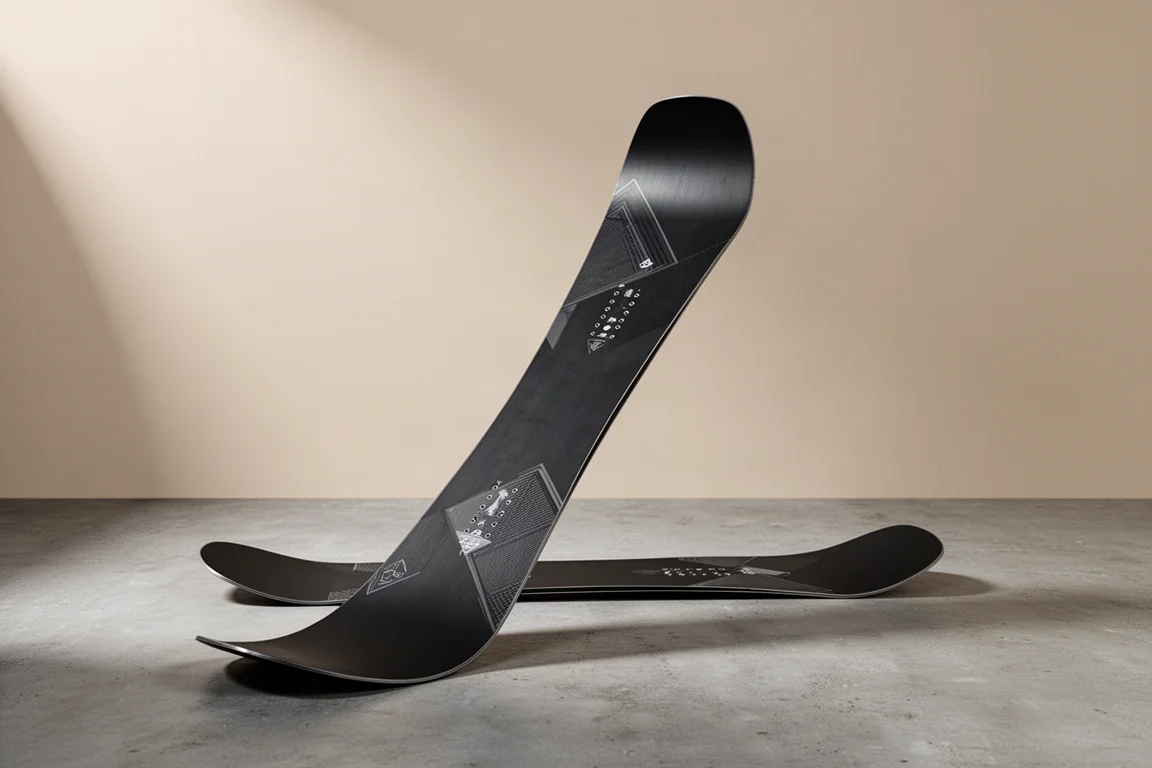
32 Snafu Review: A Directional All-Mountain Freestyle Board with Serious Pop
The 32 Snafu pairs a directional camber-rocker profile with a stiffening tail for powerful carves, big ollies, and a surprisingly damp ride.
Snowboards
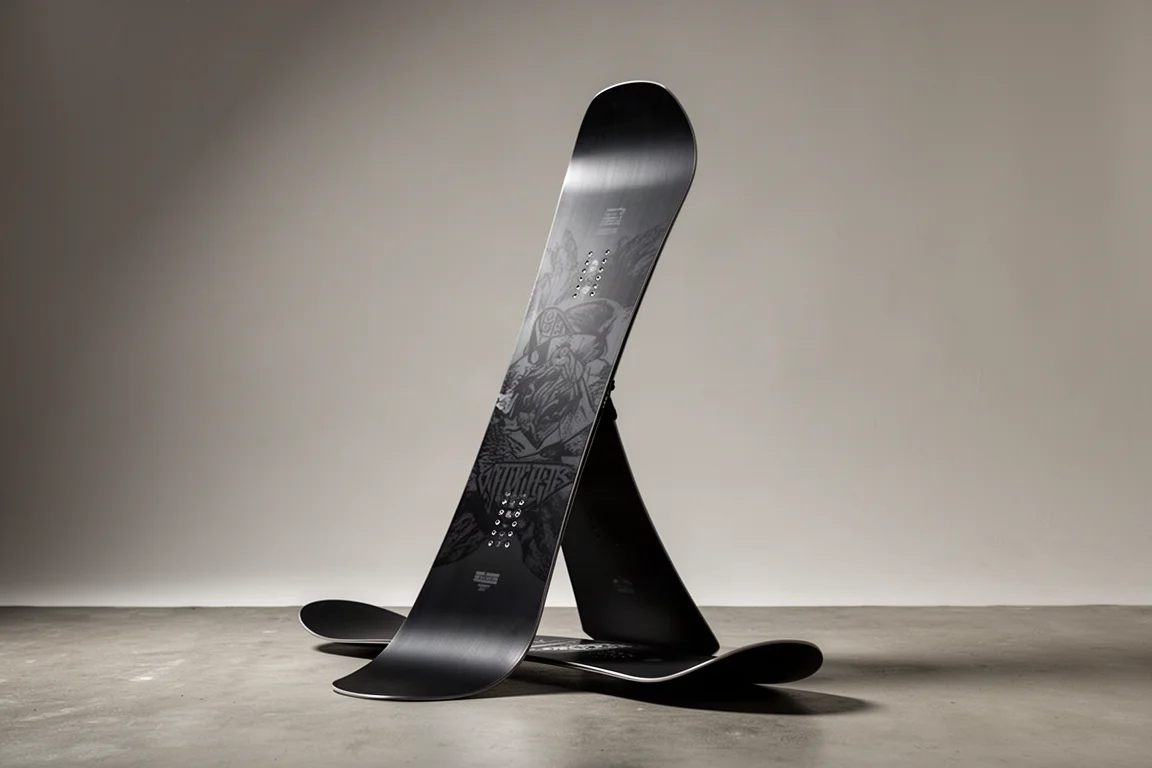
32 XXX Pat Fava Pro Snowboard Review: A Stiff Camber Beast for Hard-Charging Riders
A full-width traditional camber deck that rewards aggression with stability and edge power, but demands effort everywhere else.