Snowboards
Arbor Metal Machine Review: A Park Board With Real Groomer Bite
Mike Little's pro model pairs traditional camber with a surprisingly damp, carve-happy feel. Here is what to expect before you buy.
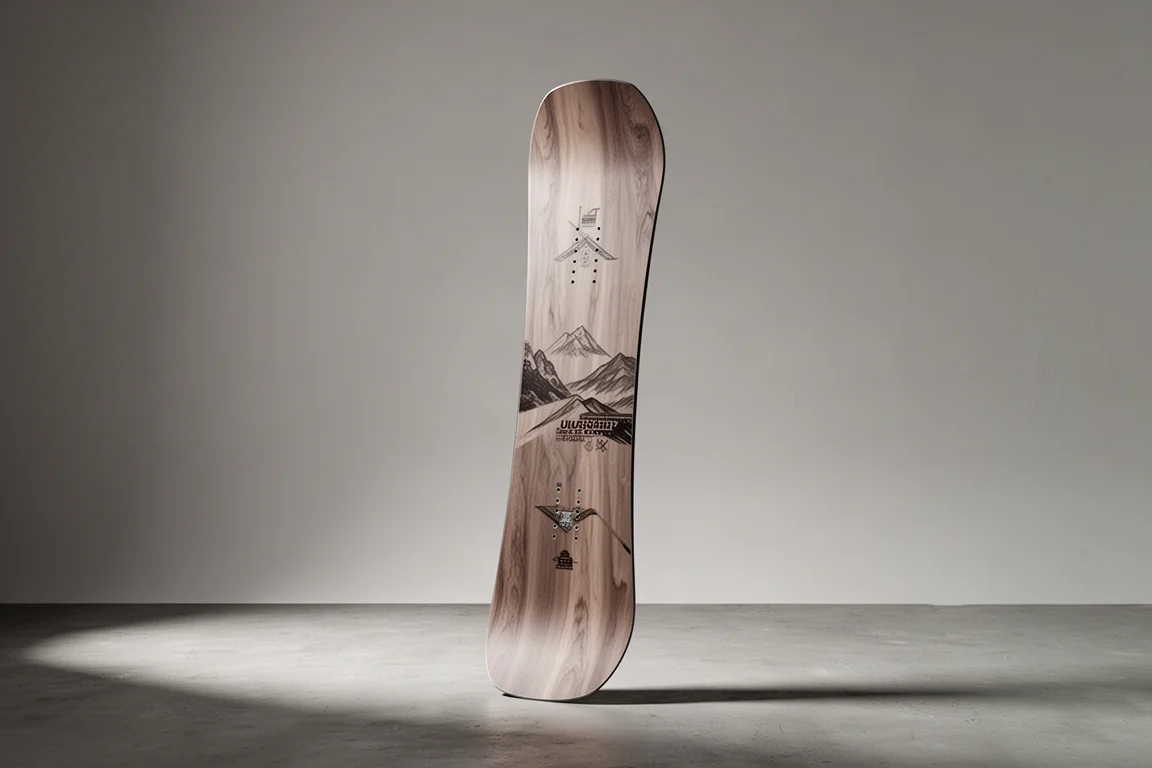
Introduction
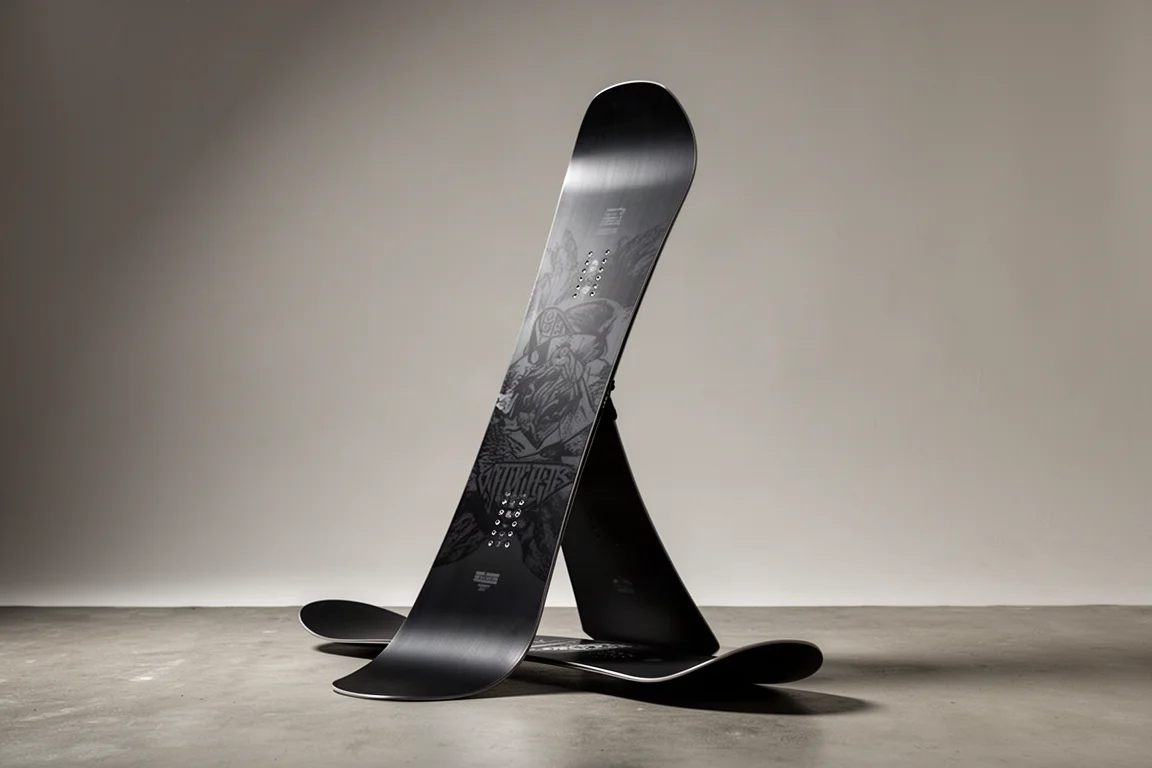
The Arbor Metal Machine is Mike Little’s pro model, and it arrives with a clear identity: a straight-up traditional camber profile from tip to tail. That means the same edge hold, the same pop, and the same feel whether you are riding regular or switch. It comes in 150, 153, and 156, so larger riders will need to look elsewhere.
I rode it on a sunny day with good groomers and a few chopped-up push piles, paired with Jones Mercury bindings and Ride Fuse boots. It quickly became clear this board has more beef than most park boards on the market, and that shapes nearly everything about how it rides.
Riding Impressions
The flex sits slightly stiffer than the middle of the road. Right out of the wrapper it leans toward the stiffer side, though it should break in after a while. The flex feels very fluid from tip to tail with no noticeable dead spots, and the torsional flex is a touch softer than the overall longitudinal flex, so it takes a little effort to steer but not an unreasonable amount.
Stability is where this board genuinely caught me off guard. For a park board, it carves surprisingly hard and feels remarkably damp. Icy patches and groomer chatter never pushed through the ash top sheet as intrusive micro vibrations, and it pushed straight through the push piles without complaint.
Ollies, Jumps and Pop
The Metal Machine ollies extremely well. Edge hold when taking off and landing is excellent, and the tail has a great snap when you load it. You do not need to wind it up like a day in advance: spot the takeoff, pop, and the board responds. Switch ollies feel exactly the same, so there is nothing to relearn.
On jumps, you can go as fast and pop as big as you want. The board felt stable enough that going bigger each hit felt natural. Approaching the lip or landing, the contact point really grips, so when you pop and spin you do not wash out. On landings it cuts through, sets the edge, and you are immediately back in control. If you land slightly back seat, the board still holds an edge for you.
Buttering, Presses and Jibs
Buttering requires shifting your weight to the tail or the nose, and at first the board kind of fights you. The sweet spot sits right at the contact point on both ends, and once you find it, it holds well. Because all that camber is loaded up, the board wants to snap you out of the butter, so hold on. That loaded camber makes it easy to spin out of butters, which is great if that is your thing.
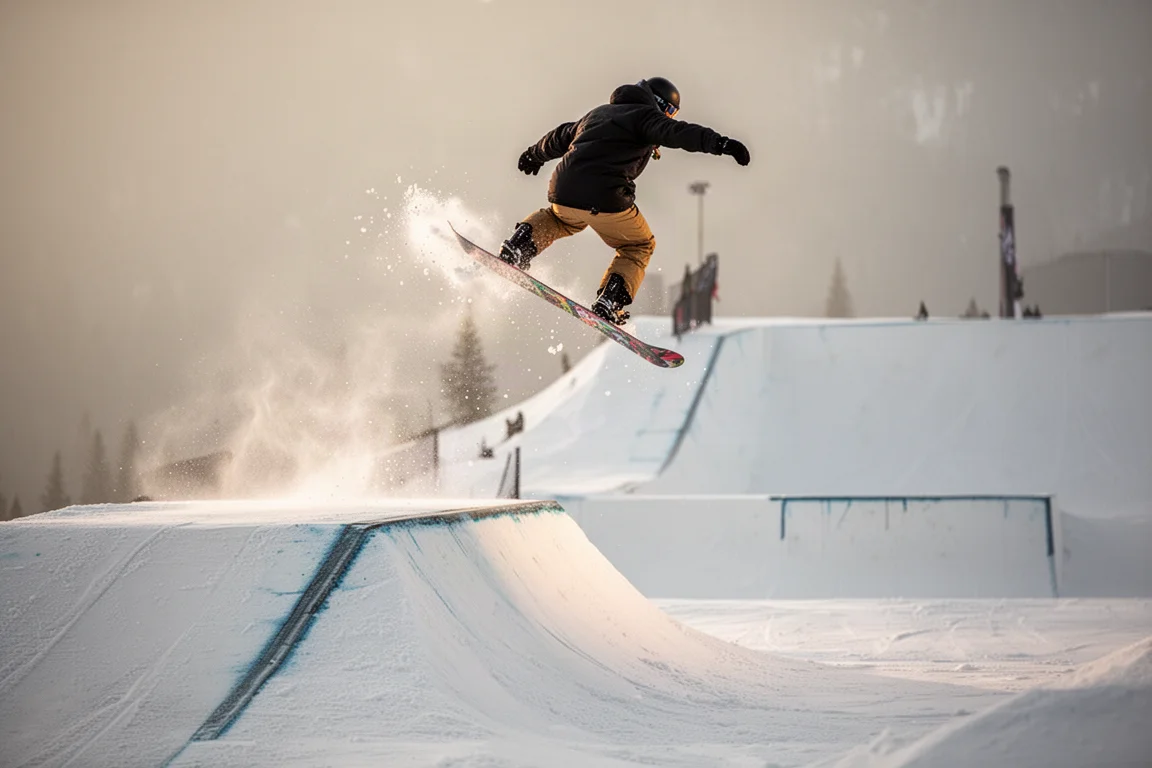
Tail presses and nose presses on rails and ledges follow the same pattern. It takes a little longer to find the sweet spot than I expected, since Mike is predominantly a rail rider in the Midwest and I anticipated a softer rail feel. When you do lock in, it grips well, and the full camber zone means wherever you land on the feature is where it wants to hold. It is not clanky either: when it lands on a rail it cradles the feature rather than springing you off. Just be aware that exiting a locked-in press, the board will want to snap you off, giving you a little extra time to spin.
Carving Performance
This is the standout surprise. For a true twin park board, it rips carves in a way you normally do not get without directional shape and taper. Short, quick carves to line up for rails or dodge that one skier cutting you off are handled with ease, and medium carves hold extremely well even in less than ideal conditions.
It did not skip over the push piles either. It kept its edge through them and simply motored along. The one caveat came on long, drawn-out carves, where a bit of heelside bite bucked me slightly. It never lost its edge and kept riding along, but riders with bigger boots should be aware of that. Euro carves? Feel free to put those edges down and send it.
Who This Board Is For
The rider in mind is not Mike Little himself, despite the name on it. This is a board for the advanced park rider who wants a little more substance underfoot. Take it to the big jump line or the larger rail feature line and it will step up to whatever you ask of it. If you want a park board that turns the whole mountain into a park, this is very much that kind of ride.
Things to Consider Before Buying
The size range caps out at 156, so bigger riders are out of luck. The stiffer-than-average flex takes some break-in time, and finding the butter and press sweet spots requires patience compared with softer park boards. On extended heelside carves there is a slight chance of catching your heels if your stance or boots push the limits. None of these are dealbreakers, but they are worth knowing.
Buying Advice
If you are comparing options, the boards with a similar character are the Ride Benchwarmer, the Capita Super DOA, and the K2 Hypnotist. For bindings, Arbor recommends the Arbor Hemlock, and the Jones Mercury and Union Force are also strong matches. If you want a camber-heavy park board that still rewards carving the whole mountain, the Metal Machine fits that brief very well.
Conclusion
The Arbor Metal Machine is my ideal kind of park board: it has a bit more beef than most, holds an edge even when you land back seat, and it genuinely rips. Carving it down the groomers was genuinely fun, side hits felt natural, and the whole mountain opened up as terrain. If you are an advanced park rider who wants traditional camber done right, this pro model deserves a spot on your shortlist.
Product link
View more details for Arbor Metal Machine
This product is mentioned in the review. Check the specifications, options, and compatibility before buying.
View more details for Arbor Metal MachineFurther reading
Related Reviews
Snowboards
32 Middle Earth Scott Stevens Pro Model Snowboard Review: A Park Board With a Reversed Flex
A medium traditional camber park board with carbon V reinforcement that is stiffer in the tips and more playful between the feet. Here is how it rides and who it suits.
Snowboards
32 Snafu Review: A Directional All-Mountain Freestyle Board with Serious Pop
The 32 Snafu pairs a directional camber-rocker profile with a stiffening tail for powerful carves, big ollies, and a surprisingly damp ride.
Snowboards
32 XXX Pat Fava Pro Snowboard Review: A Stiff Camber Beast for Hard-Charging Riders
A full-width traditional camber deck that rewards aggression with stability and edge power, but demands effort everywhere else.