Snowboards
Arbor GPS Snowboard Review: A Steep-terrain Charger With a Softer Side
Arbor's new pro model for Bryan Iguchi pairs system camber with Grip Tech and offset Uprise Fenders for a directional board that charges hard but stays approachable.
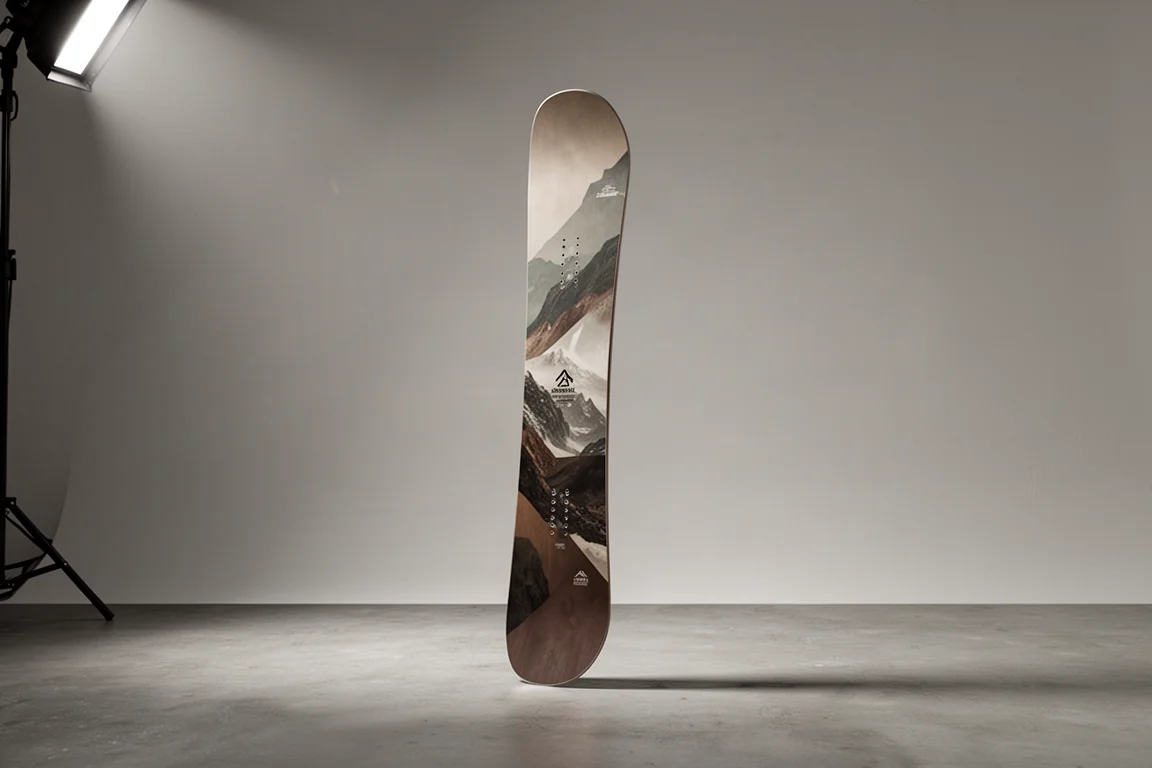
Introduction
The Arbor GPS is the new pro model built for Bryan Iguchi, and it arrives with a clear mission: be a big, steep-terrain freeride board that still lets you feel what is happening under the snow. That last part matters more than it sounds. Many big-mountain boards isolate you from the terrain; this one is designed to keep you connected.
Who This Board Is For
This is a board for the hard-charging freeride rider. It is fully directional with a progressive flex that runs softest at the nose and stiffens all the way back to the tail, so it is built for riding lines that demand commitment. The trade-off is that it is not the board for everyone. Riders looking for a playful, jib-friendly deck or a forgiving all-mountain cruiser should look elsewhere.
What makes it interesting is that it is more approachable than its reputation suggests. It does not feel like a full-blown stiff plank, and it is noticeably friendlier than the Arbor Annex it effectively replaces. If you want to lay carves and charge steeps without fighting the board all day, this sits in a very sweet spot.
On-Snow Test Conditions
The board was tested at Copper Mountain on a day that covered nearly every surface type: gray skies with pockets of blue, falling snow, wind, chop and chunder, a couple of inches of leftover powder, firm fast corduroy, icy corduroy, and scraped-off corduroy. That mix is exactly the kind of variety a freeride board has to handle, and the GPS saw all of it in a single session.
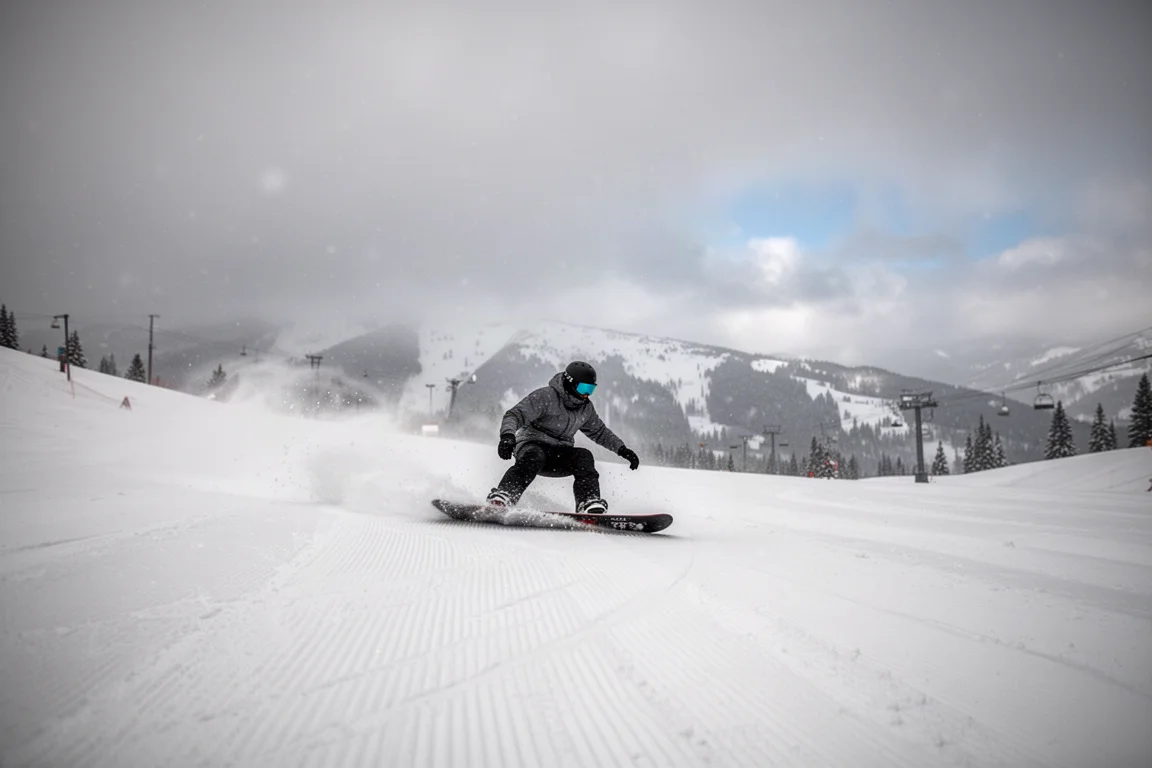
Ridden with Rome Black Label bindings and K2 Thraxis boots, the setup gave a solid, responsive feel that let the board’s characteristics come through clearly.
Construction and Design
The GPS combines three elements of Arbor’s board technology. System Camber with 3D shaping delivers the load, pop, snap, and drive you expect from a cambered deck. The offset Uprise Fenders change how the board engages into and out of turns and how it floats in powder. Grip Tech underfoot adds extra edge grip while you are locked on a rail.
That combination is what makes the board work in both directions. The camber gives you the power and response for steep terrain, while the fenders and contact-point shaping keep turn initiation smooth off the front foot.
Flex and Stability
The nose is not overly soft. It will not fold on you, and it plows through chop and chunder with relative ease. Torsional flex is fairly mild: the board can twist, and it wants to return to shape without an aggressive rebound, which makes subtle ankle-steering possible.
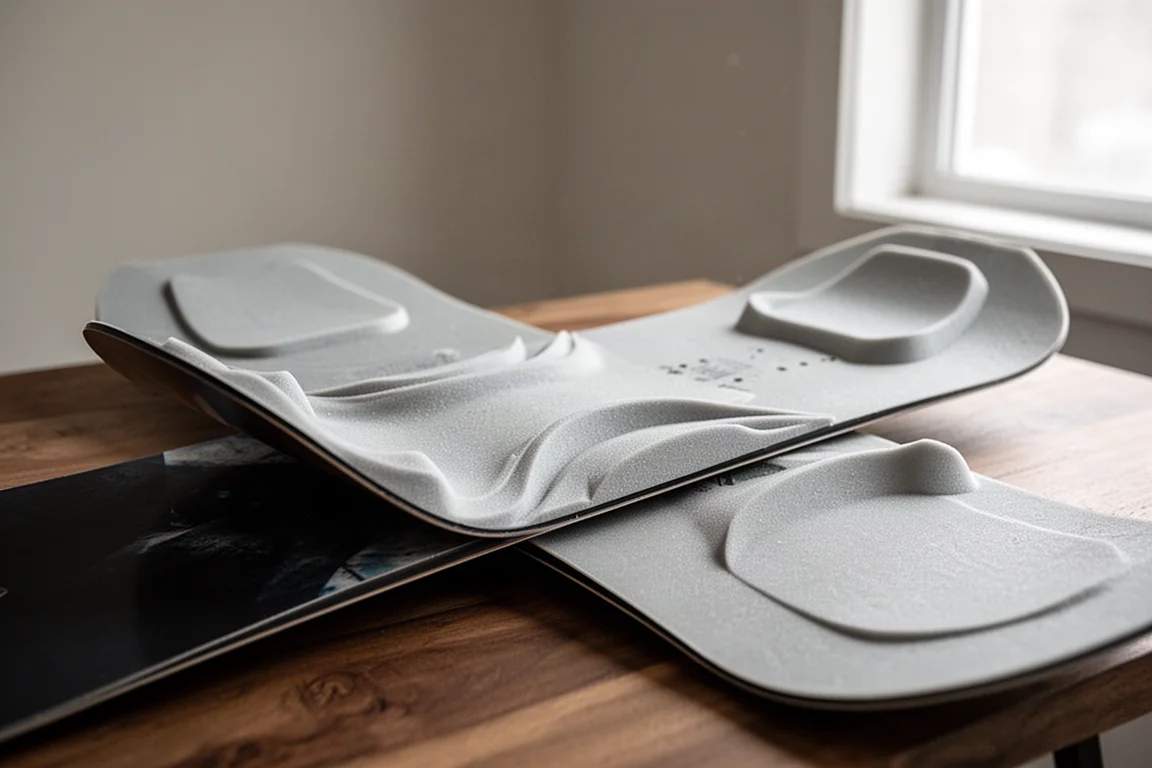
One thing to know before buying: this is not a damp ride. Everything you hit reverberates back underfoot. Straight-lining an icy chute or a groomer littered with death cookies, you will feel the vibrations. That liveliness is intentional. Since this deck is designed to be a big, steep Alaska-style board, you want to feel what is underneath fresh snow or snow that has been setting up for a couple of days. You get that feedback here, but comfort-minded riders should be aware of it.
Pop and Ollie Feel
On a firm groomer, popping takes effort. You load up the camber, roll back, and find the sweet spot a couple of centimeters from the contact point, right where the Uprise Fender sits. When you do engage it properly, what you put in is what you get out. Do not expect to boost to the moon; the higher and faster you are going, the further it sends you.
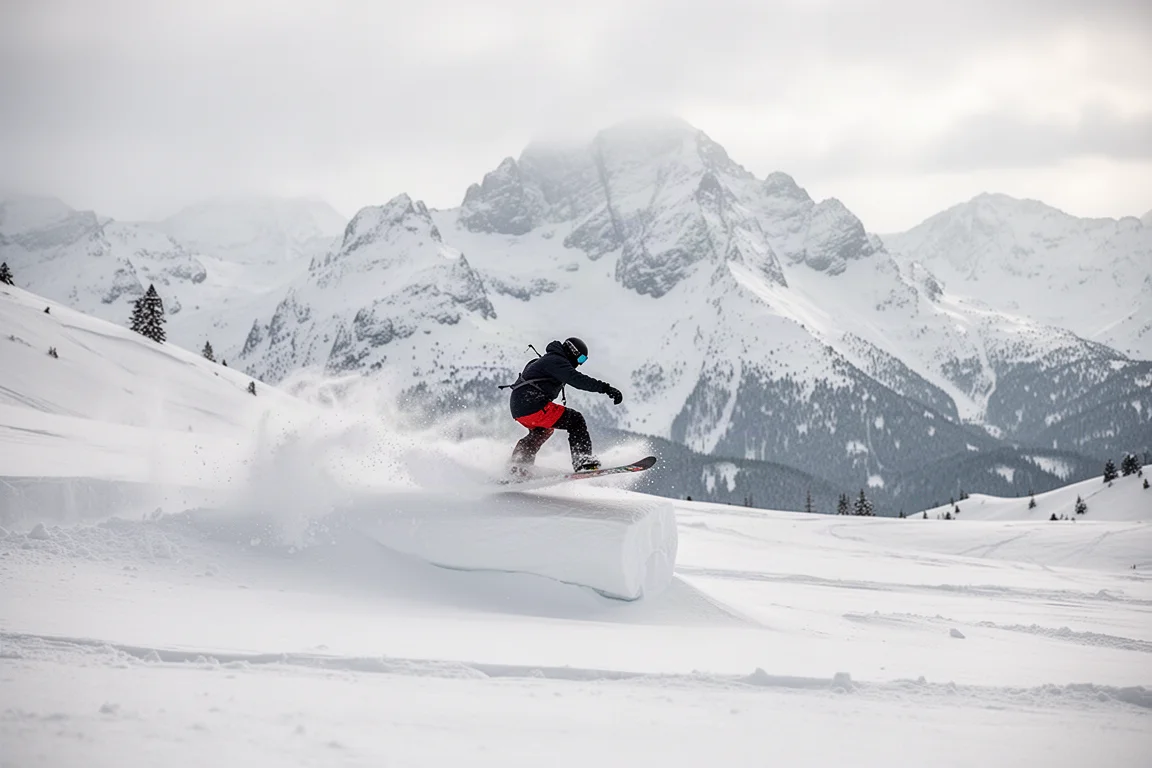
The standout is popping in fresh snow. Engagement is easier in powder, even hot pow, and the rebound is better, letting the board porpoise through deep snow with less effort. It is a subtle nuance, but it makes sense for what the deck is designed for.
Carving Performance
This was the most fun aspect of the board. The offset Fender raises the contact point for smoother initiation off the front foot, then Grip Tech engages and you can ankle-steer the board. Short, tight, quick carves are easy and nuanced with minimal ankle flexion. Medium, mellow carves are no problem at all.
When you want to power a carve and lay a trench, you can drive your back knee into the center of the camber section, push off the tail, and extract serious power. Transitioning from toe edge to heel edge is remarkably fluid: the rear offset Fender disengages the lock-in so pressure shifts stay underfoot, letting you swap edges faster. The board sticks in chopped-out terrain, on ice, and on perfect corduroy alike.
Who This Board Is For
The ideal rider here is someone who spends time on steep, big-mountain lines and wants a board that charges hard but communicates. The real test for most buyers is whether you can live with the ride feedback and the ollie effort on firm snow. If your days are mostly deep powder and steep faces, neither will bother you much.
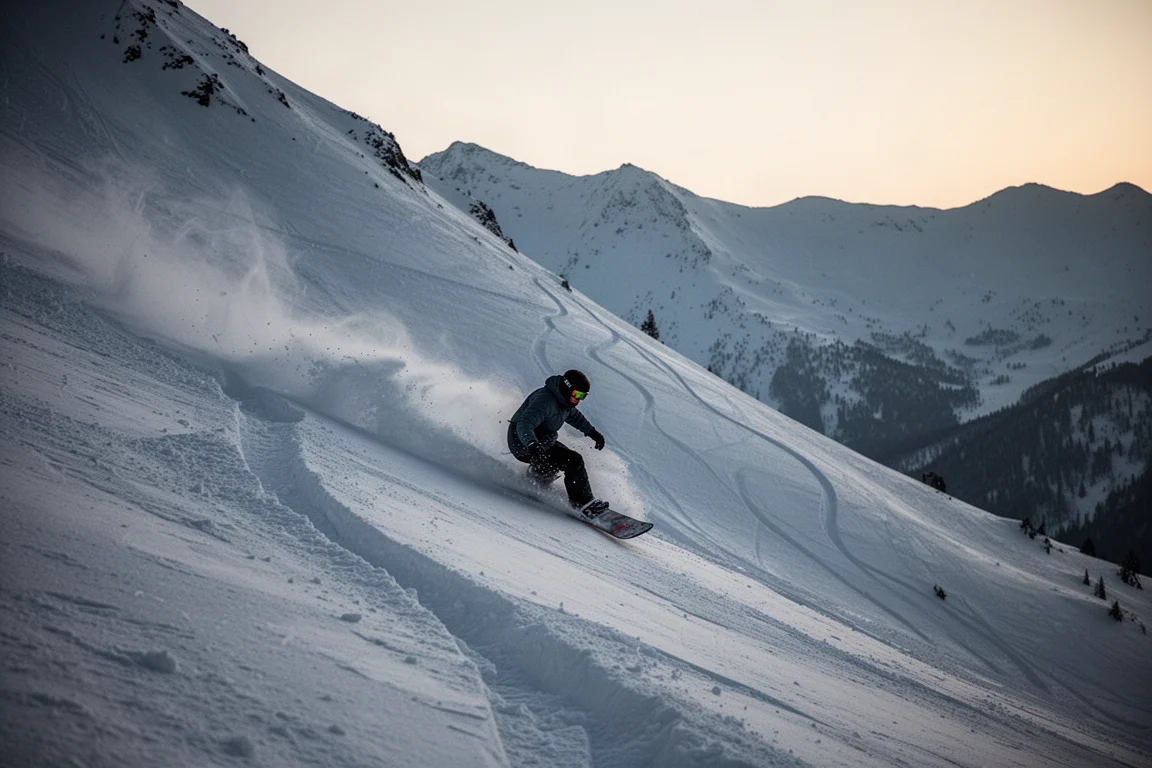
If you spend a lot of time crossing resorts on groomers and popping off rollers into patches, the pop limitation will show up more often. Within its intended category, though, the positioning feels right, and plenty of riders are going to enjoy this deck.
Buying Advice
If the GPS sounds like your kind of board, compare it directly against its natural rivals: the K2 Alchemist, the Capita Black Snowboard of Death, and the Jones Flagship Pro. If you want alternatives with a similar character, Arbor’s own Cyprus, the Rome Cleaver, and the K2 Program are worth a look. Size availability runs from 156 up through 158W, 159, 162, and 163 mid-wide, so there is room for most riders to find a fit.
Conclusion
The Arbor GPS turns out to be more approachable than a stiff big-mountain charger has any right to be. It locks carves in across ice, chunder, and perfect groomers, floats and pops well in powder, and gives you the terrain feedback a steep-riding deck should. The pop payoff on firm snow and the lively, undamped ride are the main things to accept before buying. For hard-charging freeride riders, it is a genuinely fun board that earns its spot in the line.
Product link
View more details for Arbor GPS
This product is mentioned in the review. Check the specifications, options, and compatibility before buying.
View more details for Arbor GPSFurther reading
Related Reviews
Snowboards
32 Middle Earth Scott Stevens Pro Model Snowboard Review: A Park Board With a Reversed Flex
A medium traditional camber park board with carbon V reinforcement that is stiffer in the tips and more playful between the feet. Here is how it rides and who it suits.
Snowboards
32 Snafu Review: A Directional All-Mountain Freestyle Board with Serious Pop
The 32 Snafu pairs a directional camber-rocker profile with a stiffening tail for powerful carves, big ollies, and a surprisingly damp ride.
Snowboards
32 XXX Pat Fava Pro Snowboard Review: A Stiff Camber Beast for Hard-Charging Riders
A full-width traditional camber deck that rewards aggression with stability and edge power, but demands effort everywhere else.