Snowboards
Arbor Formula System Rocker vs Camber: Which Resort Twin Suits You?
A practical comparison of the Arbor Formula System Rocker and System Camber, covering Grip Tech edges, biax glass flex, stance options, and which profile matches your riding.
Introduction
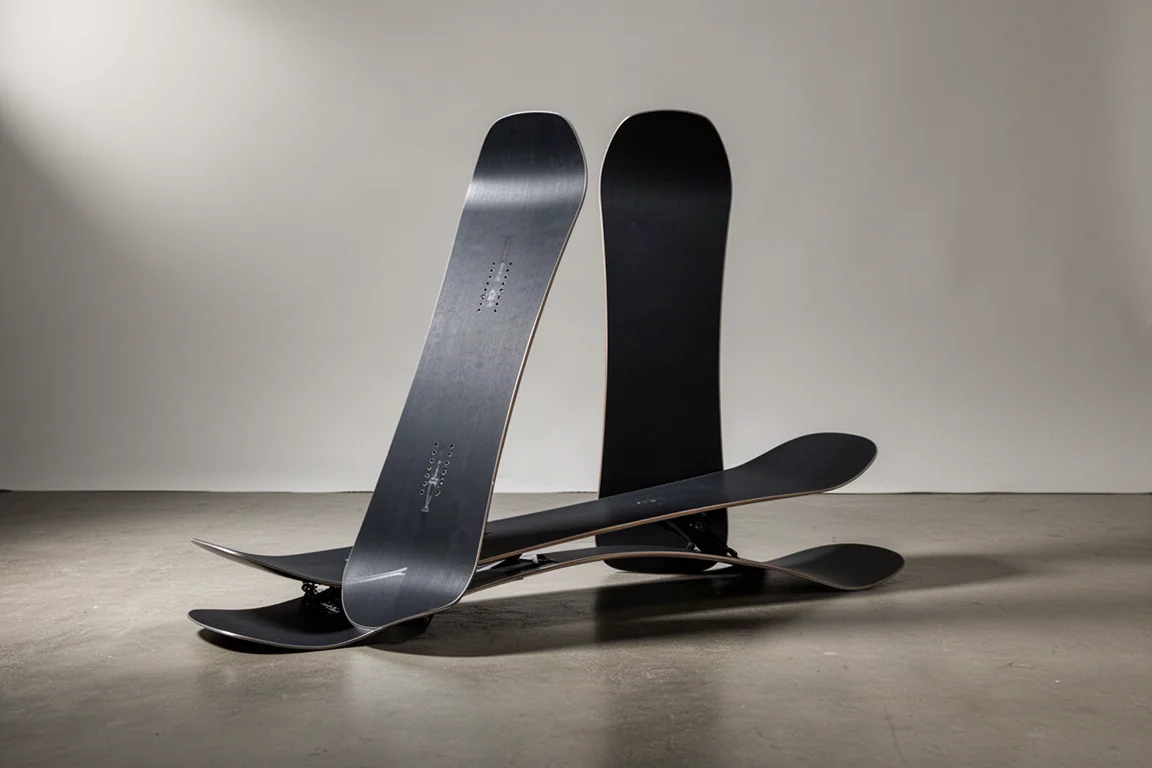
The Arbor Formula System is a resort twin built around a simple idea: one shape, two profiles. The Rocker version and the Camber version share the same outline, the same edge technology, and the same fiberglass layup, so the decision comes down to how you want the board to feel underfoot rather than which features you get.
Both boards are aimed at riders who spend most of their time across the resort rather than in a dedicated park line. They arrive centered at the reference stance, which suits a twin-tip, switch-friendly approach, and the stance can be moved back when you want a slightly more directional feel for a given day. That flexibility makes either version a reasonable single-board choice for a wide range of resort riding.
This comparison walks through the shared construction, what separates the two profiles, and how to decide which one matches your style.
What Both Arbor Formula System Boards Share
Grip Tech is the headline feature on both versions. Along the contact points, the edge extends slightly beyond the radius of the sidecut. The result is more pressure under the toe and heel through a turn, which translates into better grip. On firm, hardpacked, or variable snow that extra bite is noticeable, and it is part of why a rocker board with Grip Tech can still hold a confident turn.
Both boards use a biax glass layup, with the glass weave running at 0 and 90 degrees. That construction keeps the board relatively soft in torsion, so you can twist it through a turn and change the turn radius as you go. It also makes the ride playful: the board responds well to foot steering and small inputs rather than demanding a heavy, centered, driven style. Boards built with mixed glass layups tend to feel more technical and more centered by comparison.
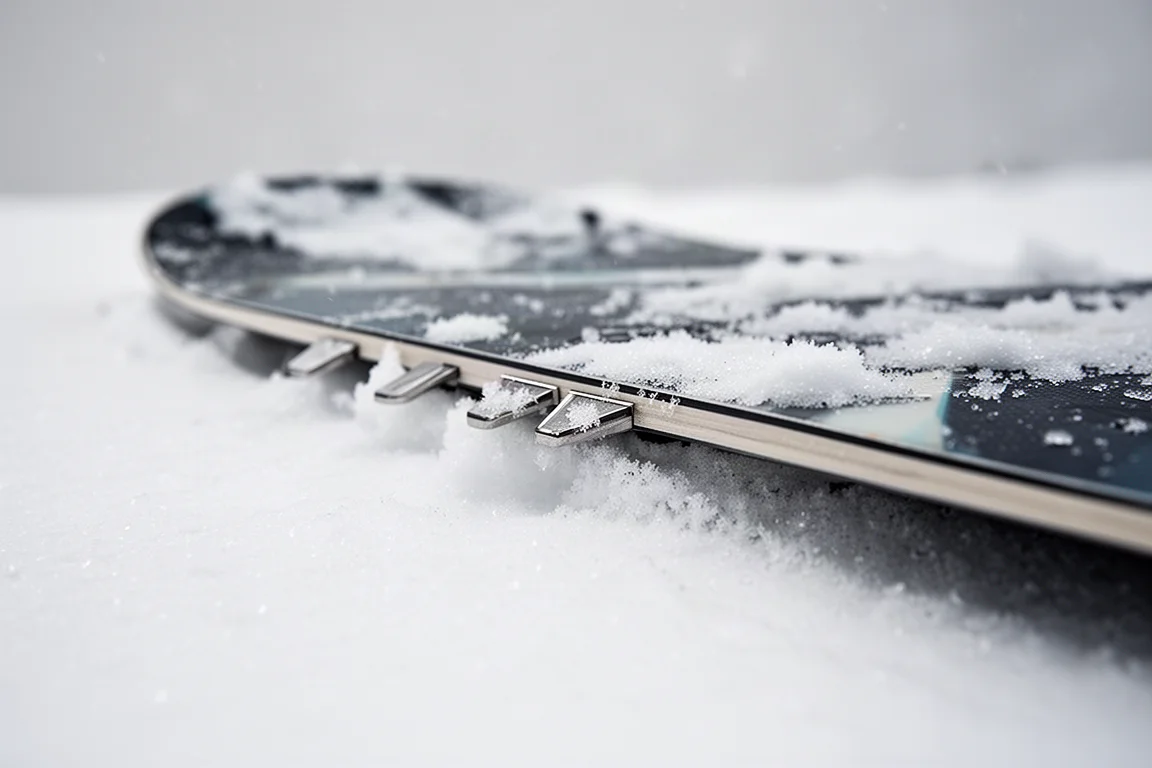
The flex is an even medium, which keeps the board approachable in mixed conditions without feeling vague. There is plenty of pop stored in the profile for ollies and natural features, and the edge material is recycled.
Arbor Formula System Rocker: Loose, Playful, Trick-Friendly
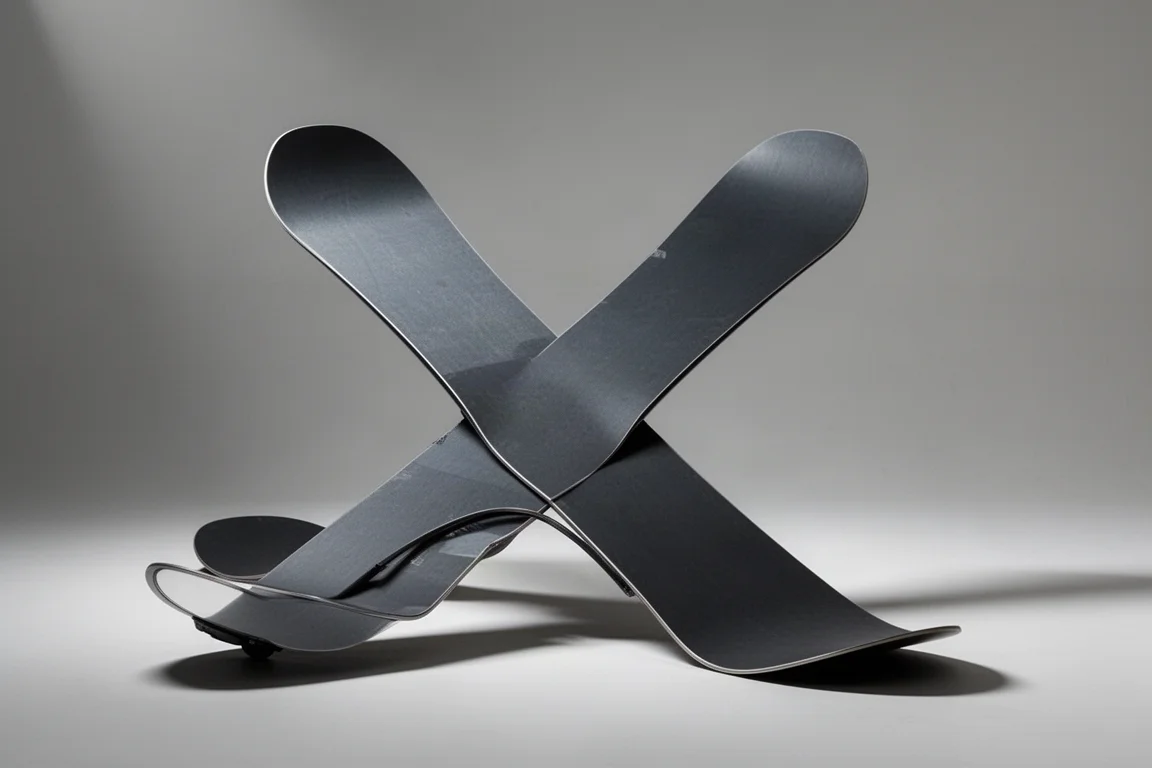
Set the Rocker version on a flat surface and it barely touches: contact happens in the middle, with the tip and tail lifting away. That is the classic rocker signature, and it shows up on snow as a looser, more easygoing ride. The Rocker suits riders who want a forgiving board, a slightly more trick-oriented feel, and a shape that stays relaxed when the snow gets chopped up or soft.
That said, the Rocker does not ride like a vague, detached rocker. In a 153 cm length on variable, firm eastern snow, it turned and held an edge far better than the profile alone would suggest, largely because Grip Tech puts pressure back where it matters under the feet. Riders who normally avoid rocker because of the loose feel may find this one more composed than expected.
Arbor Formula System Camber: More Drive Underfoot
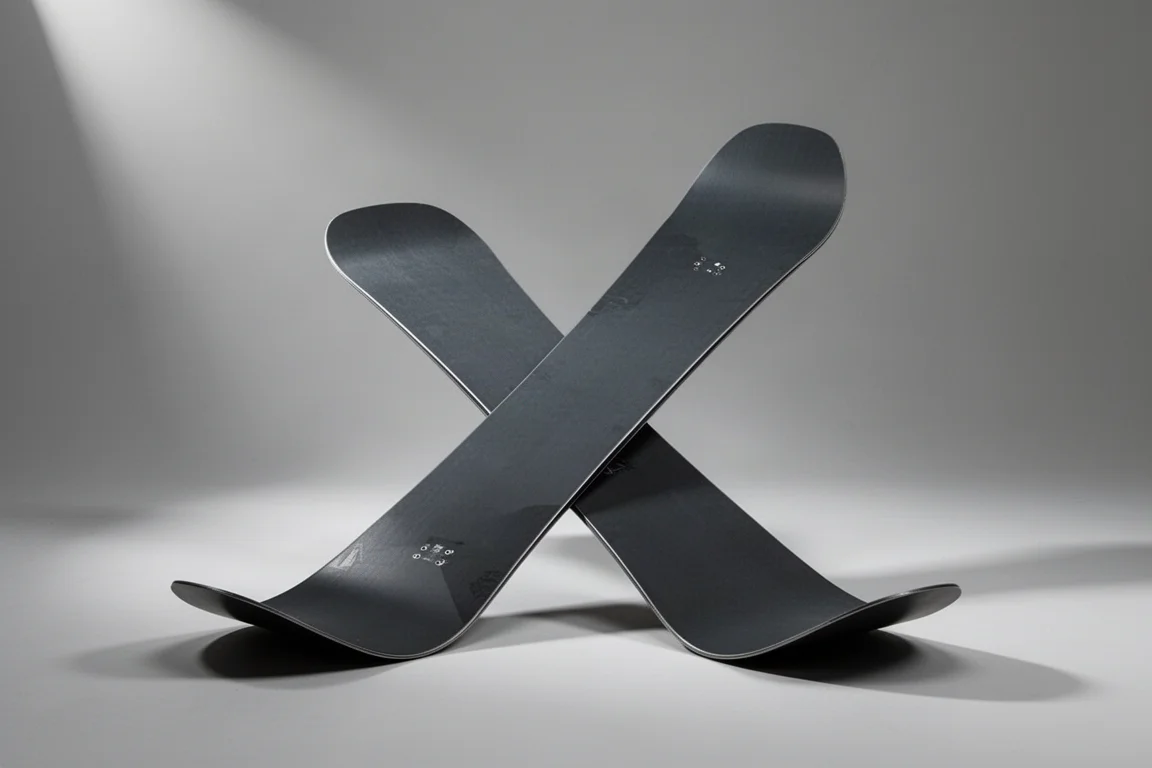
The Camber version keeps the same shape, edges, and glass layup, but changes the feel completely. Camber loads the board between the feet, so it delivers more drive, a stronger carve, and a more solid, planted sensation underfoot. If you know what you want from a board and you like the feeling of energy coming out of a turn, this is the version to look at.
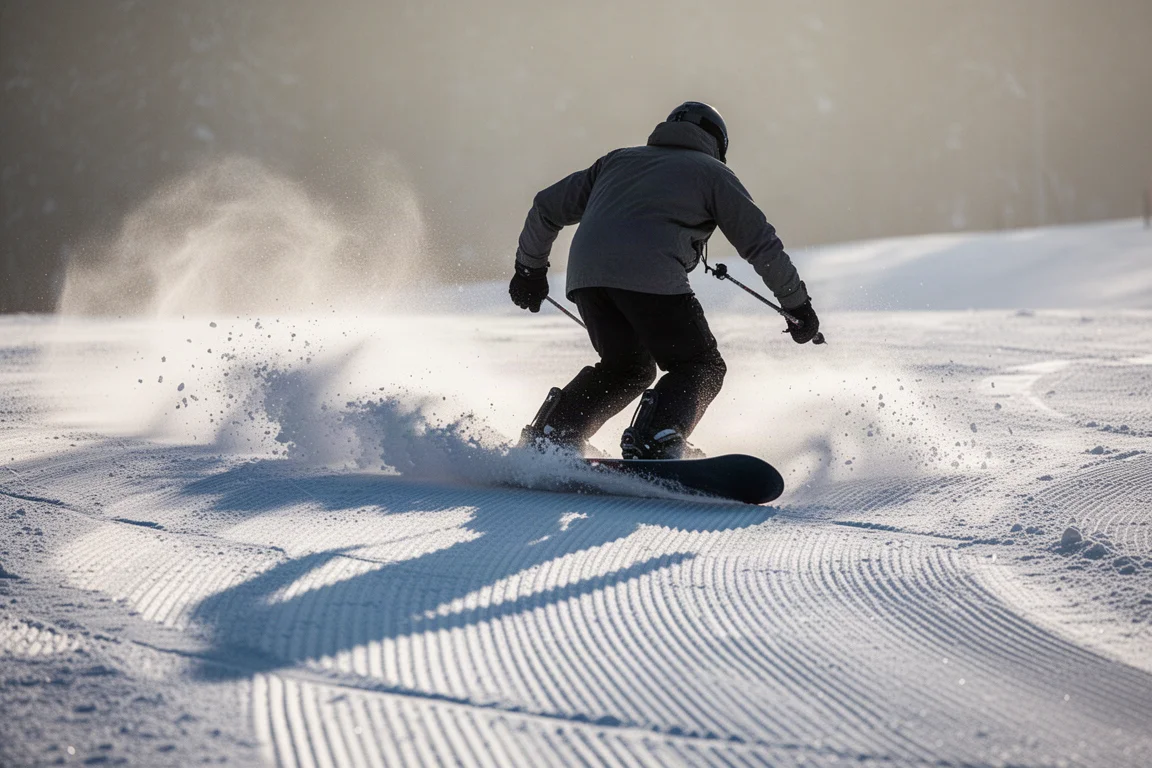
Because the biax glass keeps the board soft in torsion, the Camber is not a stiff, demanding ride. It is more driven than the Rocker, but it still allows the board to be twisted and worked through a turn, so it stays playful enough for a resort twin rather than turning into a dedicated carving machine.
Twin Shape, Stance, and Flex
Both versions are true twins and are positioned as resort mountain twins rather than park-only decks. They ship centered at the reference stance, which is the natural setup for riding switch and keeping the feel symmetrical. If you want a more directional feel for a given day, you can move the stance back while keeping the twin shape.
The medium, even flex and the torsional softness from the biax glass work together here. The board is stable enough to ride the whole mountain, yet it stays maneuverable at lower speeds and easy to steer with your feet rather than your whole body.
Grip Tech and Edge Hold in Variable Snow
Grip Tech matters most when conditions are less than perfect. The extended edge section gives you more pressure under the toe and heel, so even on harder or inconsistent snow the board can hold a clean turn. This is the detail that makes the Rocker version usable for riders who want a looser profile but are not willing to give up edge hold.
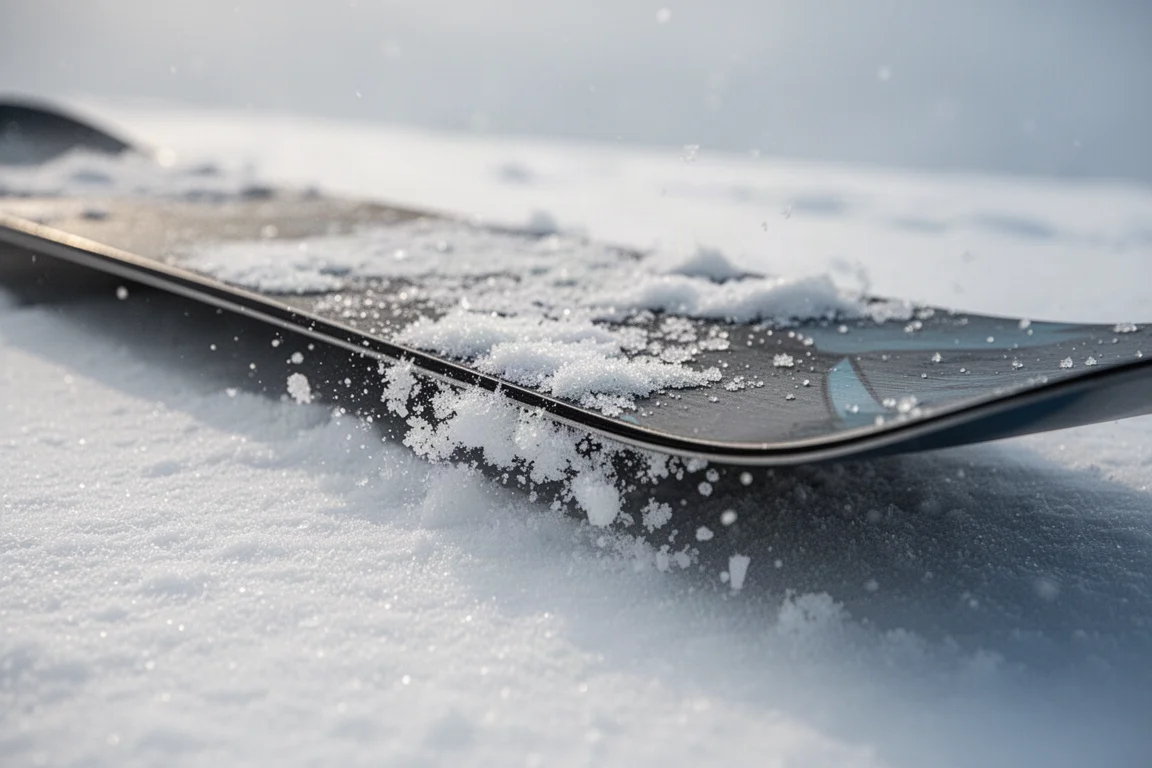
In practice, that combination is what makes both boards feel more versatile than their profiles suggest. A rocker board that holds an edge opens up firmer snow, and a camber board that stays soft in torsion remains manageable when you are not riding at full commitment.
Rocker or Camber: Which Fits Your Riding?
The decision is straightforward once you separate the profiles from the rest of the package. Choose the Rocker if you want an easygoing, looser, more playful board with a trick-oriented feel and a forgiving ride. Choose the Camber if you want more drive, a stronger carve, and a more solid feeling underfoot, and you are comfortable with a board that asks a little more from your input.
Everything else is shared. Both versions have the same Grip Tech edges, the same biax glass, the same medium flex, and the same twin outline with an adjustable stance. You are not giving up edge hold by choosing the Rocker, and you are not giving up playfulness by choosing the Camber.
Buying Advice Before You Commit
Match the profile to your default style rather than the conditions you ride once a season. Riders who spend their days cruising, playing with side hits, and riding switch will get more out of the Rocker. Riders who want energy out of every turn and a planted feel at speed will prefer the Camber.
Value is worth weighing as well. The Formula System is a well-regarded shape with a feature set that goes beyond a basic twin, and the price point is the one thing to check against your budget before you decide. If the profile fits how you ride, the construction makes either version a sensible long-term resort board.
Conclusion
The Arbor Formula System Rocker and System Camber are two versions of the same resort twin, and the choice between them is about feel rather than features. Pick the Rocker for a loose, playful, forgiving ride, or the Camber for drive, carve, and a more solid platform. Either way, Grip Tech edges, a biax glass layup, and a medium flex keep the board versatile across the mountain.
Further reading
Related Reviews
Snowboards
32 Middle Earth Scott Stevens Pro Model Snowboard Review: A Park Board With a Reversed Flex
A medium traditional camber park board with carbon V reinforcement that is stiffer in the tips and more playful between the feet. Here is how it rides and who it suits.
Snowboards
32 Snafu Review: A Directional All-Mountain Freestyle Board with Serious Pop
The 32 Snafu pairs a directional camber-rocker profile with a stiffening tail for powerful carves, big ollies, and a surprisingly damp ride.
Snowboards
32 XXX Pat Fava Pro Snowboard Review: A Stiff Camber Beast for Hard-Charging Riders
A full-width traditional camber deck that rewards aggression with stability and edge power, but demands effort everywhere else.