Snowboards
Arbor Formula Review: A Redesigned Progression Board Worth a Look
The redesigned Arbor Formula pairs system camber with Grip Tech contact points, delivering a consistent, playful ride for progressing snowboarders.
Introduction
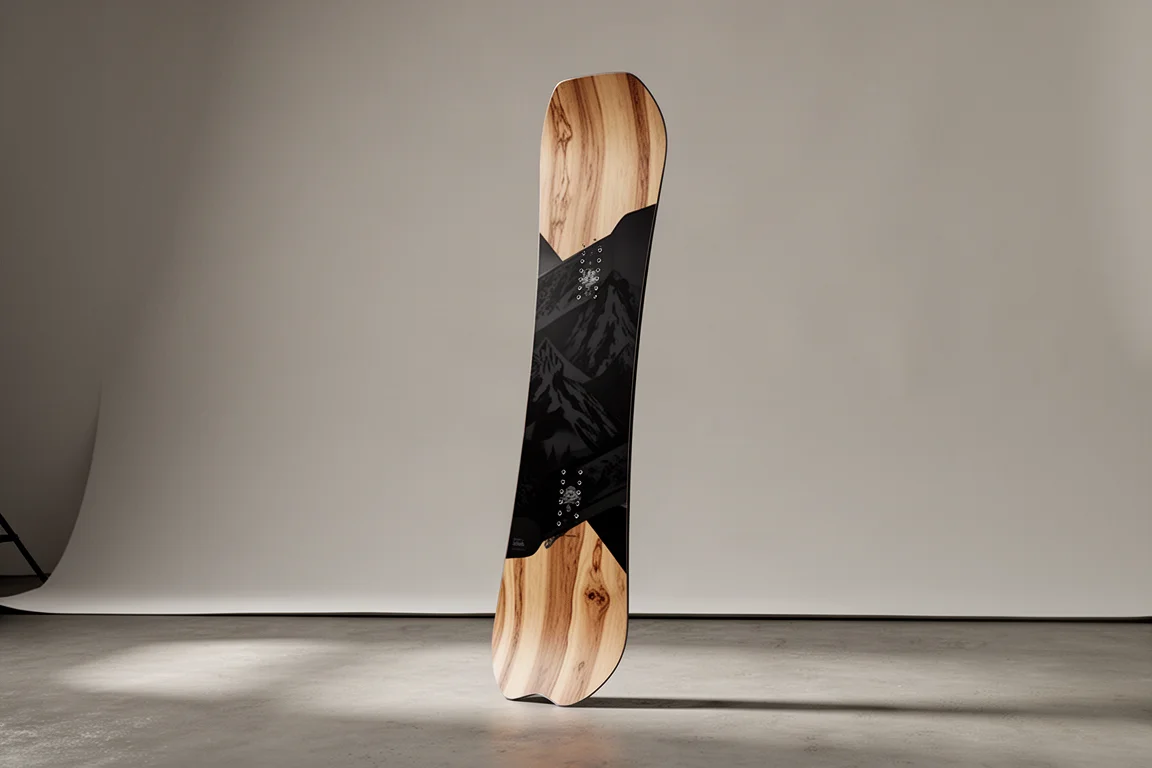
Arbor overhauled the Formula for riders looking to progress, and the redesign shows. This is a board built around consistency rather than headline-grabbing performance, with system camber, 3D contact point shaping, and added edge contact underfoot. It is not going to blow your mind, but it delivers a predictable, confidence-building ride, and that is exactly what many intermediate riders need.
Who This Board Is For
The Formula is aimed squarely at the progressing rider. If you are working your way from basic turns into genuine edge control and want a board that will not hold you back or get outgrown immediately, it fits the brief. The overall flex sits just below middle of the road: not a full-blown noodle, but with playful tips and a slightly stiffer midsection. A defined flex point in the middle lets you torsionally twist the board, which makes it a great match for riders cruising blues and starting to experiment.
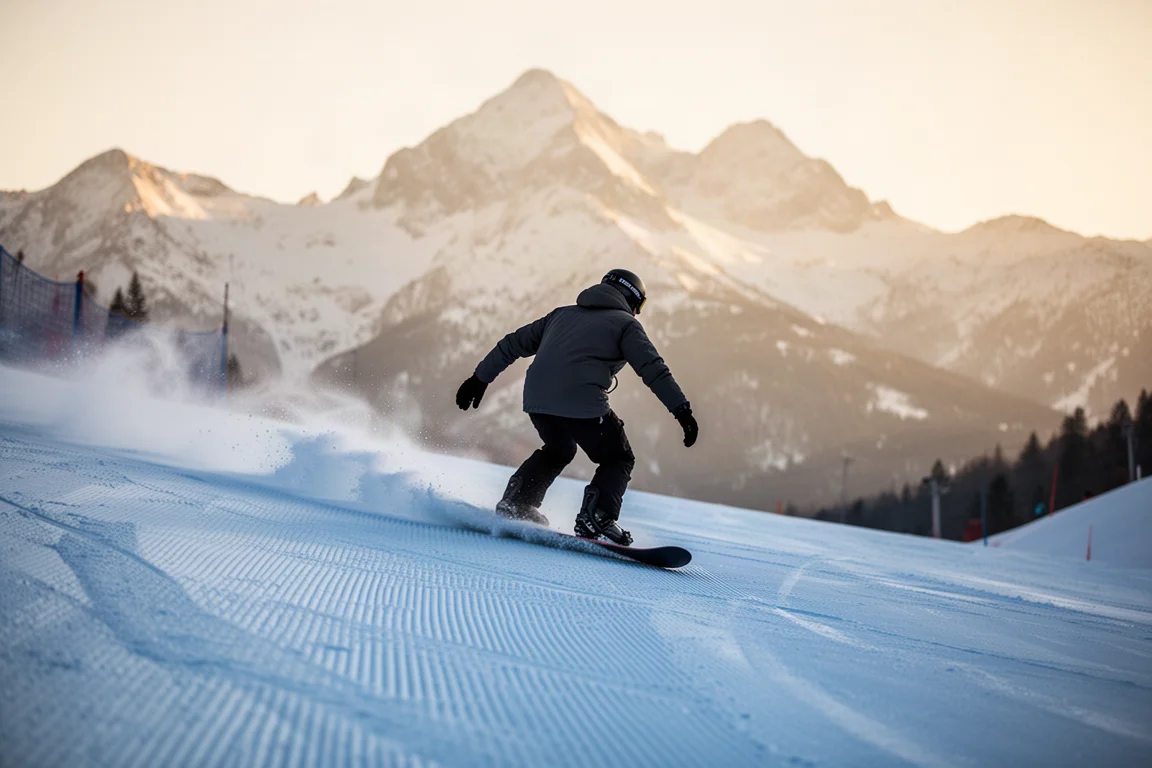
Compared with the old version, the new Formula feels a touch stiffer, which adds responsiveness and a bit more power. That should help riders who do not want to outgrow the board right away.
Tech and Construction
The board features Arbor’s system camber: traditional camber with 3D shaping at the contact points called uprise fenders. This bevels up the contact points, which helps reduce edge drag. On a cat track, you will carry a bit more speed. In powder, it helps funnel snow out from under the contact points. And if you are a beginner, it keeps the edges from hooking up unexpectedly.
Grip Tech adds extra contact along the edge right underfoot, which pays off when you are ankle steering. You feel a noticeable lock-in when the board is on edge. The traditional camber underneath then provides the load, pop, snap, and drive.
The Formula is available in 153, 156, 157 wide, 159, 160 mid wide, and 162 wide. For this ride, it was paired with Rome Black Label bindings and K2 Thraxis boots at Copper Mountain on a bluebird day with warm temps, slush, perfect corduroy, leftover powder stashes, and plenty of chop and chunder.
Flex, Stability, and Pop
The flex profile gives you more play in the tips and a stiffer midsection, with that key defined flex point right in the middle. On blue groomers, stability is fine. At high speeds, the tips pick up some chatter that slightly resonates underfoot. If you venture into steeper, more variable terrain, keep your knees bent: this board is lively, you will feel everything, and it will buck you around.
Pop is adequate rather than explosive. It will not boost you to the moon, but it is easy to engage. Roll back on the tail and the board springs, which makes it a good teacher for building air awareness off side hits and rollers. Jumps are in the small to medium-ish range; anything over roughly 20 to 25 feet pushes the board to its limit. The camber helps you set your landing gear down on jump landings, though if you land backseat, expect to wheelie out.
Butterability and Jibbing
This is where the board shines. The 3D scooping in the nose and tail means that when you shift your weight out to swizzle or press, the board will not hook up. Pressing is remarkably easy: the flexible zone extends from outside the inserts almost to where the contact point should be, and the mid flex point lets you really sit on the board and flex it.
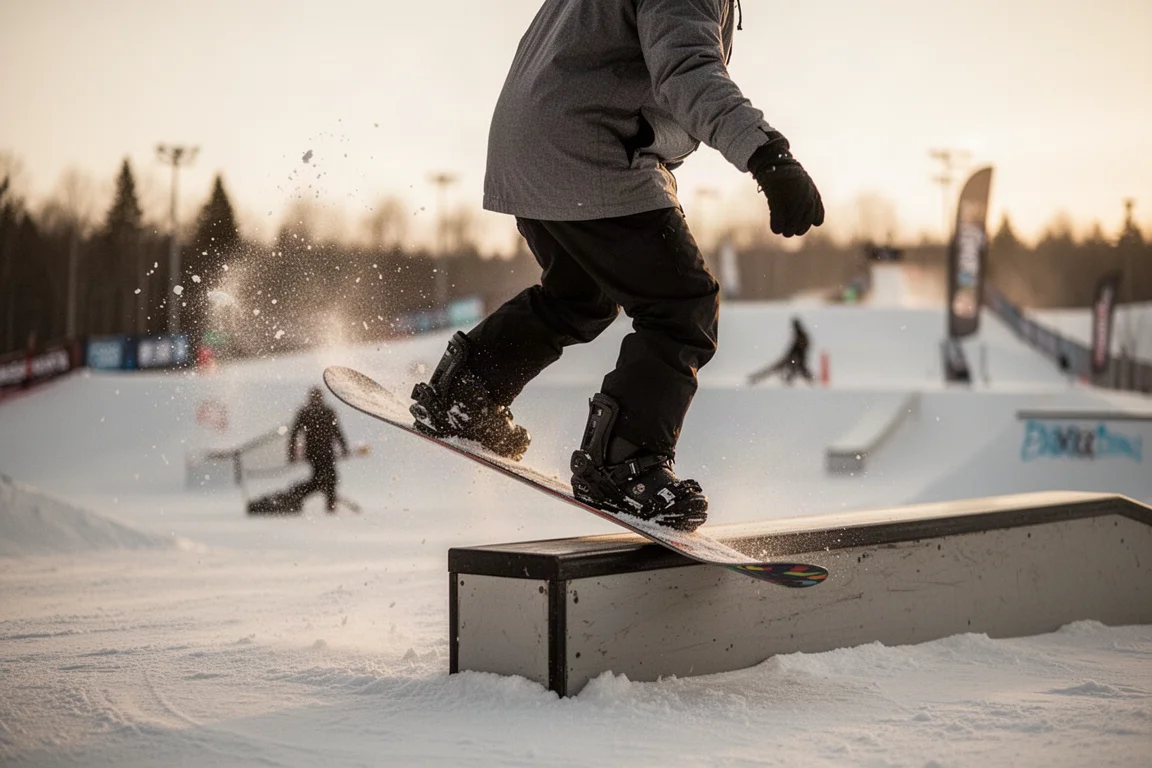
Jibbing follows the same script. Nose and tail presses are easy to learn here: roll up on the nose, roll back on the tail, and it locks in. You can over-flex it, but with a little ankle flick at the end of a feature, you can pop off. Riding sideways onto a feature, the board just cradles around it and holds well.
Carving Performance
Surprisingly, the Formula carves fairly well. It is nimble edge to edge and almost feels calculated. You will not be laying out euro carves, but short, tight, quick carves, medium mellow carves, and the occasional deep hard carve are all no problem. Push your knee toward the center of the board, feel that flex point take over, and the camber pops you back out of the turn.
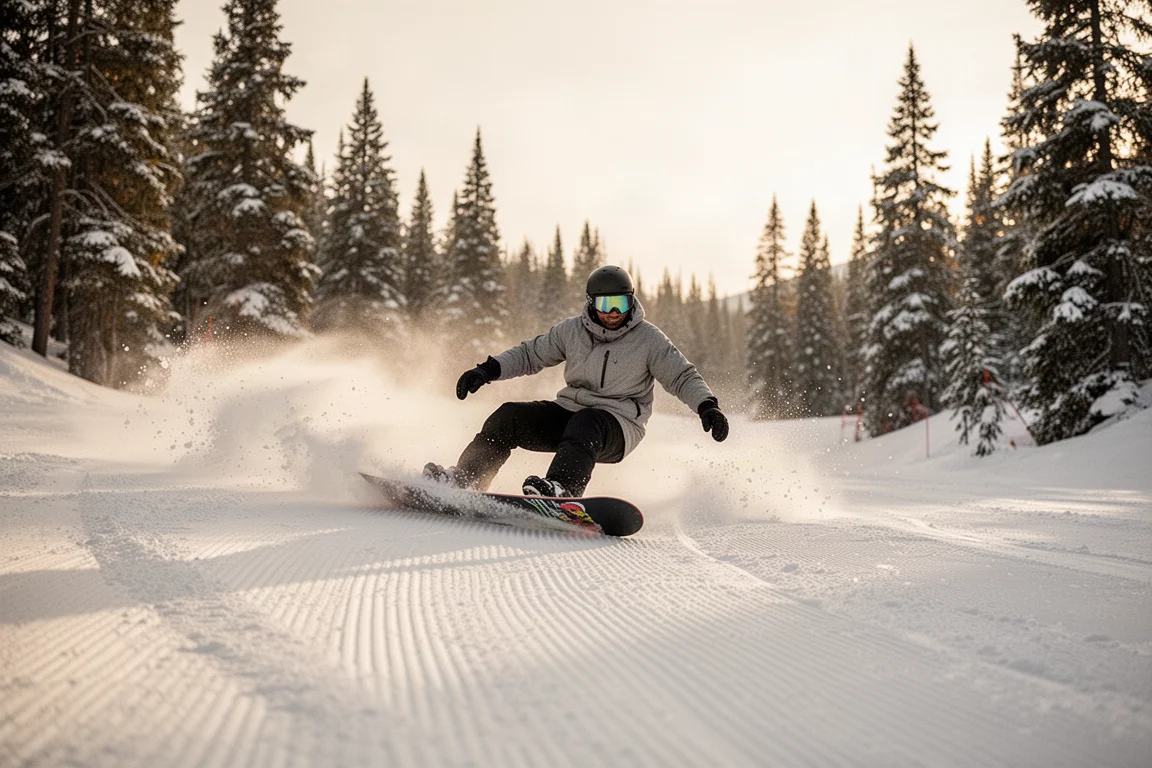
This is a board for someone moving from simple turns to actually understanding edge control and carving. It rewards that progression without punishing mistakes.
Durability Notes
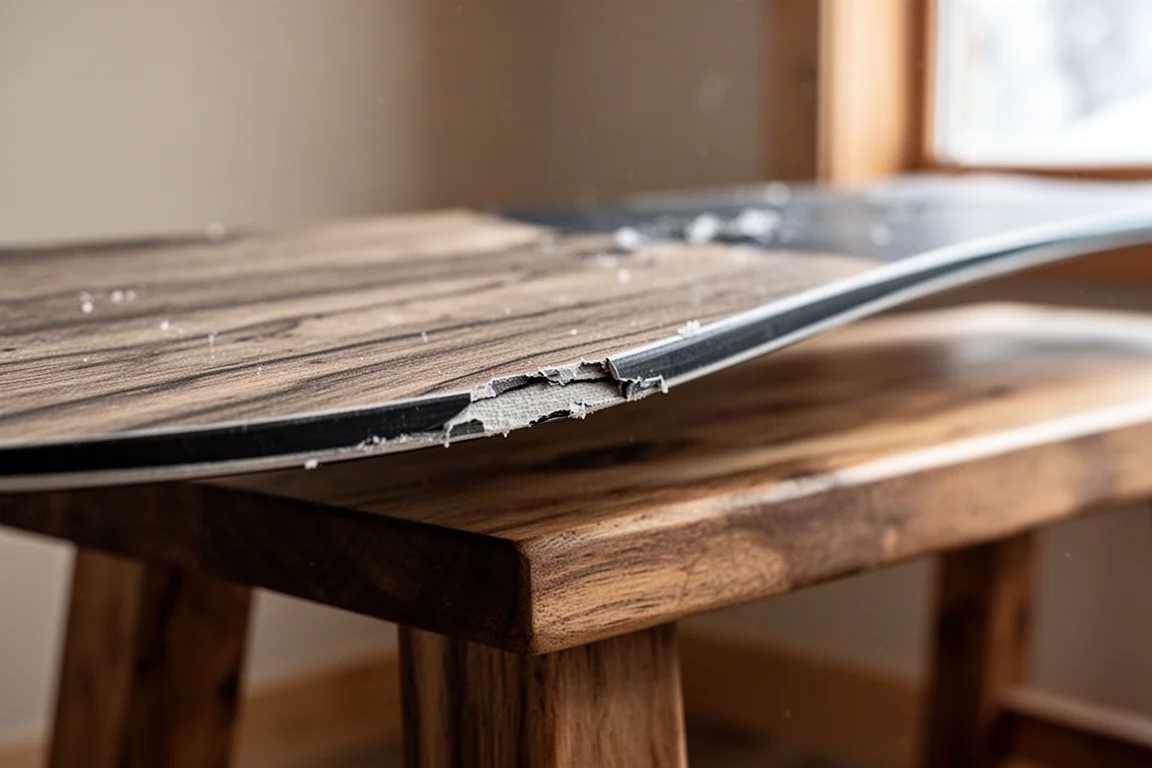
One caveat worth flagging: the top sheet edge felt fragile. During testing, a stray pair of skis clacking against the board on the chairlift chipped it up. A simple fix is to take a file and bevel the edge slightly to protect it. It felt a bit more fragile than other boards, so it is worth handling with care around lifts and racks.
Buying Advice
The Formula slots alongside boards like the Ride Manic, the Rome Warden, and the Bataleon Fun Kink. For bindings, Arbor recommends the Arbor Cypress, the Rome Trace Heel Wrap, and the Ride C-6. If you want a consistent, predictable deck while you level up your riding, this board delivers exactly that.
Conclusion
Is the Arbor Formula a mind-blowing board? No. Is it a consistent board? Yes. When you are progressing, consistency is what you want, and this redesigned Formula gives you that in a playful, easy-to-press package with genuinely useful camber tech underneath.
Product link
View more details for Arbor Formula
This product is mentioned in the review. Check the specifications, options, and compatibility before buying.
View more details for Arbor FormulaFurther reading
Related Reviews
Snowboards
32 Middle Earth Scott Stevens Pro Model Snowboard Review: A Park Board With a Reversed Flex
A medium traditional camber park board with carbon V reinforcement that is stiffer in the tips and more playful between the feet. Here is how it rides and who it suits.
Snowboards
32 Snafu Review: A Directional All-Mountain Freestyle Board with Serious Pop
The 32 Snafu pairs a directional camber-rocker profile with a stiffening tail for powerful carves, big ollies, and a surprisingly damp ride.
Snowboards
32 XXX Pat Fava Pro Snowboard Review: A Stiff Camber Beast for Hard-Charging Riders
A full-width traditional camber deck that rewards aggression with stability and edge power, but demands effort everywhere else.