Snowboards
Arbor Danny Kass Park Pro Review: A True Twin Camber Board Built to Pop
A full camber park board with serious pop, strong edge hold, and a lively feel that rewards advanced riders who spend more time in the air than on the ground.
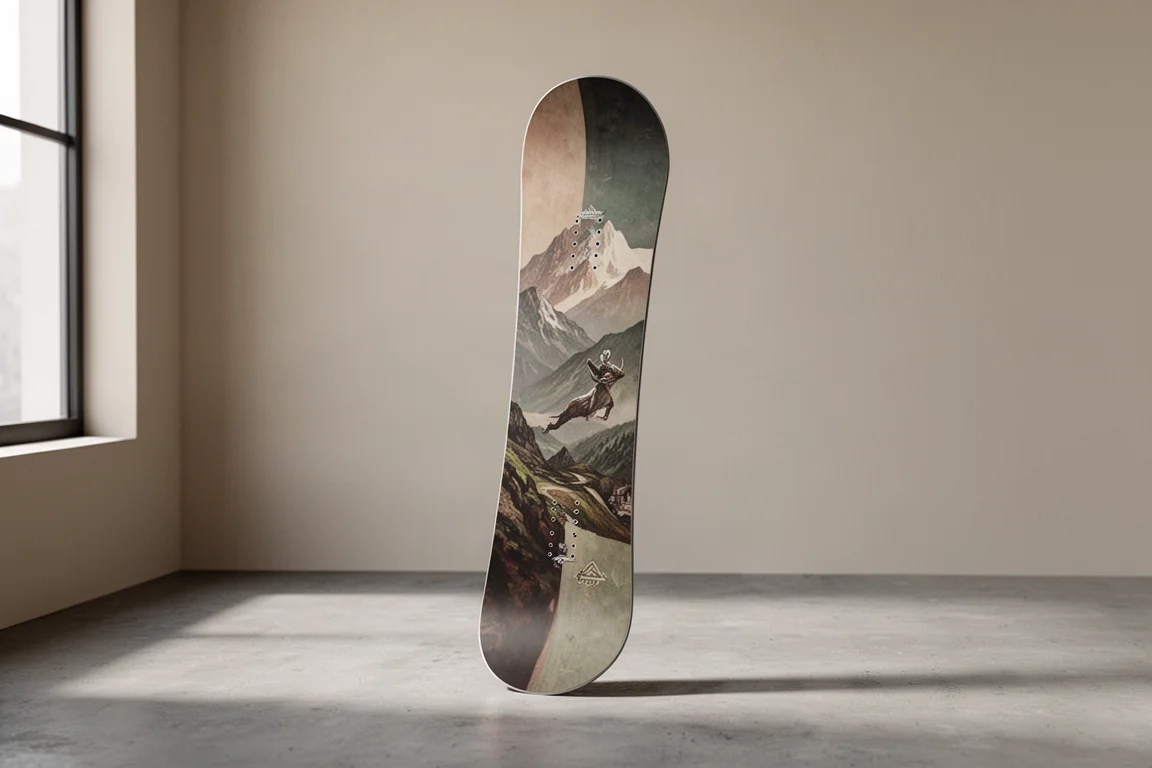
Introduction
The Arbor Danny Kass Park Pro is a true twin freestyle board with full camber from nose contact point to tail contact point, built around a simple idea: give you all the pop, drive, and stability that classic camber is known for. It comes in two sizes, a 154 and a 157, and it is clearly aimed at riders who want to charge jumps, lay down carves, and trust their edge all day.
This review is based on riding the 154 at Copper Mountain on a warm, sunny, and windy day, with most of the time spent in the park and on lower mountain groomers. The snow eventually softened enough to leave cheek marks on a knuckle landing, which meant it was neither icy nor bulletproof, just honest snow you could dig an edge into and trust to hold.
Who This Board Is For
This is a board for the more advanced rider, one who wants to spend more time in the air than on the ground. It rewards riders who stay on their A-game, and it will ask a little more of you than a softer, more forgiving deck.
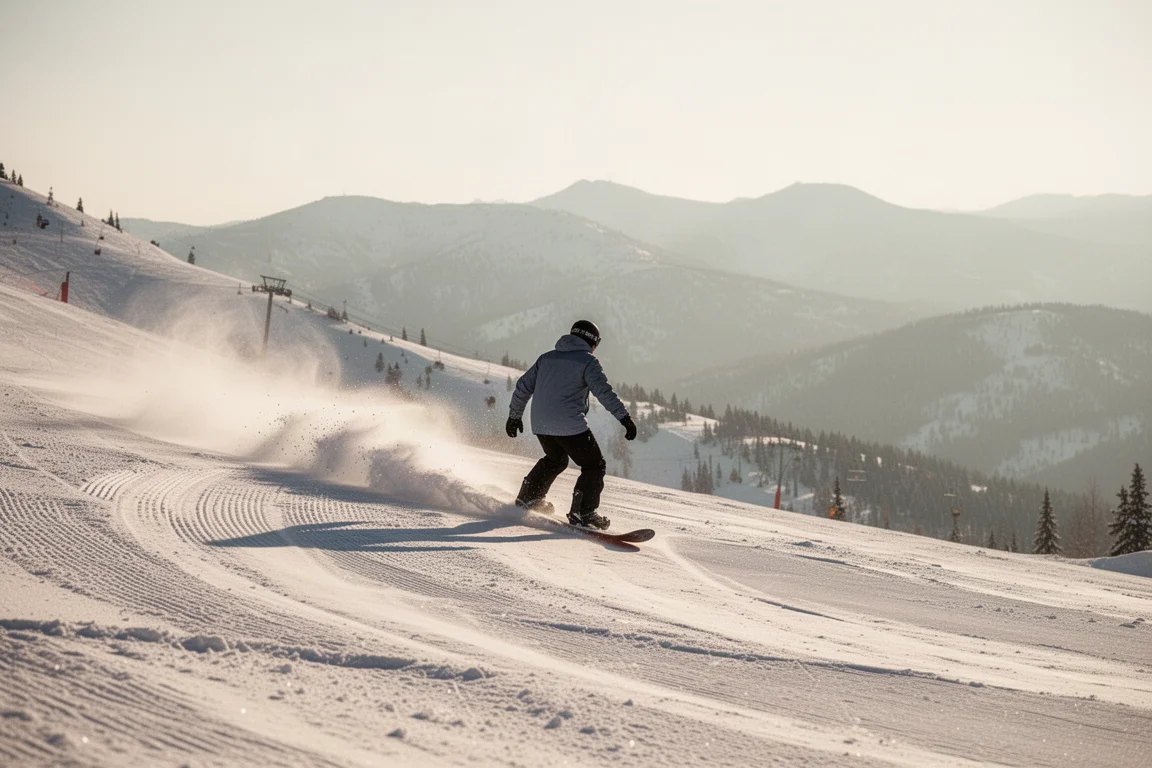
Given Danny Kass’s halfpipe background, it is no surprise that the shape and camber profile suit a rider who likes to carry speed and ride with precision. If that describes how you already ride, this board will feel like it was made for you.
Main Strengths
The headline strength is pop. When loading the board for an ollie, it returned everything put into it. Because it is full camber, you load it up like any classic camber board and it gives all of that energy back. It felt nice and stiff without being a super plank, so the classic roll-into-the-ollie technique works exactly as you would hope.
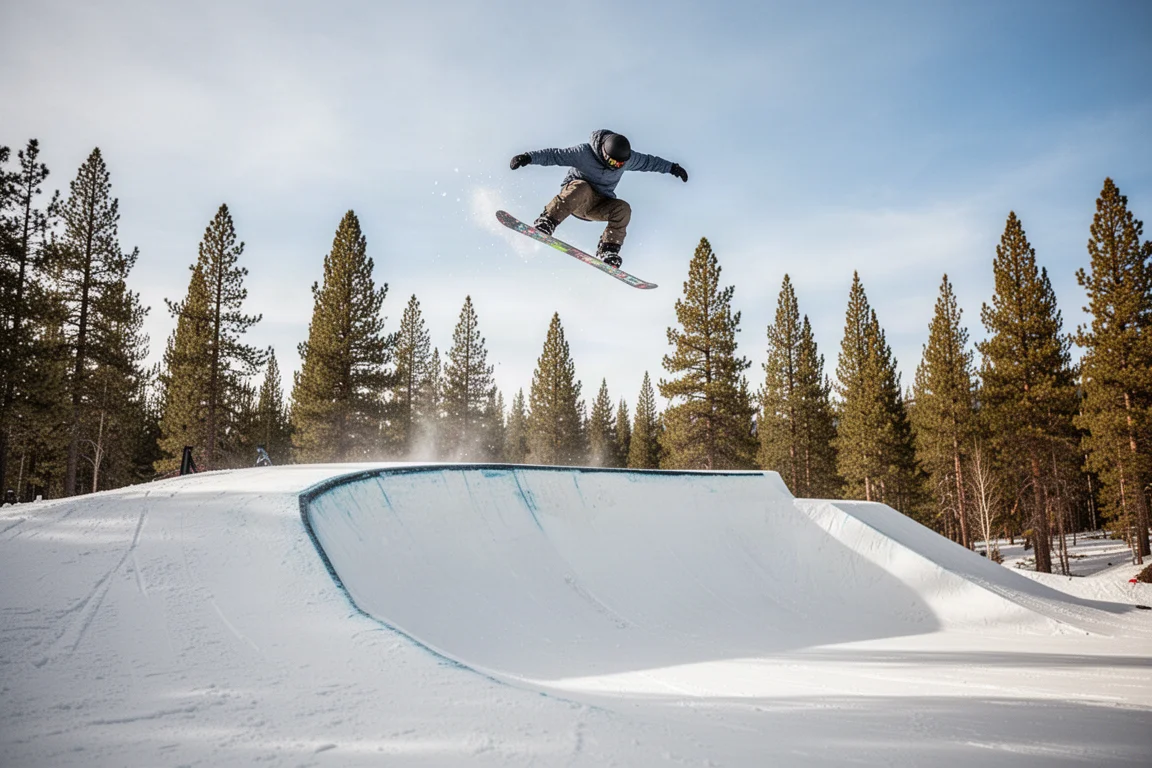
On jumps, the story gets even better. The tail felt like it was made out of springs. On the first jump line, pops went extremely deep, almost to flat, which meant pumping the brakes a bit. Even so, speed carried cleanly into the next jump. Landings felt extremely smooth, and landing flat base before setting an edge into the next jump caused zero problems.
Carving is another clear win. Short, quick edge-to-edge carves were no problem, medium carves were smooth, and long carves were genuinely impressive, with the board keeping its speed and clearly wanting to go fast. It holds its edge extremely well, and you can still euro carve on it despite the true twin shape. Stability holds up too: the nose did not chatter even at high speeds, and the board never wiggled out from underfoot.
Things to Consider Before Buying
Flex is definitely on the stiffer end of the spectrum. Even the 154 felt very responsive, with a fluid flex from nose to tail that holds right in front of the contact points. Torsional flex is comparable to the overall flex. That stiffness is an asset for pop and edge hold, but it shapes the board’s weaknesses elsewhere.
Buttering is where this board fights back the hardest. It is not the most butterable board out there, and it resisted tail and nose butters the whole way. Leaning extremely far back into a tail wheelie worked better, but it still was not super stable, and the board will spring you out of butters. Be prepared for that.
Jibbing tells a similar story. Pressing on rails and ledges took a few tries to get cleanly through without the nose dropping. Sliding sideways, the board is a bit stiffer, and coming in too hot or too high onto a rail loads up the camber and pops you out. Mind your approach speed and height, and you will be fine.
One more practical note for jump riders: because of the spring in the tail, make sure you have enough landing. The board carries distance, and that is worth respecting on your first laps through the line.
How It Rides: Flex, Stability, Pop, and Carving
The overall flex profile is stiff, responsive, and fluid rather than dead. When flexing into the board, it holds right in front of the tail contact point, and the same is true at the nose. That structure is what gives it the drive and stability classic camber fans are chasing.
On groomers, the edge hold was excellent all day. You could put power to the edge and almost drive through anything, whether the carve was short and quick or long and drawn out. On side hits and rollers, popping was problem-free, and the directional shape makes no difference in practice because the board pops the same in both directions.
Buying Advice
If edge hold and pop are the two things you care about most, this board delivers exactly that. It held an edge well and popped hard, which are the core benchmarks for a freestyle-focused deck in this category.
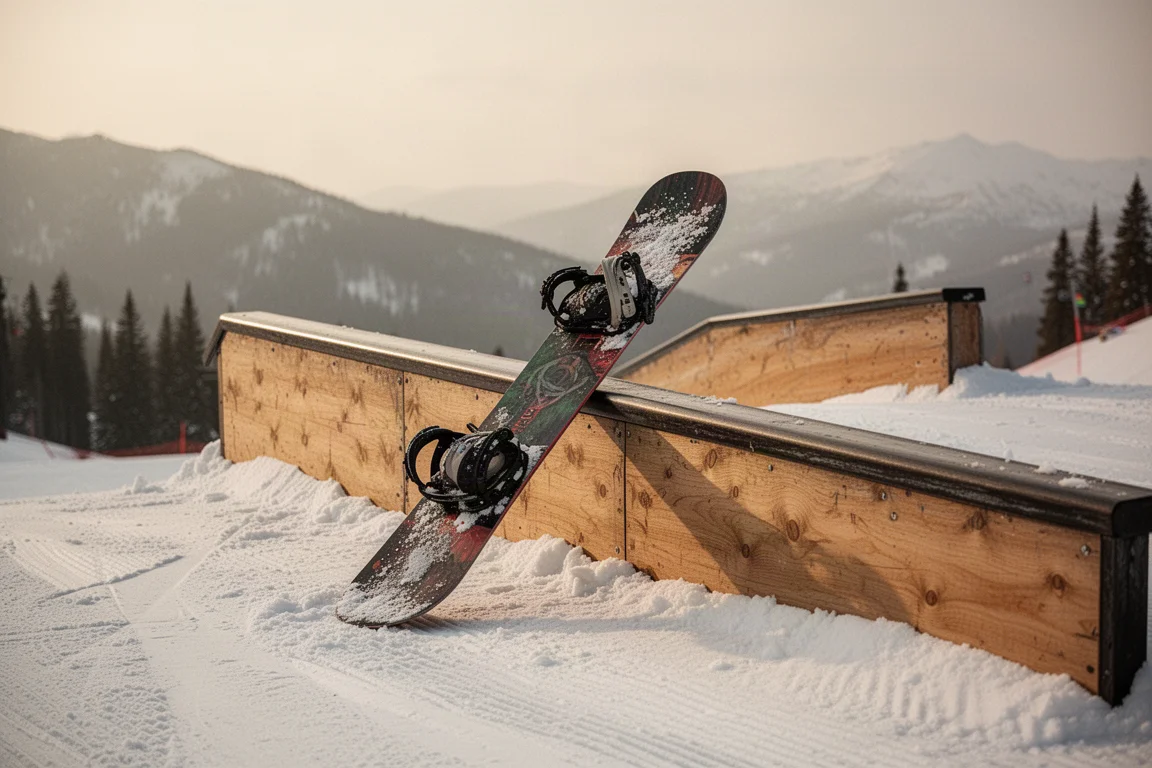
Boots and bindings used for this setup were Ride Fuse boots paired with Jones Mercury phase bindings. If you are building a complementary setup, recommended binding pairings include the Arbor Cypress, the Jones Mercury, and the Salomon Highlander. Boards worth comparing include the Nitro Beast, the K2 Hypnotist, and the Jones Tweaker Pro, all of which live in a similar aggressive freestyle space.
Conclusion
The Arbor Danny Kass Park Pro is a superb choice for advanced riders who want a true twin that pops hard, holds an edge with authority, and stays stable at speed. It is not the board for lazy nose butters and lazy presses, and it will punish a sloppy rail approach, but for jumps, carves, and fast riding, it did everything a demanding freestyle rider would ask of it. If that sounds like the way you ride, this board deserves a spot on your shortlist.
Product link
View more details for Arbor Danny Kass Park Pro
This product is mentioned in the review. Check the specifications, options, and compatibility before buying.
View more details for Arbor Danny Kass Park ProFurther reading
Related Reviews
Snowboards
32 Middle Earth Scott Stevens Pro Model Snowboard Review: A Park Board With a Reversed Flex
A medium traditional camber park board with carbon V reinforcement that is stiffer in the tips and more playful between the feet. Here is how it rides and who it suits.
Snowboards
32 Snafu Review: A Directional All-Mountain Freestyle Board with Serious Pop
The 32 Snafu pairs a directional camber-rocker profile with a stiffening tail for powerful carves, big ollies, and a surprisingly damp ride.
Snowboards
32 XXX Pat Fava Pro Snowboard Review: A Stiff Camber Beast for Hard-Charging Riders
A full-width traditional camber deck that rewards aggression with stability and edge power, but demands effort everywhere else.