Snowboards
Arbor Crosscut Camber Review: A Freeride Snowboard Built for Powder and Precise Carves
A directional camber snowboard with parabolic camber, Grip Tech contact points, and a real wood top sheet, aimed at experienced freeride and powder riders.
Introduction
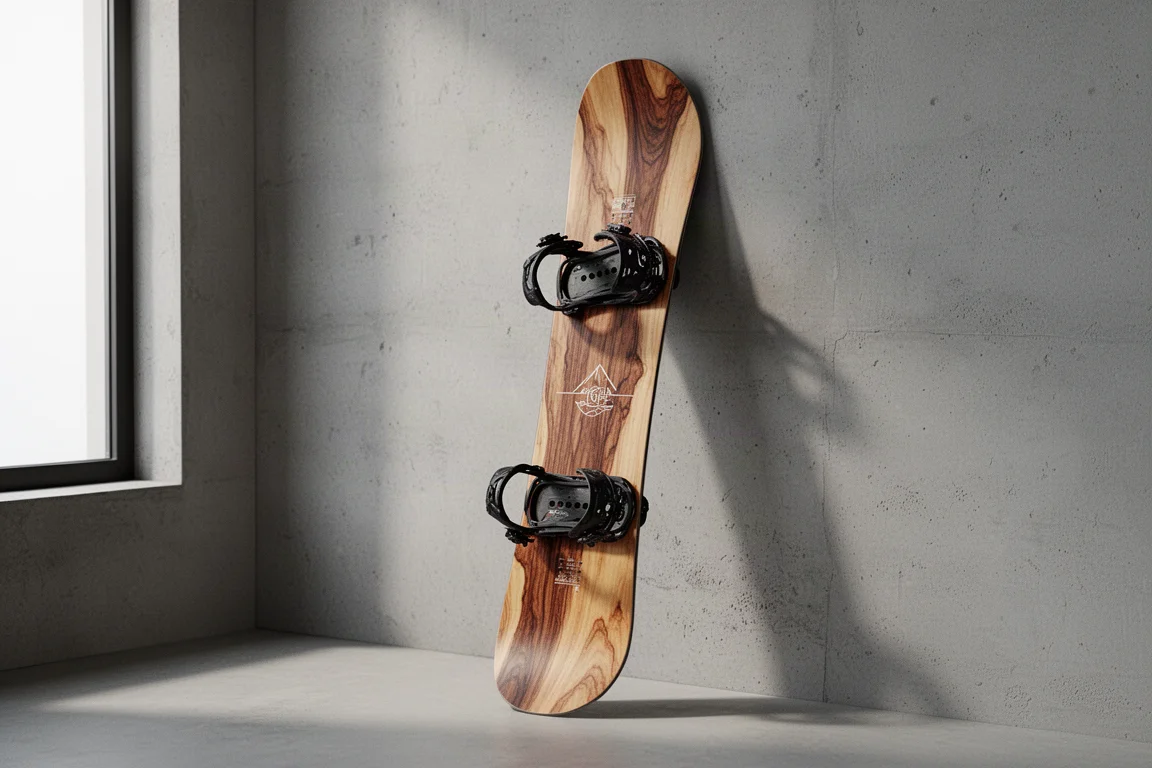
The Arbor Crosscut Camber sits in the freeride and powder-focused corner of the Arbor lineup, and it makes that intent obvious from the first look. It is a fully directional board with a real hand-dyed ash wood top sheet, a full camber profile, and a set of design choices all working toward one goal: floating in soft snow while staying planted on firm terrain. After riding it at a resort test on the 158 cm size, the overall picture is of a situation-specific freeride board that still stays comfortable enough to cruise the entire mountain.
Who This Board Is For
This is a board best suited to more experienced riders who want something slightly more purpose-built than a do-everything twin, without going fully aggressive. If your riding leans toward freeride lines, powder days, and all-mountain exploring, the Crosscut Camber fits naturally. It is not aimed at park-first riders, though it can handle the occasional novelty park lap thanks to its substantial tail.
Construction and Key Technology
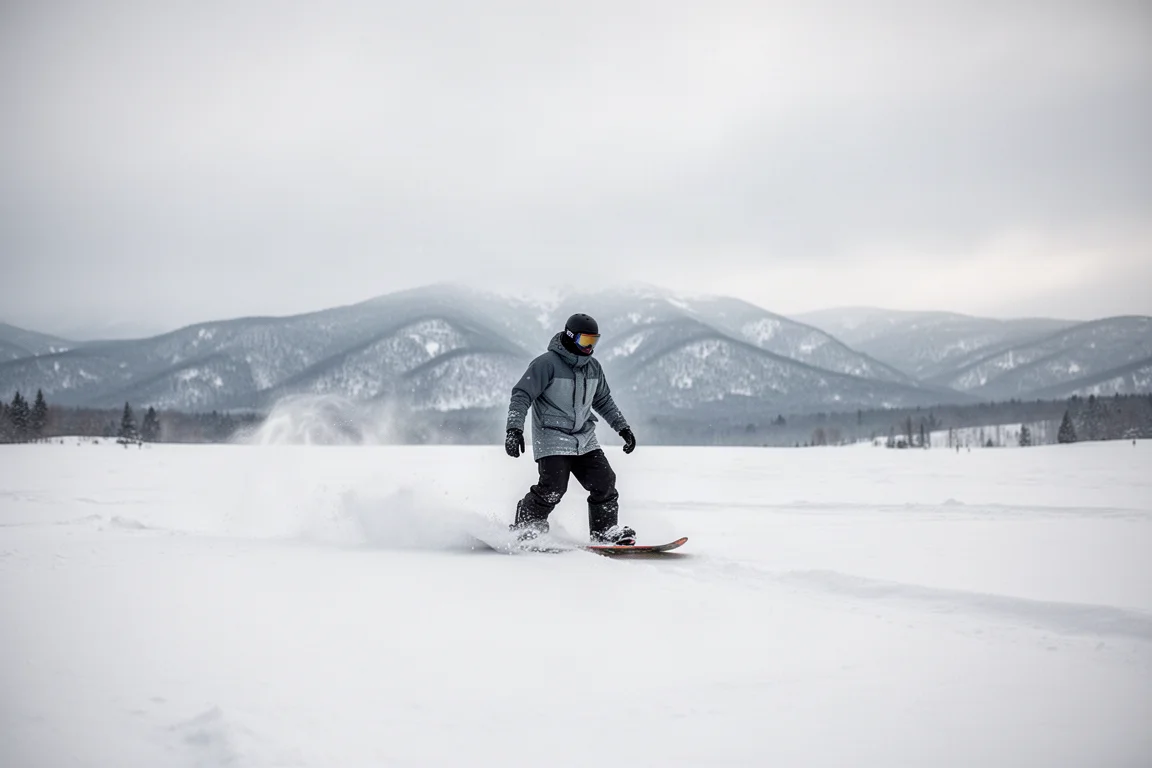
The Crosscut Camber uses a directional outline with a longer nose than tail outside the contact points, giving more surface area up front for better float. On the 158 you get 9 mm of taper and a 10 mm setback, both of which shift your weight slightly rearward and make the board more maneuverable and easier to float in soft snow.
The profile is full camber, running Arbor’s parabolic camber system. That means heavier camber between the feet that tapers toward the contact points, producing a more powerful, precise, and energetic feel. Arbor’s Grip Tech side cut adds two contact points under foot on each edge, four in total, which noticeably improves bite on firm and icy conditions. Uprise fenders bevel the base and edge up about 3 degrees at the main contact points in the nose and tail, giving the board a more catch-free feel on hardpack.
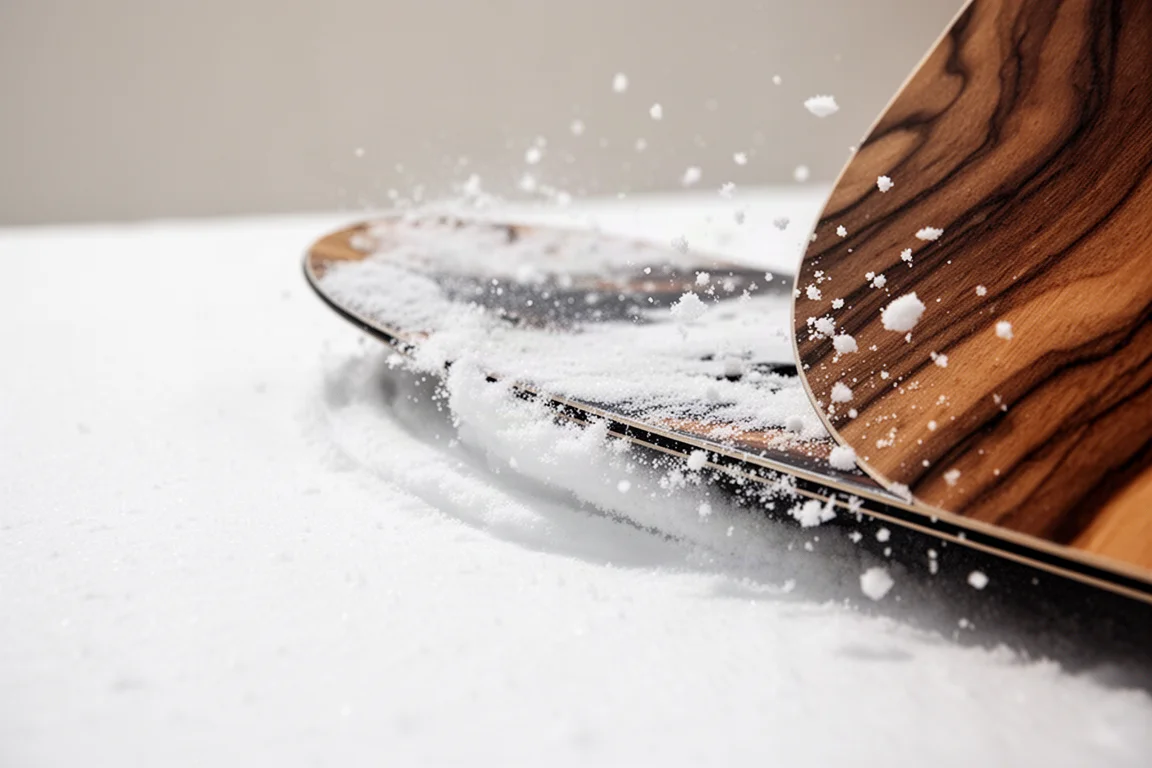
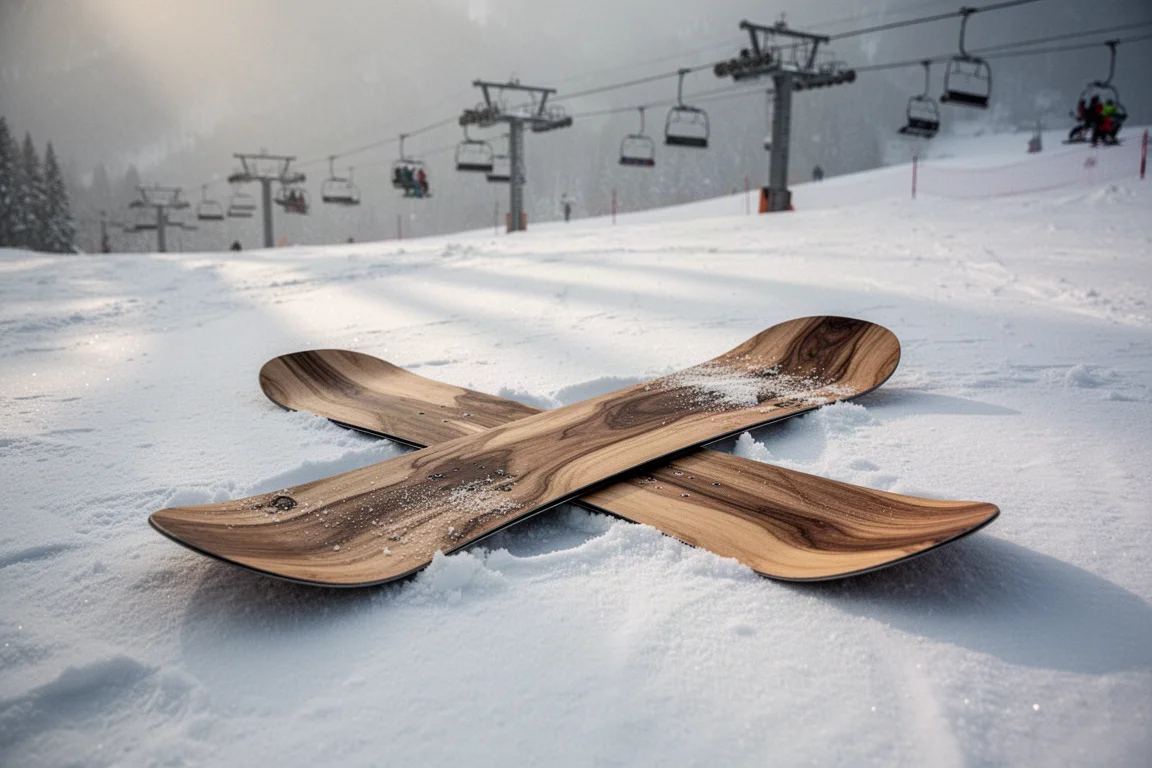
Finishing touches include a hand-dyed ash wood power ply top sheet, which makes every board unique in grain and adds real energy and dampening benefits. Aaron Draplin’s graphic keeps the look clean and simple. The board also comes with a sintered base material that is harder, faster, and more durable than an extruded base, though it does need regular waxing to maintain glide.
On-Snow Feel and Flex
At around 150 lb on the 158, the flex felt like a solid mid flex, just slightly on the stiffer side of medium, with torsional flex to match. That makes it a sturdy board capable of all-mountain exploring and freeride-focused riding. The stiffer torsional flex helps power through variable and choppy conditions with a responsive feel, while turn initiation stays fairly easy, giving it a versatile overall character.
Energy return is a highlight. The flex feels consistent through both nose and tail, so almost anything you load into the board comes back with good snap and pop. It was not designed with butters and flat-ground tricks in mind, but the longer directional nose offers a decent balancing platform if you lean into it, and the uprise fenders help keep those maneuvers catch-free.
Carving and High-Speed Stability
Two specs stand out here. First, the 254 mm waist width on the 158 is pretty average and versatile. Second, the Grip Tech is created through a tri-radial unblended side cut: a tighter radius between the feet and a longer radius in the tip and tail. On the 158 that means an 8.2 m inside radius and a 9.1 m outside radius, both above average, throwing you into longer, drawn-out carves.
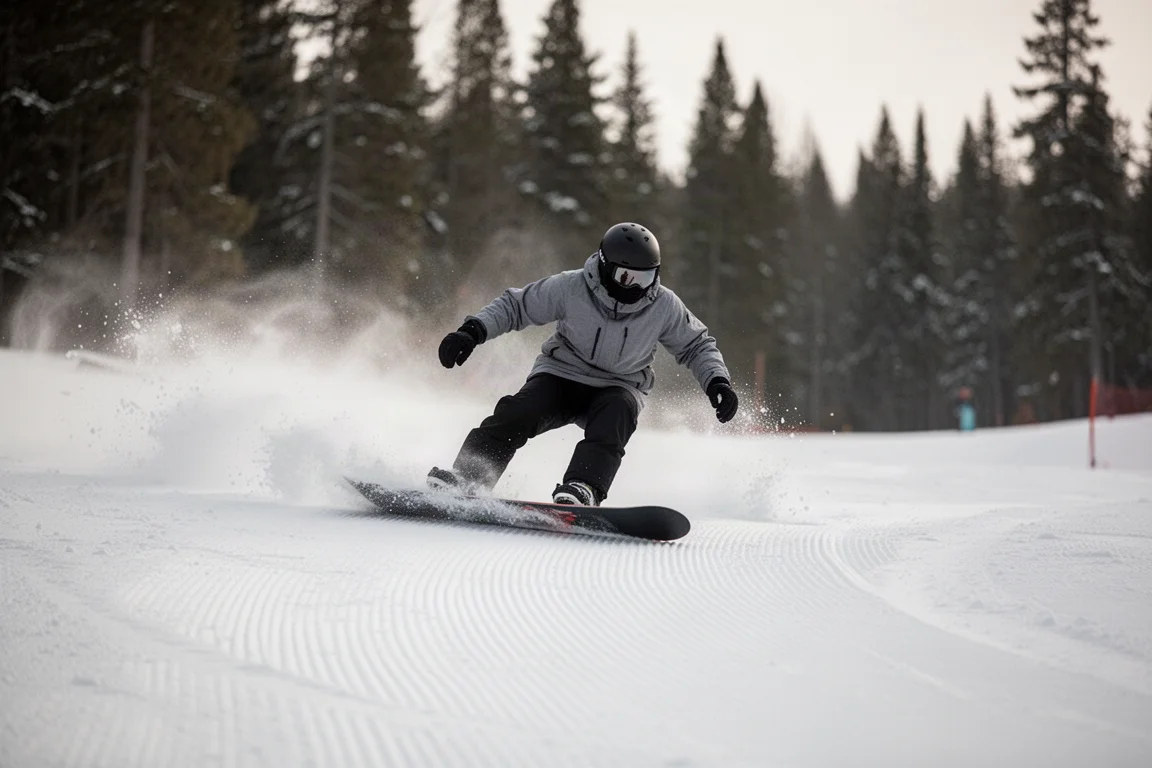
Because those radii are unblended, the transition point creates the raised contact bump that defines Grip Tech. That pays off on firm snow and variable conditions, and it also makes the board comfortable at high speeds. Push it hard and the longer nose can produce a bit of chatter, but the wood construction dampens it well before it reaches your feet. Overall it is a genuinely fun carving board with a confident feel while exploring the whole resort.
Powder Performance
The test conditions did not include fresh powder, but the directional design speaks for itself: the tapered narrower tail, the setback stance, and especially the long shallow planing nose all point toward strong soft-snow performance. That nose shape is known to glide over soft snow more easily, and this is not a board to hesitate taking out on a pow day.
Things to Consider Before Buying
Park riding is possible but purely a novelty here. The board has a significant amount of tail, but you need to watch the longer nose to avoid clipping it, and it should not be your primary reason to buy. The sintered base also demands a consistent waxing routine to keep the glide sharp. If full camber is not your preference, Arbor offers this board in a rocker version as well.
Buying Advice
If you are an experienced rider looking for a slightly more situation-specific freeride board that still cruises the whole resort comfortably, without an overly aggressive feel, the Crosscut Camber is a strong candidate. Choose it if powder days and drawn-out carves define your season; skip it if your riding centers on the park.
Conclusion
The Arbor Crosscut Camber blends a powder-friendly directional shape with the precision of full camber and Grip Tech edge hold. It rewards experienced riders with energetic response, confident high-speed stability, and a distinctive real-wood build that stands out on the wall as much as on the snow.
Product link
View more details for Arbor Crosscut Camber
This product is mentioned in the review. Check the specifications, options, and compatibility before buying.
View more details for Arbor Crosscut CamberFurther reading
Related Reviews
Snowboards
32 Middle Earth Scott Stevens Pro Model Snowboard Review: A Park Board With a Reversed Flex
A medium traditional camber park board with carbon V reinforcement that is stiffer in the tips and more playful between the feet. Here is how it rides and who it suits.
Snowboards
32 Snafu Review: A Directional All-Mountain Freestyle Board with Serious Pop
The 32 Snafu pairs a directional camber-rocker profile with a stiffening tail for powerful carves, big ollies, and a surprisingly damp ride.
Snowboards
32 XXX Pat Fava Pro Snowboard Review: A Stiff Camber Beast for Hard-Charging Riders
A full-width traditional camber deck that rewards aggression with stability and edge power, but demands effort everywhere else.