Snowboards
Arbor Carbon Kota Review: A Stiff, Carbon-Loaded Freeride Board That Demands Effort
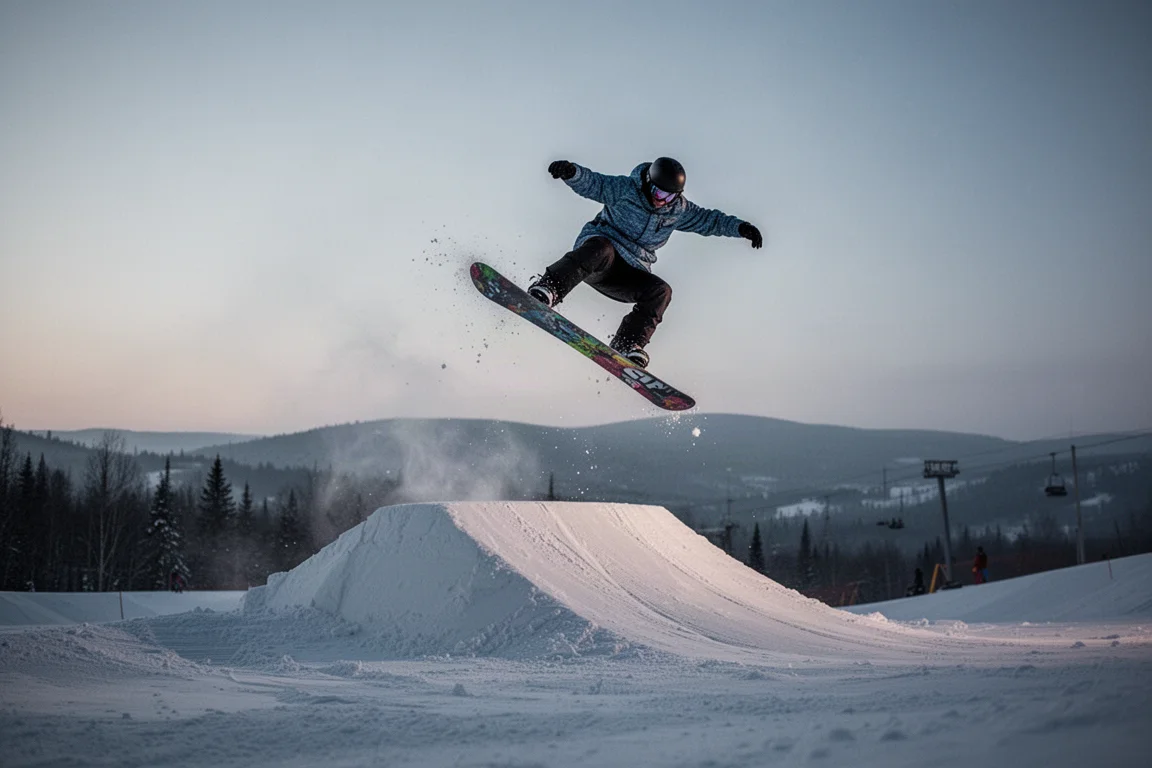
A traditional camber snowboard loaded with carbon that rewards hard riding with big pop, but asks for strong legs and calculated turns.
Introduction
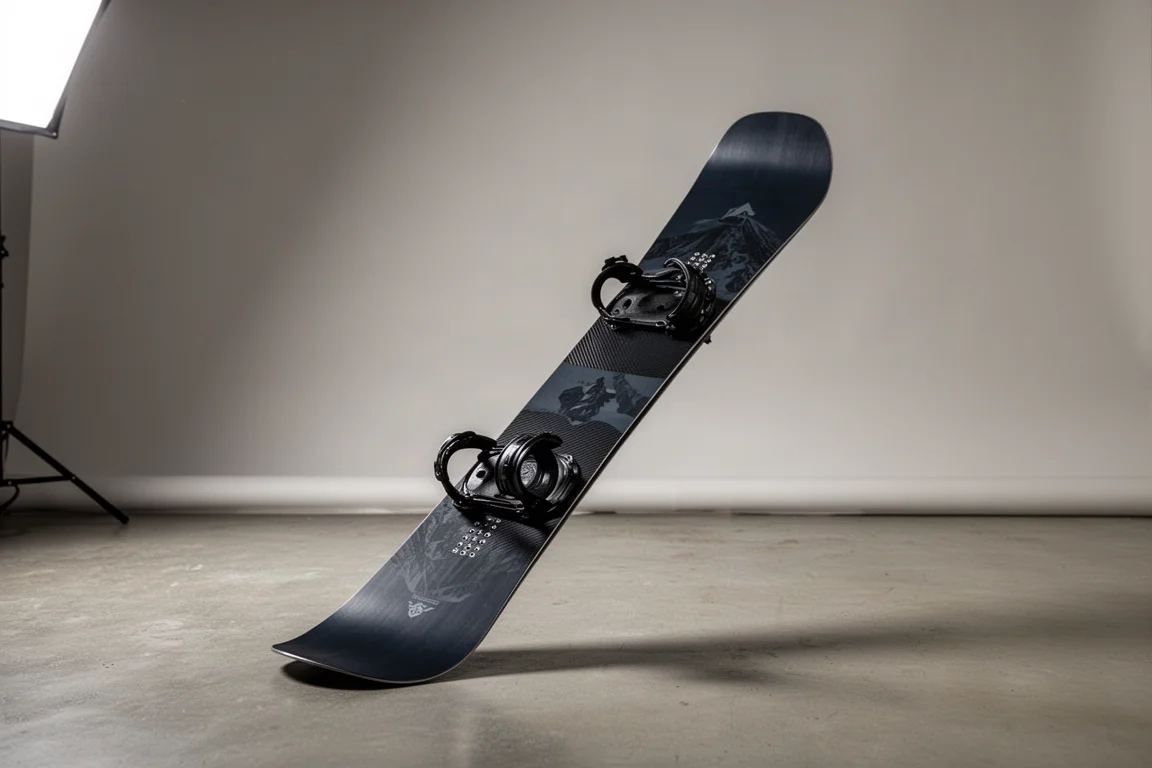
The Arbor Carbon Kota is the beefier version of the regular Kota, built around good old-fashioned traditional camber. From contact point to contact point, that arc of camber is designed to deliver load, pop, snap, and drive. It is a stiff, carbon-loaded board, and that comes with a very particular personality that not every rider will enjoy.
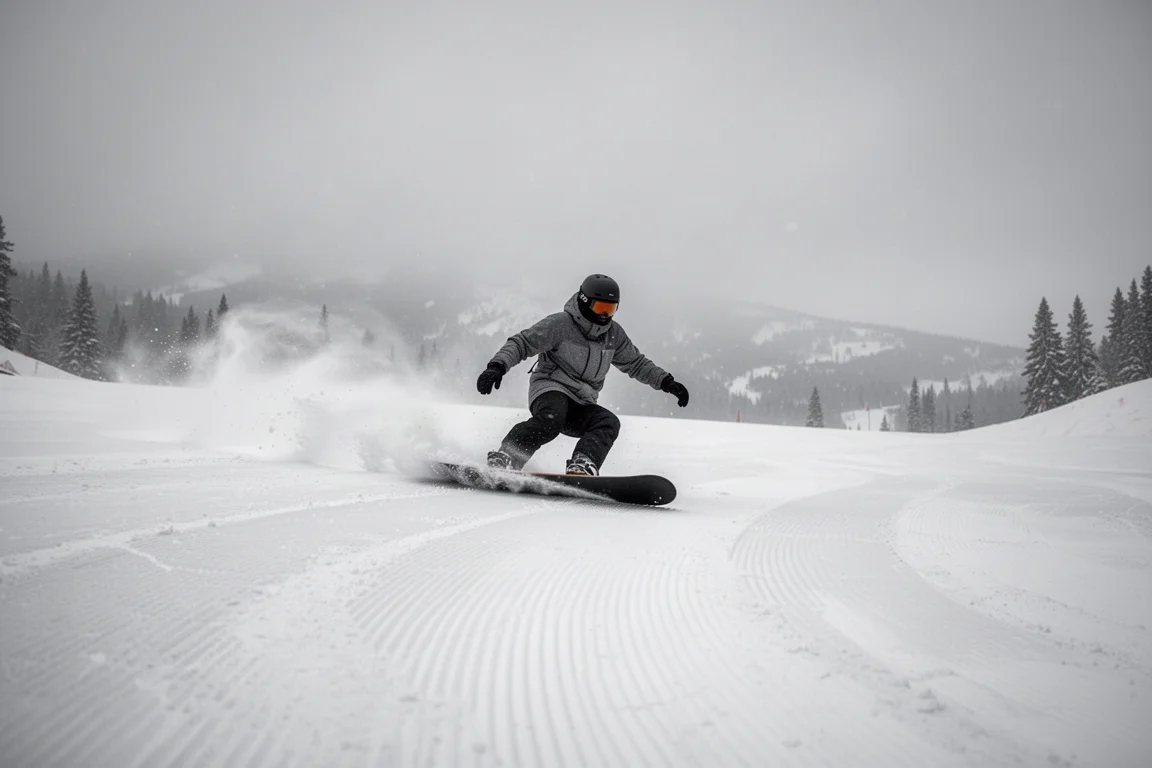
This review is based on riding the board at Copper Mountain on a day with grey skies that darkened as a storm rolled in, mild wind, warmer temperatures, chop and chunder fields, death cookies, a little hidden powder, firm fast corduroy, some softer corduroy, paired with Rome Black Label bindings and K2 Thaxis boots.
Who This Board Is For
Arbor positions this as a board for the more aggressive freeride rider, someone who wants that Pat Moore name on it and wants to talk about how much carbon is in it. But realistically, many riders will hit the apex of what this board can do maybe one to three days a season. Outside those days, it can end up riding you rather than the other way around.
It is available in 155, 158, 159 wide, 161, 162 wide, 164, and 165 wide, so there is a size for bigger feet and bigger riders.
Main Strengths
This board is stiff, and that is to be expected from the carbon version. There is a little more play in the nose, but outside that front foot back through the tail, the flex is consistent all the way through. When you ankle steer it and engage the torsional flex, it is very quick and snappy to rebound thanks to all that carbon.
That carbon also makes the board feel lively. The trade-off is stability: you feel everything. Crush a death cookie and it reverberates back underfoot, and a rutted-out run sends everything through the board. From inside the back foot through the tail, though, this is the most stable section, so if you are leaning back in powder and hit something, you can push through it.
Loading the board takes effort. You have to push down into the camber and roll back up on the tail to get it to snap, and when it does, it pops up, not out. At speed you get a useful trajectory out of it, but going slow it just goes straight up. If you want to get on top of something, it will pop you up there. Trying to go over something, you had better have the speed.
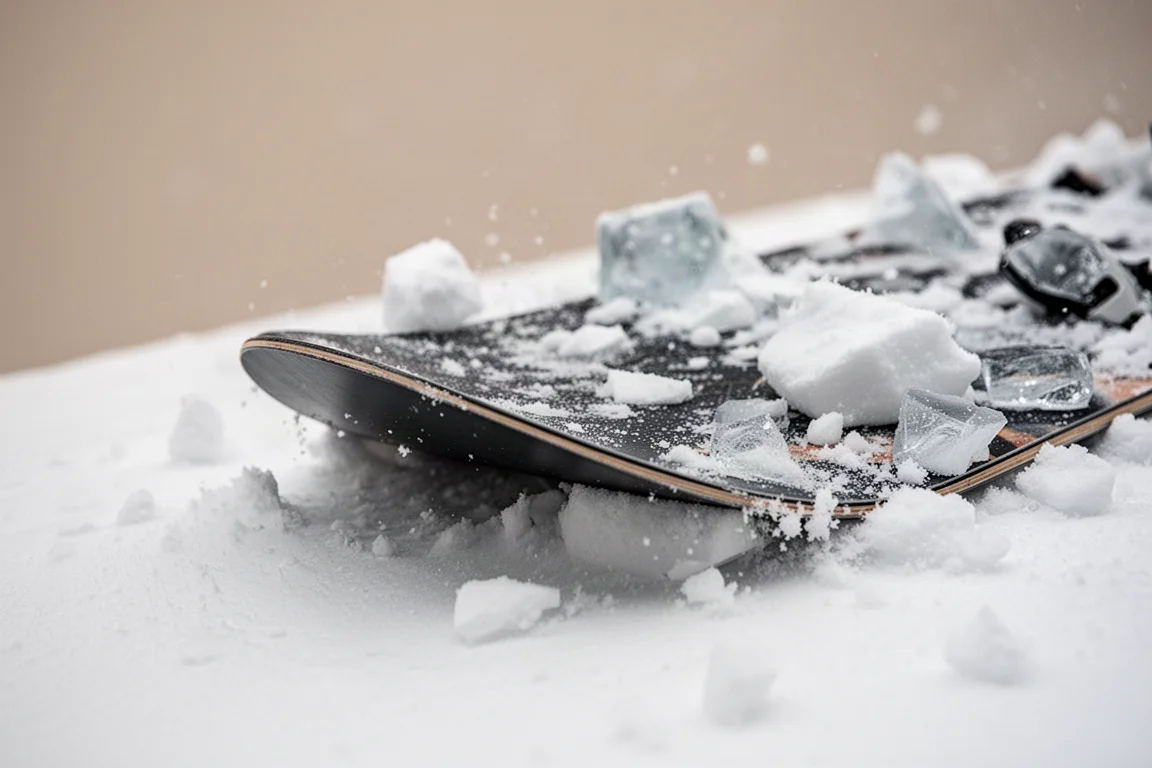
Buttering is a workout. The sweet spot is very small, and you are basically balancing the board on the tail, leveraged all the way out and really working it. If you can butter on this board, you have legs of steel.
Things to Consider Before Buying
Here is where the board could do better. It is quick edge to edge, but when you lock it in and really drive it hard from underfoot on the rear foot, it starts to skip out. Not in the sense of overpowering it with chatter, but more like it folds and washes out, then tries to dig back in and re-engage. This happened every time during testing. At slower speeds or with setup turns and medium mellow carves, there was no problem, and the Grip Tech does work and lock in. The suspicion is that the sidecut radius does not suit the way the Grip Tech and carbon layup interact, so the board is fighting itself to stay dialed in. You can lay it over, but you have to be more calculated about it than you should be.
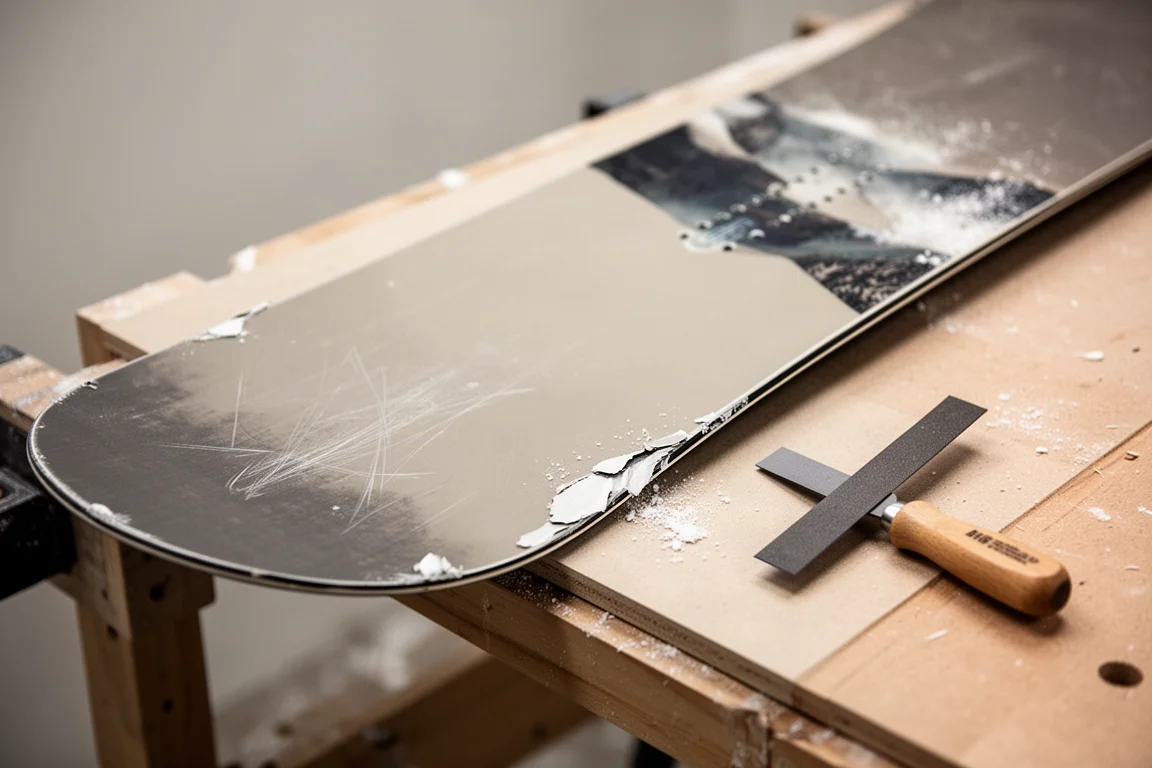
The topsheets also seem a little weaker and get chewed up relatively easily, which matters at this price point. A practical tip: if you get one, take a file and bevel the topsheet edge back a little to save it from getting hacked up in lift lines.
High-speed groomer cruising is also fatiguing. All that kinetic energy comes up underfoot, and it really wears you out over a day.
Buying Advice
Comparable boards worth looking at are the Ride Deep Fake, the Strond Descender, and the Rosinel Revenant. For bindings, the Arbor Cypress, Rome Katana Full Wrap, and Union Atlas are recommended pairings.
If this much carbon sounds like too much, the regular Kota is the friendlier alternative. The Carbon Kota is a different animal from the older Kota: much more power, stiffer with the carbon, but what is lacking is the edge hold. It is not as much fun to carve, and with the tail kicking out under hard pressure, consistency and trust become an issue.
Conclusion
The Arbor Carbon Kota is a powerful, snappy, aggressive freeride board that rewards riders who push hard and have the legs to back it up. What you put in is what you get out. But the inconsistent edge hold under hard carving pressure and fragile topsheets are real trade-offs to weigh before buying, especially if you only ride at this intensity a few days a season.
Product link
View more details for Arbor Carbon Kota
This product is mentioned in the review. Check the specifications, options, and compatibility before buying.
View more details for Arbor Carbon KotaFurther reading
Related Reviews
Snowboards
32 Middle Earth Scott Stevens Pro Model Snowboard Review: A Park Board With a Reversed Flex
A medium traditional camber park board with carbon V reinforcement that is stiffer in the tips and more playful between the feet. Here is how it rides and who it suits.
Snowboards
32 Snafu Review: A Directional All-Mountain Freestyle Board with Serious Pop
The 32 Snafu pairs a directional camber-rocker profile with a stiffening tail for powerful carves, big ollies, and a surprisingly damp ride.
Snowboards
32 XXX Pat Fava Pro Snowboard Review: A Stiff Camber Beast for Hard-Charging Riders
A full-width traditional camber deck that rewards aggression with stability and edge power, but demands effort everywhere else.