Reef Aquarium Salt
Aquaforest Salt Mixes Compared: Reef Salt Plus, Hybrid Pro, Reef Salt, and Probiotic Reef Salt
A practical guide to four Aquaforest salt mixes, including the new Reef Salt Plus and Hybrid Pro Salt, and how to match them to your reef tank's needs.

Introduction
Aquaforest has expanded its marine salt lineup with two new mixes: Reef Salt Plus and Hybrid Pro Salt. These join the existing Reef Salt and Probiotic Reef Salt, giving reef keepers a broader range of options for different tank styles and maintenance routines. All Aquaforest salt mixes are manufactured in Europe at the company’s own lab and undergo ICP OES testing to verify precise values for each batch. The results are available online, so you can check exactly what is in your bag of salt. Each mix is designed with a specific style of reefing in mind, with major, minor, and trace elements balanced accordingly.
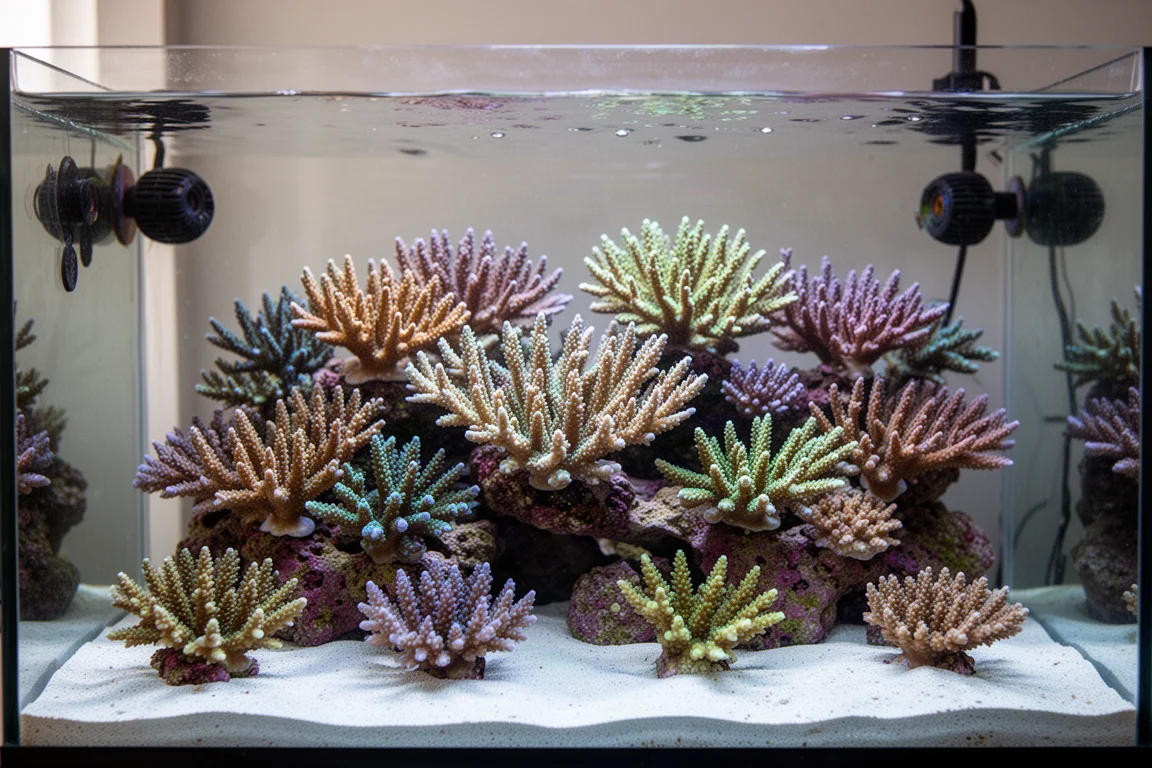
The two new salts are not simply replacements. They target distinct scenarios: one for mature, fast-growing reefs that consume elements quickly, and one for low-nutrient systems that benefit from probiotic bacteria. Below, we break down each of the four featured mixes to help you decide which fits your tank.
What Sets Aquaforest Salt Mixes Apart
Aquaforest produces its salt mixes in its own European lab, which allows for consistent quality control. Every batch is tested using ICP OES, and the results are published online so you can verify the exact elemental composition of your specific bag. This level of transparency is uncommon in the aquarium industry.
Each salt mix is formulated for a particular reefing approach. The major, minor, and trace elements are balanced to support that approach, whether you run a high-nutrient mixed reef or an ultra-low-nutrient SPS system. The salts also come in a range of sizes and packaging formats, so you can choose a container that matches your tank size and water change habits.
Aquaforest Reef Salt Plus: For Mature, Fast-Growing Reefs
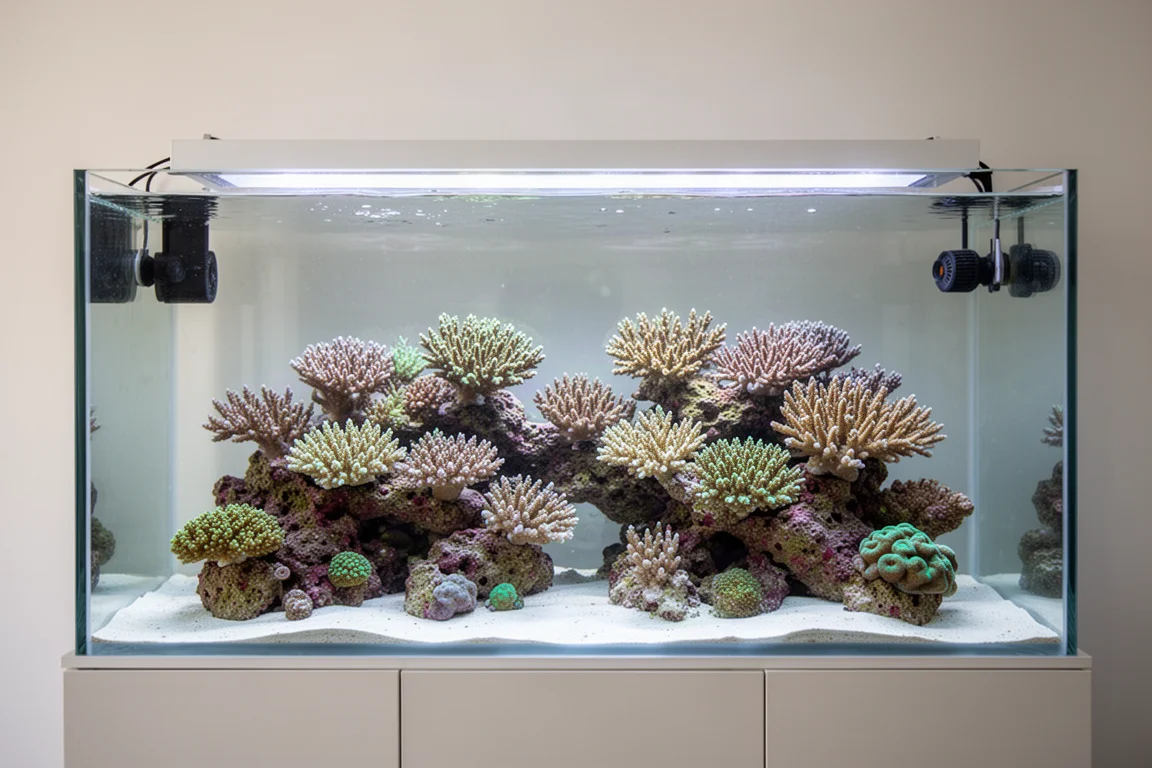
Reef Salt Plus is designed for reefers with mature aquariums that are packed with large coral colonies, especially SPS like Acropora. These corals consume major and minor elements at a high rate. Reef Salt Plus has elevated levels of alkalinity, calcium, and magnesium, along with other key elements, so water changes help replenish what the corals use. This can reduce the load on your dosing regimen.
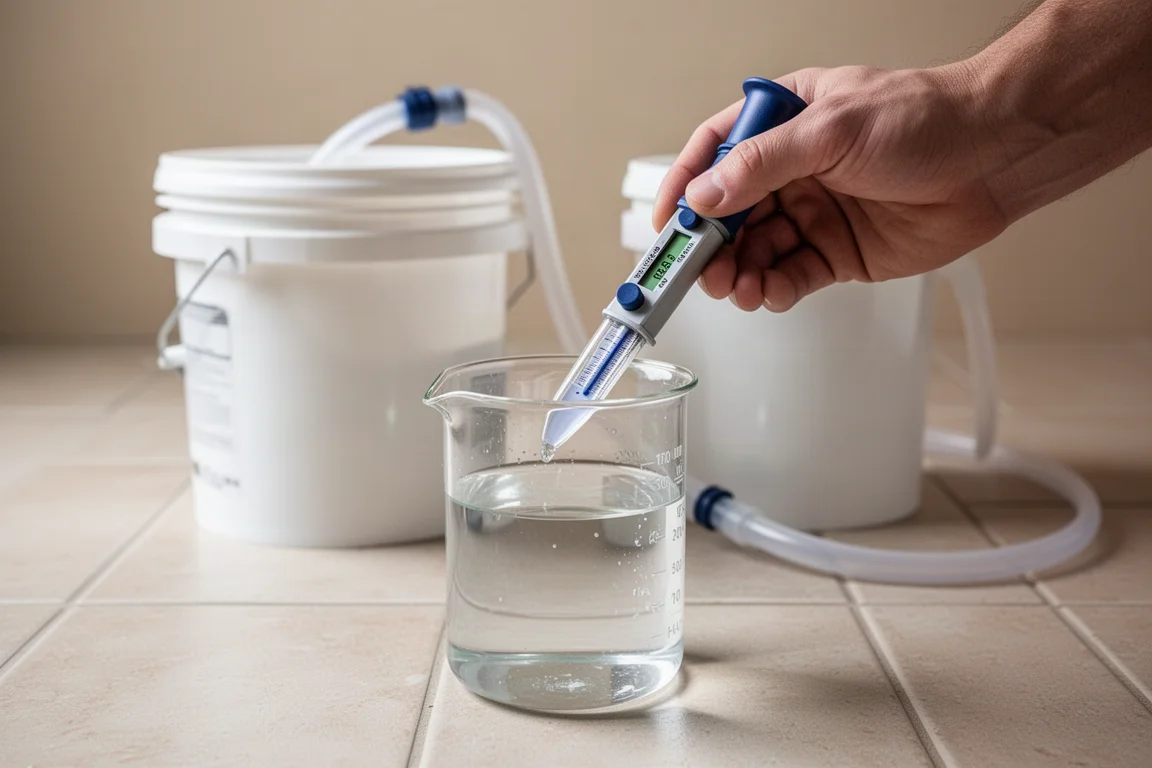
If you currently use the original Reef Salt and your tank has become densely stocked, switching to Reef Salt Plus can help maintain stable parameters without constantly adjusting your dosers. It is also a good choice if you simply prefer to keep your reef at elevated levels. When mixed to a salinity of 35 PPT, Reef Salt Plus delivers an alkalinity around 11.8 dKH, calcium around 459 mg/L, and magnesium around 1427 mg/L.
Mixing is straightforward: preheat your RODI water to between 75 and 77 degrees Fahrenheit, add the salt, and mix well for 15 minutes. After that, the water should be clear and the salt fully dissolved, ready for immediate use. Because of the elevated levels, it is best to use the mix within a few days. For long-term storage, the original Reef Salt is a better option.
Aquaforest Hybrid Pro Salt: Probiotic Power for Low-Nutrient Systems
Hybrid Pro Salt is an evolution of the Probiotic Reef Salt. It contains the same probiotic strains for managing excess nutrients, along with necessary vitamins and amino acids. The goal is to closely match the levels of major and minor elements found on natural reefs. Unlike some salt mixes that rely solely on mined salt, Hybrid Pro uses both mined salt and evaporated sea flakes, making it a more natural option.
This is a probiotic salt mix, so it is aimed at reefers who want to run ultra-low-nutrient systems, particularly SPS-dominated tanks. It includes live bacteria and carbon dosing to help keep nitrates and phosphates low. The mix is ideal for those who perform smaller water changes, such as 10 percent weekly, bi-weekly, or even monthly. It is important not to do large water changes with this mix, as it can drop nutrient levels rapidly. If you prefer larger water changes, you can blend Hybrid Pro with regular Reef Salt in a 50/50 ratio to balance the effect.
When mixed to 35 PPT, Hybrid Pro Salt yields an alkalinity of about 8 dKH, calcium around 431 mg/L, and magnesium around 1361 mg/L. Mixing follows the same process: preheat RODI water to 75 to 77 degrees Fahrenheit and mix very well for 15 minutes. Because it contains live bacteria, you should use the saltwater right away and avoid storing it for more than a day or two. The bacteria need a food source to survive, so the sooner the water goes into your reef, the better.

Aquaforest Reef Salt: The Dependable All-Rounder
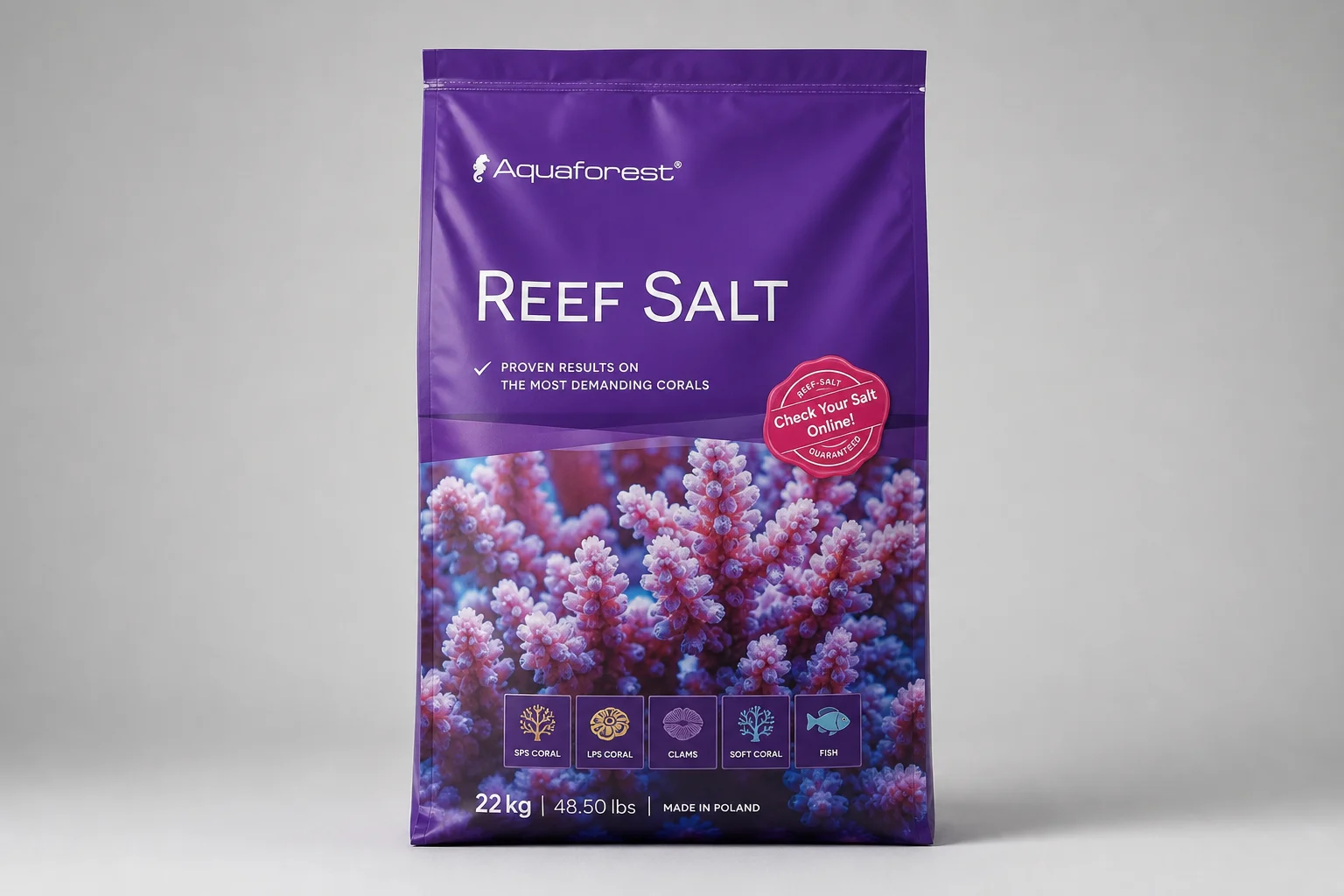
Reef Salt is the original mix that many reefers have relied on for years. It is a dependable all-purpose salt that works well for a wide range of tank styles. One of its key advantages is that it stores well for longer periods, making it a practical choice if you mix large batches in advance for automated water changes.
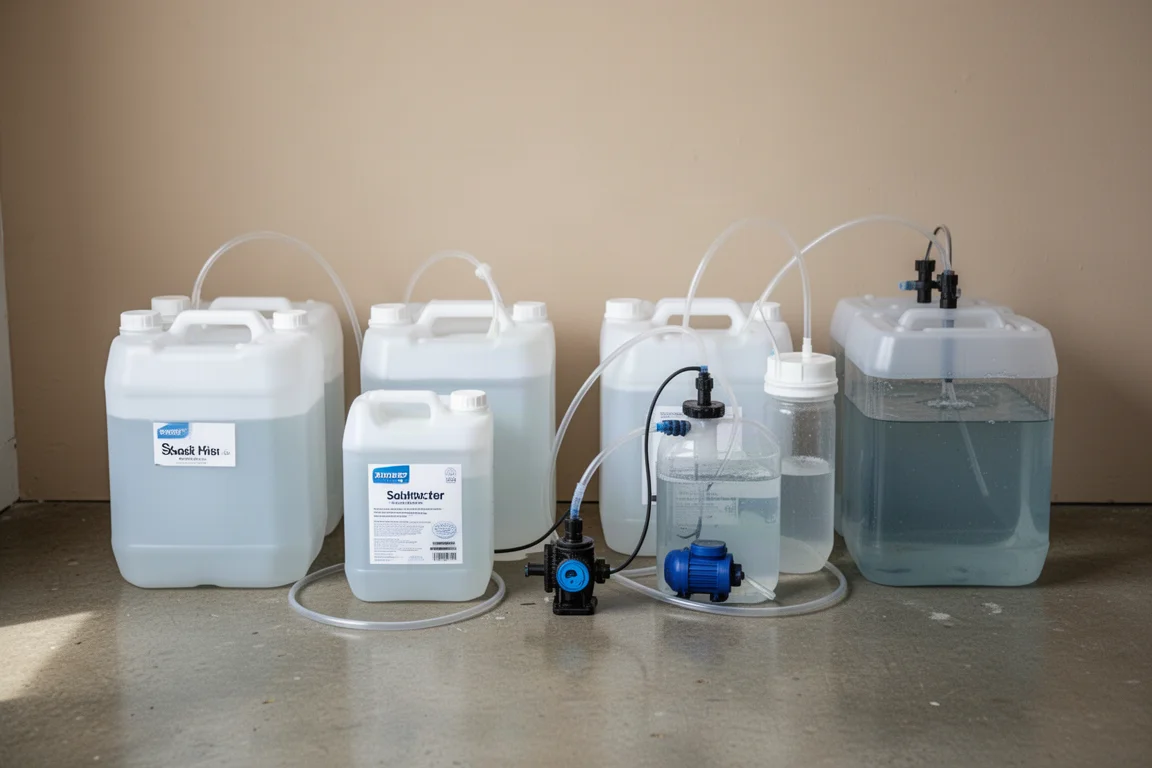
If you maintain a reservoir of saltwater for regular automatic water changes, Reef Salt is a sensible option. It also serves as a useful blending partner: if you want to use Hybrid Pro but prefer larger water changes, mixing it 50/50 with Reef Salt lets you balance the probiotic benefits with a more moderate nutrient impact. While it does not have the elevated elements of Reef Salt Plus, it provides a stable baseline that suits many mixed reefs.
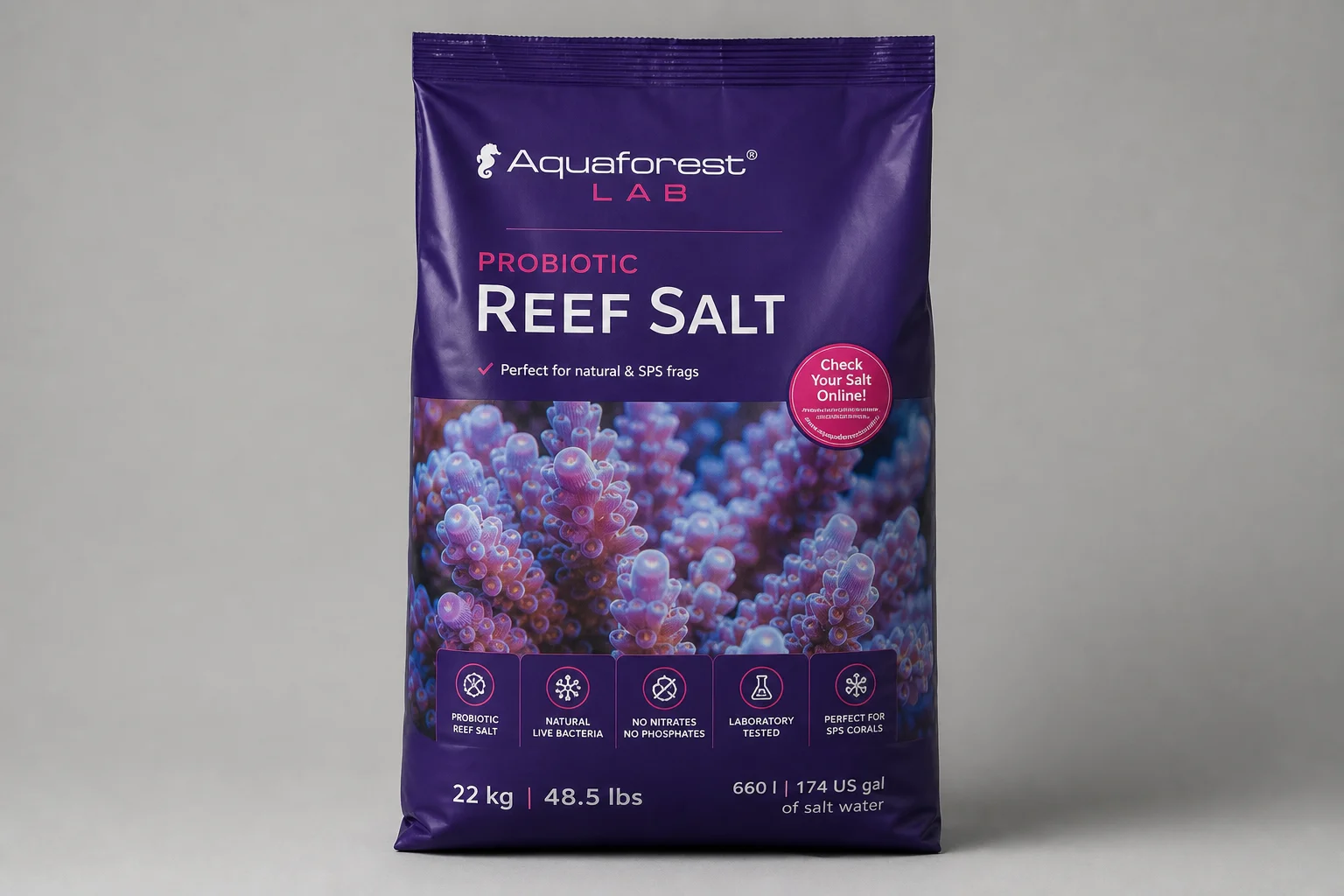
Aquaforest Probiotic Reef Salt: The Original Probiotic Blend
Probiotic Reef Salt is the original probiotic mix from Aquaforest. Like Hybrid Pro, it contains live bacteria and is designed for low-nutrient systems, particularly SPS-dominated tanks. It supports the same style of small, frequent water changes, typically 10 percent weekly or bi-weekly. The probiotic strains help manage excess nutrients, and the mix is formulated to promote a natural reef environment.
This salt is a good fit if you are already running a probiotic system and prefer a straightforward approach. As with Hybrid Pro, you should avoid large water changes, as the rapid nutrient drop can be stressful for corals. Mix it fresh and use it quickly, following the same 15-minute mixing guideline and using it within a day or two.
Which Aquaforest Salt Is Right for Your Reef?
Choosing the right salt comes down to your tank’s maturity, coral load, and maintenance routine. If your tank is mature and densely stocked with SPS corals that consume elements quickly, Reef Salt Plus can help maintain elevated parameters and reduce dosing demands. If you run an ultra-low-nutrient system and perform small, frequent water changes, Hybrid Pro Salt or the original Probiotic Reef Salt are designed for that approach. Hybrid Pro adds evaporated sea flakes for a more natural mineral profile, while Probiotic Reef Salt remains a solid, straightforward probiotic option.
For reefers who mix and store large volumes of saltwater, the original Reef Salt is the most practical choice. It also works well as a blending partner if you want to use a probiotic salt but need to perform larger water changes. There is no single best salt for everyone. The right pick depends on how your reef consumes elements, how you manage nutrients, and how you handle water changes.
Conclusion
Aquaforest’s expanded lineup gives reef keepers more precise tools for matching salt mix to reefing style. Reef Salt Plus supports mature, high-consumption tanks with elevated elements, while Hybrid Pro Salt brings probiotic benefits and a natural mineral profile to low-nutrient systems. The original Reef Salt remains a reliable all-rounder that stores well, and Probiotic Reef Salt continues to serve those who prefer a classic probiotic approach. By understanding what each mix offers, you can choose the one that keeps your reef stable and healthy with less guesswork.
Further reading
Related Reviews

Reef Aquarium Salt
Best Tropic Marin Salt for Your Reef Tank: Classic vs Pro Reef vs Bioactive vs Symbiotic
A practical guide to the four Tropic Marin salt mixes, what each one is designed for, and how to match one to your reef, fish-only system, or automatic water change setup.
Saltwater Aquarium Setup
10 Questions About Cycling a Saltwater Aquarium: What You Need to Know
Essential questions and answers for cycling a reef tank or saltwater aquarium, from biome building to light management and bacterial supplements.
Aquarium Equipment
Adaptive Reef Hybrid Algae Reactor Review: One Reactor, Three Ways to Grow Algae
A close look at the Adaptive Reef Hybrid Algae Reactor, which runs as an algae turf scrubber, a macro algae reactor, or a refugium, and pairs with the AI Blade Refugium LED.