Aquarium Substrates
Aqua Soil Review: A Planted Aquarium Substrate Built for Rearranging
Aqua Soil compared with a dirted substrate in a long-running planted tank test, and what that means for aquascapers who replant often.
Introduction
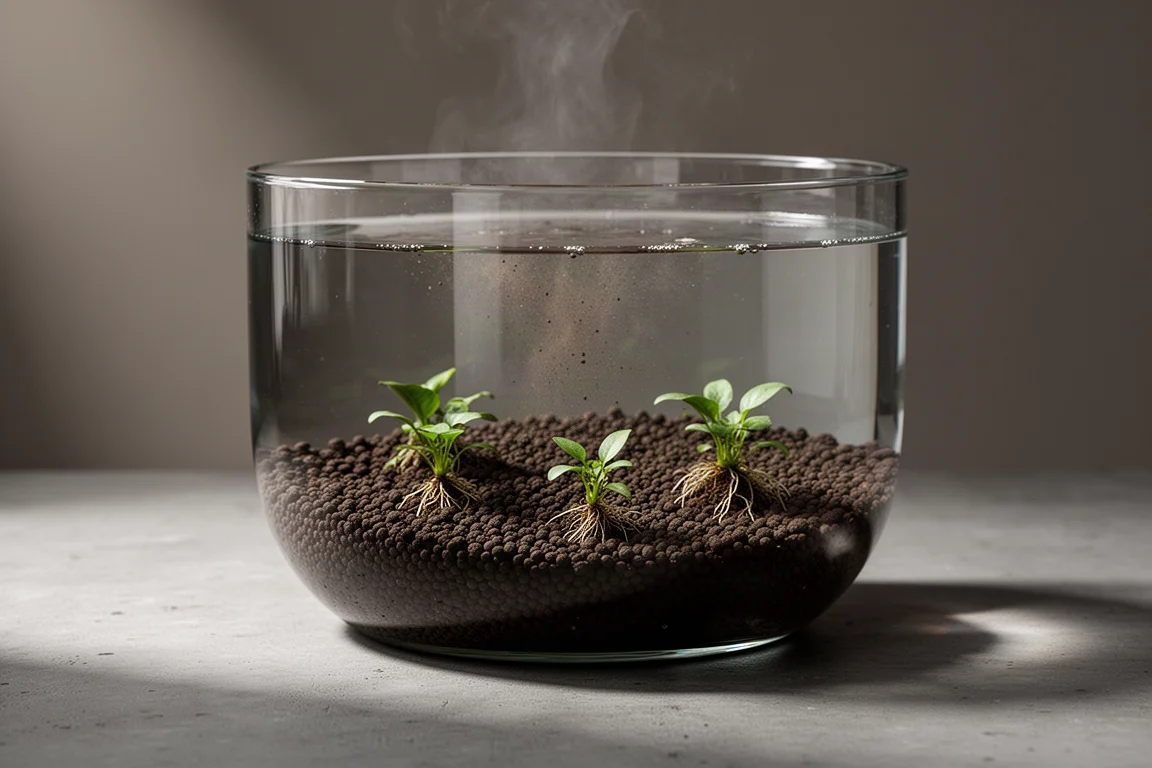
Two planted tanks were set up side by side and run through the same period of growth: one on a dirted substrate capped with sand, and one on Aqua Soil. Both produced healthy plants and both looked convincing, which is not the tidy result a substrate debate usually promises. The dirted tank leaned greener and thicker in the section where the plant mass was heaviest, and the Aqua Soil tank kept pace throughout, with no obvious penalty in plant health or colour.
That outcome matters because it reframes the buying question. Aqua Soil is not the substrate that rescues a struggling planted tank, and dirt is not the compromise option that quietly holds you back. The real difference is how each one behaves once you start working in the tank, moving plants, replanting, rescaping, and changing your mind.
Who This Aqua Soil Is For
Aqua Soil makes most sense for anyone who treats a planted aquarium as something to be rearranged rather than simply grown out. If you pull plants, shift foreground carpets, try a new layout every few months, or run several tanks in rotation, the granular structure is a genuine convenience. Roots lift out cleanly, the substrate holds its shape, and a rescape does not turn into a cloudy rebuild.
It also suits aquarists who want a strong starting point without building a soil layer by hand. Aqua Soil gives a planted setup a productive base from day one, and the results in this comparison showed up quickly and consistently across the growing period.
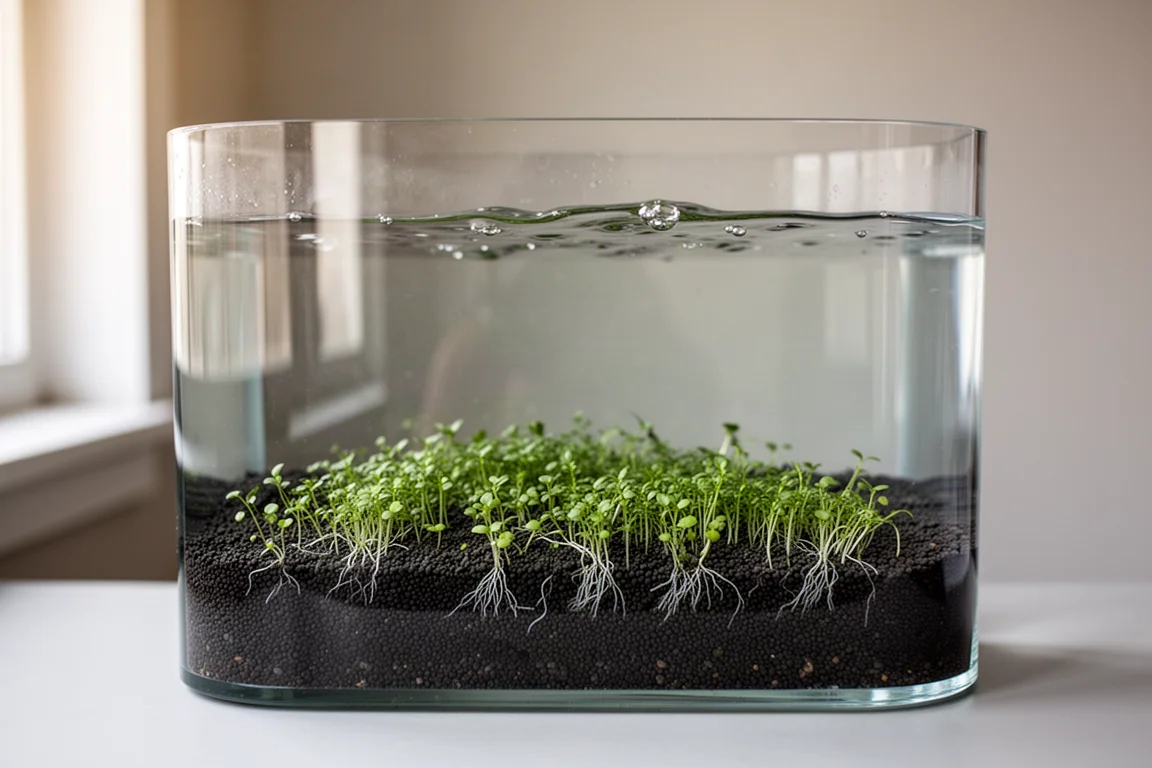
The people most likely to be disappointed are those expecting Aqua Soil to be a strict upgrade over a well-built dirted tank. On the evidence of this test, it is not. Both approaches delivered comparable plant growth, and the choice comes down to working style and budget rather than measurable superiority.
Main Strengths of Aqua Soil
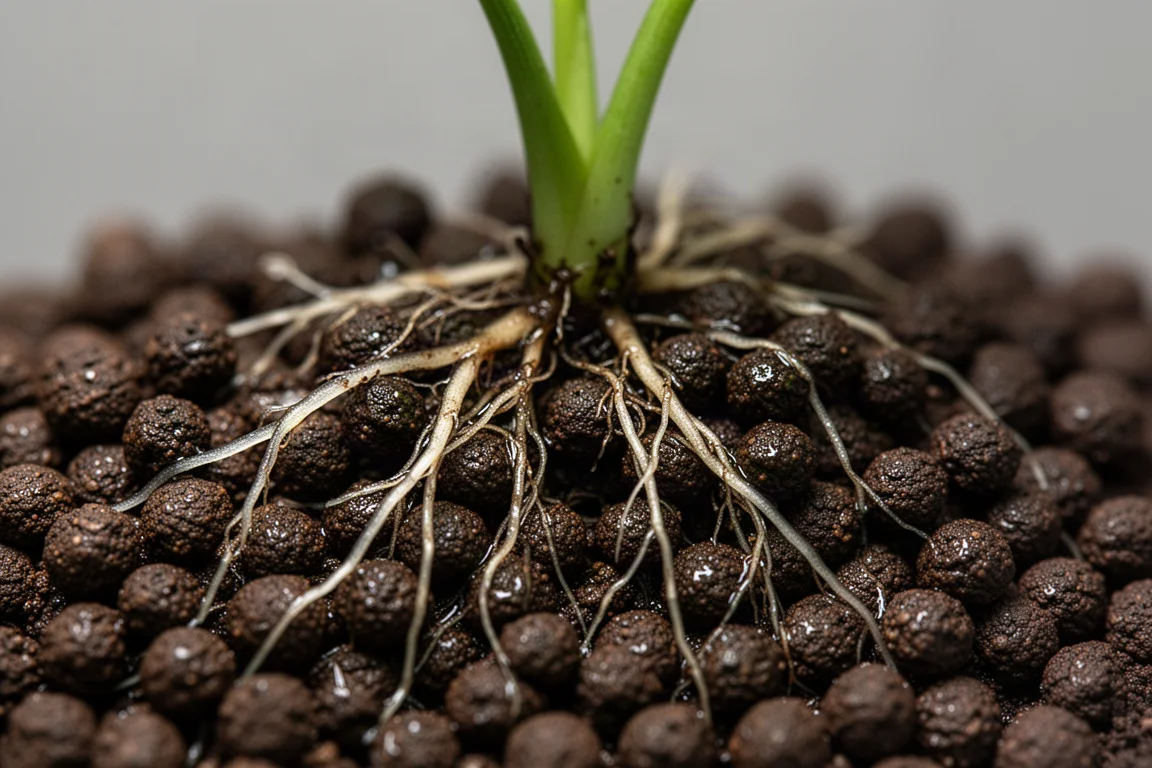
The standout quality is stability under handling. Because the substrate is granular, planting and replanting do not disturb the layer underneath. Stems go in easily, root systems develop into the granules, and removing a plant leaves a small, tidy void instead of a crater of released sediment.
Aqua Soil also simplifies the setup itself. There is no mixing, no capping layer, and no guesswork about depth ratios, which shortens the gap between an empty tank and a planted one considerably. Carpets establish over the granules with roots visibly knitting into the substrate, and the surface stays workable through repeated planting sessions.
A third practical advantage is aesthetic control. If you want a dark, moody aquascape, a lighter mineral look, or something in between, the granular substrate can be paired with a capping sand to shift the tone without changing how the substrate behaves underneath. That flexibility is harder to achieve once soil has been laid down and capped.
Aqua Soil vs a Dirted Substrate
A dirted tank is built from soil capped with a sand layer. It is inexpensive, it grows plants extremely well, and in this comparison it produced vivid, dense growth that matched the Aqua Soil tank in overall health. Anyone on a tight budget can put together a successful planted aquarium this way, and the results justify the approach.
The trade-off is permanence. Once a soil layer is in place, moving plants around disturbs it, and a heavy rescape can release organics into the water column. The comparison also highlighted a second limitation: a loose decorative foreground does not survive certain bottom-dwelling fish, which will sift and shift the surface layer as they feed.
Cost separates the two as well. Aqua Soil is not a cheap purchase, and a full tank’s worth adds up quickly, whereas soil and sand are inexpensive materials. That price gap is the honest trade: you are paying for convenience and repeatability rather than for noticeably better plant growth.
Things to Consider Before Buying
The first thing to accept is that Aqua Soil does not eliminate maintenance or guarantee a result. It gives plants a productive base, but light, feeding and water quality still do the heavy lifting, and both substrates in this test responded well because the tanks were managed properly.
Think honestly about your habits. If you set up a scape and leave it largely undisturbed for its life, the handling advantage of Aqua Soil is money you may not need to spend, and a dirted tank will serve you just as well. If you are constantly planting, lifting, and rearranging, that same advantage is the whole point.
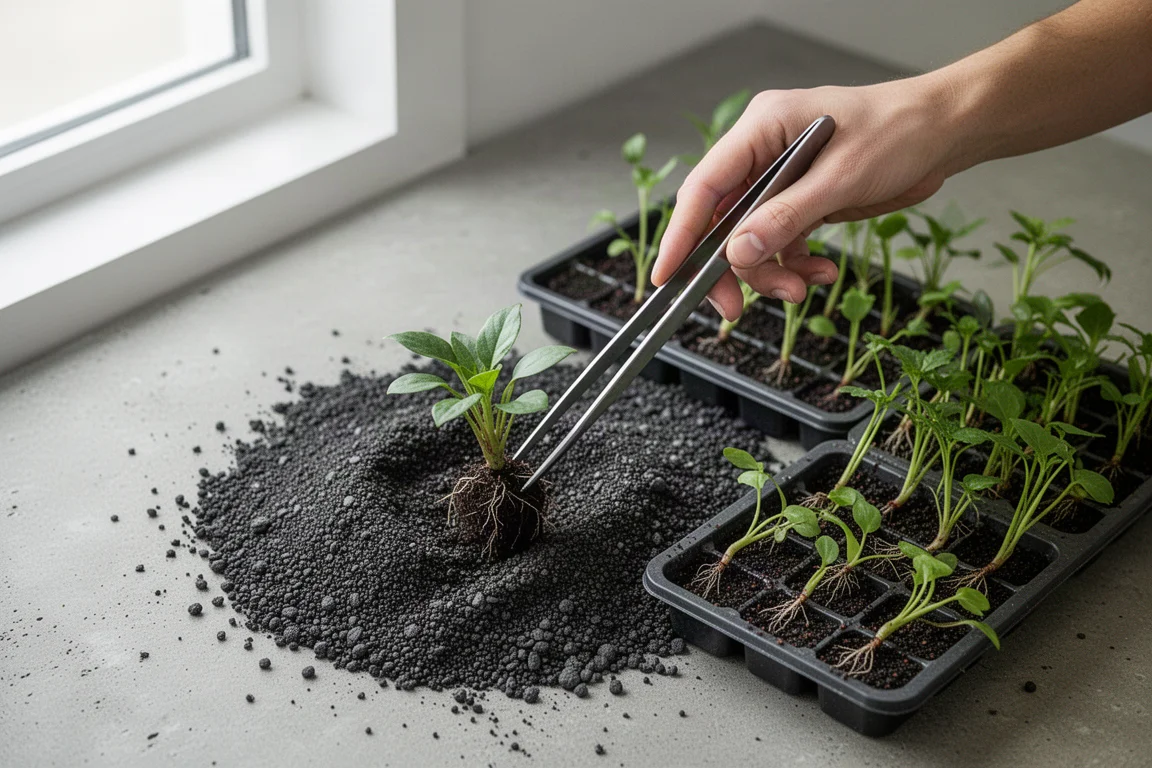
It is also worth planning the layout before you buy. Bulk substrate is awkward to store and expensive to top up later, so deciding on depth and coverage up front avoids both waste and a second order. If you intend to cap Aqua Soil with sand or gravel, budget for the capping material at the same time.
Buying Advice
Buy Aqua Soil if your planted aquarium is a workspace rather than a fixed display. Frequent replanting, rotating tanks, and repeated rescapes are exactly where it earns its price, and the instant productive start is a real benefit on a new setup. It is a considered purchase, and the people who get the most from it are the ones who will interrupt the substrate layer regularly.
Skip it if you want a single, stable aquascape that runs for a year with minimal disturbance, or if the budget is better spent elsewhere in the build. A dirted substrate capped with sand produced equally healthy plants here, and the only meaningful sacrifices were the ability to rearrange freely and the resistance of the foreground to fish that root around in it.
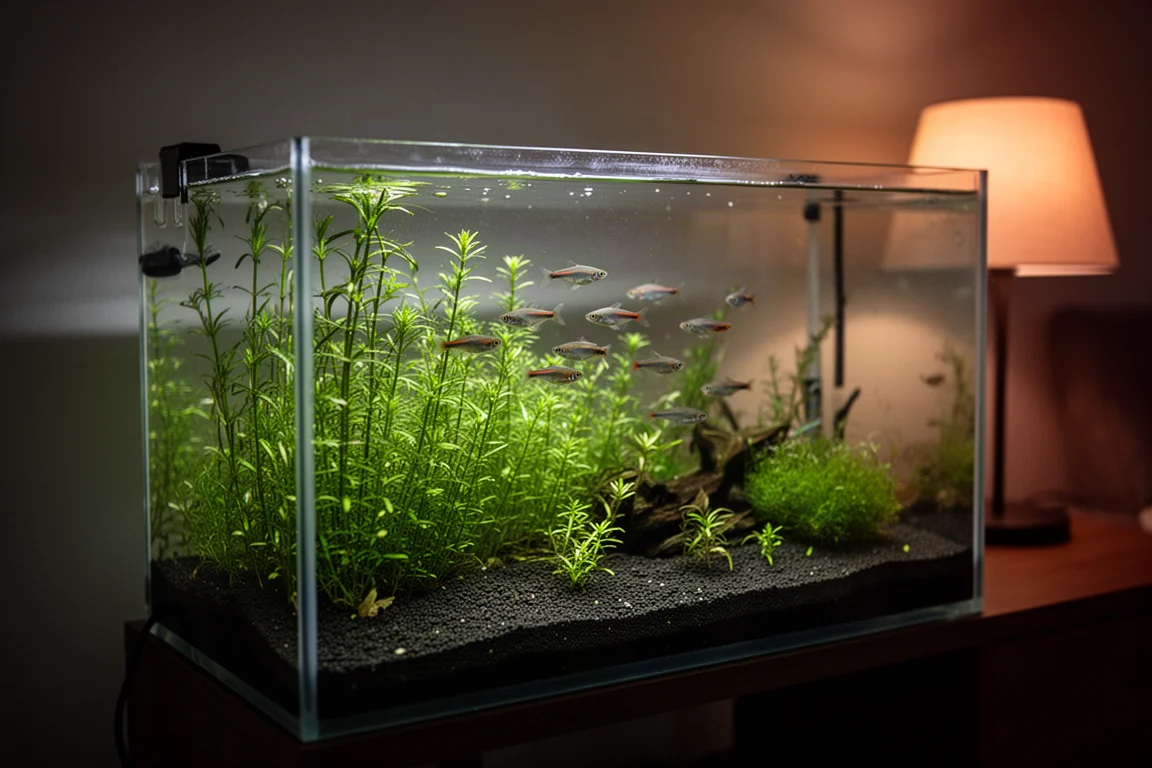
Whichever route you take, buy enough to build the depth you actually want in one go, and match the capping material to the look you are after. Both substrates work. The decision is about how you plan to use the tank, not about which one grows plants better.
Conclusion
After running the comparison to its natural end, the honest verdict is that Aqua Soil and a dirted substrate are peers. Neither one outperformed the other on plant growth in a way that justifies declaring a winner. Aqua Soil wins on handling, setup simplicity and layout flexibility, and it asks for a higher upfront spend. Dirt wins on cost and delivers the same healthy growth, provided you are willing to leave it largely alone and accept that loose foregrounds will not survive certain fish.
If you replant often and enjoy rebuilding your tanks, Aqua Soil is the more comfortable choice and a reasonable investment. If you build once and watch it grow, the inexpensive route is genuinely competitive. Both are good. Pick the one that matches how you keep your aquariums.
Product link
View more details for Aqua Soil
This product is mentioned in the review. Check the specifications, options, and compatibility before buying.
View more details for Aqua SoilFurther reading
Related Reviews
Aquariums
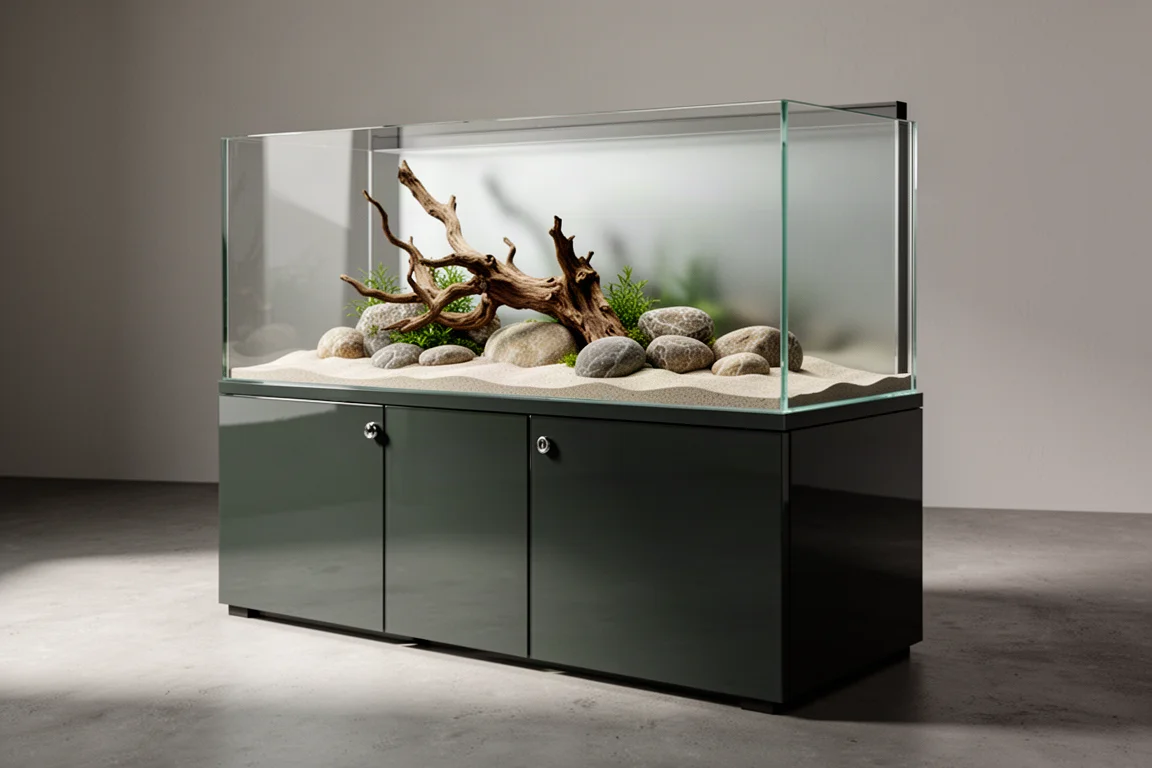
Aqua Marin 1200 Planter Review: A Four-Foot Open-Top Aquarium Worth the Space
A close look at the Aqua Marin 1200 Planter, a four-foot open-top aquarium with a factory-fitted frosted back panel, a built cabinet, and a six-way switched power strip included.
Aquariums
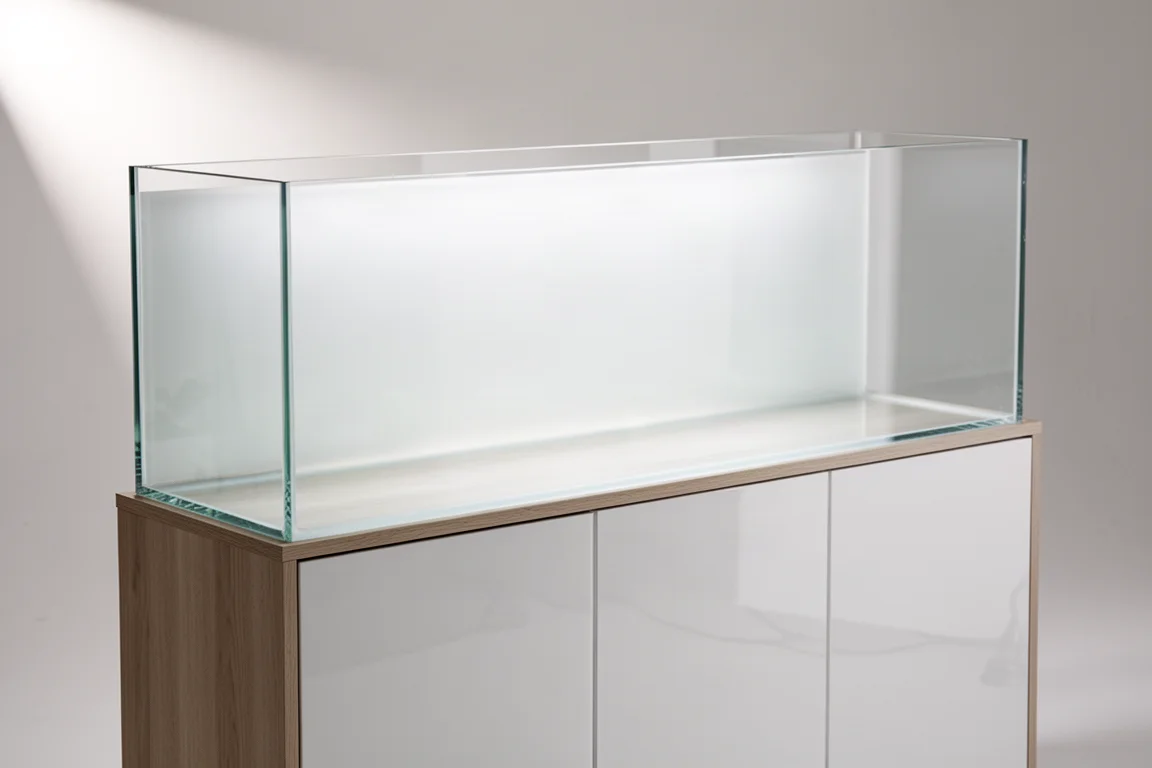
Aqua Marin 1200 Review: A Four-Foot Open-Top Aquarium With a Cabinet Worth Showing Off
A complete four-foot open-top aquarium package with a pre-built cabinet, frosted back panel, and a fitted six-way switched socket strip, at a price that undercuts most expectations.
Aquascaping
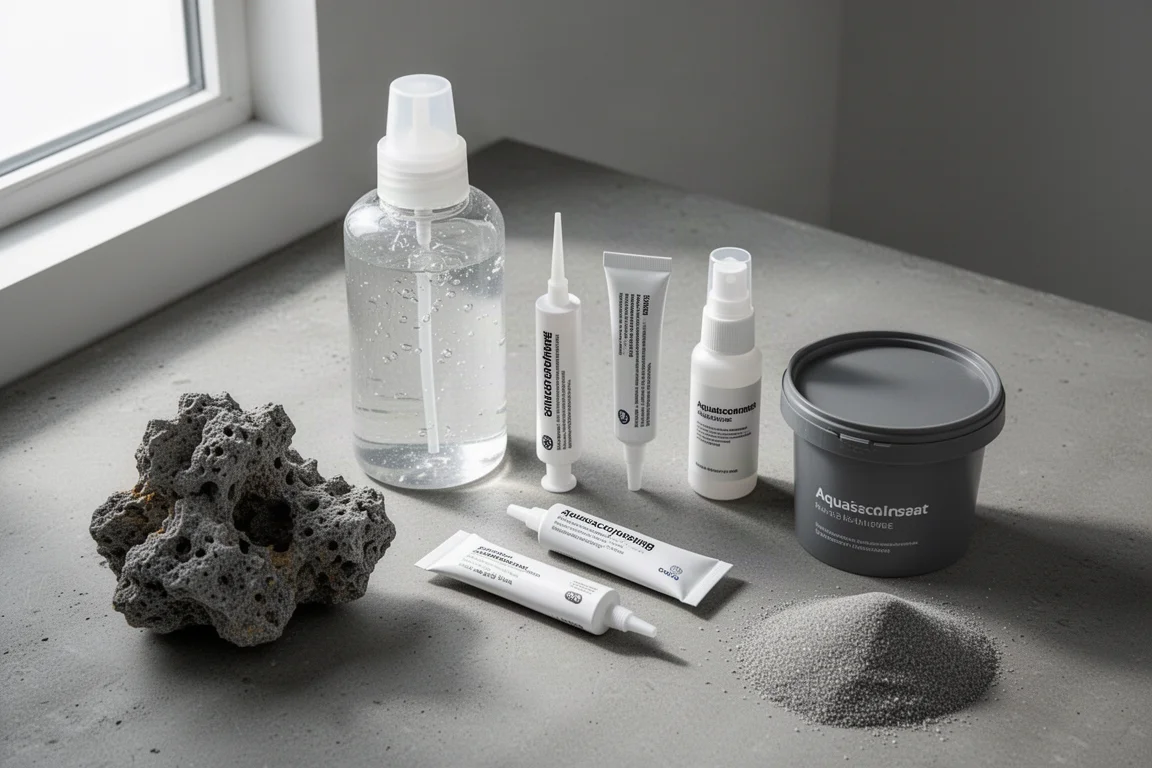
Aquascaping Adhesives Buyer's Guide: Super Glue, Accelerator, and Mortar
A practical guide to the four adhesives that hold a reef aquascape together, from extra thick gel and underwater glue tubes to instant accelerator and load-bearing mortar.