Running Watches
Apple Watch Series 7 vs Garmin Fenix 7 vs Garmin Epix: Which Watch Fits Your Training
A practical three-way comparison of the Apple Watch Series 7, Garmin Fenix 7 and Garmin Epix, covering GPS accuracy, mapping, battery life, smart features and price.
Introduction
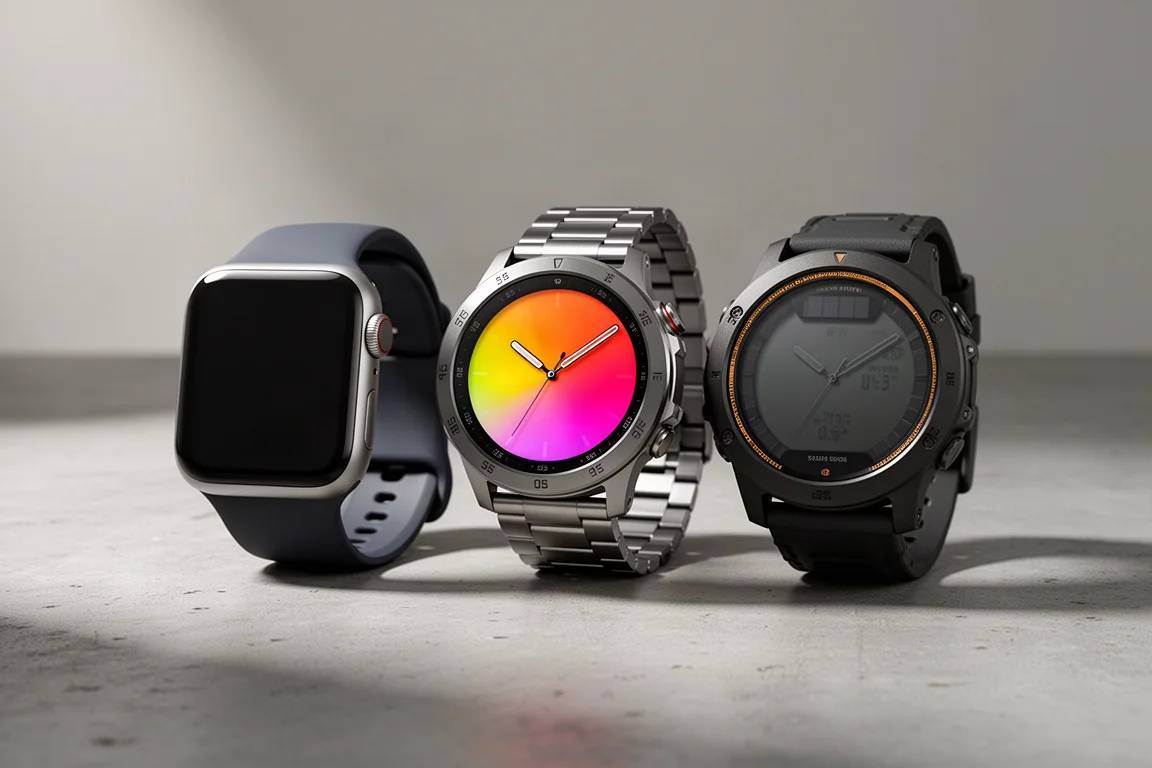
Choosing between the Apple Watch Series 7 and Garmin’s two flagship sports watches, the Fenix 7 and the Epix, looks like an odd decision on paper. One is a smartwatch, while the other two are specialist training tools. In practice, buyers hunting for the best option in each category often end up weighing exactly these three.
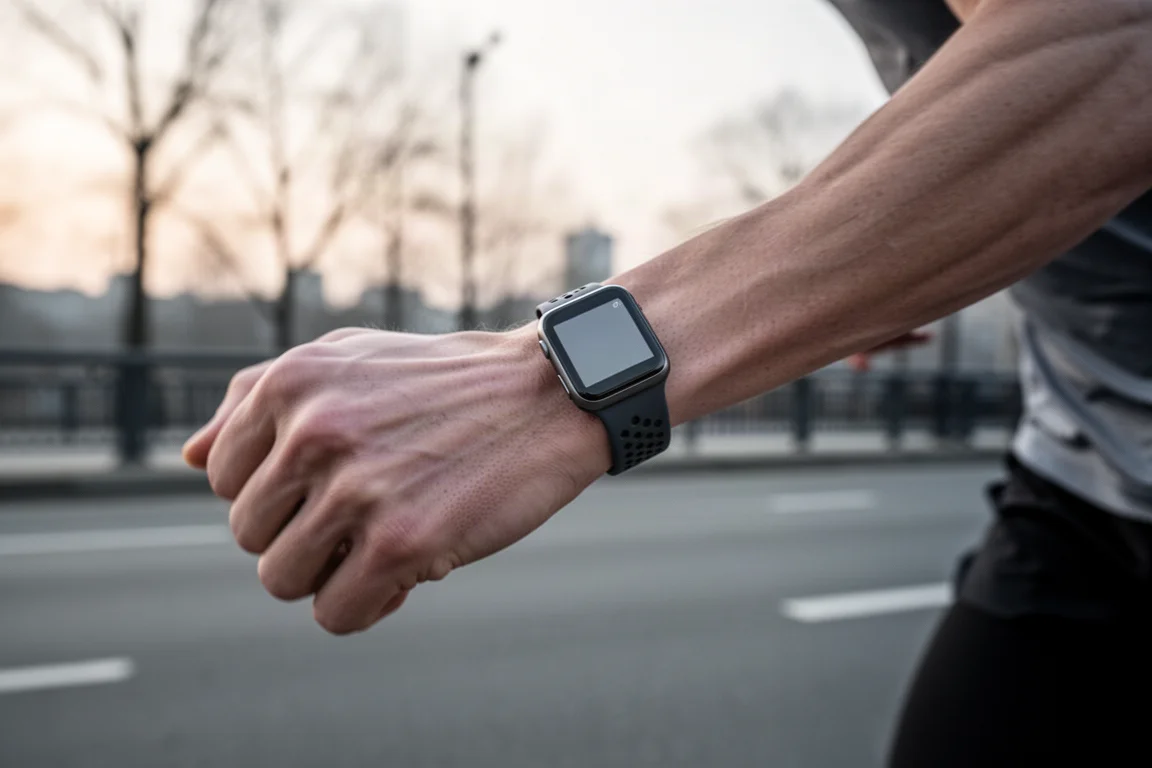
All three track runs reliably, all three cover everyday activity, and all three sit at the top of their respective ranges. The real differences come down to how much work you have to do to unlock the training features you want, how often you are willing to charge, and whether you value a polished smartwatch experience more than an endurance-focused tool.
Price matters here as well. The Apple Watch Series 7 starts at £369, the Fenix 7 from £599.99, and the Epix from £799.99, so the trade-offs are not purely technical.
Apple Watch Series 7: The Smartwatch Foundation
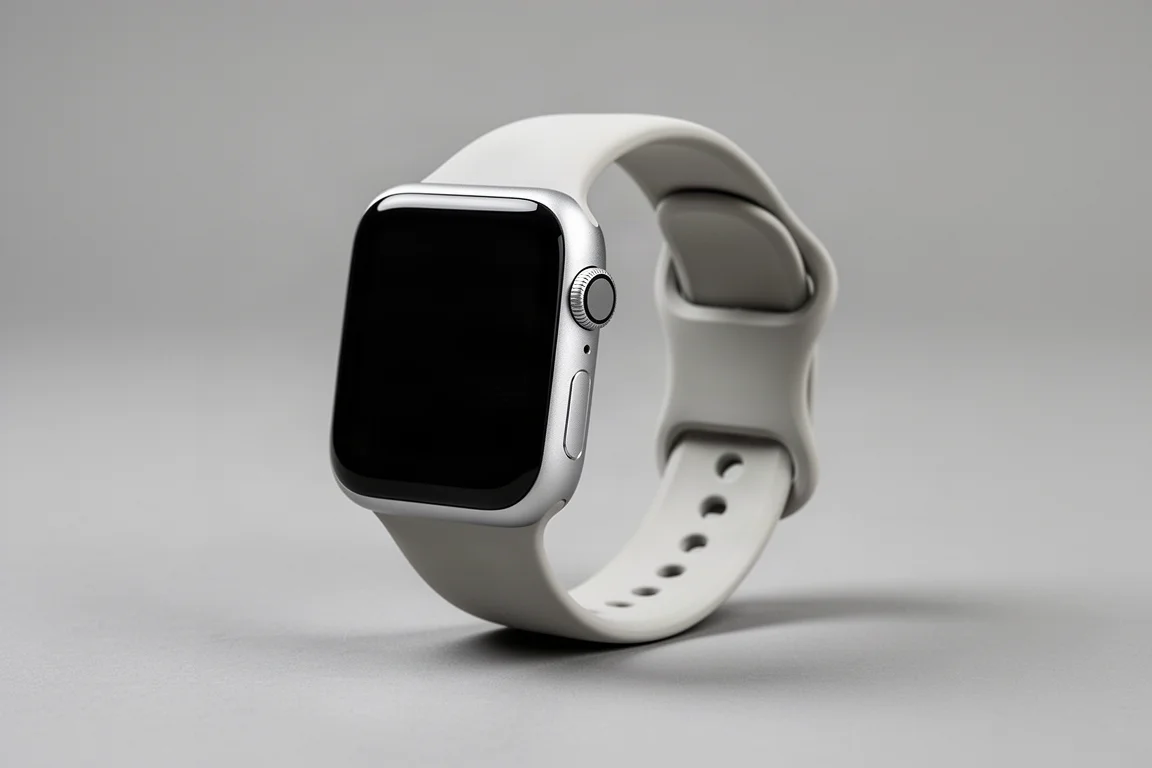
The Series 7 comes in 41mm and 45mm sizes with an always-on LTPO OLED Retina display, and in aluminium, stainless steel or titanium finishes. It carries WR50 water resistance and IP6X dust resistance, and it can call on five satellite systems at once: GPS, GLONASS, Galileo, QZSS and BeiDou. Onboard sensors include a compass, an always-on altimeter, a blood oxygen sensor, an ECG sensor and an optical heart rate sensor.
It is the lightest and smallest watch of the three, which makes it the easiest to wear around the clock. It is also the only one that requires an iPhone, while both Garmin watches work across platforms. Battery life is rated at 18 hours, and that figure is the single biggest compromise you accept.
The native running app is deliberately simple, with no lap pace field and a basic screen layout. Runners who want richer data generally add third-party apps, and those apps are what turn the Series 7 into a credible training watch rather than just a smartwatch.
Garmin Epix: Bright AMOLED Display and Full On-Watch Mapping
The Epix is Garmin’s AMOLED flagship and comes in a single 47 x 47mm size, matching the standard Fenix 7. Its 1.3-inch AMOLED touchscreen is brighter and more colourful than the transflective displays used across the Fenix 7 range, and that extra brightness is the main reason the Epix feels closer to a smartwatch in daily use. It also comes at a cost, because battery life is shorter than the Fenix 7.
Like the Fenix 7, the Epix is available with a steel or titanium bezel and with glass or sapphire crystal, and it shares the same water resistance rating as its sibling. Sensors include a heart rate monitor, a pulse oximeter, an altimeter, a barometer and a compass, and additional sensors can be paired over Bluetooth or ANT+.
GPS options include a GPS-only mode for the best battery life, multi-GNSS tracking that combines GPS, GLONASS and Galileo, and multi-band tracking on the pricier sapphire versions, which uses two bands across all the satellite systems for greater accuracy at a higher battery cost.
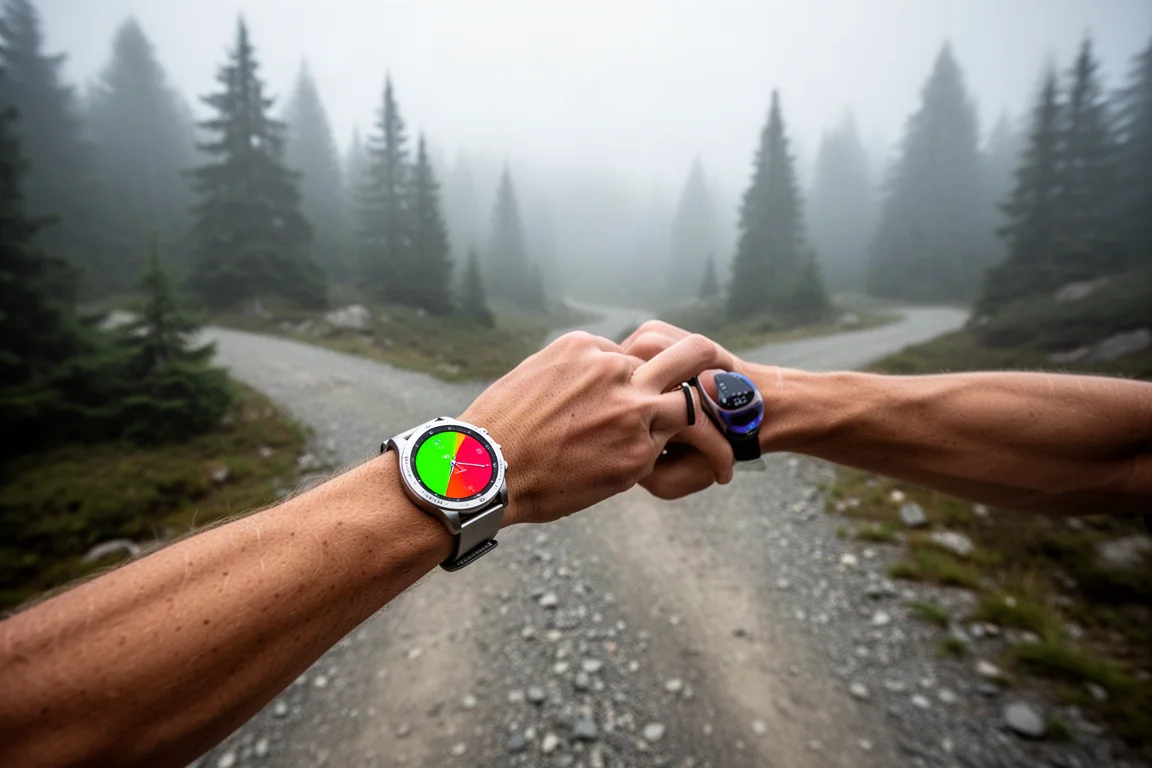
The payoff for that screen shows up in mapping. Colour maps on the wrist, on-the-fly route creation, turn-by-turn directions and climb detection are all native here, and the vivid display makes them genuinely easy to follow on the move. That combination of bright screen, full mapping and a broad set of smartwatch features is what positions the Epix as the middle ground between the Apple Watch and the Fenix 7.
Battery figures land at six days in smartwatch mode, or around 16 days with raise-to-wake instead of an always-on screen, with roughly 30 hours of GPS tracking with the screen always on and about 42 hours without. Pricing starts at £799.99 for the steel model and £899.99 for titanium.
Garmin Fenix 7: Battery Endurance and Rugged Durability
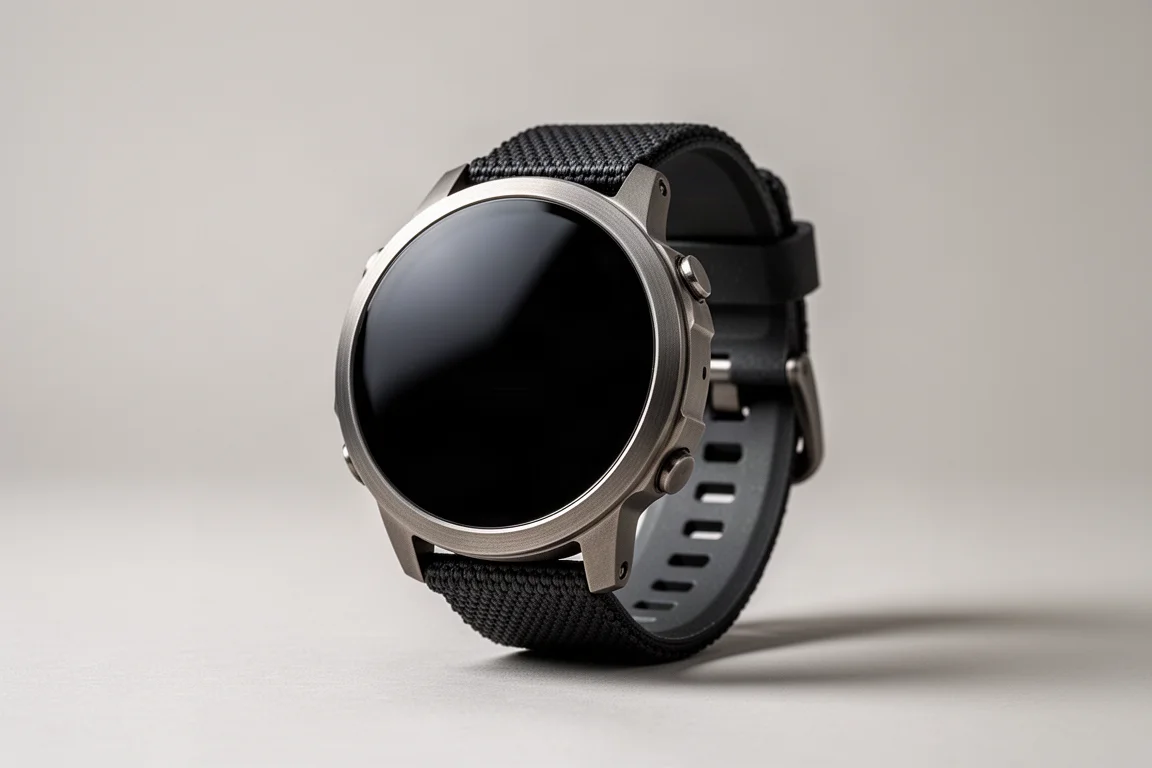
The Fenix 7 is the longest-lasting watch here and the only one offered in three sizes: the smaller 7S, the standard 47mm 7, and the larger 7X. Displays are transflective touchscreens measuring between 1.2 and 1.4 inches, and some models add solar panels around the display to extend battery life further.
Battery life is rated at 18 days in smartwatch mode and 57 hours of GPS tracking on the standard model, with solar versions pushing those numbers higher still. Accuracy-focused settings such as multi-GNSS and multi-band reduce those figures, but the transflective display never costs you battery life while it stays always on, which is a meaningful advantage on long days out.
Bezel options mirror the Epix, with steel as the base material and lighter, more expensive titanium available, and screen protection moves from glass on base models to sapphire crystal on the pricier versions. Prices start at £599.99 for the standard Fenix 7S and 7, £699.99 for solar models and £899.99 for sapphire solar, while the 7X starts at £899.99 for the solar watch and £999.99 for the sapphire solar version.
The trade-off is the display. It is dimmer and less saturated than the Epix, and the watch looks and feels more rugged than anything else in this group. Runners who spend long hours on trails tend to see that as the right call.
GPS Accuracy, Heart Rate and Training Analysis
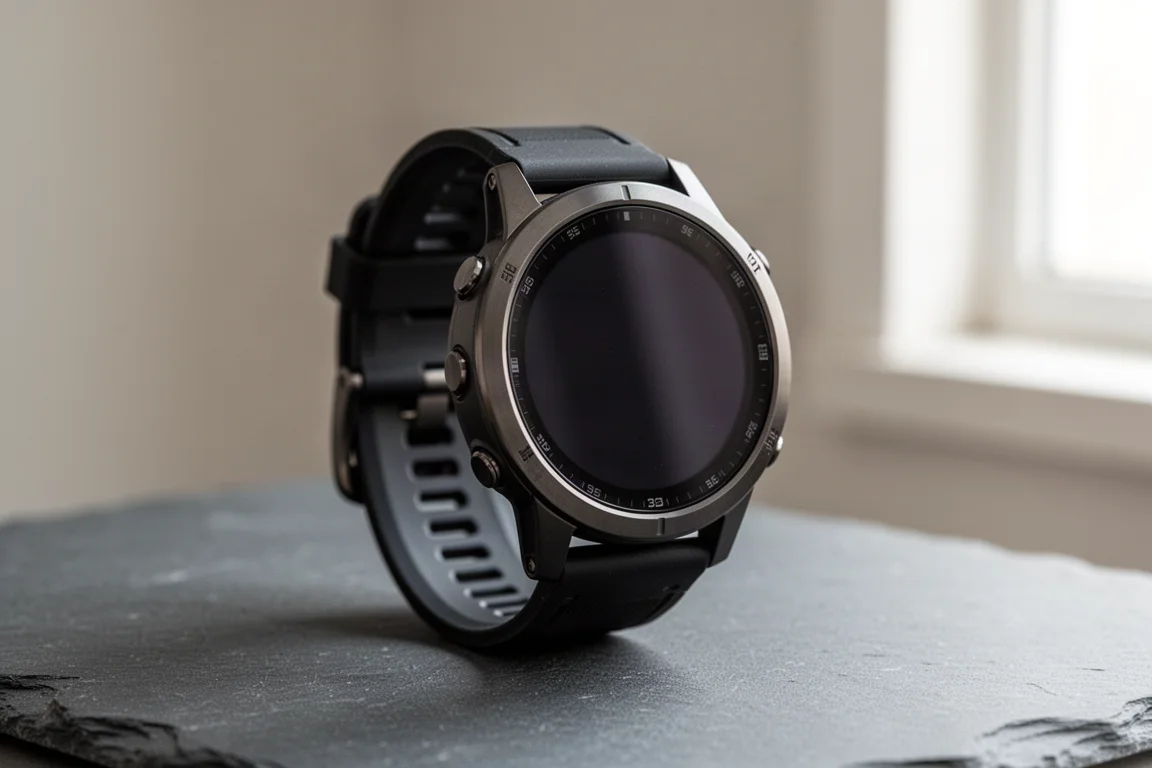
On GPS accuracy, all three are close enough that the choice rarely comes down to tracking quality. The Apple Watch supports several satellite systems at once and has quietly become a strong performer, while the Garmin watches add multi-GNSS and, on sapphire models, multi-band tracking for an extra layer of precision. Dropouts still happen on any watch, so none of these three should worry you on that front.
There is one Apple Watch habit worth knowing. If you rely on third-party apps that use the accelerometer alongside GPS to judge distance, occasionally run with the native workout app so the accelerometer can recalibrate. Skip it, and distance readings can gradually drift.
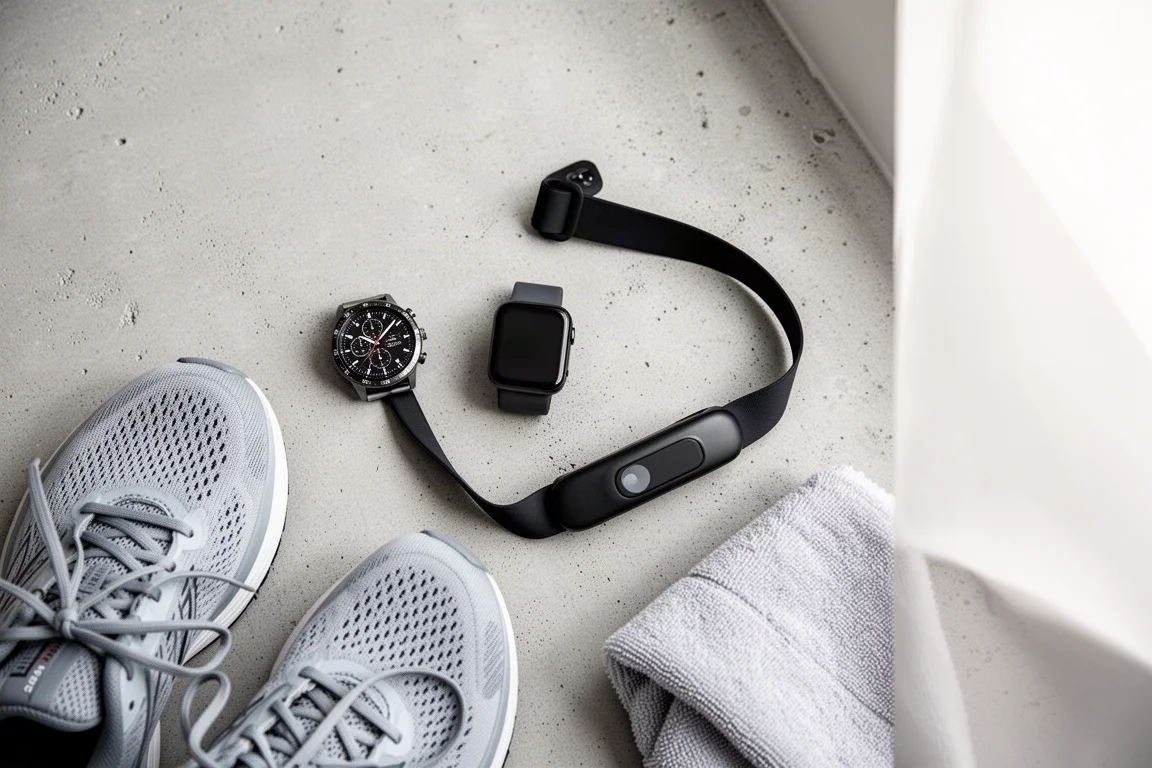
Optical heart rate performance is broadly similar across all three. The Series 7 has one of the better optical sensors around, helped by a small, neat case that fits the wrist well, and it also offers ECG readings. For data you plan to feed into training loads, a chest strap remains the better option. The Apple Watch pairs straps over Bluetooth, while the Garmin watches accept both Bluetooth and ANT+, which allows several sensors at once.
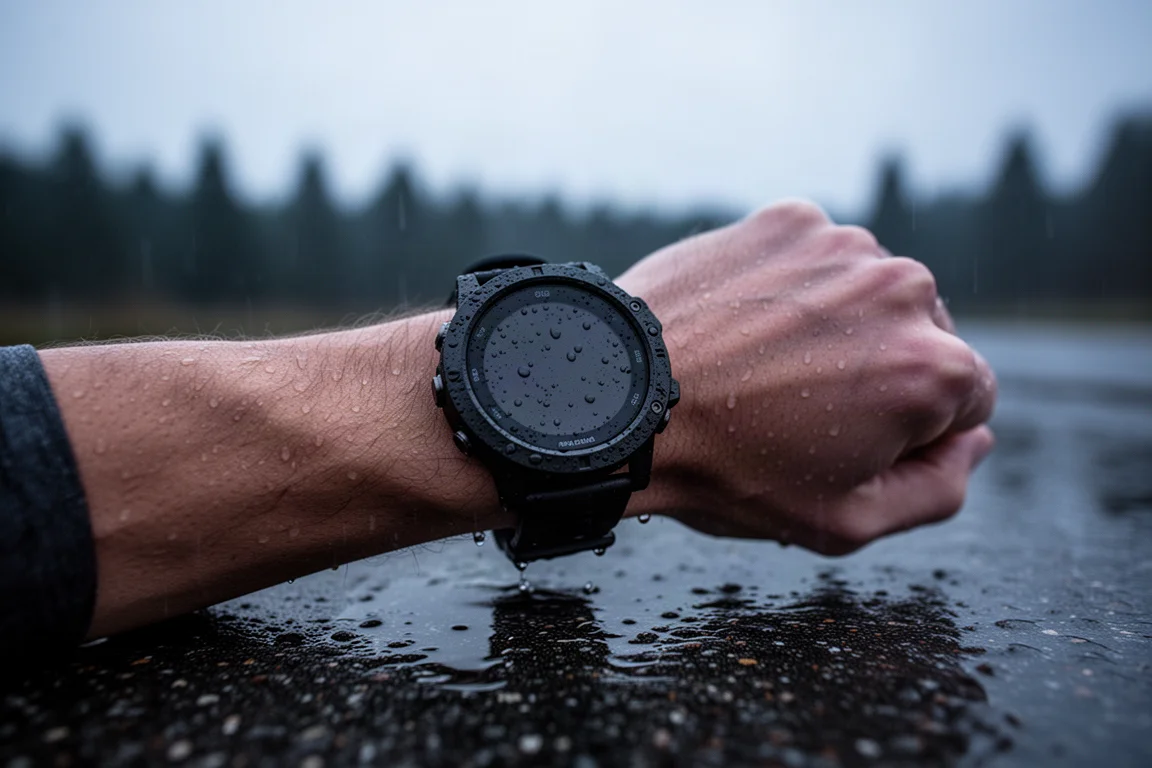
Where the gap is widest is training analysis. The Garmin watches handle training load, suggested daily workouts, recovery guidance and coaching tools such as Garmin Coach natively on the watch and in Garmin Connect. The Apple Watch offers nothing comparable out of the box, and third-party apps have not fully closed that gap. Reviewing a run follows the same pattern, with the Apple Watch leaning on exporting to Strava while Garmin Connect has considerably more analysis built in. Structured workouts behave the same way: easy to build on the watch or in Garmin Connect, and dependent on third-party apps on the Apple Watch.
Battery Life, Smart Features and Everyday Tracking
Battery life is not a close contest. The Series 7 is rated at 18 hours and realistically needs charging every day, and marathon-length efforts call for a more conservative approach to always-on screens and features. The Epix manages around five to six days even with heavy use, still several times the Apple Watch, and the Fenix 7 stretches well beyond that because its transflective display does not drain the battery the way an AMOLED panel does.
On payments, Apple Pay is the clear leader, quick to set up and widely supported. Garmin Pay works, but bank support is narrower, particularly in the UK, and many owners end up skipping it. Music is closer. Spotify works offline on both platforms, Apple Music integration on the Series 7 is excellent, and only the Apple Watch offers an LTE option here. The Apple Watch method of pushing podcasts and music to the watch overnight can be unreliable, while picking files manually on a Garmin is more predictable.
The app store is the Apple Watch’s strongest argument. If something is missing, an app almost always fills the gap, and installation is fast. Garmin’s Connect IQ store offers useful data fields, watch faces and sensor support, but it feels slower and clunkier to use. Weather is a good example: Garmin’s app has improved considerably, while the Apple Watch benefits from third-party apps that show exactly when rain will start or stop.
Everyday activity tracking is handled well on all three. Apple’s ring system remains the most engaging presentation, while Garmin offers adaptive step goals and the Body Battery energy score, which blends heart rate variability, activity and sleep. Garmin’s sleep tracking is native and can be a little generous, and Apple’s native sleep tracking is more basic, with many owners relying on third-party apps. Both trail the sleep specialists. On health features, the Series 7 adds ECG and heart health alerts that Garmin does not currently match, and both platforms offer blood oxygen readings, with the Apple Watch limited to spot checks because continuous monitoring is battery intensive.
Buying Advice: Matching the Watch to Your Training
If you use an iPhone and want one watch that handles notifications, payments, music and running, the Apple Watch Series 7 is the most polished choice at the lowest price. Accept the daily charge and plan on spending a little time finding the right running apps, and it will serve most runners well.
If you train seriously and want the data and mapping to be there without extra work, the Garmin watches are the more capable tools. The Epix is the one to pick if you want a bright, vivid screen, native colour mapping and a smartwatch feel alongside proper training features, provided you accept a higher price and shorter battery life than the Fenix. The Fenix 7 is the choice if battery life and durability come first, and its three sizes mean smaller wrists and larger ones are both covered.
Price is the deciding factor for many buyers. The Epix costs roughly twice what the Series 7 does in its titanium form, with the Fenix 7 sitting in between. If money is no object and you want a single watch that covers both training and daily life well, the Epix is the most complete package. If battery life is what keeps you coming back to a sports watch, the Fenix 7 wins comfortably. If you already live in the Apple ecosystem and are willing to manage the battery, the Series 7 remains a genuine running option rather than a compromise.
Conclusion
These three watches solve different problems. The Apple Watch Series 7 is the best smartwatch of the group and a capable running companion, provided you accept 18-hour battery life and do a little app hunting. The Garmin Epix adds a bright AMOLED display, native mapping and several days of battery life at a premium. The Garmin Fenix 7 gives up screen vibrancy for the longest battery life and the widest choice of sizes.
Match the watch to how you actually train and charge. Runners who want a smartwatch first will be happy with the Apple Watch. Runners who want training data, maps and endurance will get more from a Garmin, and the choice between the Epix and the Fenix 7 comes down to whether you value the screen or the battery more.
Further reading
Related Reviews
Running Watches
Coros Pace 3 Running Watch Review: Why Software Matters More Than Specs
The Coros Pace 3 prioritizes runner-focused design and intelligent software over expensive hardware. Here's why it outperforms watches that cost twice as much.
Running Watches
GPS Running Watch Accuracy Test: Seven Watches Compared Across Urban, Trail, and Race Conditions
We tested seven popular running watches from major brands in three different environments to find out which delivers the most accurate GPS tracking for distance and pace.
Running Watches
Garmin Forerunner 70 Review: Garmin's Cheapest Forerunner Is More Capable Than You'd Expect
The new entry-level Forerunner 70 brings an AMOLED screen, a fresh interface, and real training analysis for £219/$249, with a few trade-offs to weigh before buying.