Running Watches
Apple Watch Series 10 vs Ultra 2: Which Apple Watch Should Runners Buy?
The Series 10 brings a bigger, thinner design, faster charging and training load, but the Ultra 2 still wins for serious runners.
Introduction
The Apple Watch Series 10 is the latest version of Apple’s smartwatch, and after a month of using it to track runs, workouts, sleep and general activity, the picture is familiar: it is the best Apple Watch yet, with some genuinely welcome changes, but the same old compromises remain for runners.
The Series 10 starts at £399/$399 for the 42mm model and £429/$429 for the larger 46mm version tested here. Cellular adds $100, and the titanium version costs roughly £300 more and only comes in cellular form. Alongside the Series 10, the Apple Watch Ultra 2 remains in the lineup, and for many runners it is still the more interesting pick.
Evaluation Criteria
This review focuses on how the Series 10 performs as a running and everyday health watch: GPS and heart rate accuracy, battery life, comfort over 24/7 wear, training features, and how it stacks up against the Ultra 2 and dedicated sports watches at similar prices.
Design and Display: The Biggest Change Yet
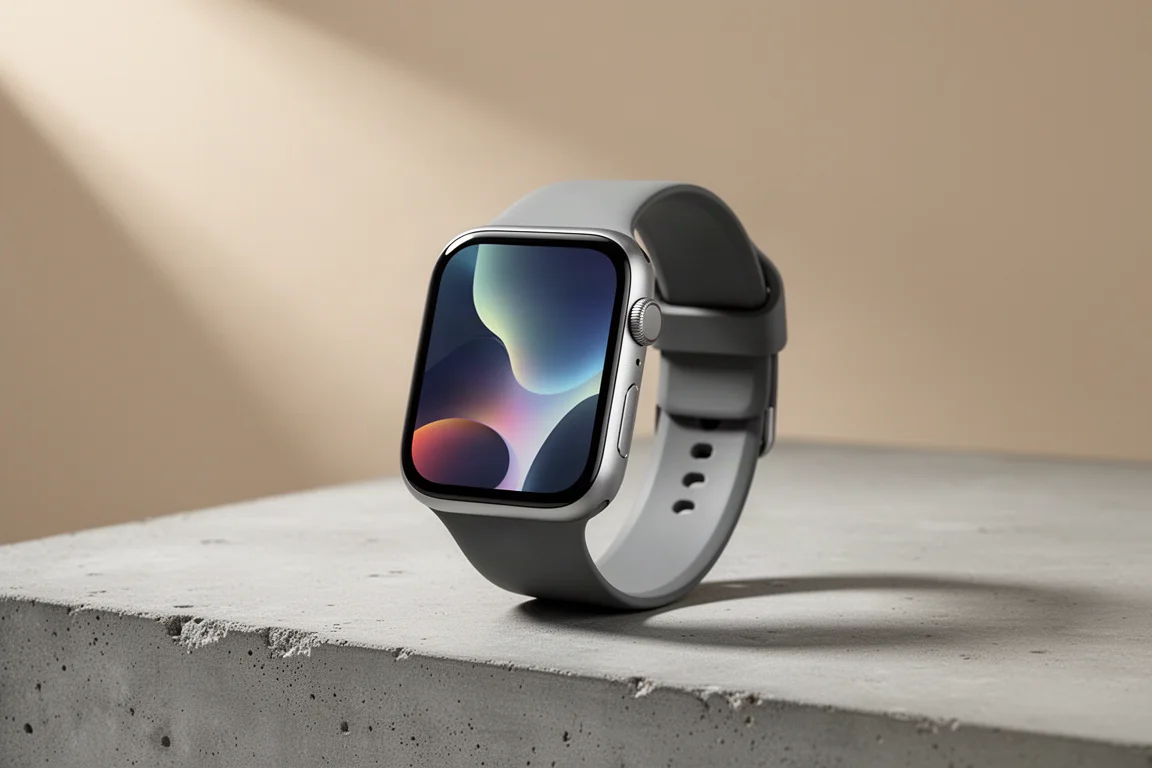
The headline change is the design. The Series 10 has a bigger screen in a case that is thinner and lighter than previous models: 9.7mm thick for both sizes, a millimeter slimmer than the Series 9. The wide-angle OLED panel with curved ion-X glass is easier to read from an angle, and the always-on mode now shows more, including ticking seconds. The watch comes in aluminium or titanium, in rose gold, silver and jet black, with the usual rotating digital crown and two-button layout. There is no action button here, as on the Ultra.
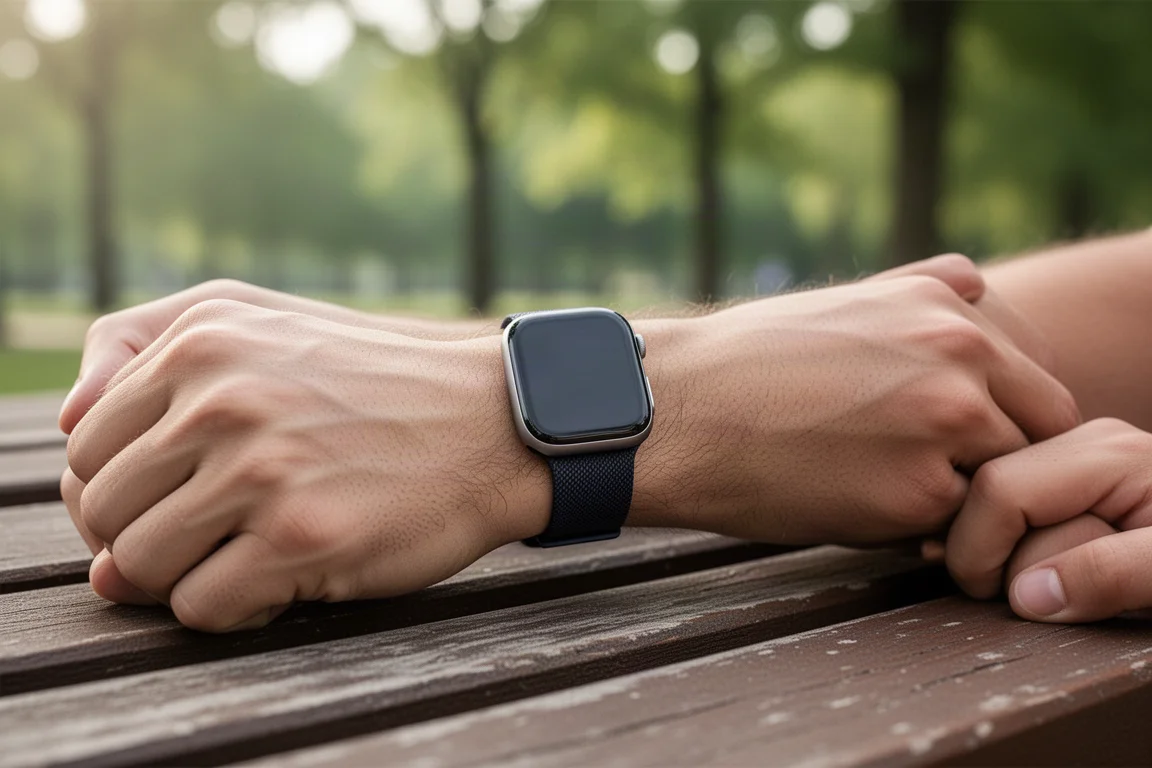
On the wrist, it makes a real difference. The slimmer, lighter body is one of the easiest Apple Watches to wear around the clock, and for 24/7 health and sleep features it virtually vanishes compared with bulkier sports watches. Against the Series 9 the change is more subtle, and probably not enough on its own to warrant an upgrade.
GPS and Heart Rate Accuracy
Accuracy has been a strong point. In half marathon and marathon tests, the Series 10 matched the Ultra 2 on overall distance, and the GPS tracks held up to close comparison. On a track test it was also quick to lock position, moving cleanly from lane one to lane eight.
Heart rate performance is arguably even better. The optical sensor matched a Polar H10 chest strap virtually beat for beat, and on a long run with strides at the end, it tracked changes in intensity about as well as any wrist sensor tested. The smaller case likely helps it sit well on the wrist, and in this tester’s experience the Series 10’s heart rate readings were better than the Ultra’s. The main weakness is the first few minutes of a run, where readings can wobble before locking on; a precision start mode would fix that, but it is not offered.
Software: Training Load and watchOS 11
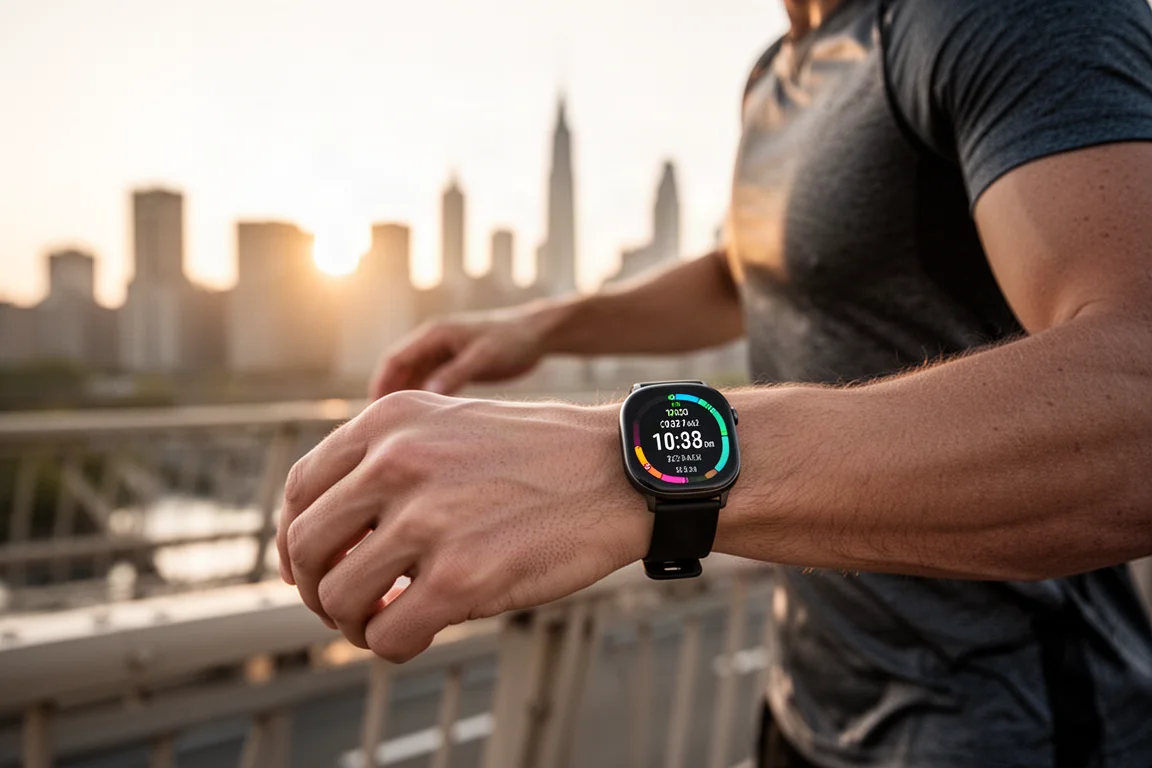
watchOS 11 brings training load to the Apple Watch, and Apple’s approach has a lot to like. You rate each workout with a simple post-run RPE score, either accepting the watch’s suggestion or adjusting it. That subjective input adds context heart rate alone cannot capture, like a stressful day or lingering soreness, and because you rate the effort yourself, one bad sensor reading cannot skew the whole training load picture the way it can on other platforms. Short-term and long-term load build up nicely, and the graphs are well presented. It is a passive, simplistic system compared with Garmin or Polar, but it works well.
Other watchOS 11 additions include a Vitals app, the ability to pause activity rings or set different targets on rest days, plus improved routing and offline maps. The Series 10 also gains sleep apnea and breathing disturbance detection, a depth gauge, water temperature sensing and a tides app for snorkelling. And of course the App Store remains a huge advantage: third-party apps like Workoutdoors let you combine run tracking with maps and customise far beyond what the native app allows.
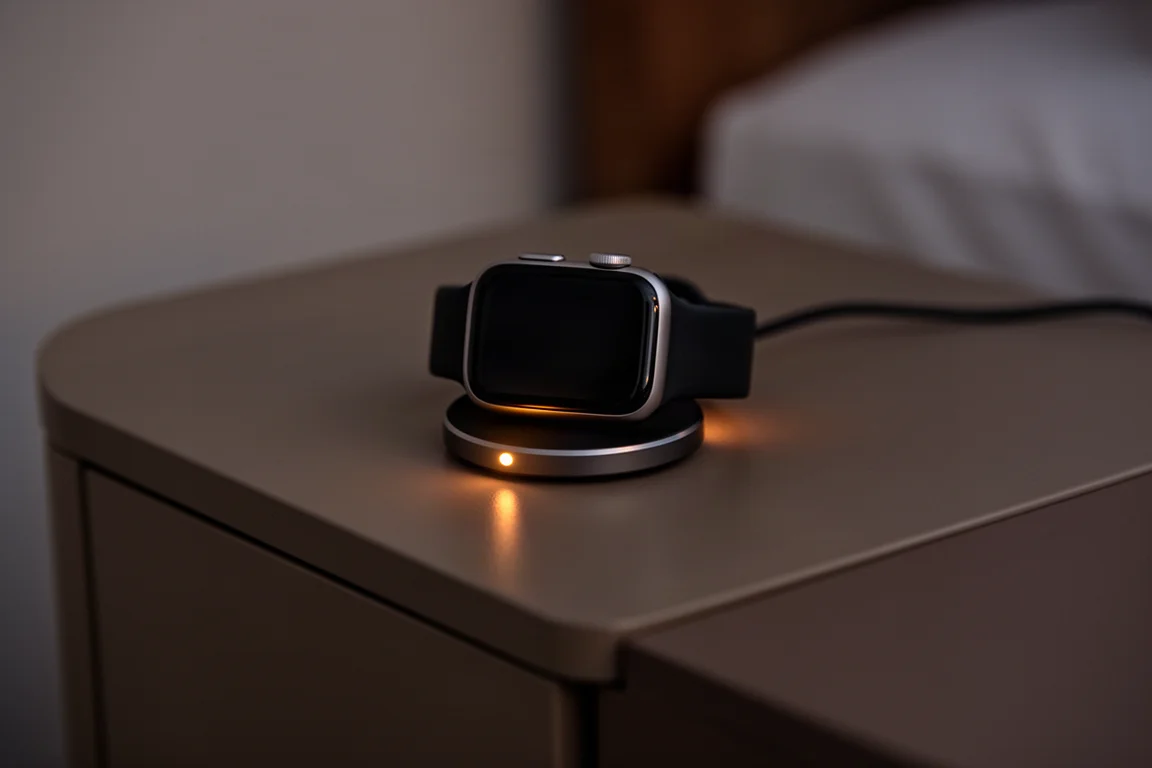
Battery Life and Fast Charging
Battery life is the usual Apple Watch story. Apple claims 18 hours of general use, which is conservative; in practice the watch often lasted a full 24 hours, with average overnight drain around 17 percent. Workout tracking is rated at 7 hours, and real runs reflected that: a one-hour run used 6 to 7 percent, a 90-minute half marathon 11 percent, and a full three-and-a-half-hour marathon 26 percent.
The saving grace is charging speed. The Series 10 reaches 80 percent from zero in 30 minutes, and 15 minutes on the plug delivers around 8 hours of use. With disciplined top-ups, battery anxiety mostly disappears, but you will still be charging daily, and that is a genuine friction point compared with sports watches you can forget about for a week.
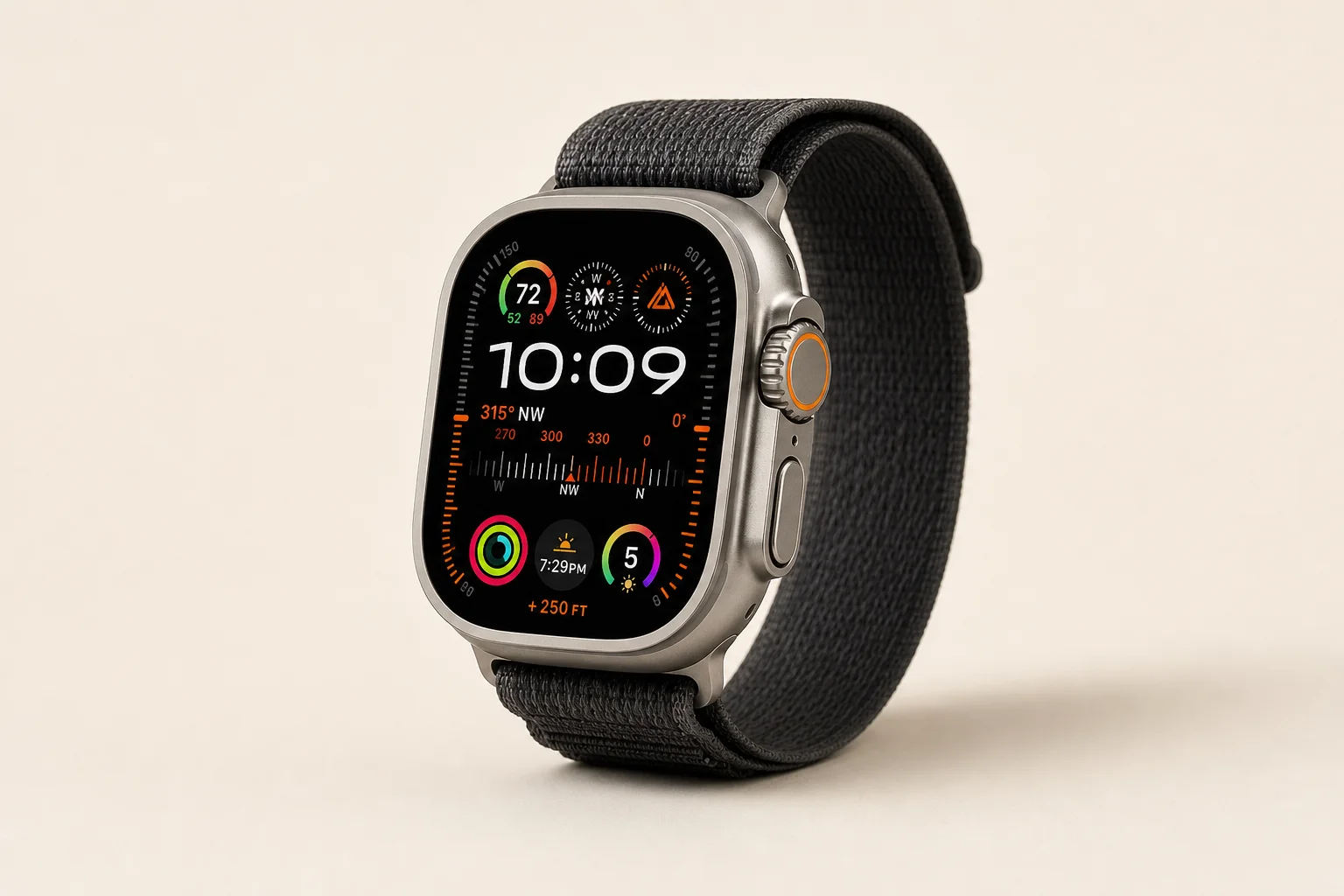
Series 10 vs Ultra 2: Which Should Runners Buy?
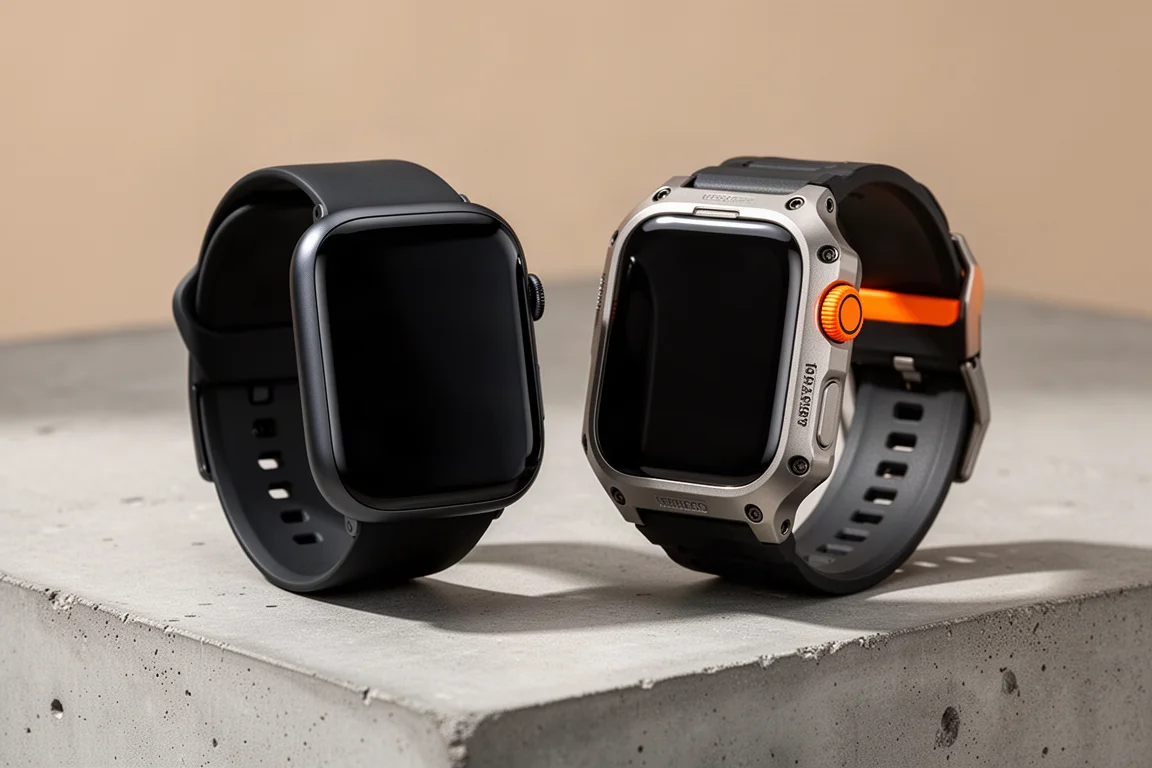
The Ultra 2 remains the better running watch, and not by a small margin. It has multiband, dual-frequency GPS that is among the best on any sports watch, roughly two days of battery life that makes charging sessions much easier to fit in, a dedicated action button, precision start, and a proper lap button. On the Series 10, taking a lap requires pressing both buttons together or double-tapping the screen, which is fiddly when you are doing interval sessions several times a week. The native routing experience is also disjointed: to follow a new route you have to jump between the Maps app and the Workout app mid-run.

Against older Apple Watches, the calculus is simpler. Coming from a Series 9 there is not enough change to rush an upgrade, since most of the biggest additions like training load arrive via software anyway. Coming from a Series 8 or earlier, the bigger display and the improved interval features, which are arguably the best on any smartwatch, make the Series 10 a worthy jump. Against Garmin’s Forerunner 265, Venu 3 or the Suunto Race S, the Series 10 offers less out-of-the-box training analysis and shorter battery life, but a far better blend of smartwatch and running watch.
Conclusion
The Apple Watch Series 10 is a very good running watch and an excellent smartwatch, as long as you accept its quirks: short battery life, no lap button, no precision start and no dual-band GPS. The thinner, lighter design with a bigger screen is a real pleasure to wear 24/7, GPS and heart rate accuracy are excellent, and fast charging neatly offsets the daily charge routine. But if you are a serious runner choosing within Apple’s lineup, the Ultra 2’s dual-band GPS, action button, lap key and two-day battery make it the stronger running partner, and it remains the better bet for ultra runners and multi-day adventurers.
Further reading
Related Reviews
Running Watches
Coros Pace 3 Running Watch Review: Why Software Matters More Than Specs
The Coros Pace 3 prioritizes runner-focused design and intelligent software over expensive hardware. Here's why it outperforms watches that cost twice as much.
Running Watches
GPS Running Watch Accuracy Test: Seven Watches Compared Across Urban, Trail, and Race Conditions
We tested seven popular running watches from major brands in three different environments to find out which delivers the most accurate GPS tracking for distance and pace.
Running Watches
Garmin Forerunner 70 Review: Garmin's Cheapest Forerunner Is More Capable Than You'd Expect
The new entry-level Forerunner 70 brings an AMOLED screen, a fresh interface, and real training analysis for £219/$249, with a few trade-offs to weigh before buying.