Grow Lights & Meters
Apogee MQ-500 Review: A Research-Grade PAR Meter for Serious Growers
A full-spectrum quantum PAR meter built by a NASA-affiliated plant scientist, offering lab-level accuracy that may be more than hobby growers need.
Introduction
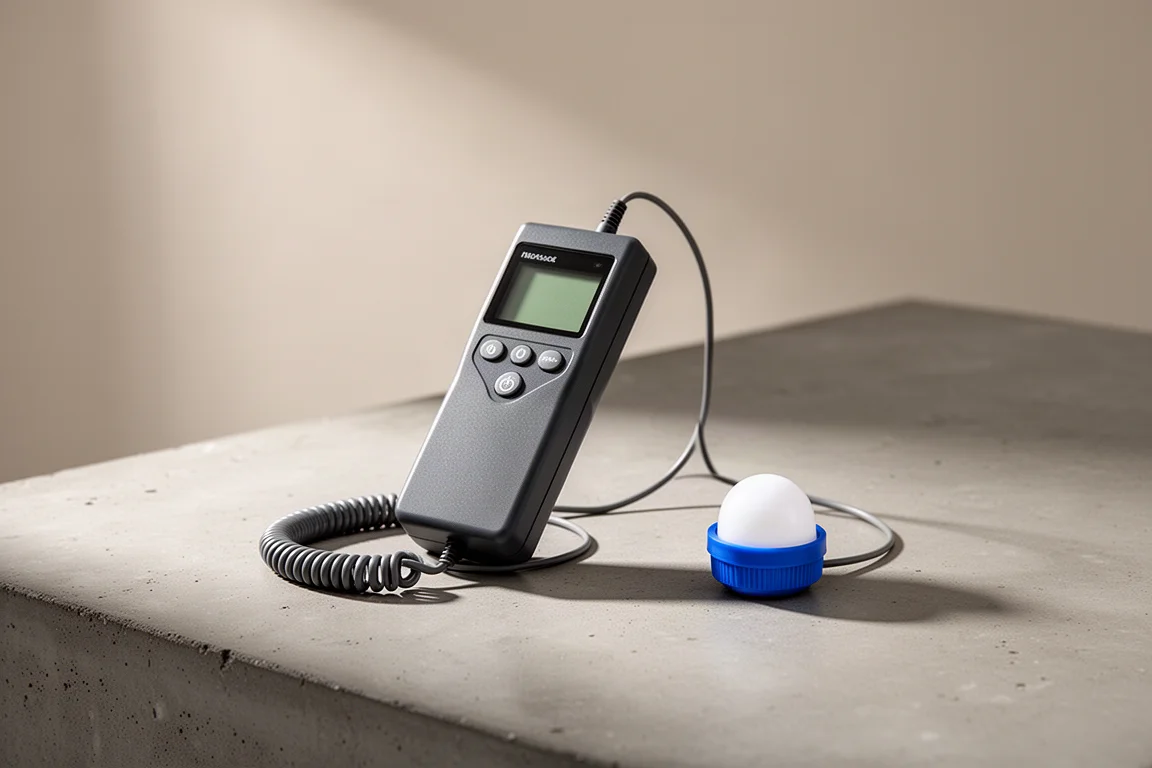
Accurate light measurement is one of those things that sounds like a nice-to-have until you actually try to dial in grow light intensity. Guessing leads to either underpowered plants or wasted energy. That is where a dedicated PAR meter comes in, and the Apogee MQ-500 is one of the most respected names in this space. It is a full-spectrum quantum meter designed by Dr Bruce Bugbee, a plant scientist whose work has included projects as ambitious as figuring out how to grow plants on Mars. The question for most buyers is simpler: does a research-grade tool like this make sense for your setup?
What the Apogee MQ-500 Is
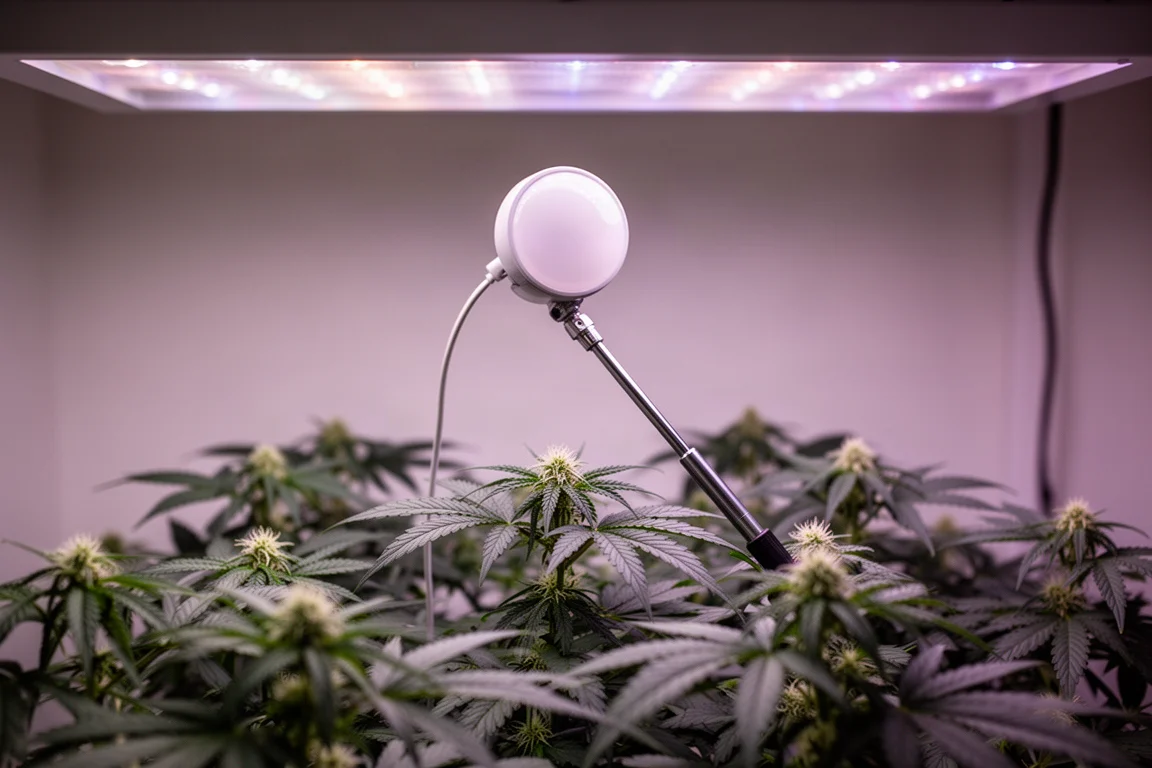
The MQ-500 measures light intensity across the 400 to 700 nanometer range, which is the spectrum most important for photosynthesis. This makes it a genuinely useful tool for setting grow light intensity rather than relying on rough estimates or app-based readings.
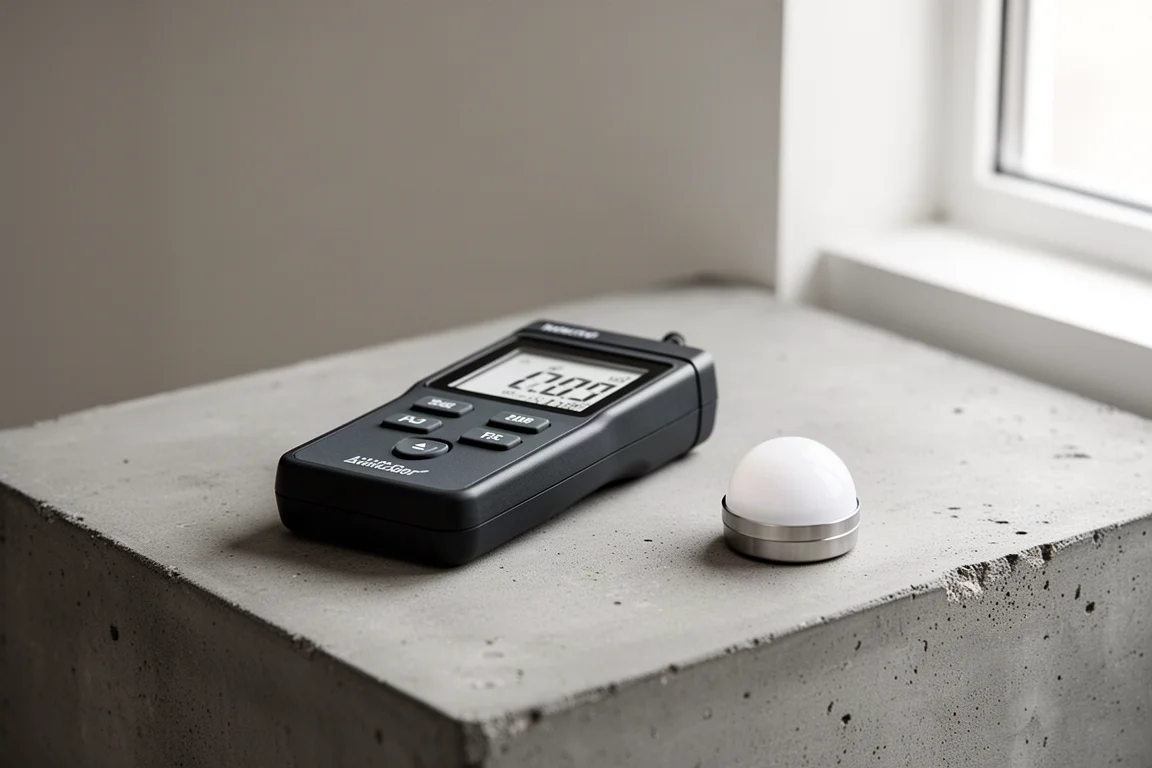
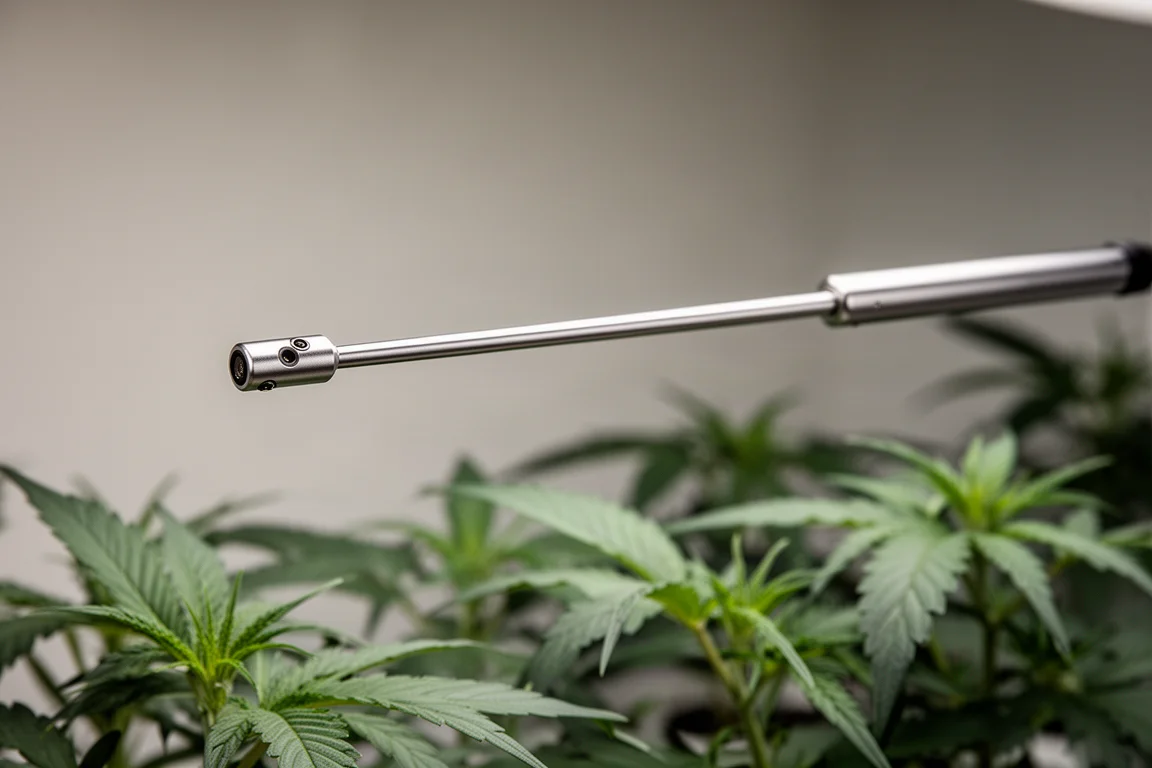
The bundle reviewed here is the AM310 package, which adds a telescopic wand that makes it easier to position the sensor exactly where you want to take a reading. The sensor itself has a blue cap that lifts to reveal a white dome, which is the part that absorbs and reads the light. Power comes from an included cell battery, installed with a Phillips screwdriver, and once it is in, the device is ready to go.
Using It Day to Day
Physically, the meter is extremely simple. There are five buttons: on, sample, mode, up, and down. Pressing on starts the device, and by default it sits in sample mode. The mode button cycles between options, and whatever label is blinking on the display is the mode you are heading toward.
In sample mode, you place the sensor wherever you want to measure, hit sample, and the reading is stored in the next numbered slot. A counter in the top right shows which slots have already been recorded. Pressing down cycles back through previous readings, so you can revisit slot one, two, and three as you move the sensor around your grow space.
Log mode is the more automated option. Every 30 seconds it takes a reading, but instead of recording each one individually, it averages 60 readings and stores one entry every 30 minutes. Once it reaches slot 99, it loops back and overwrites the earliest data. It also tracks a daily light total, which is handy for tracking cumulative exposure over a full day.
Things to Consider Before Buying
The biggest limitation in sample mode is data management. You cannot delete individual readings. If you record a bad number, the only fix is to erase everything by holding down while pressing mode until the display resets. That is fine for casual use but frustrating if you take many measurements.
The other consideration is cost. This bundle runs $600, and connecting the meter to a computer requires a separate cable that costs $62. For most growers who never need more than around 20 stored readings, the computer cable feels hard to justify.
There is also long-term ownership to think about. Apogee claims the sensor’s accuracy drifts no more than two percent per year, and the device comes with a four year warranty. If you do need recalibration, though, you have to mail the meter to Apogee at your own cost.
Buying Advice
For a small grower, this meter is honestly overkill, especially with more affordable alternatives like the Photon meter available. Where the MQ-500 earns its price is accuracy. If you run a serious grow operation or a greenhouse where precise, repeatable light measurements directly affect results, the value of that accuracy is real, and the four year warranty backs it up.
If your needs are simpler, a cheaper meter will get you most of the way. If you need measurements you can trust to the decimal, this is the tool built for that.
Conclusion
The Apogee MQ-500 is a well-designed, highly accurate PAR meter backed by serious scientific pedigree and a four year warranty. Its downsides are practical rather than technical: a $600 price, no per-reading deletion, a costly computer cable, and mail-in-only calibration. Buy it if accuracy is the foundation of your growing decisions; skip it if a more affordable meter covers your needs.
Product link
View more details for Apogee MQ-500
This product is mentioned in the review. Check the specifications, options, and compatibility before buying.
View more details for Apogee MQ-500Further reading
Related Reviews
Aquarium Lighting Equipment
Apogee One PAR Meter Review: Measuring Aquarium Light Without Guesswork
A handheld PAR meter for reef aquariums, who realistically benefits from owning one, and the practical habits that keep its readings useful.

Indoor Growing Equipment
VIVOSUN AeroGrow System Review: Complete Smart Grow Setup for Indoor Cultivation
A comprehensive look at VIVOSUN's integrated grow system combining the AeroLight, AeroZesh fan, and GrowHub Controller for customizable indoor plant cultivation.
Grow Equipment
AC Infinity Cultivator Kit Review: A Complete 2x4 Grow Tent Setup
A full starter setup with tent, EVO 3 LED grow light, ventilation, nutrients, medium, and even genetics. Here is what the Cultivator Kit includes and who it suits.