Tech
Anker Prime 160W Wall Charger and 300W Power Bank: A Serious USB-C Desk Setup
Two high-output Anker Prime devices that bring smart displays, fast redistribution of power, and serious charging speeds to a USB-C-first workspace.
Introduction
More devices than ever now charge over USB-C, and that includes gear that never used to. Power tool batteries, large camera accessory packs, and multi-device desk setups are all pulling serious wattage through small ports. The flimsy charger bundled in the box will technically get the job done, but when a lot of power runs through a very small pipe, it makes sense to step up to something better built with more control.
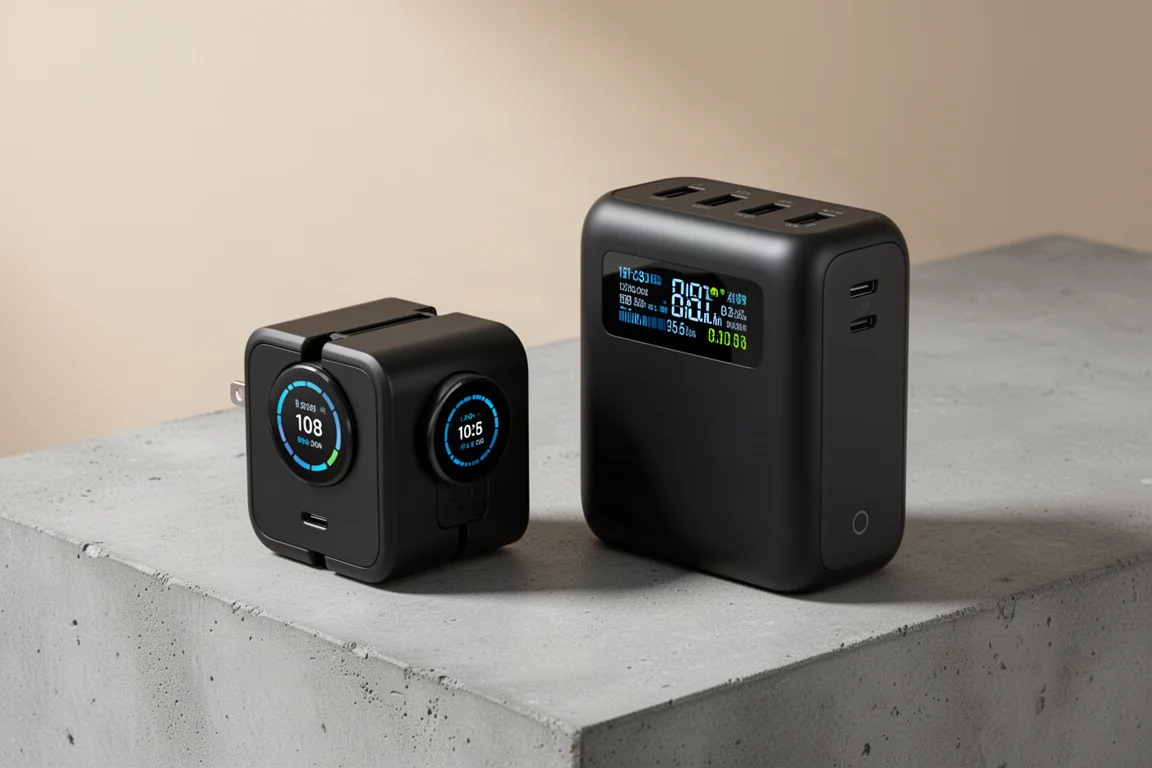
That is where the Anker Prime line comes in. We spent time with two members of the family: the Anker Prime Charger 160W wall unit with three ports and a smart display, and the Anker Prime Power Bank 300W, a high-capacity brick designed to be the daily driver on a bench or in a bag. Here is how they compare.
The Wall Charger: Anker Prime 160W
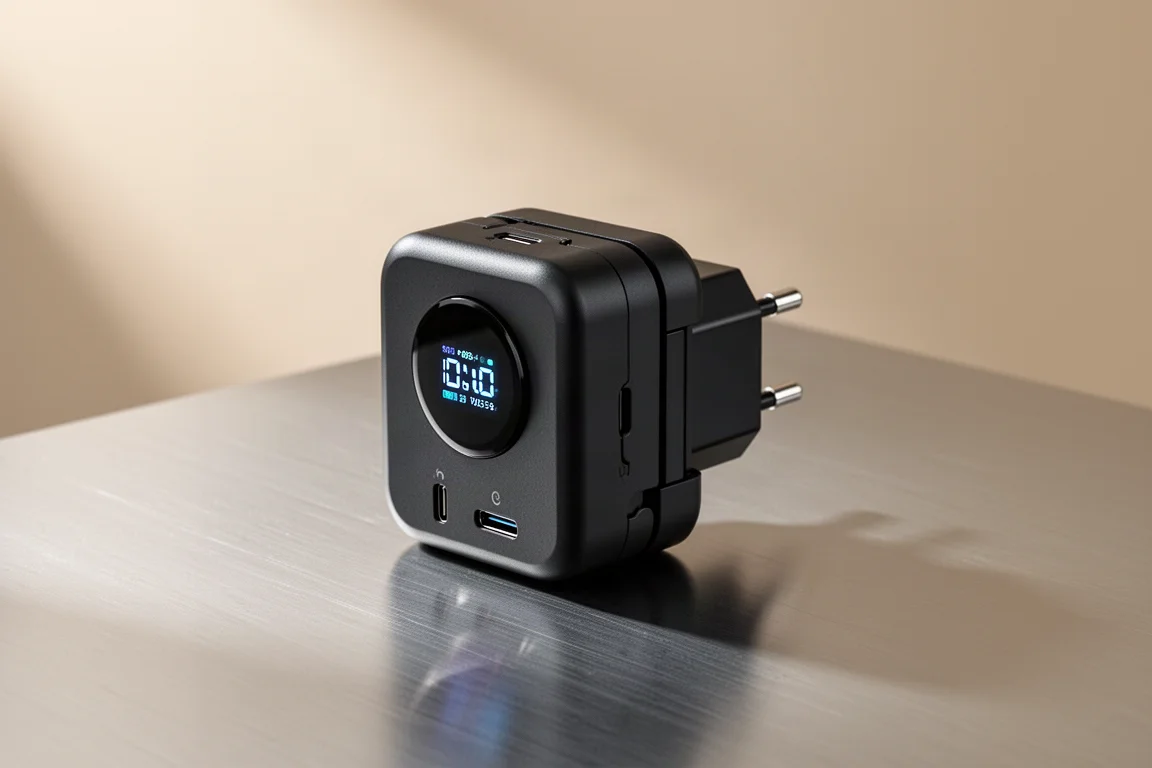
The Anker Prime Charger plugs into a standard wall outlet and delivers three USB ports: two USB-C and one USB-A. Total output is 160W, with each port supporting up to 140W on its own. Thanks to PowerIQ 5.0, the charger automatically redistributes power between ports every two minutes, so a 16-inch MacBook Pro, an iPhone 16 Pro Max, and an 11-inch iPad Pro can all charge together, replacing what would otherwise be a 140W and two 35W chargers.
The surprise here is the smart touch display. It is easy to miss: a subtle circle on the face of the unit that many owners do not discover until weeks in. Tap it and you get a small screen with different readouts on the charger itself. It is unusual to see this level of feedback on a wall charger, and it folds up compactly for travel.
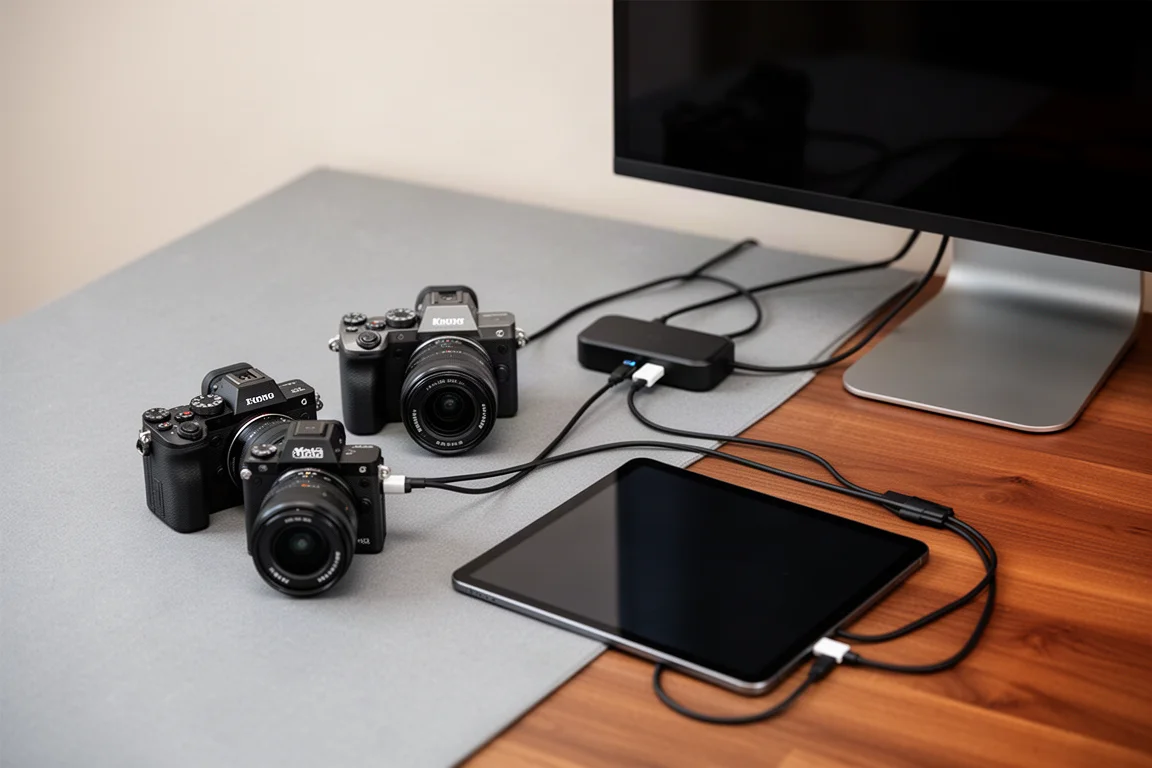
It earns its keep as a desk hub. One of these units can power a camera, run a second camera, and charge a tablet at the same time, which makes it a genuinely practical single point for a multi-device studio setup.
The Power Bank: Anker Prime 300W
The power bank is the more feature-rich of the two. It outputs up to 300W in total, and either of its two USB-C ports can deliver 140W. If you need to refill the bank itself in a hurry, you can charge it through both ports at once, which takes it to 50% in about 13 minutes. That is a fast turnaround when you need to head out the door.
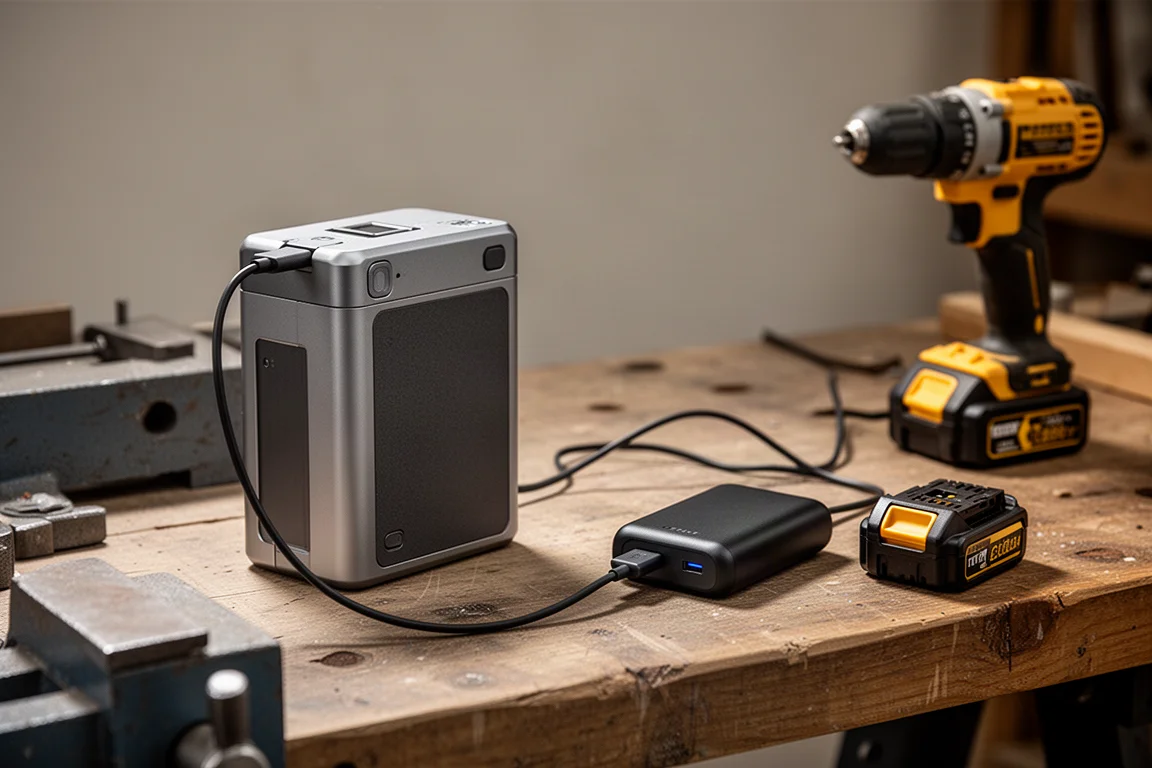
The front panel carries a smart display showing everything happening in real time, including how much power is flowing and where. In practical testing, it handled a range of loads, from a flashlight drawing 5V at under an amp to a large camera-style accessory battery pulling close to 20W, with the display tracking each case clearly.
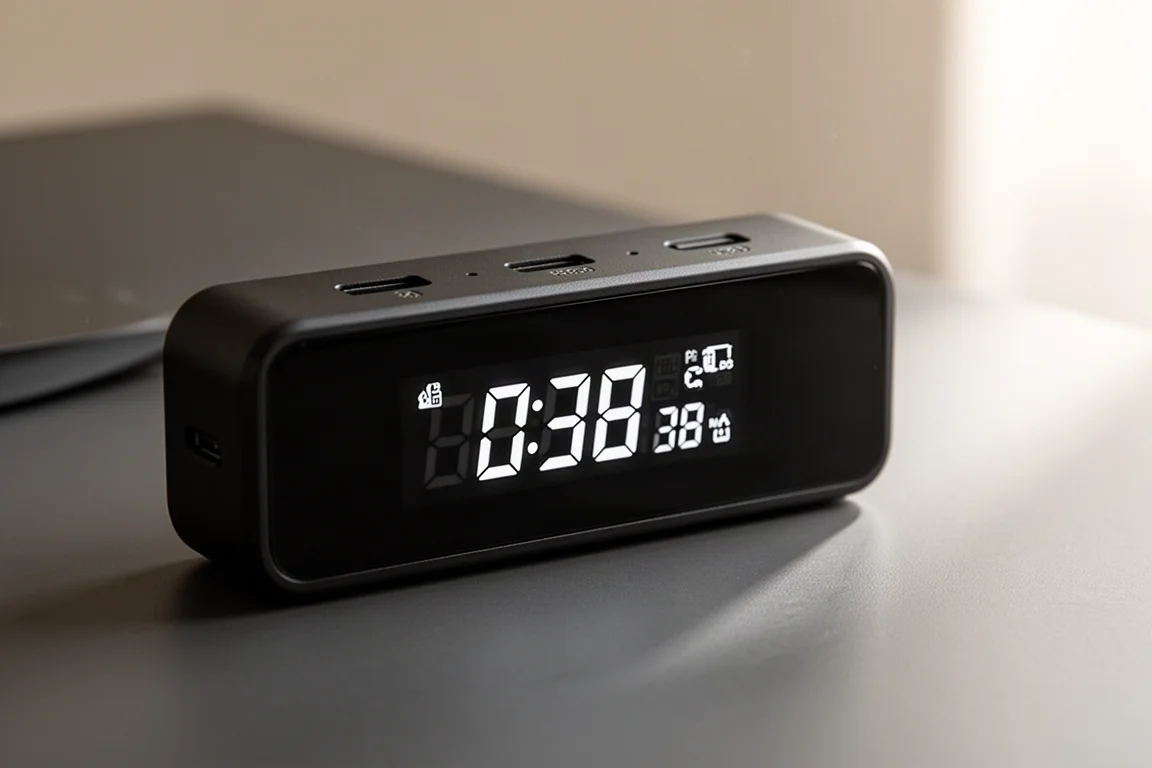
This is the unit to reach for when you want portable, high-output power for laptops, camera gear, and everything else in between. It is priced at $229.
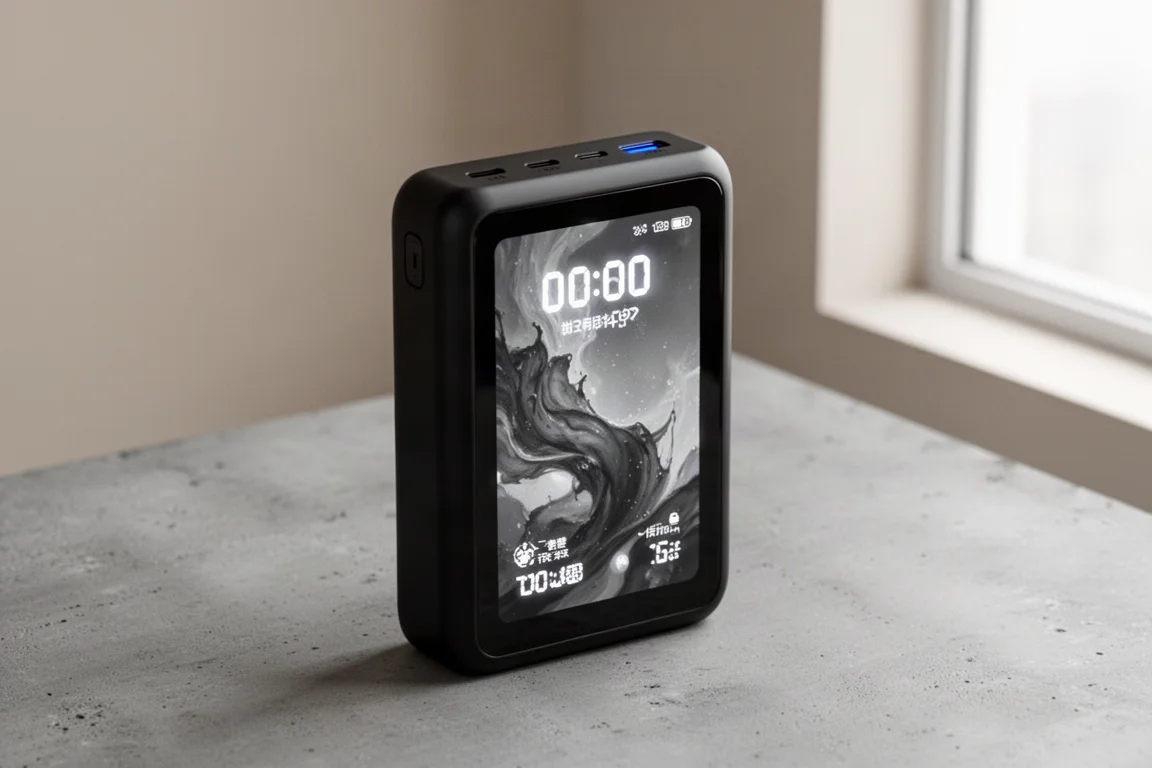
App and Bluetooth Control
Both devices pair with the companion app over Bluetooth, and pairing is consistently quick: press the button on the side of the power bank and the app finds the device almost immediately. From there you can see how much power is going out or coming in, view graphs of power usage, and break activity down port by port.
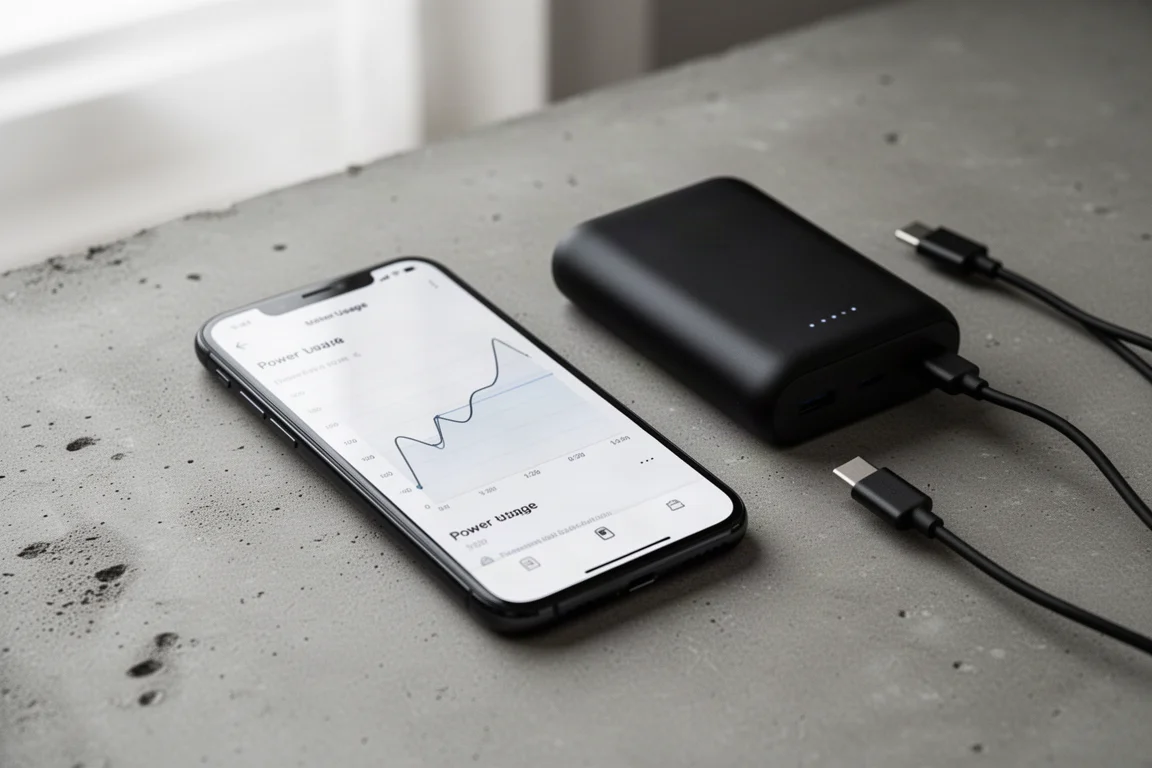
The settings menu is deep enough to genuinely customize how you use the device rather than just toggling a couple of switches. That level of software control is still uncommon in this category.
Which One Should You Buy?
If your main need is a permanent desk upgrade, the 160W wall charger is the practical pick. It consolidates three separate chargers into one unit, handles simultaneous charging intelligently, and adds a smart display at a fraction of the power bank’s cost.
If you need power that travels, or a bench-side reservoir that can push 140W to a laptop or top itself up to half capacity in 13 minutes, the 300W power bank justifies its higher price. Many people will find the power bank is the one they reach for every single day, with the wall charger covering the fixed desk role. Together they cover nearly every USB-C charging scenario.
Conclusion
Anker’s Prime line takes USB-C charging seriously on both ends: clean, high-output delivery from the wall, and genuinely fast portable power when you are away from it. Add smart displays, per-port monitoring, and quick power redistribution, and both devices stand out as well-built options for anyone tired of relying on the cheap charger that came in the box.
Further reading
Related Reviews
Tech
Apple MacBook Neo Review: A Surprisingly Capable Budget Laptop
The MacBook Neo brings M1-equivalent performance to a $599 entry-level laptop. We tested it across real workflows to see if it's worth considering over pricier alternatives.

Tech
ASUS ZenBook 16 With Snapdragon and RTX 4060: Can an ARM Laptop Game With an External GPU?
An early look at pairing an Nvidia RTX 4060 with a Snapdragon-powered laptop using a Thunderbolt 5 eGPU dock, including real gaming results.

Tech
GPD G2 eGPU Dock Review: A Sturdy, Future-Ready Boost for Your Handheld or Mini PC
The GPD G2 eGPU dock brings new connectivity standards, a robust build, and desktop-class graphics to laptops, handhelds, and mini PCs.