Snowboards
Amplit Ticket Snowboard Review: A Price-Conscious All-Mountain Board With Real Power
The Amplit Ticket pairs a mellow camber profile with nose rocker, delivering strong carving power and pop at a budget-friendly price point, with a few trade-offs for park riders.
Introduction
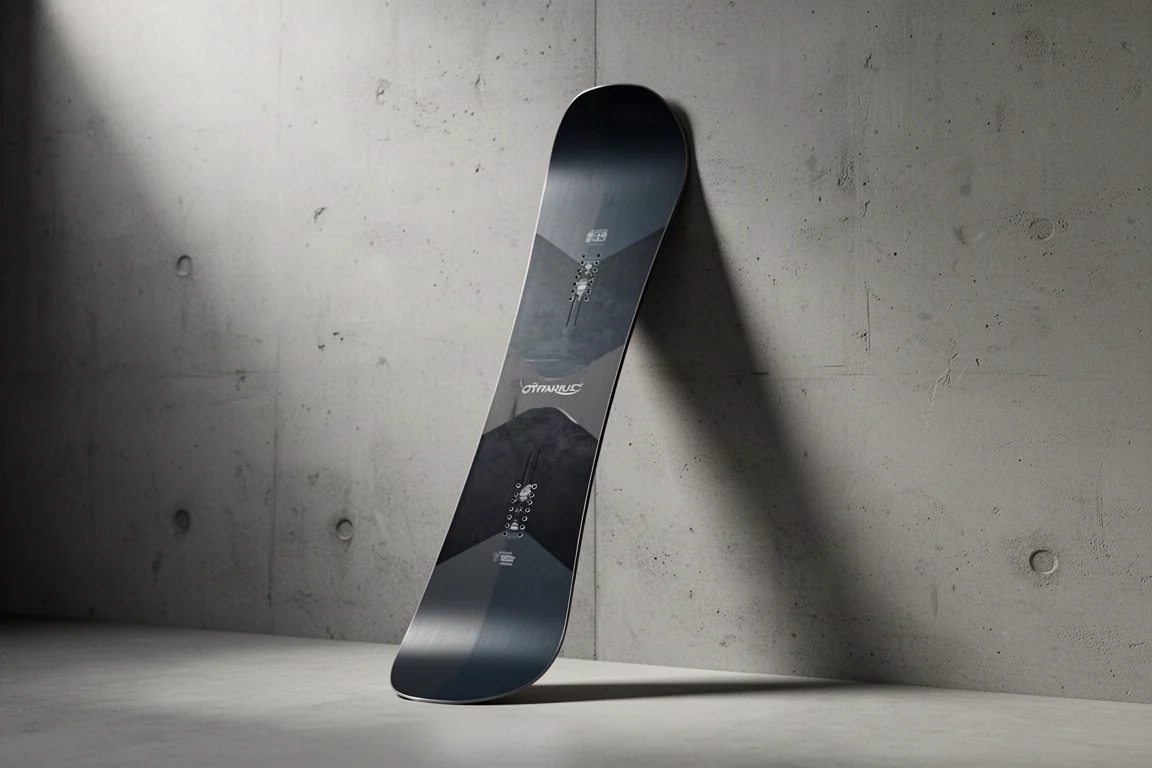
The Amplit Ticket is an all-mountain snowboard built around a mellow camber profile with rocker in the nose. That combination is intended to deliver the load, pop, snap, and drive of traditional camber underfoot while making the board easier to engage. The rocker in the nose adds ease of entry and exit through turns, along with better float in powder.
The board is offered in three lengths: 156, 159, and 163. It was ridden at Copper Mountain on a sunny day with warm temperatures, slush, chop, and a little ice, which is a useful mix for judging edge hold, damping, and how a board behaves when the snow gets cut up.
Who the Amplit Ticket Is For
The Ticket is aimed squarely at the price-conscious all-mountain rider. It carries an unusual amount of power for its price point, and that is the headline. Riders who want to lay a trench, haul at speed, pop off a roller, and do it without spending premium money are the natural audience here.
It is not a beginner’s freestyle deck. The board rewards riders who already understand how to load a camber profile and push into it. If your priority is a soft, playful board for learning butters and presses, the Ticket is going to feel like work.
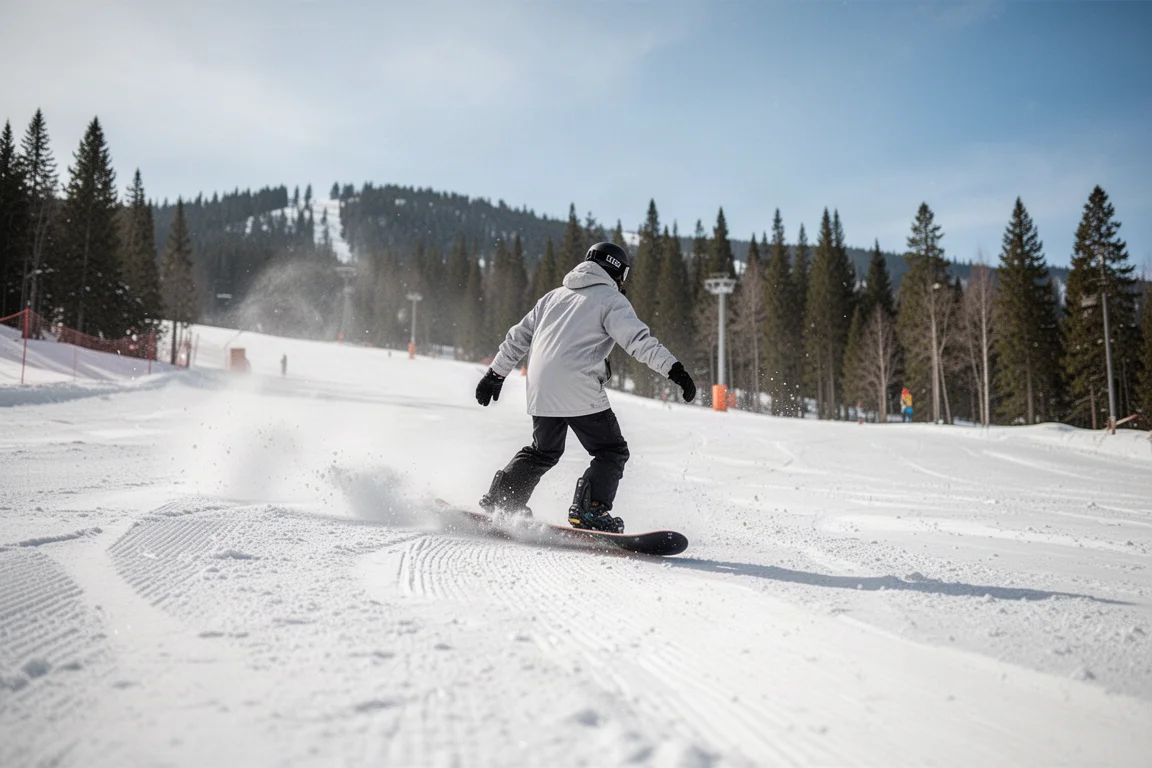
The board suits a confident intermediate through advanced rider who spends most of the day on groomers, side hits, and natural features rather than in the park. It is also a reasonable choice for someone stepping up from a first board who wants more stability and drive without jumping to a premium price bracket.
Camber Profile and Flex
The profile is mellow camber underfoot with rocker in the nose. That means the board is easier to engage than a full traditional camber deck, but still delivers the snap and drive riders expect from camber.
The overall flex sits just above the middle of the road, leaning slightly to the stiffer side. The tip and tail have a little more play, then the board stiffens noticeably through the midsection. There is a noticeable amount of torsional flex, but nothing overwhelming. The board can be twisted, and it works the way you want a board in this class to work rather than feeling like a rigid plank.
Main Strengths
Carving and Edge Hold
Carving is where the Ticket genuinely stands out. For a board at this price, edge-to-edge transmission is powerful and fluid. Once it is on edge it feels locked in, and it stays stable whether you are making short, tight, quick carves or long, hard, drawn-out turns.
When you really lay it over, flex your knee into the middle of the board, push that camber, and drive off the tail, you get a lot of power back. You can feel it wanting to slingshot you in and out of turns.

That makes the Ticket a satisfying board for riders who treat groomed runs as a place to build speed and angle rather than just get down the hill. It is also fairly stable for what it is, which helps on longer runs where a twitchy board would wear you down.
Pop and Jump Performance
The Ticket has a lot of snap, even with a mellow camber profile that is comparatively easy to engage. You do have to put real weight into it to roll back on the tail and get it to release, but when you commit, it snaps hard.
This is a board that wants to get up in the air. Small, medium, and even larger jumps are manageable, with plenty of stability underfoot. You can load up and pop off the lip for extra height and distance, or you can stay laid back and let the lip throw you and still get good air.
Stability in Choppy Snow
There is a little chatter in the nose, though most of it disappears by the time the reverberations reach the front foot. The midsection is where the board shines: it is super stable and pushes through chop and chunder with ease.
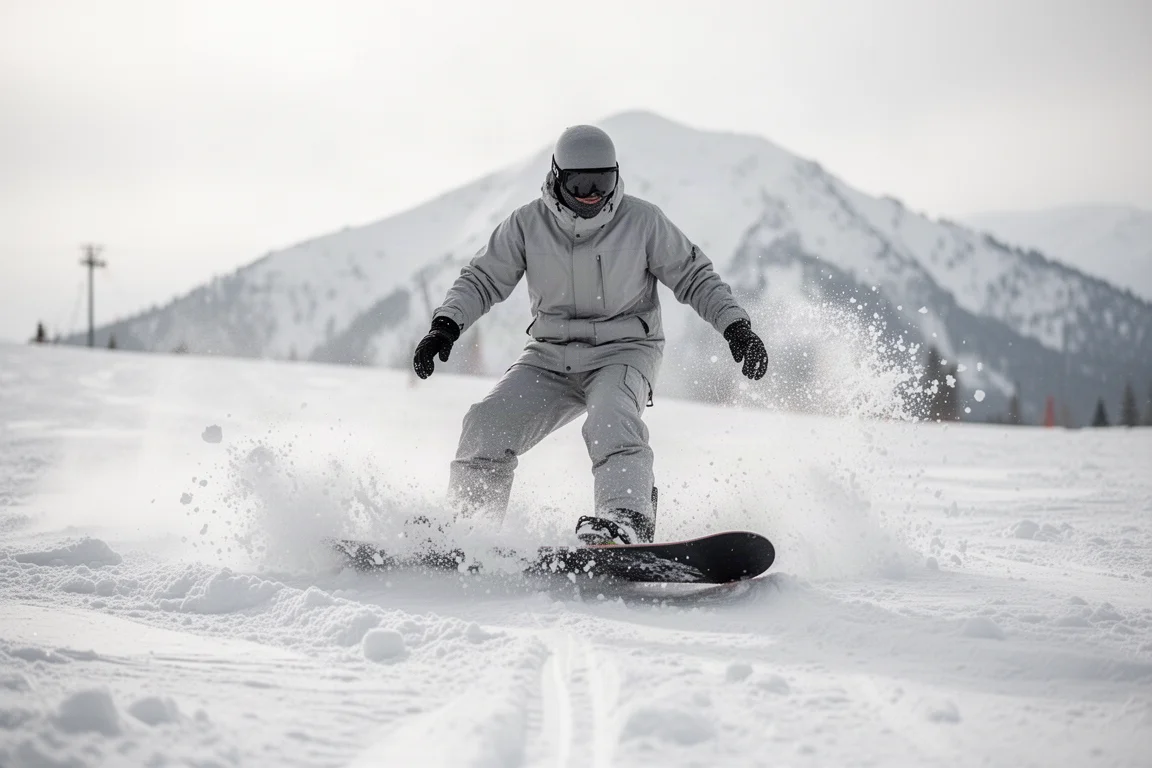
Considering the price, the level of damping and stiffness on offer is genuinely surprising. That combination is what lets the Ticket hold up in tracked-out afternoon snow rather than getting bounced off line.
Things to Consider Before Buying
The Ticket takes more effort to butter than you would expect. You really have to get your weight outside the inserts to engage the rocker in the nose just to depress it, and the tail behaves the same way. Even sitting on the tail and flexing the board, it wants to rebound back to its natural shape. The upside is a lot of spring out of your butters, but the input required is real. If you do not already know how to butter, this is not the board to learn on.
Pressing and jibbing follow the same pattern. Locking into a nose or tail press takes more speed and more muscle than you would think, and once you push the board into a flex it wants to snap out almost immediately. Going sideways on a feature, the camber section hugs only ever so slightly, and because the board is stiff you are essentially teeter-tottering on it. It is not a board that is happy being pressed.
Nose chatter is also worth noting, though it is minor and largely filtered out before it reaches the front foot.
Buying Advice
The Ticket makes the most sense if your riding is built around speed, carving, and jumps rather than park laps and butters. Match it to a binding that suits its stiffer flex and all-mountain intent. Rome DOD, Union Falcor, and Ride A8 are natural pairings.
If you are cross-shopping, the Ride Manic, Nitro SMP, and Jones Frontier occupy a similar all-mountain space and are worth putting side by side with the Ticket before you commit. If you want a board that snaps out of turns, pops off rollers, and holds an edge at speed, and your budget is a real constraint, the Ticket deserves a serious look.
Conclusion
The Amplit Ticket is a strong value proposition for the price-conscious all-mountain rider. The mellow camber with nose rocker gives it an approachable feel at turn entry while keeping the power and snap that make it rewarding to push. Its carving is the standout strength, with pop and chop stability close behind.
The trade-offs are clear and specific: buttering, pressing, and jibbing demand far more effort and technique than the board gives back, and there is some nose chatter to accept. Riders who want an aggressive, speed-oriented all-mountain deck on a budget will find a lot to like here. Riders who want a soft, playful park board should look elsewhere.
Product link
View more details for Amplit Ticket
This product is mentioned in the review. Check the specifications, options, and compatibility before buying.
View more details for Amplit TicketFurther reading
Related Reviews
Snowboards
32 Middle Earth Scott Stevens Pro Model Snowboard Review: A Park Board With a Reversed Flex
A medium traditional camber park board with carbon V reinforcement that is stiffer in the tips and more playful between the feet. Here is how it rides and who it suits.
Snowboards
32 Snafu Review: A Directional All-Mountain Freestyle Board with Serious Pop
The 32 Snafu pairs a directional camber-rocker profile with a stiffening tail for powerful carves, big ollies, and a surprisingly damp ride.
Snowboards
32 XXX Pat Fava Pro Snowboard Review: A Stiff Camber Beast for Hard-Charging Riders
A full-width traditional camber deck that rewards aggression with stability and edge power, but demands effort everywhere else.