Snowboards
Amplid Singular Review: A Directional All-Mountain Board That Carves With the Best
A closer look at the Amplid Singular, a low-camber directional all-mountain snowboard built for intermediates and advanced riders who want speed, stability, and float.
Introduction
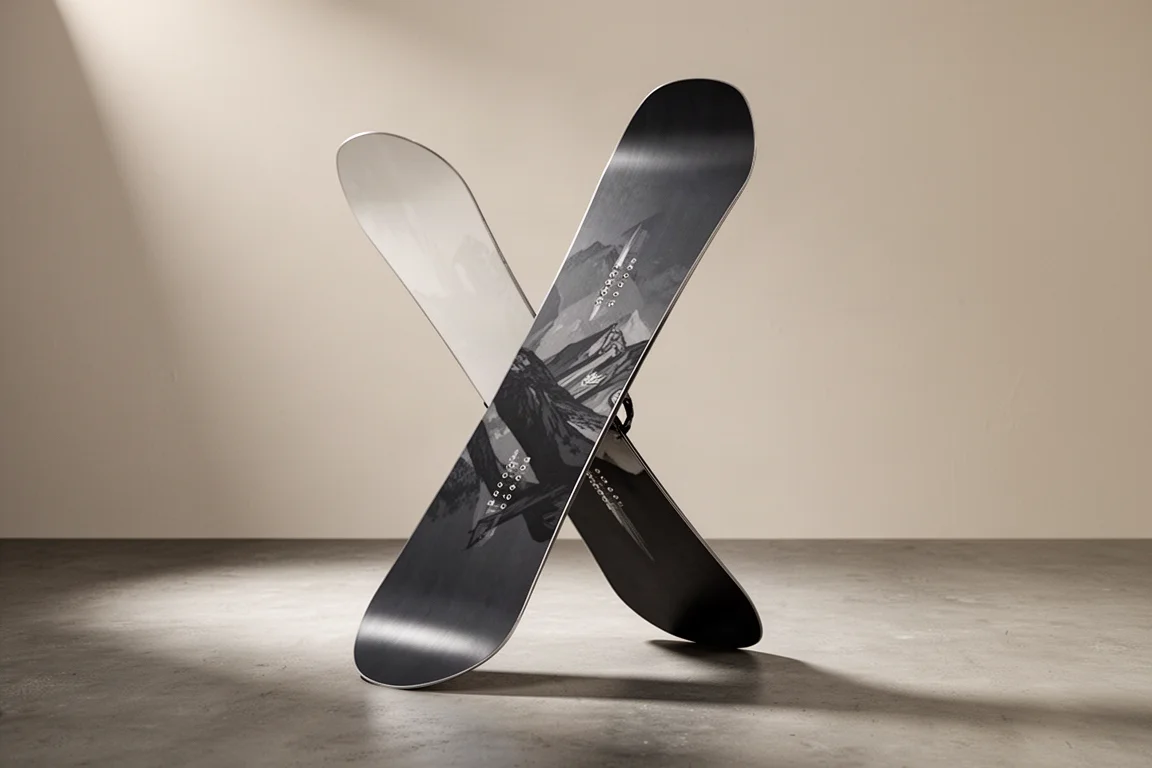
The Amplid Singular is a directional all-mountain snowboard built around Amplid’s low camber profile with early rise. In practice, that means a small amount of camber between the feet for power and pop, a slightly directional low rise on the nose, and a short low rise on the tail that behaves much like rocker. The result is a board that delivers drive and snap underfoot while making turn entry and exit easier and adding a bit of float in soft snow.
It comes in a wide size run: 144, 149, 154, 158, 162, and 166, so most riders should be able to find a fit.
On-Snow Impressions
This board was ridden on a day that started fast and firm, with solid edge hold through the morning, before softening into velcro-like slush by the afternoon. The Singular handled both ends of that spectrum well. It held an edge on the faster snow and kept the slushy stretches fun rather than frustrating. The tested setup paired Ride Fuse boots with Jones Mercury bindings.
Flex is fluid from nose to tail, slightly stiffer than the middle of the road but nowhere near plank-like. You notice the extra stiffness when foot-steering, as it takes a bit more effort, but that trade-off pays off in stability. The ride is smooth and damp, pushes through chop and pile-ups without complaint, and cuts down micro vibrations, so hauling through variable conditions and holding speed is not a problem.
Buttering and Playfulness
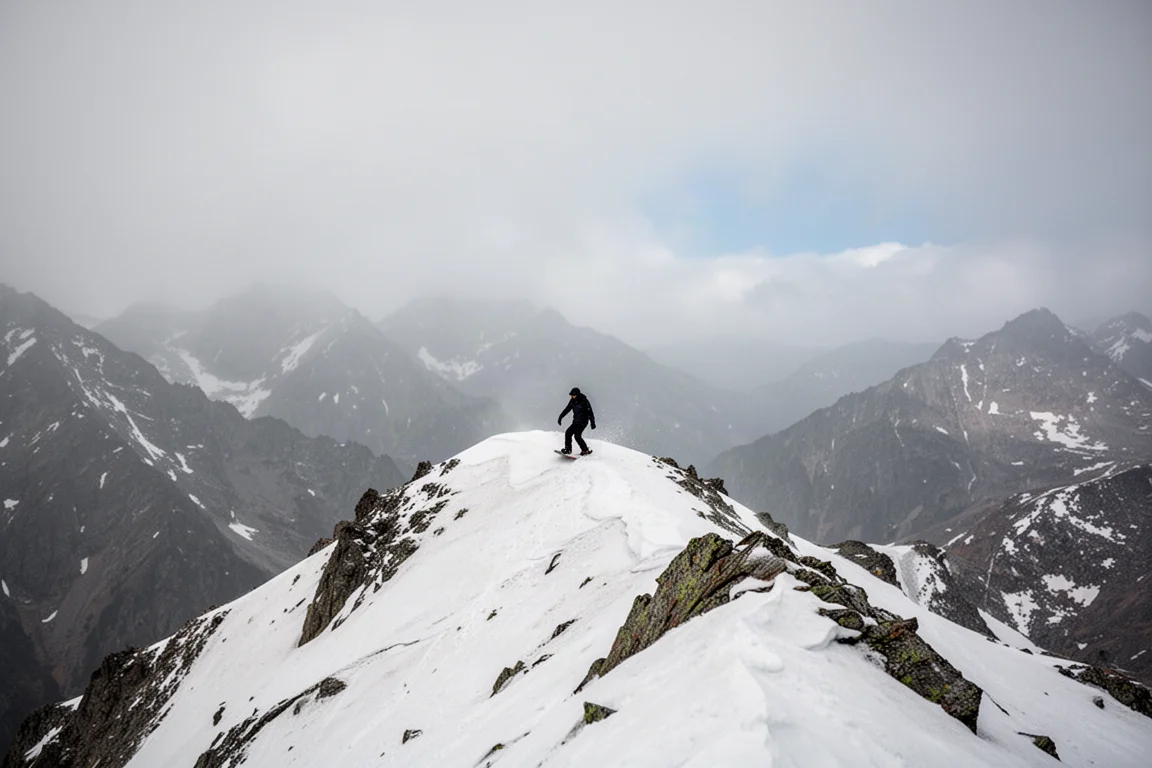
Despite the fluid flex overall, buttering feels different on each end. The tail is shorter and more compact, so the sweet spot is smaller and it can feel like the tail is fighting you, wanting to load up for an ollie. The nose is the opposite: a longer sweet spot closer to the contact point that you can really flex into. Both ends pop out of butters nicely, so spinning out of them is not an issue.
Even though the board is directional, it ollies well. It just needs a bit more time to load, especially through the tail, so exaggerate the motion to get everything out of it. Landings are stable, even in questionable soft-to-firm transitions. The nose wants to float up while the tail sinks, keeping the ride directional and preventing that thrown-forward feeling when landing in soft snow.
Carving Performance
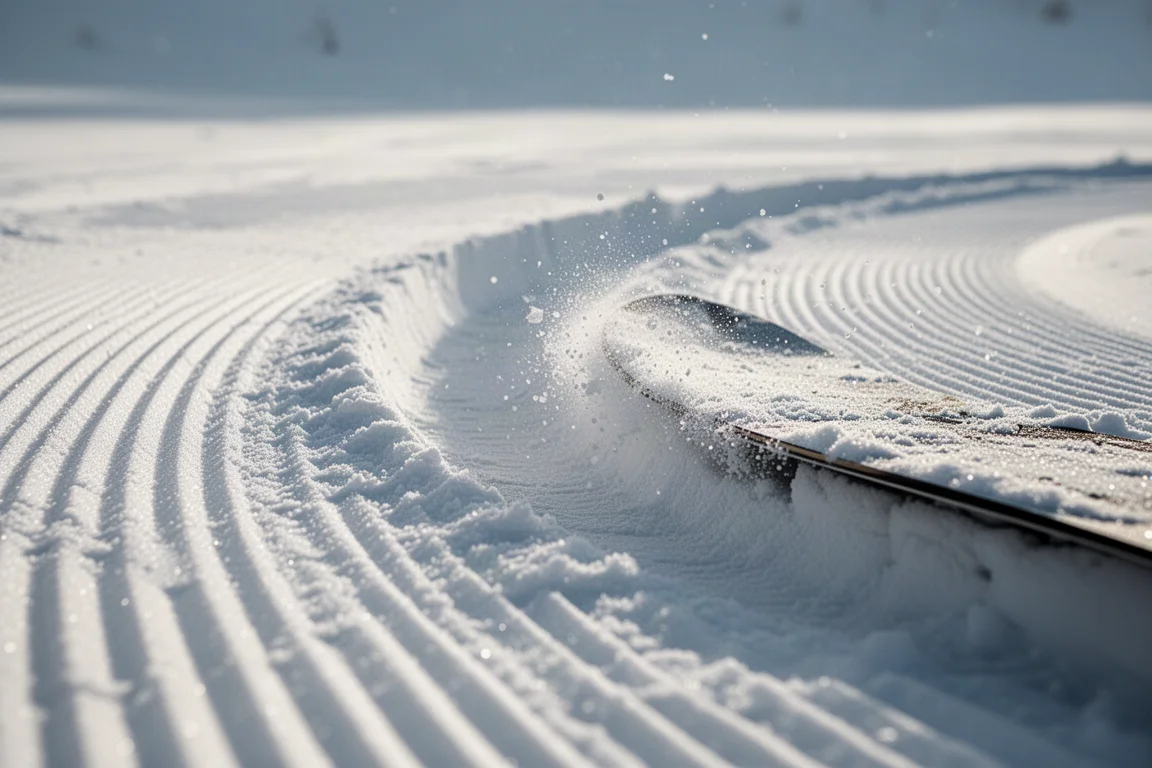
This is where the Singular genuinely shines. It carves with the best boards in its category. On quick, short carves it is fast edge to edge, helped by the taper in the board, which makes it easy to get up on edge. In medium and larger carves it stays extremely stable, and there is effectively no speed limit, even on bumpy, less-than-ideal snow.
One practical note: riders with bigger boots should avoid leaning it over too far, or they may get some bite.
Who This Board Is For
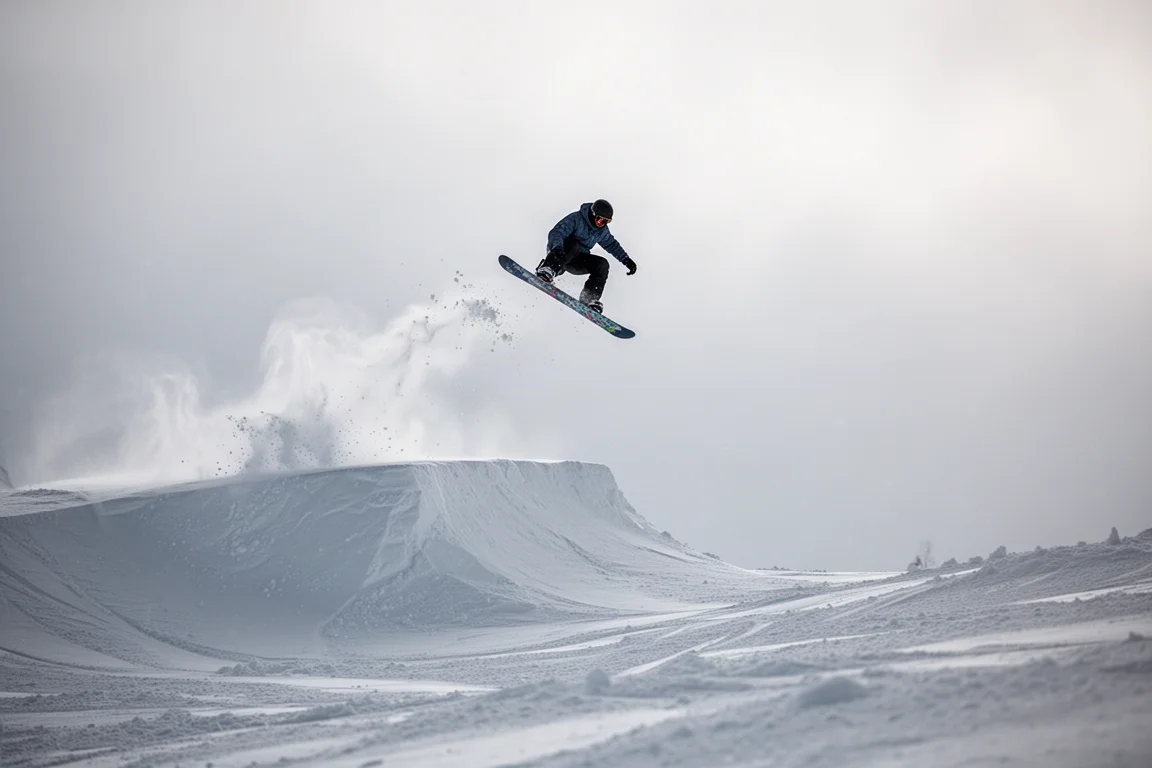
The target rider is intermediate to advanced, someone who wants to make the whole mountain their park. This is not a board for laps through the terrain park; it is built for jumping off rocks, riding fast, and hitting every side hit on the mountain. Riders should know it leans stiffer and want that stability for landings, while still expecting some float in soft snow. Anyone who enjoyed this board and wants a similar feel can also look at comparable options like the Nitro Alternator, the K2 Passport, and the Lib Tech Orca.
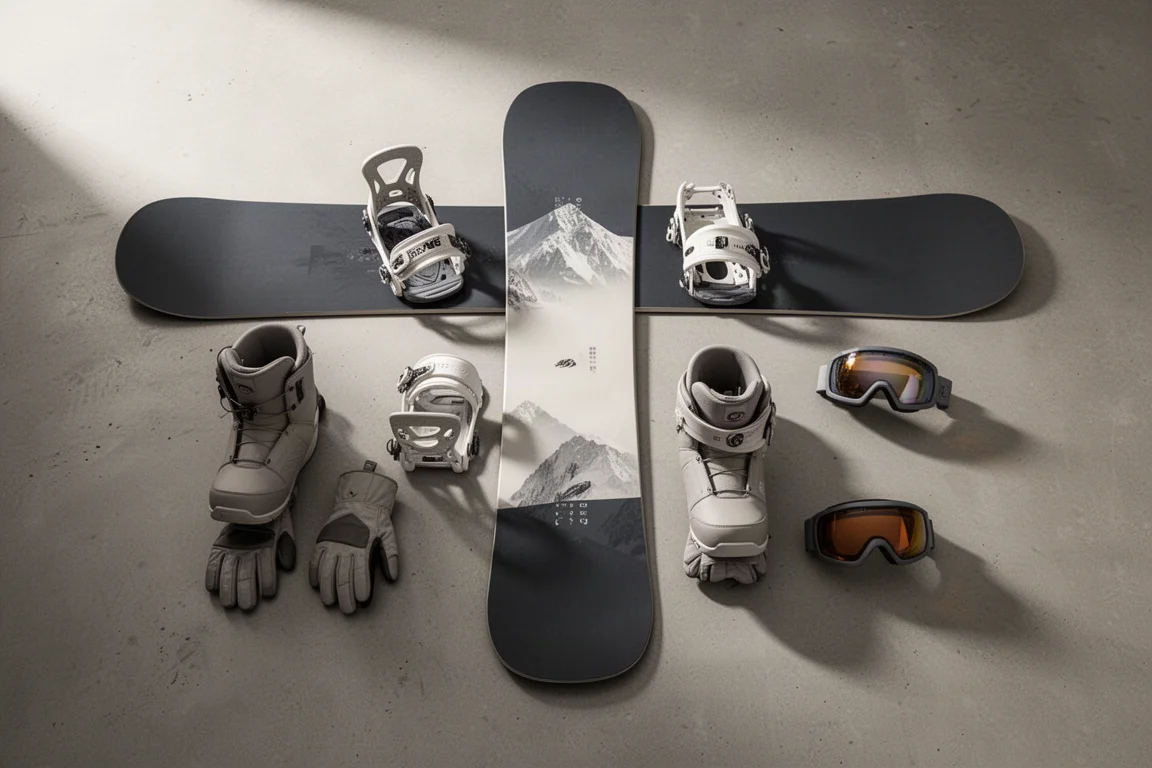
For bindings, the recommended pairings are the Jones Mercury, the Salomon Highlander, and the Yes Drive. If you are picking up the Singular and unsure what bindings to run, it is worth checking a dedicated binding comparison before buying.
Buying Advice
If your riding style leans all-mountain with a freestyle edge, and you want a tapered directional board that still jumps and butters, the Singular delivers on exactly that promise. It rewards effort and stronger riders, so beginners or park-first riders may want to look elsewhere. For everyone else, it is an easy recommendation.
Conclusion
The Amplid Singular nails its brief: a stable, damp, fast directional all-mountain board that floats the nose, sinks the tail, and carves beautifully without giving up pop. For intermediate and advanced riders who treat the entire mountain as their playground, it is a confident pick.
Product link
View more details for Amplid Singular
This product is mentioned in the review. Check the specifications, options, and compatibility before buying.
View more details for Amplid SingularFurther reading
Related Reviews

Snowboards
32 Middle Earth Scott Stevens Pro Model Snowboard Review: A Park Board With a Reversed Flex
A medium traditional camber park board with carbon V reinforcement that is stiffer in the tips and more playful between the feet. Here is how it rides and who it suits.

Snowboards
32 Snafu Review: A Directional All-Mountain Freestyle Board with Serious Pop
The 32 Snafu pairs a directional camber-rocker profile with a stiffening tail for powerful carves, big ollies, and a surprisingly damp ride.

Snowboards
32 XXX Pat Fava Pro Snowboard Review: A Stiff Camber Beast for Hard-Charging Riders
A full-width traditional camber deck that rewards aggression with stability and edge power, but demands effort everywhere else.