Snowboards
Amplid Ohana Vibes Review: A Stiffer Volume-Shifted Powder Board That Rewards Aggressive Riders
The Ohana Vibes replaces the Aloha Vibes with a noticeably stiffer, more torsionally rigid ride. Great in crust and open powder, but it demands effort.
Introduction
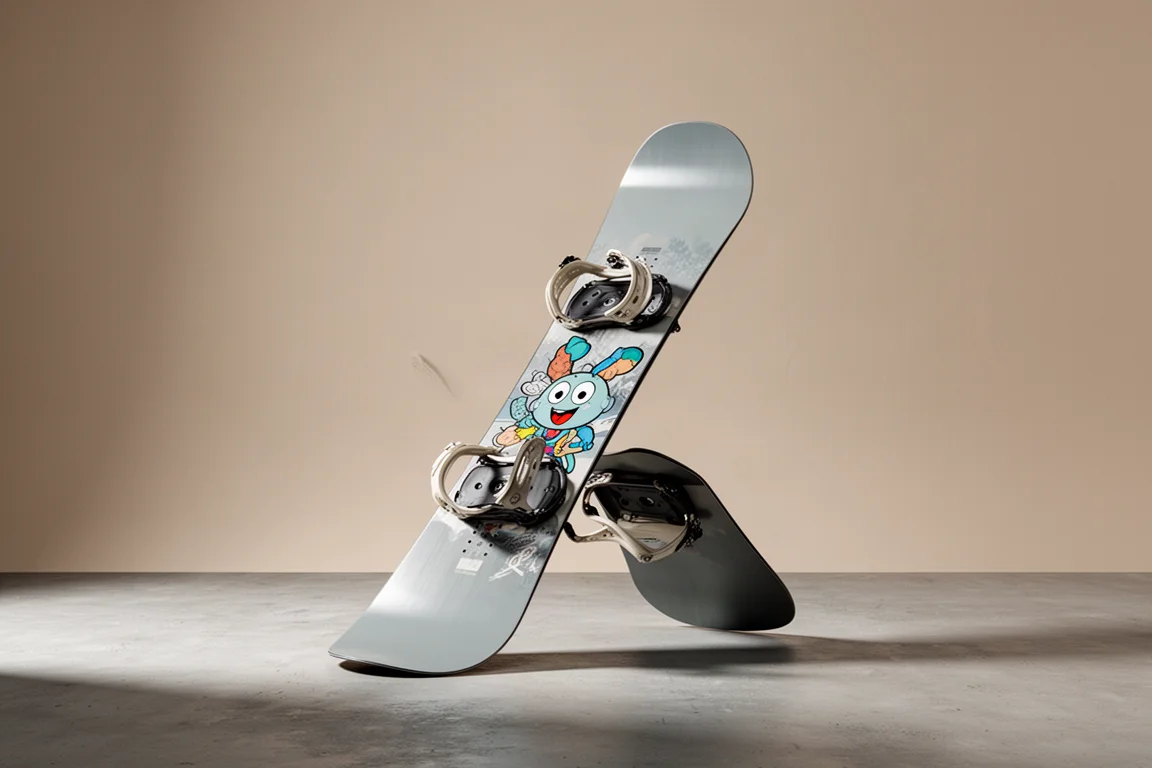
The Amplid Ohana Vibes is the brand’s new volume-shifted powder board, effectively replacing the Aloha Vibes in the lineup. The key change is stiffness: this deck is noticeably stiffer than the board it succeeds, with a thicker core and much more torsional rigidity. It is only offered in a 156, and it is aimed squarely at heavier riders with bigger feet who have the weight to actually flex and drive it.
Who This Board Is For
Amplid designed this board for a heavier rider, potentially with a larger boot size, who wants a volume-shifted shape. That matters because the board takes real effort to drive. You need to throw weight into it and torsionally flex it to get it to engage. A lighter rider will find it a workout. If you have the mass to lean on it, this is where it starts to feel like the board it was meant to be.
First Impressions and Test Conditions
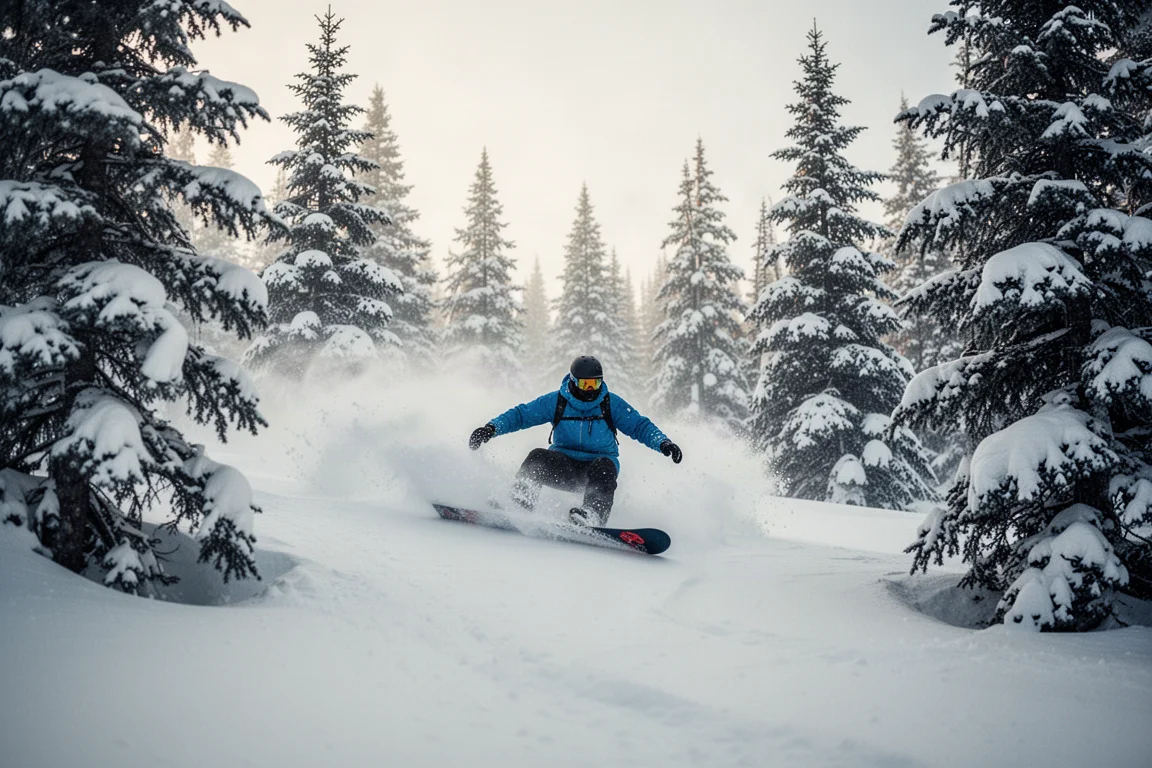
Testing took place at Copper Mountain on a late-season powder day: roughly a foot of compacted snowfall over 24 to 36 hours, no wind, high visibility, chop and chunder midday as the crowds arrived, and fresh powder in the trees. The board was ridden with Rome Black Label bindings and K2 Thoraxis boots.
In the trees it performed surprisingly well, especially in fresh powder, though tight glades turned into real work because of the limited torsional flex. Wide-open fresh snow is where it is most at home.
Flex and Stability
Do not let the shape fool you: this board is stiffer than you would think. It sits past middle of the road without being a full-blown plank. The nose has more play thanks to the rocker, then the flex progressively stiffens up to a defined flex point right in front of the rear binding, after which it stiffens again toward the tail.
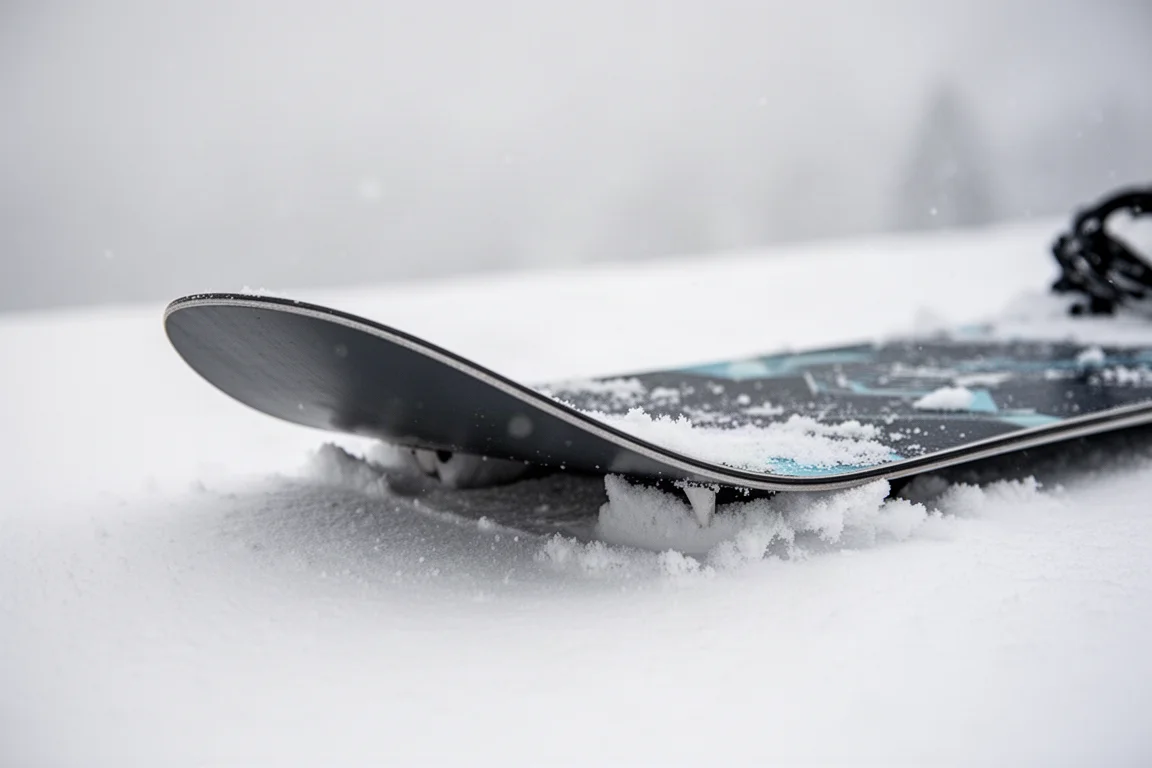
The cruise camber profile is rocker in the nose with camber through the rest of the board. The camber delivers the pop, snap, and drive, while the rocker nose eases turn entry and exit and helps with float.
Stability is a genuine strength. The width, camber profile, and core additives combine to make a very stable platform. At speed there is little chatter from the rocker nose, and it stays solid on bumpy groomers. The one exception: ramming something frozen under fresh pow at full speed with your weight forward will get you bucked around. Beyond that, the deck stays quiet.
Butters and Pop
This is where expectations and reality diverge. Despite the shape, butters are a chore. Pressing the nose takes serious effort, even in deep fresh snow, and getting the tail around means leaning way back, engaging that flex point, and basically leveraging and wheeling out of anything. It is a workout.
Pop is similar. There is not much usable tail, so while you do have to load the camber, the shape will not really boost for you. Off rollers and side hits you go straight out and come down, maybe getting a little height, but nothing huge.
Carving and Edge Performance
Like other Amplid boards, the side cut geometry is phenomenal. When the board is on edge, it cuts through messy snow and stays locked in. Sit on the back foot, engage the flex point in front of the rear binding, and you can apex out of a carve and slingshot out.
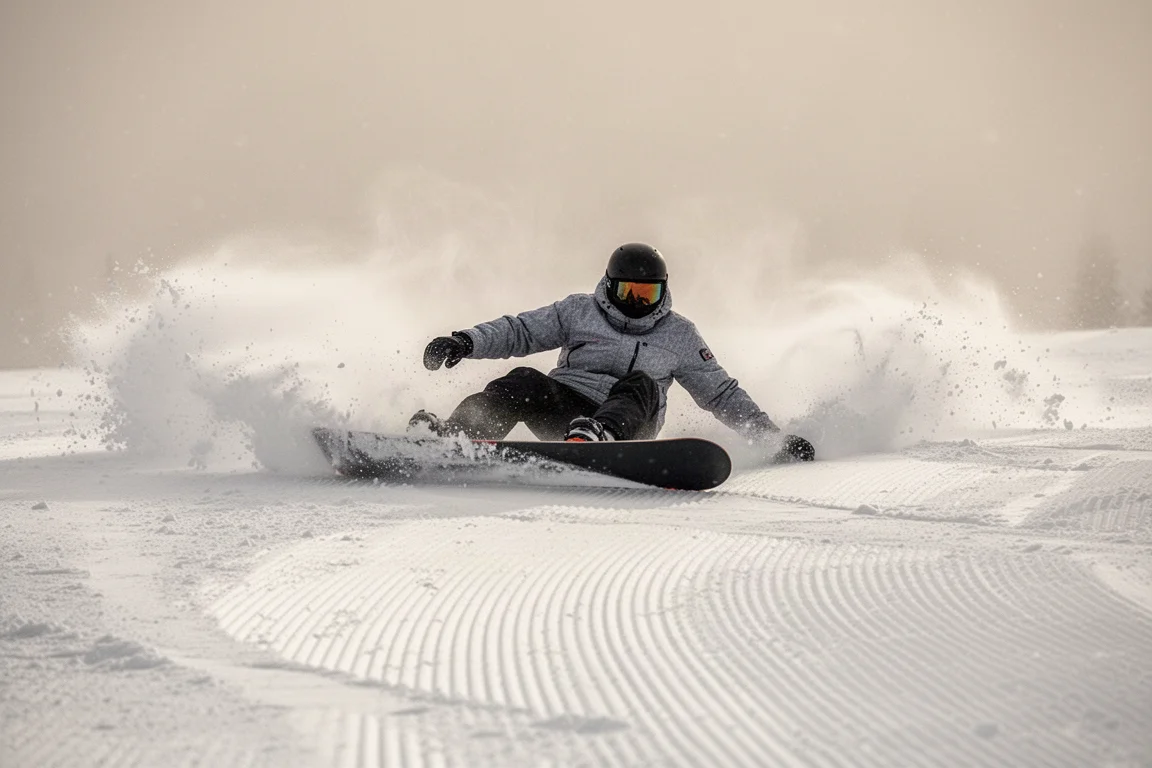
The trade-off is effort. Ankle steering is a real workout, and short, tight, quick carves and medium mellow carves take more work. The technique that works best is subtle: stay slightly back seat, flex the board in front of the rear foot, then torsionally twist it to get it to engage. Deep, hard, aggressive carves are where it shines, leaving a trench with no hesitation.
Powder and Crust Performance
In wide open fresh snow, this board has no problems. Hit something crusty underneath and nine times out of ten it busts right through and stays on top. The occasional exception, when the nose is sinking down as you hit something solid, can buck you around.
Crust busting is a clear strength. Tight trees are the clear weakness: the lack of torsional flex makes glades and snake runs more effort than many riders will want to invest.
Buying Advice
If you are a heavier rider with a bigger foot who wants a volume-shifted board that stays stable, slices through crust, and rewards aggressive riding, the Ohana Vibes makes a strong case. Lighter riders should think twice; the test rider’s own takeaway was roughly 40 pounds too light for it. Somewhere between this and the Aloha Vibes would be the ideal middle ground, but as it stands, this board rides noticeably stiffer and differently.
For pairings, comparable boards include the Lib Tech Sweetfish, the Strand Mackerel, and the Salomon Fish. Recommended bindings are the Rome Katana Full Wrap, the Union Atlas Pro, and the Yes Drive.
Conclusion
The Amplid Ohana Vibes is a capable, stable, crust-busting volume-shifted powder board with excellent side cut geometry, as long as you have the weight to drive it. Butters, pop, and tight trees all demand more effort than the shape suggests. Love it if you fit the intended rider profile; pass if you do not.
Product link
View more details for Amplid Ohana Vibes
This product is mentioned in the review. Check the specifications, options, and compatibility before buying.
View more details for Amplid Ohana VibesFurther reading
Related Reviews

Snowboards
32 Middle Earth Scott Stevens Pro Model Snowboard Review: A Park Board With a Reversed Flex
A medium traditional camber park board with carbon V reinforcement that is stiffer in the tips and more playful between the feet. Here is how it rides and who it suits.

Snowboards
32 Snafu Review: A Directional All-Mountain Freestyle Board with Serious Pop
The 32 Snafu pairs a directional camber-rocker profile with a stiffening tail for powerful carves, big ollies, and a surprisingly damp ride.

Snowboards
32 XXX Pat Fava Pro Snowboard Review: A Stiff Camber Beast for Hard-Charging Riders
A full-width traditional camber deck that rewards aggression with stability and edge power, but demands effort everywhere else.